How The Ottomans Transformed The Middle East’s Political Map
Perhaps the most enduring legacy of the Ottoman Empire was how it shaped the modern-day political map of the Middle East. Its decentralised manner of governance allowed different cultural, religious, and national communities to grow within the empire. Furthermore, its rivalry with the Safavid Empire more or less created the modern-day borders of Turkey and Iran. Finally, the end of the Ottoman Empire in the early 20th century saw European powers divide it into political units that closely resemble the map of the modern Middle East.
Early Expansion

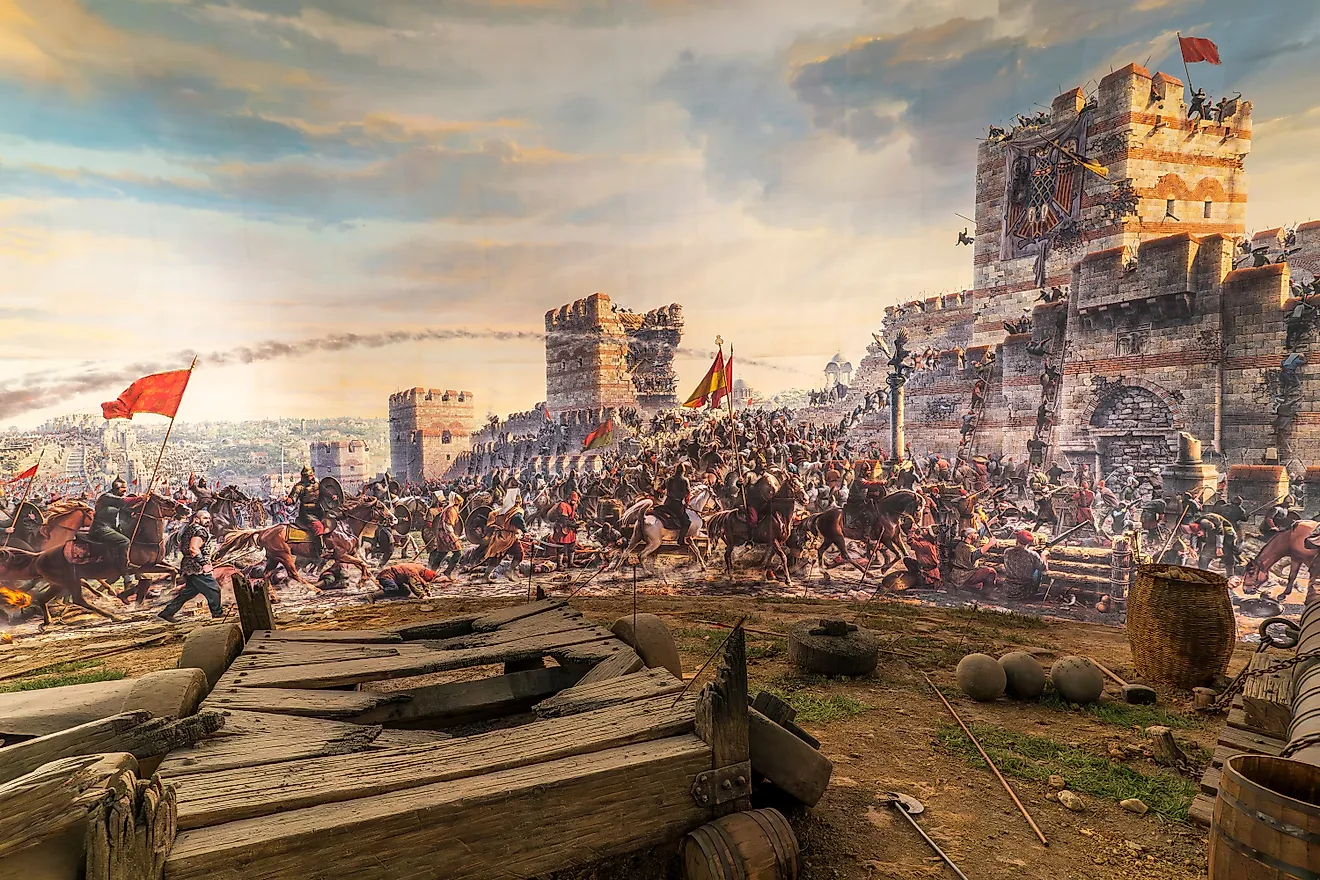
At the beginning of the 1300s, the Anatolian peninsula was divided into many different states (known as Beyliks). This quickly changed, however, as one of these Beyliks, under the rule of a man named Osman (Ottoman in English), accumulated more and more territory. The "Ottoman" state was able to do so for several main reasons, the most important of which was its decentralised approach to governance. Indeed, rather than centrally governing everything, the Ottomans let local leaders maintain positions of power. Doing so helped prevent the emergence of resistance movements, and it also meant that the Ottomans did not get bogged down in unnecessary bureaucracy. Moreover, it ensured that a wide variety of people with their own nationalist aspirations, including Kurds, Armenians, Greeks, Slavs, and Albanians, were allowed to exist within the empire.
Decentralisation And The Millet System

By the mid-1400s, the Ottomans controlled all of Anatolia and most of the Balkans. The next hundred years then saw them move into North Africa and the Arabian Peninsula. This vast territorial reach meant that, while the empire was majority Muslim, it also contained millions of religious minorities, many of whom were Christians and Jews. However, rather than forcibly converting them, as many other contemporary empires did, the Ottomans granted these minorities a high degree of autonomy, allowing them to practice their religion and apply their own religious law in domestic affairs. In return, Christians and Jews paid a tax called the Jizya. Collectively, this system of autonomy for religious minorities was known as the millet system, and it was key in allowing a wide variety of cultures to grow under Ottoman rule.
Rivalry With The Persians

Between the 16th and 18th centuries, the Ottoman Empire and the Persian-based Safavid Empire were in constant competition, engaging in countless wars, economic blockades, and diplomatic disputes. This occurred for two main reasons. First, the Sunni-majority Ottomans and the Shia-majority Safavids had core religious disagreements about who should have been Mohammad's successor. Second, the empires wanted control over key strategic regions, most notably the Caucasus, Anatolia, and Mesopotamia. Both sides made little progress regarding their territorial aspirations, and the borders between the Ottoman Empire and the Safavid Empire were instead entrenched. These borders closely resemble those of modern-day Turkey and Iran.
The Impact Of World War One

World War I (1914-1918) was a devastating event for the Ottoman Empire, which was already in decline. Therefore, during the war, the Allies made pre-emptive plans for who would control the empire afterward. One plan, known as the Sykes-Picot Agreement, established Iraq and Transjordan as British-controlled, and Syria and Lebanon as French-controlled. However, the British also made promises to Arabs in the empire for an independent Arab kingdom in an attempt to get them to revolt. They also assured zionists that they would help establish a Jewish home in Palestine. These mutually incompatible promises, combined with disregard for people's religious, cultural, and national identities, resulted in major problems.
Legacy And Importance

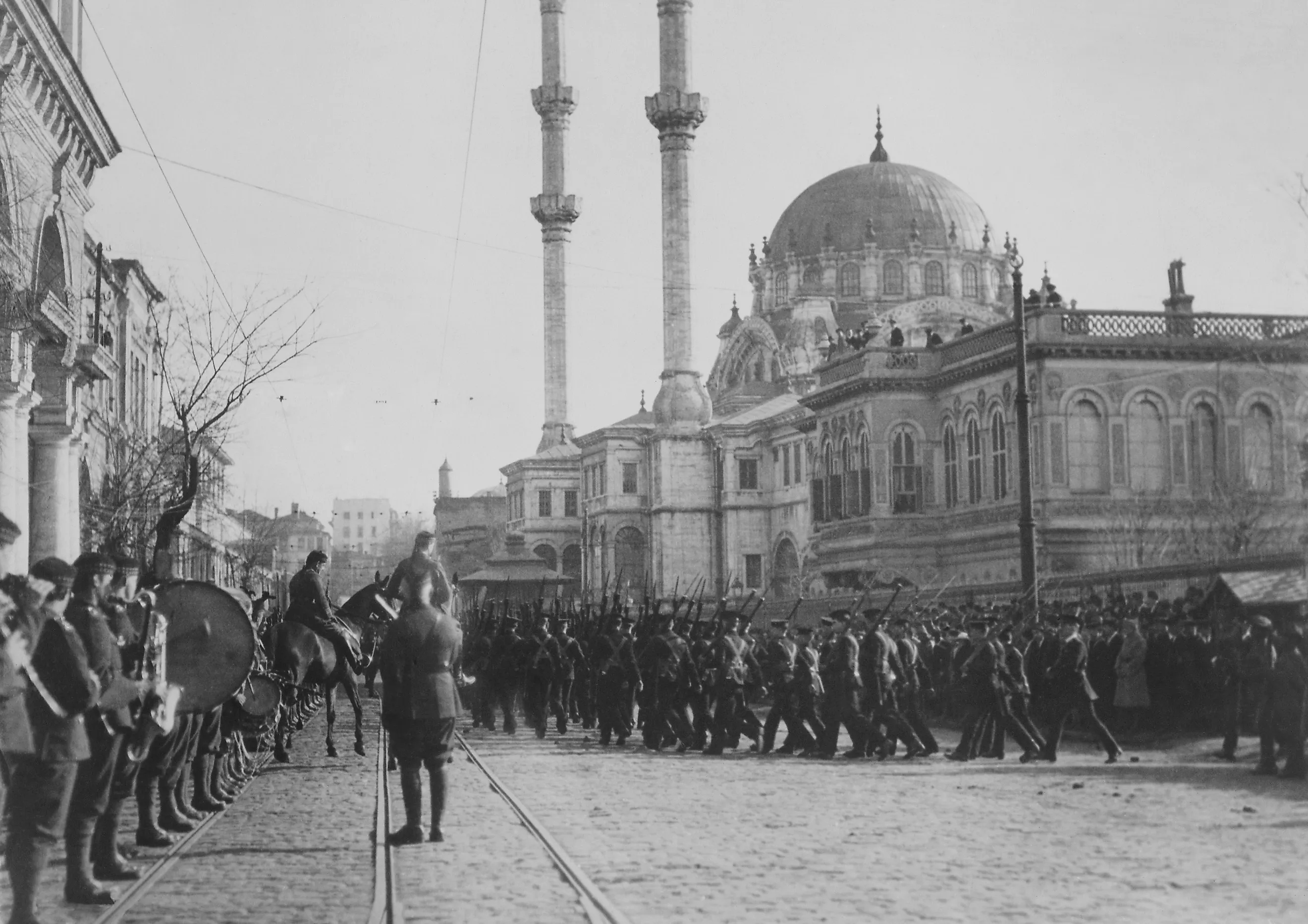
After World War I, the Ottoman Empire broke up. Its successor state, Turkey, was fully independent. However, much of the non-Anatolian parts of the empire were divided into League of Nations mandates, "semi-states" which were supposed to be guided by European powers towards full statehood. These mandates included Transjordan, Palestine, Iraq, Syria, and Lebanon, with their borders closely resembling those of their modern-day counterparts.

The mandates were problematic in their demographic construction. For instance, Iraq had a roughly even number of Shias and Sunnis, and Lebanon contained Maronite Christians, Shias, Sunnis, Greek Orthodox Christians, and the Druze. Furthermore, an increasing number of Jews moved to Palestine throughout the 1920s and 1930s, which resulted in tensions between them and the local Arab population. Finally, Kurds were left without anything resembling a state and were divided across Turkey, Syria, Iraq, and Iran. While cultural, national, and religious diversity was manageable in the Ottoman Empire, it was a source of significant tensions in these more centralised political units. Indeed, many of the ongoing problems in the Middle East can be traced back to the division of the Ottoman Empire after World War I and the failure of European powers to understand the political realities on the ground.