Ancient Siege Weapons That Changed Warfare
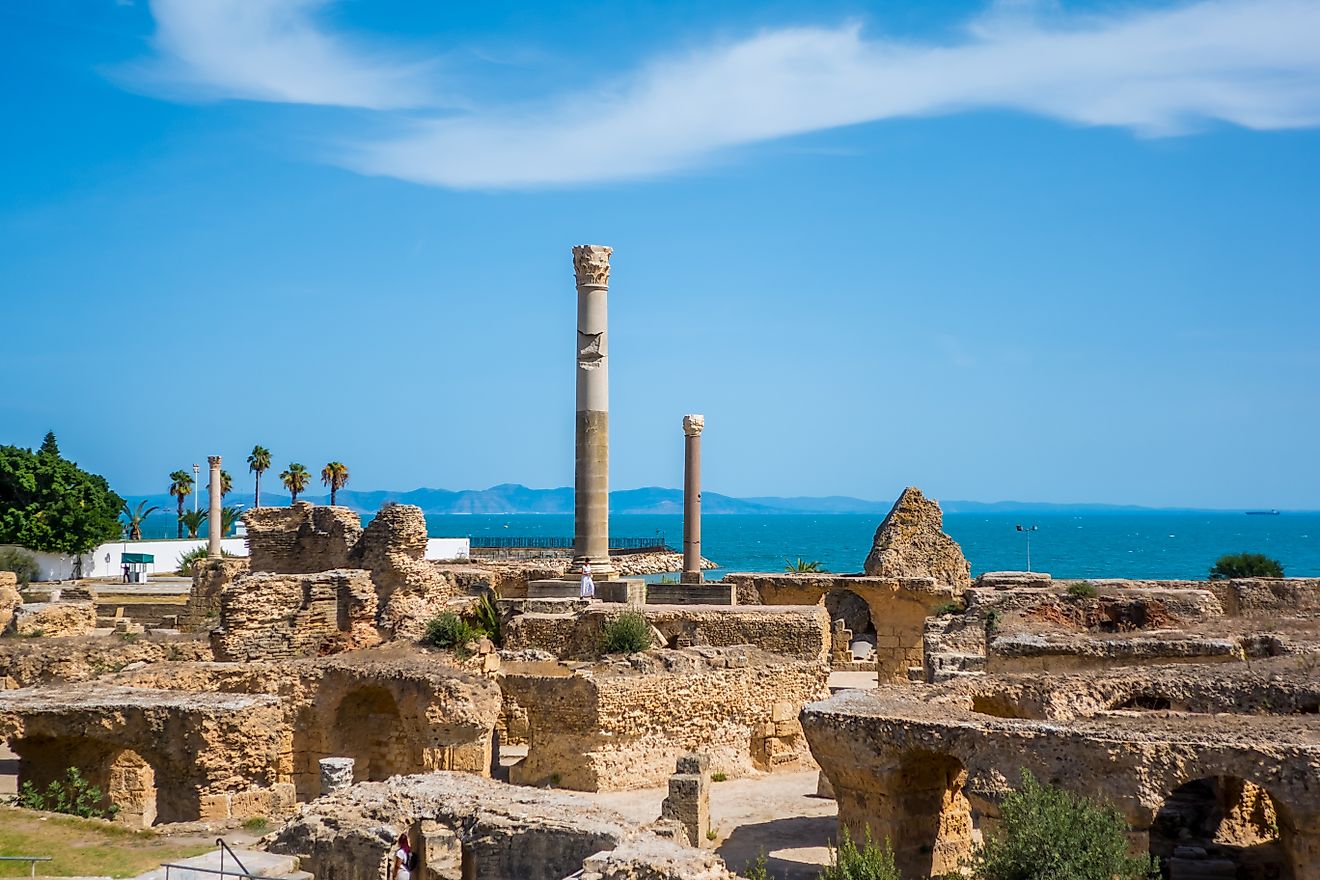
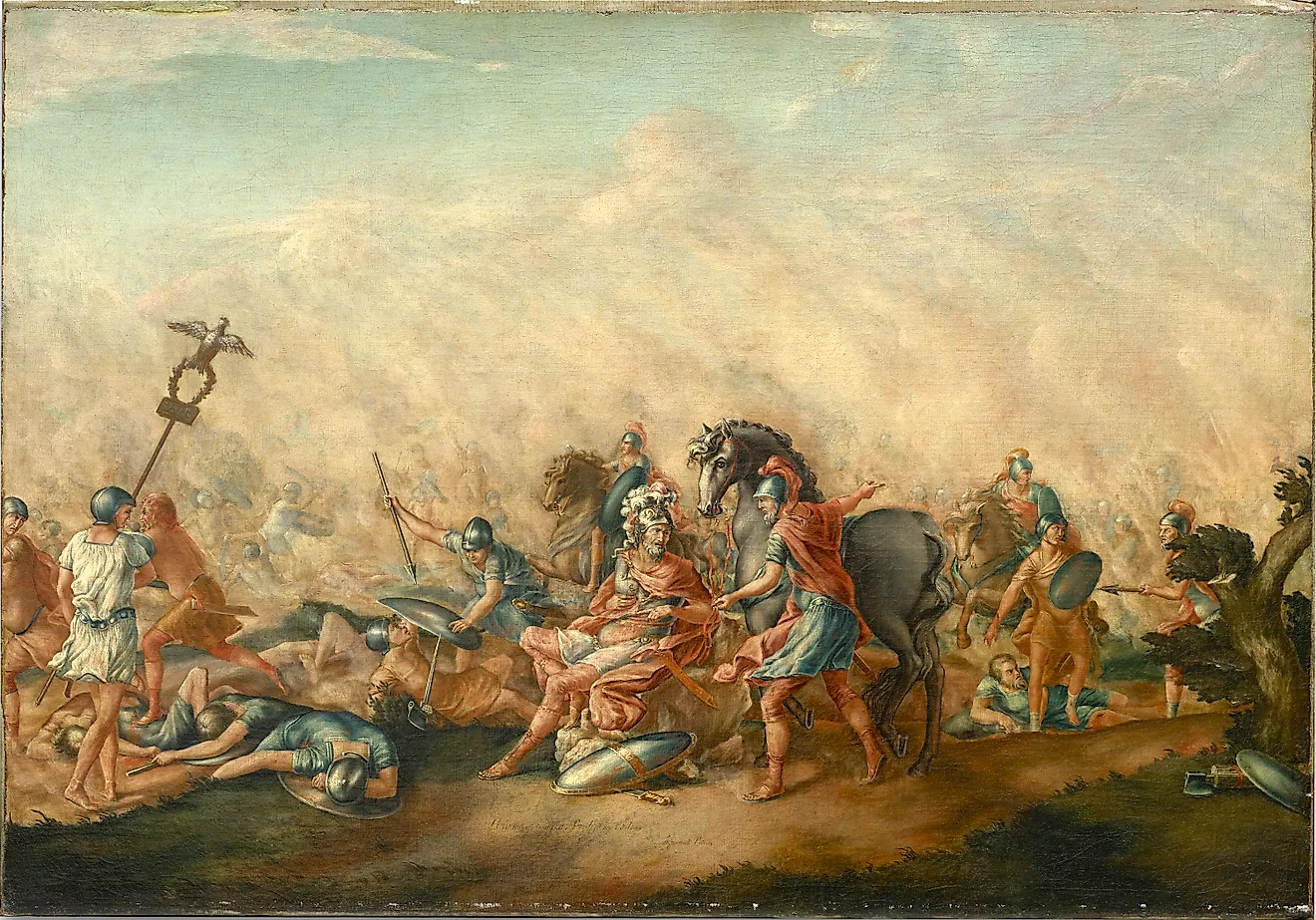
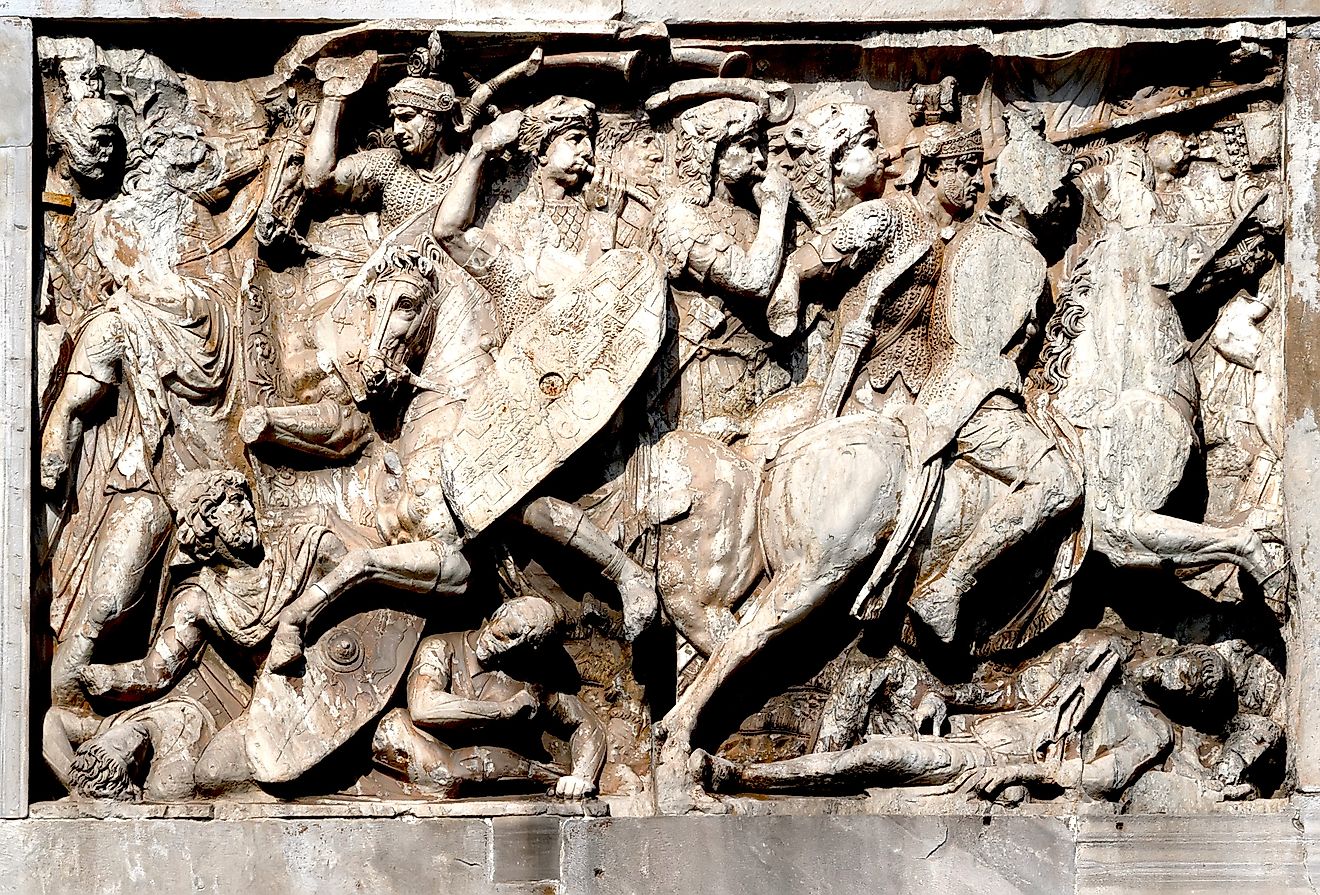
At Troy, legend remembers a decade outside the walls and the wooden horse at the gates. Centuries later at Tyre in 332 BC, Alexander ordered a stone causeway built across the sea so siege engines could strike an island wall at close range. Rome refined the method at Carthage in 146 BC and Jerusalem in 70 AD, sealing cities with blockade lines and pounding ramparts with onagers and ballistas until breaches opened.
Those campaigns rested on a toolkit of timber, rope, and torsion springs designed for masonry. Iron capped battering rams swung into gates until timbers splintered. Siege ramps like the Assyrian ramp at Lachish carried rams and infantry up to the break. Read on to explore more ancient siege weapons that changed warfare!
Battering Ram

Simple but effective, the battering ram is one of the earliest siege weapons and was first used by Assyrian armies in the 6th century BC to break down doors and gates during a siege. Typically made from large wooden beams, the Assyrian military engineers later added an iron cap to give the pole extra strength and durability.
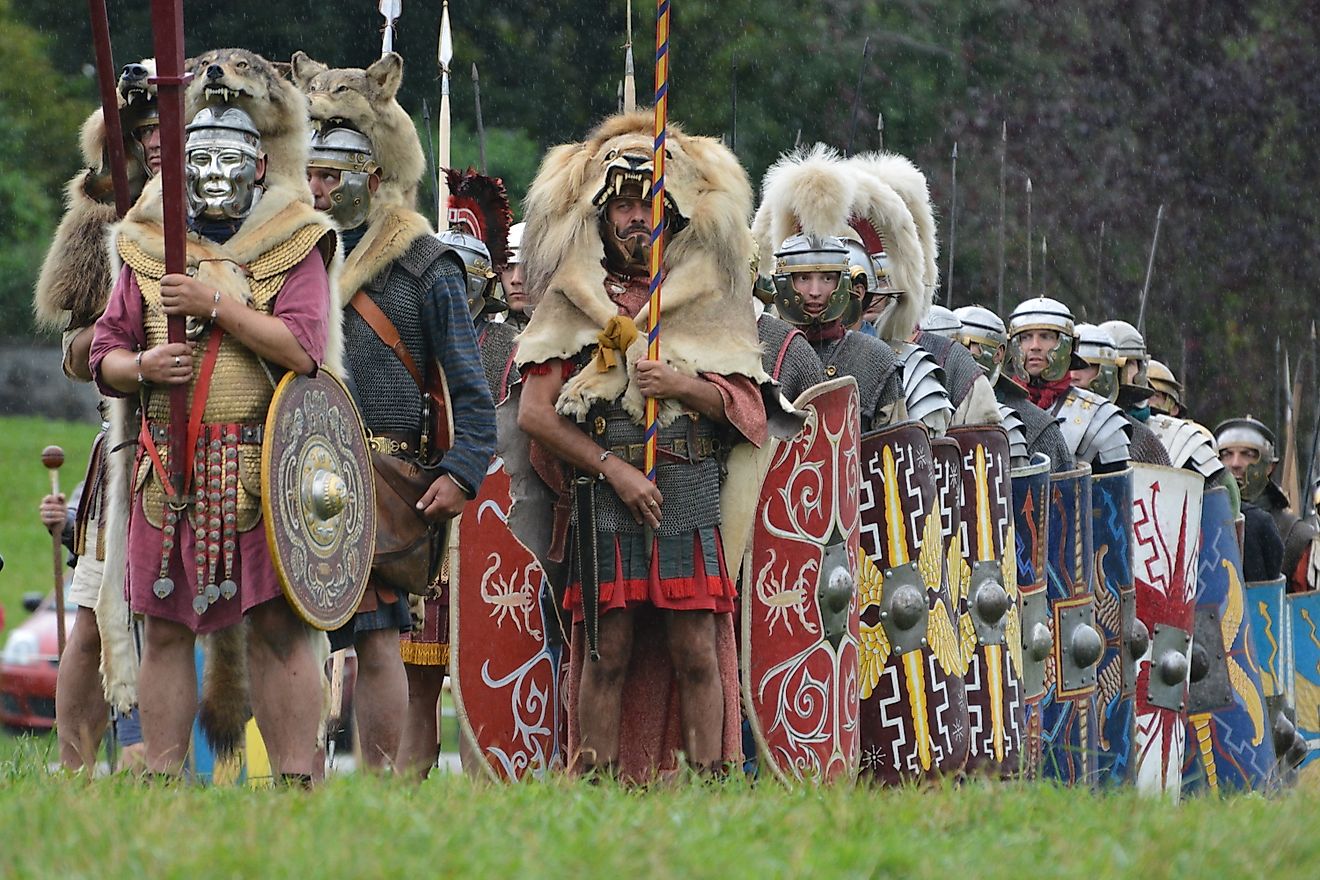
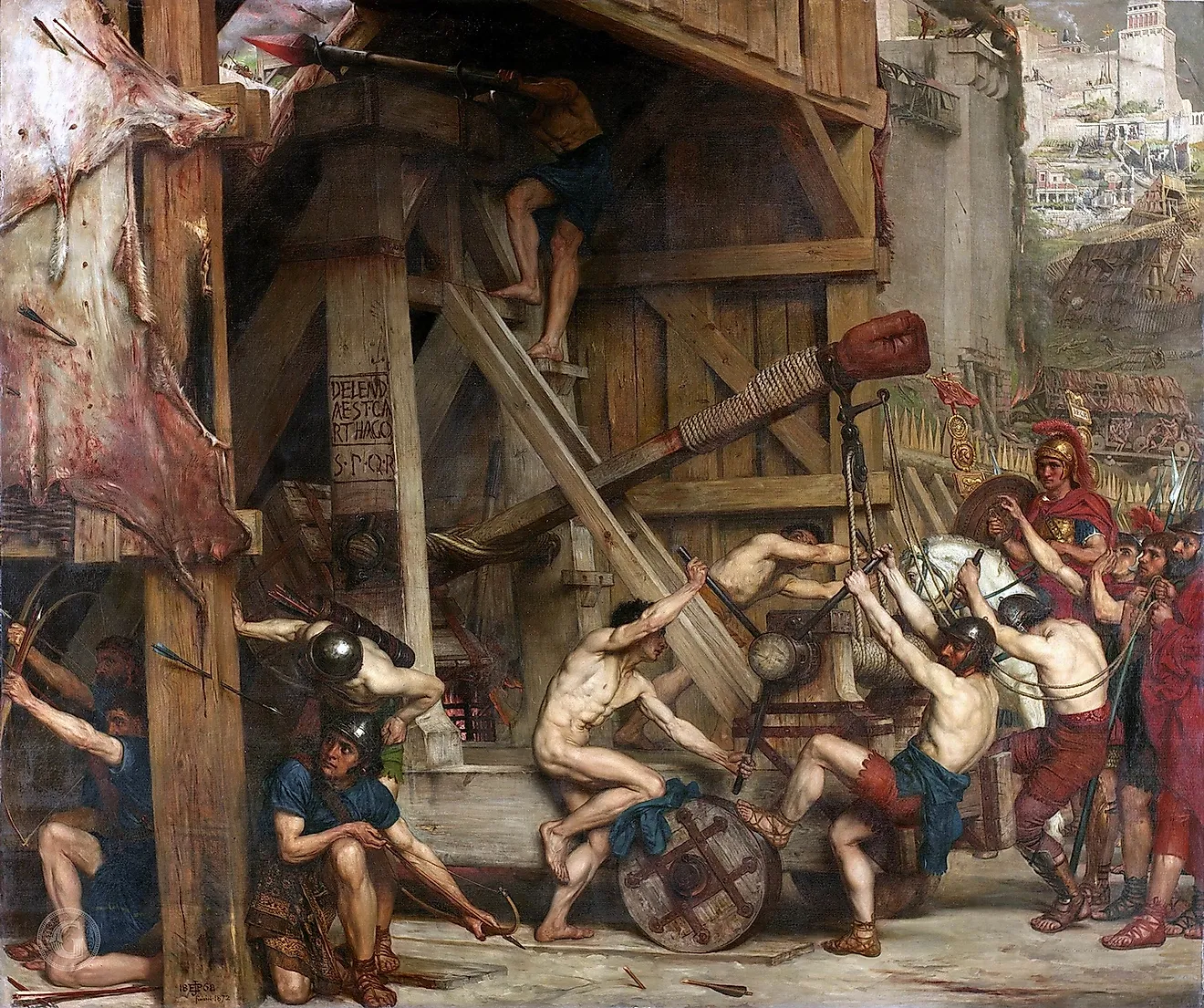
As the technology advanced, ropes and swings were added so soldiers didn’t have to bear the full weight of the rams. Known to the Romans as an ‘aries’, battering rams were widely used by both the Romans and the Greeks, who added features such as wheels and protective coverings. They transformed siege warfare by making it faster and easier for an army to force its way through the main gates, creating a breach that allowed soldiers to stream in en masse and thereby quickly overwhelm the defending forces.
Catapult/Onager

Catapults were a primitive but very powerful way of hurling projectiles, usually at city walls or armies. One of the earliest examples of a siege catapult is the Roman Onager, which emerged in the 4th century BC and featured a single arm with a scoop at the end designed to hold heavy weights that it would unleash with incredible power. They take their unusual type from a type of wild donkey that also had a powerful kick.
Onagers were a fearsome weapon against city walls. Heavyweights hitting the stone at full force would smash ramparts, destroy foundations, and kill frontline soldiers. Harnessing the power of gravity, the machinery paved the way for future inventions that operated on the same principles, such as trebuchets and, with the invention of gunpowder, cannons.
Ballista

Onagers gave the Romans the edge in a siege, but the ancient empire had another powerful weapon up its sleeve, the ballista. Like the onager, ballistas fired missiles, but they were more accurate and more deadly.
Resembling a large crossbow, a ballista used springs to fire bolts or stones at specific targets. They were used to destroy siege machinery and give cover to advancing soldiers. Ballistas were later mounted on moveable carts and platforms so they could be quickly transported where needed. When Julius Caesar besieged Alesia in 52 BC, the Roman army used their onagers and ballistas to bring the city down in a bloody bombardment.
Siege Towers

Force was obviously an important way to break into a stronghold, but it wasn’t the only way. Sometimes the best tactic for overcoming a city was the most obvious — climb over the walls. When facing thick, high barriers, this wasn’t always easy, so engineers developed workarounds such as ramps and towers.
There are records of siege towers being used by Egyptian and Mesopotamian forces in the early second millennium BC. These were huge structures, moved around on wheels to give soldiers access to walls and bring archers closer to their targets. In the 305 BC Siege of Rhodes, the Macedonian army erected a huge tower known as a helepolis, which rose nine towers high and was covered with iron plates. The tower could support the weight of catapults and was pushed by 1,200 men on eight iron-rimmed wheels.
Siege Ramps

A natural accompaniment to towers, ramps were also vital pieces of siege equipment, providing a way for commanders to bring men and weapons across moats or outer walls. They were incredible feats of ancient engineering, involving complex calculation and construction.
The oldest siege ramp in the world, the Assyrian siege ramp at Lachish, was responsible for the fall of the city in 701 BC. The 260-foot-long ramp was constructed from 3 million stones and took over three weeks to build, with workers toiling 24 hours a day. When it was finished, a layer of dirt and wooden planks was added to enable soldiers to bring battering rams up the ramp.
From Ancient Armies To Modern Military
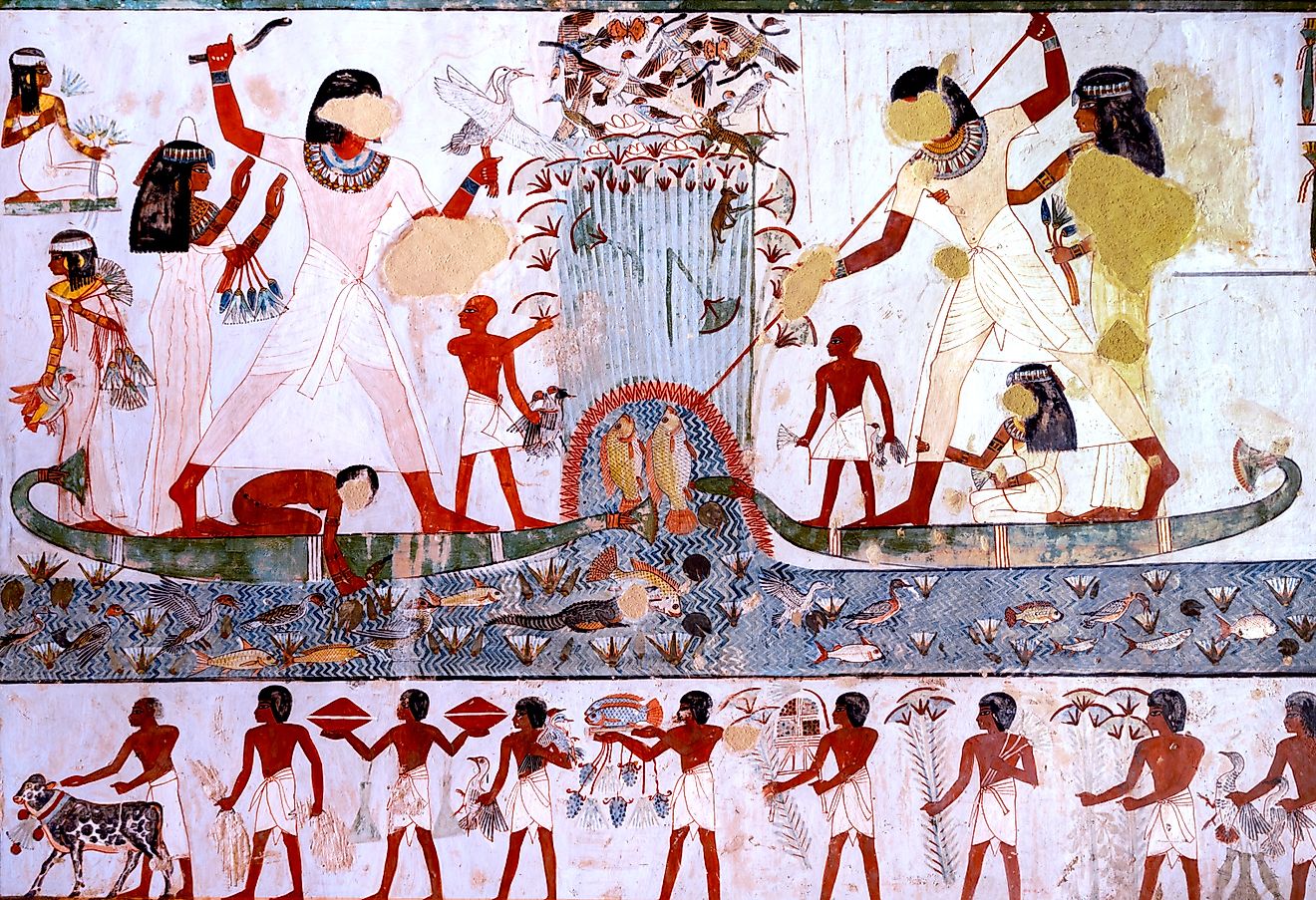
Siege warfare has existed as long as wars have, with scenes from sieges appearing in Egyptian tombs dated to 3000 BC. They are still a feature of war in the modern world too, with notable contemporary examples including the Siege of Leningrad during World War II and the sieges of Sarajevo and Srebrenica in the 1990s Bosnian war. Every weapon used in warfare builds on what came before, and siege equipment is no different. Battering rams, catapults and crossbows all became more refined throughout the centuries as armies adapted the technology to meet more sophisticated threats. Just as the introduction of gunpowder in the late Middle Ages changed siegecraft forever, Artificial Intelligence is shaping up to be the biggest disruptor of our era and continues the long tradition of military innovation.