11 Cutest Small Towns In New Hampshire For 2026
New Hampshire’s small towns give you brick mill villages, covered bridges, lakefront docks, and White Mountain trailheads without needing to cross the state twice. Harrisville still has 19th-century woolen mills set beside its reservoir system. Chesterfield brings Spofford Lake and stagecoach-era history into the same town. Sugar Hill looks out toward the Presidential, Franconia, and Kinsman ranges, with lupine fields drawing early-summer visitors. Bath keeps covered bridges and one of the state’s oldest village landmarks close to the Ammonoosuc River. These cute New Hampshire small towns for a 2026 trip were built around historic centers, rural scenery, and easy outdoor stops.
Harrisville

Harrisville sits in the Monadnock region of southern New Hampshire, built around a historic mill system that was once powered by a chain of reservoirs.
Cornerstone places to explore include the Harrisville Historic District, where preserved brick woolen mills line the water; the Harrisville General Store, a long-standing presence featured within the town hub; Lake Skatutakee, which allows visitors and residents to kayak and take shorelined walks; and nearby Mount Monadnock trails, which are located about eight miles from town and widely used for hiking. A community garden was also established in 2009, and brings residents together each growing season for shared harvests and an annual potluck.
Chesterfield

Chesterfield, founded in 1736, is surrounded by Spofford Lake and by vast forested hills and farmland.
Much of this town's appeal centers around the natural beauty of its landscape. Spofford Lake, known for swimming, boating, and its small islands such as Pierce Island, is the most popular draw. The town also features a number of historically significant landmarks, including The Stone House Tavern Museum, which preserves early stagecoach-era artifacts; the historic town center building, including granite and stone structures from the early settlements; and the former general store building, which now serves as the town post office, to name a few.
Walpole

Walpole sits along the Connecticut River in southwestern New Hampshire, where farmland, forests, and open meadows frame the town center.
Visitors and residents are often drawn to places like the Walpole Village Common, surrounded by historic homes and civic buildings; the Walpole Historical Society, which documents and works hard to preserve local heritage; Distant Hill Gardens and Nature Trail, home to hundreds of plant species and wetlands; and the town's elm-lined streets, which reflect its early historic design.
Franconia

Franconia sits in the center of New Hampshire’s White Mountains, where the mountain backdrop and local history draw in visitors and residents.
Franconia Notch State Park forms the area’s best‑known landmark, with destinations such as Flume Gorge and trailheads that connect to the Appalachian Trail. The park also preserves the legacy of the Old Man of the Mountain, a rock formation that once served as a symbol of the state.
Other attractions to note are the Franconia Iron Furnace, which is a preserved remnant of early iron production; The Frost Place, former home of poet Robert Frost; and the New England Ski Museum, which documents the region's ski history.
Sugar Hill

Sugar Hill overlooks the Presidential, Franconia, and Kinsman ranges, giving the town one of the most recognizable mountain settings in northern New Hampshire. Its June bloom of pink and purple lupines draws visitors each year, while surrounding sugar maple groves reflect the landscape that inspired the town’s name in 1962.
Attractions like the Lupine fields (seasonal bloom areas) in the early summer; the Sugar Hill Historical Museum, one of many preserved historical buildings; Polly's Pancake Parlor, a long-running local restaurant using regional maple syrup; and early ski heritage sites tied to one of the United States first ski schools established in 1929.
Antrim

Antrim sits within the Monadnock Region and reflects a history shaped by Scottish immigrants who established the town and influenced its early architecture.
Outdoor spaces define much of Antrim’s appeal. Specifically, places like dePierrefeu-Willard Pond Wildlife Sanctuary, known for hiking and wildlife viewing; McCabe Forest, which homes walking trails and conservation land; the First Presbyterian Church, a historic town landmark; and the Loverens Mill Cedar Swamp, which allows visitors an up close view of wetlands and a boardwalk section through rare cedar habitats.
Alton

Alton, known as the gateway to Lake Winnipesaukee, combines waterfront access with one of New Hampshire’s most popular recreation areas. Settlers from Roxbury founded the town, and today it centers around Alton Bay, where docks, boats, and shoreline activity shape daily life.
Outdoor recreation plays a major role in the town’s appeal. Alton Bay offers a waterfront hub with docks and seasonal recreational activities; Mount Major, one of the most popular moderate hikes in New Hampshire; and access to Lake Winnipesaukee shoreline points used for boating and swimming.
Tamworth

Tamworth sits between the White Mountains and New Hampshire’s Lakes Region, where rivers and streams guided early settlement patterns and powered the gristmills that shaped its rural character.
Places like the Great Hill Fire Tower, built in 1934, allow visitors to see a panoramic ridge view of surrounding mountain ranges; the Remick Country Doctor Museum and Farm, which interprets rural medical and farming history; the Tamworth village center, with its preserved historical buildings; and nearby river corridors, which remain shaped by early mill development.
Littleton

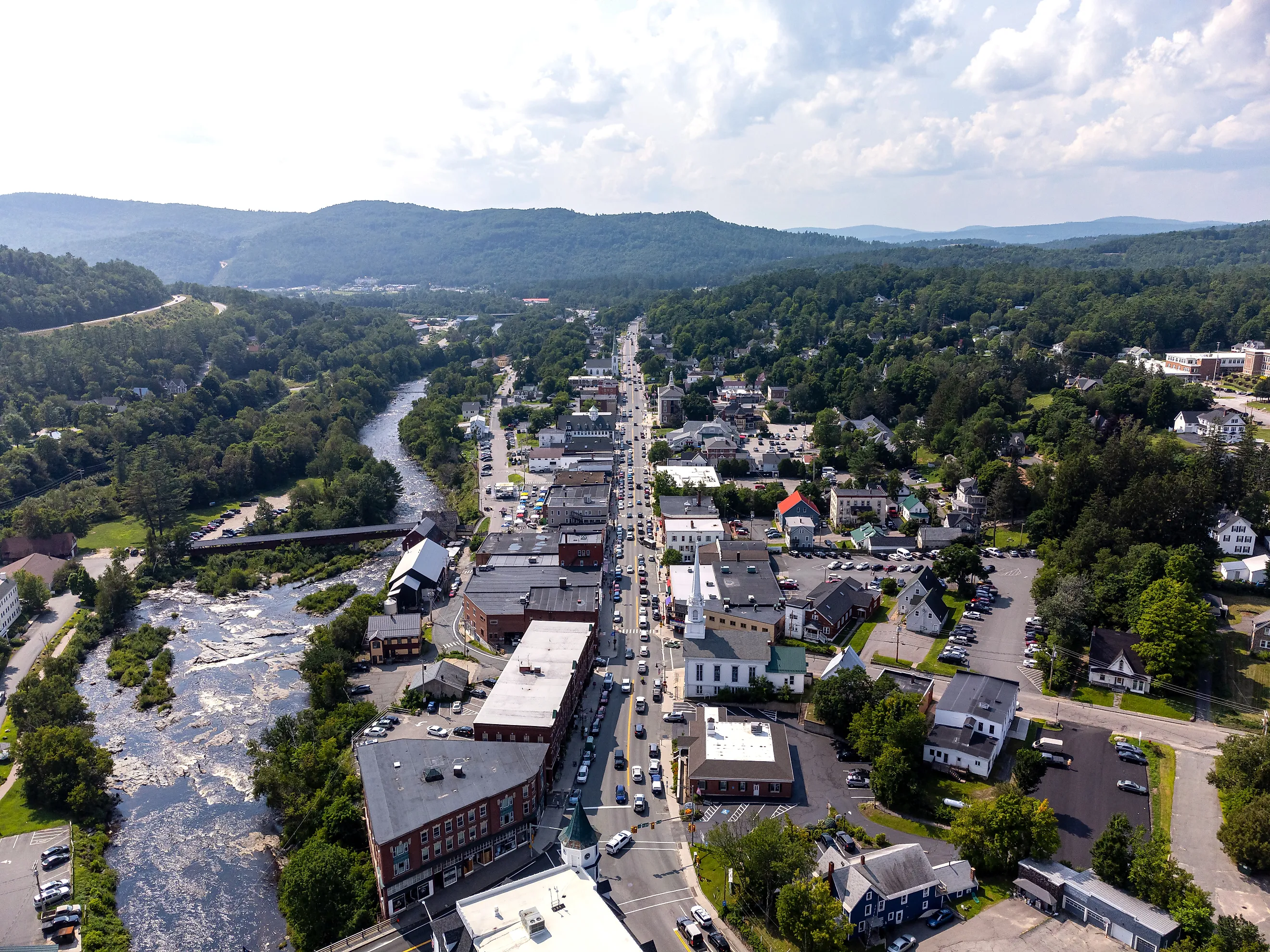
Littleton developed along the Ammonoosuc River and grew into a regional center for commerce and civic life in northern New Hampshire. Main Street Littleton remains the town’s busiest area, with shops, cafés, and public buildings arranged within a walkable downtown that draws visitors throughout the year.
The Littleton Opera House stands out as one of the town’s most recognizable landmarks and continues to host performances, meetings, and community events. Other attractions like the Riverwalk Covered Bridge, a well-known local landmark, and Riverfront Commons, a riverside walking path connecting downtown to the Ammonoosuc River, also keep those who visit in awe.
Lyme

Lyme developed in the Upper Valley as an agricultural community and was further shaped by early timber work and family farming. Historic barns, homesteads, and 19th‑century churches still stand tall in the village center, including the 1839 Lyme Center Academy, which houses the town’s historical details.
Behind the Congregational Church, a long row of historic horse sheds forms one of the town’s most memorable landmarks and is recognized as the longest contiguous row of its kind in New England. Visitors often pair a walk through the village with time at Post Pond, a local spot for swimming and paddling, or with short hikes on nearby segments of the Appalachian Trail, including Holts Ledge and Smarts Mountain, which is a more challenging nearby ascent.
Bath

Bath developed as one of New Hampshire’s early colonial settlements along the Connecticut River. The original charter set aside land for sixty‑eight families, along with space for a church and school, creating a small-village layout that still remains the foundation of the town center design.
Places like the Bath Covered Bridge, one of the state's oldest surviving covered bridges; the Bath-Haverhill Covered Bridge (1829), another historic crossing; The Brick Store (slated reopening of summer 2026), which is a local landmark and the town's general store; and riverside walking areas along the Ammonoosuc River system contribute to the town’s rural feel.
Across New Hampshire, the cutest small towns pair historic streetscapes with lake views, mountain backdrops, and long‑standing local traditions. From mill villages like Harrisville to lake communities such as Alton and historic river towns like Bath, each of these small towns reflects a layer of the state's development while remaining closely tied to its surrounding landscape.