The National Parks With Coral Reefs
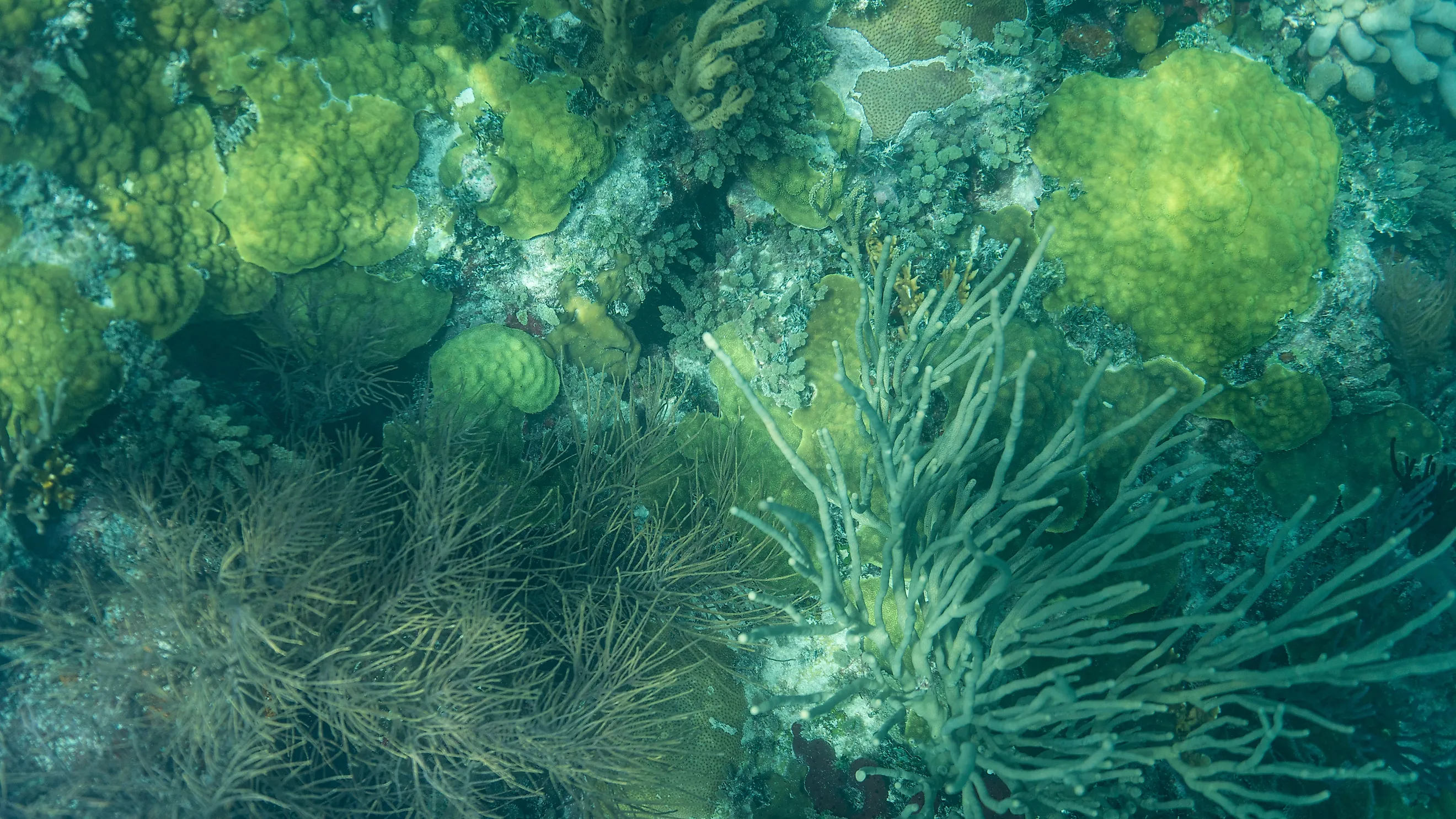
Coral reefs are among the most biologically diverse ecosystems in the world, offering a colorful array of hard and soft corals and sustaining food and shelter for a wide assortment of marine life. Three national parks in the US have a coral reef system, allowing visitors to swim, snorkel, and dive in these underwater worlds while learning about and gaining a greater appreciation for the unique habitat. Incorporating an extra element of natural landmarks and marine science into national parks, these environments vary in structure from near-shore patch reefs to barrier and fringing reefs. These three national parks share the diversity of a complex living organism while featuring varied settings, from remote offshore locations in the Florida Keys to accessible seascapes in the US Virgin Islands.
Biscayne National Park

The approximately 173,000-acre Biscayne National Park supports rare, endangered, and threatened coral species, as well as a combination of marine and terrestrial life that includes sea turtles and more than 500 species of fish. Protecting the northern part of the 170-mile-long Florida Reef Tract, it contains part of the only barrier reef system in the continental US and is part of the third-largest reef tract in the world. It is set on Biscayne Bay and the Atlantic Ocean, just south of Miami, and borders the Florida Keys National Marine Sanctuary. Nearly 95% of the park is underwater, with the Dante Fascell Visitor Center near Homestead serving as the park's main mainland access point. President Lyndon Johnson established Biscayne National Monument in 1968. In 1980, it was designated Biscayne National Park, becoming one of the largest marine parks in the National Park system.
Biscayne National Park has inshore patch reefs and an offshore bank reef, supporting a diverse coral community. More than 45 species of stony corals and 35 species of octocorals, including soft corals such as sea fans and sea whips, are found along the reef. Coral varieties include elkhorn and brain coral, as well as colorful sponges, loggerhead sea turtles, parrotfish, and nurse sharks. Snorkelers and divers can explore Pacific Reef, where the active Pacific Reef Light marks the reef, while Ajax Reef, to the north, is in relatively shallow water and features stony corals, spur-and-groove formations, and an abundance of fish. Mooring buoys are provided at both reefs to help protect the fragile coral.
Dry Tortugas National Park

Located about 70 miles west of Key West, Florida, Dry Tortugas National Park shares a remote world of vibrant coral reefs within a barrier reef system, along with nearby patch reefs, at the southwestern tip of the Florida Keys reef system. More than 99% of the park is water, making it accessible only by seaplane, private boat, or high-speed ferry. Approximately 30 species of coral can be found within the reef, including elkhorn, boulder star, staghorn, and pillar. Other marine life consists of lobsters, sea turtles, anemones, and tropical fish such as angelfish and triggerfish.
Previously designated as Fort Jefferson National Monument by President Franklin D. Roosevelt in 1935, the region was expanded and established as a National Park in 1992, serving to preserve the marine environment and surrounding waters. Visitors can snorkel off the 14-acre island of Garden Key or head out to deeper waters to dive to view coral, grooved formations, and caves. North of Garden Key, Texas Rock has a large mound of coral in about 55 feet of water. Divers may see rare black coral, stony coral, and sea fans. The Little Africa Reef is a more remote area with coral growing in a shape that resembles the continent of Africa. Additionally, the Windjammer Shipwreck, named for the Avanti sailing vessel that wrecked in 1907, has coral growing on it, providing food and shelter for many tropical fish.
Virgin Islands National Park

Virgin Islands National Park encompasses more than half of the island of St. John and protects more than 14,000 acres of terrestrial and marine ecosystems, including forests, mangroves, seagrass beds, and coral reef systems. Approximately two-thirds of St. John is protected within the national park, making it an important destination for recreational opportunities and wildlife viewing. Surrounded by the Caribbean Sea, the park also protects some of the last remaining native tropical dry rainforests in the Caribbean.
Established as a national park in 1956, Virgin Islands National Park was designated an International Biosphere Reserve by the United Nations Educational, Scientific, and Cultural Organization (UNESCO) in 1976, reflecting the ecological significance of the park's terrestrial and marine environments. This designation recognizes the area's ecological importance and its role as a site for conservation, research, education, and sustainable development. Land for the park, about 5,000 acres, was purchased and donated to the US National Park Service by philanthropist and businessman Laurance Rockefeller, as part of his Jackson Hole Preserve conservation organization.
The park contains fringing, patch, and deep reefs, as well as shallow water coral systems, seagrass beds, and mangroves that provide food and shelter for a variety of coral, sea sponges, and animals such as sea turtles, reef fish, and other marine life. Brain, elkhorn, and star corals can be found throughout the park, along with sea fans that contribute additional structure and movement to the underwater environment. Visitors can experience these areas at several locations, including Cinnamon Bay, Hawksnest Bay, and Trunk Bay, which has an underwater snorkeling trail with signs marking the types of coral found on the way, providing easy access and understanding of the reef environment.
Coral Reefs in National Parks
Developing over time, coral reefs begin with tiny invertebrate polyps. These hard, stony coral polyps secrete calcium-carbonate skeletons that build up over time as they grow, gradually creating complex reef structures that provide habitats for fish, sea turtles, and other marine animals. Two national parks in the Florida Keys protect portions of the Florida Reef system, along the shores of the Atlantic and the Gulf of Mexico, while Virgin Islands National Park protects coral reefs in the Caribbean, encompassing a large portion of the island of St. John. Beyond their recreational and scenic value, these national parks emphasize the critical role of fragile coral reef conservation in maintaining healthy marine ecosystems.