11 Best Towns In The United States For Retirees
The most retiree-friendly corner of the country runs through the mid-South and lower Midwest, where towns like Batesville and Marietta keep median homes under $185,000. Their states tax Social Security lightly or not at all, which stretches a fixed income past the mortgage. Head west and the trade changes: Alamosa and Silver City cost a little more but hand you national parkland and 300 days of sun. The eastern coastal picks, Fort Pierce and Aiken, buy mild winters and an ocean drive for a modest premium. Across all eleven, a hospital and cultural life stay inside town limits. That combination, cheap to own and easy to enjoy, is rarer than it sounds.
Asheboro, North Carolina

Asheboro keeps the world's largest natural habitat zoo inside its own city limits, giving retirees five miles of walking trails and 1,700 animals a few minutes from home. A typical home in Asheboro costs about $228,000, and the wider cost of living runs roughly ten percent below the national average, so a fixed income covers more than the mortgage. North Carolina helps the math further, taxing no Social Security income and exempting many government pensions through its Bailey provision. Comprehensive care sits in town at the Randolph Health facilities, with assisted living close by at Brookdale Asheboro.
Beyond the zoo, the American Classic Motorcycle Museum traces the machine's American history, and the nearby Patterson Farm in Mount Ulla runs seasonal events with fresh produce most of the year. Randolph County keeps its rural roots visible, which suits retirees who want space and easy family visits in equal measure.
Keene, New Hampshire

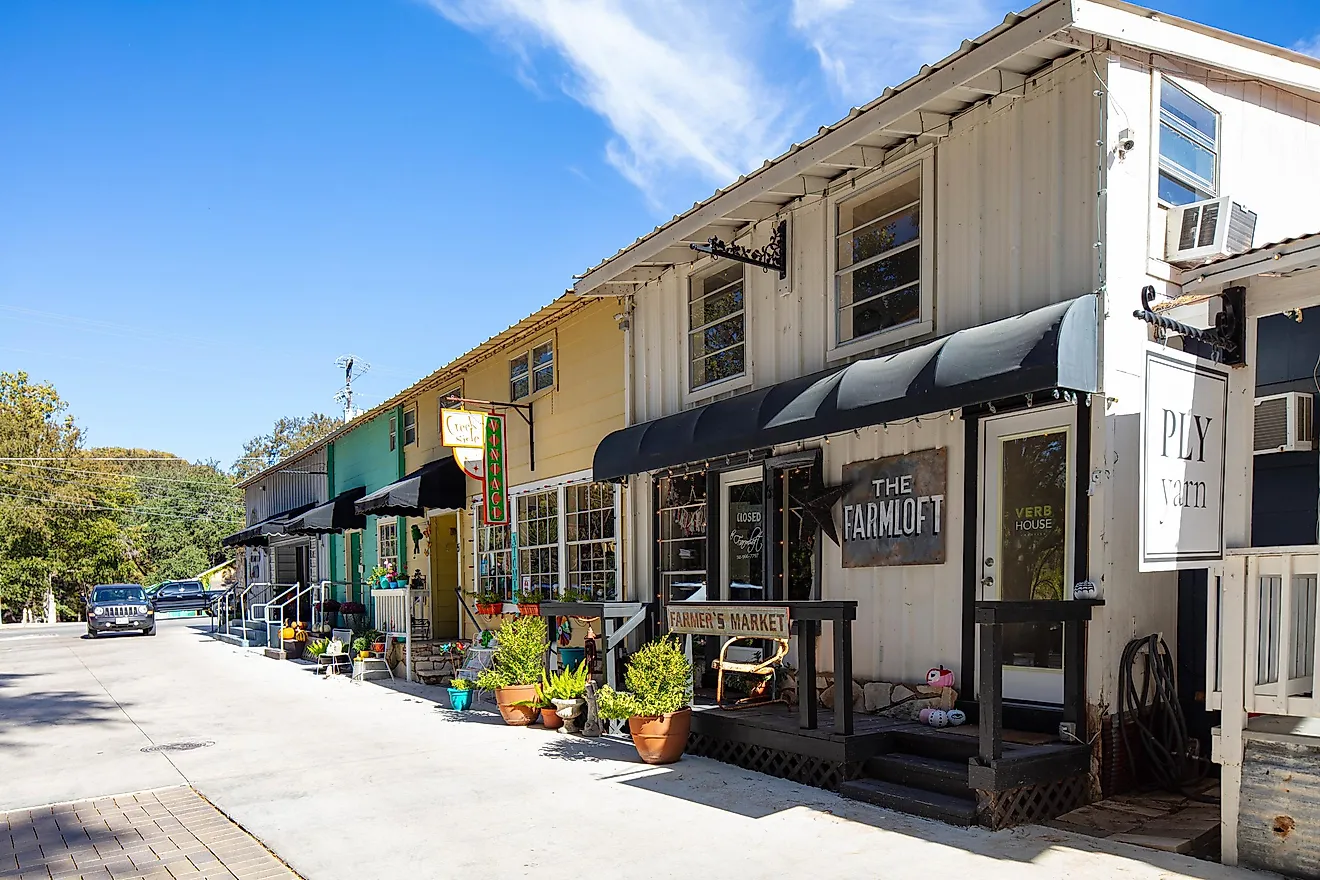
New Hampshire charges no state income tax and no sales tax, so a pension or Social Security check arrives in Keene whole. The town's typical home runs about $303,000, and its cost of living sits a few points under the state average. Cheshire Medical Center keeps full healthcare in Keene, and Langdon Place of Keene handles assisted living when it becomes necessary.
The restored Colonial Theatre stages productions year-round, and the Ashuelot Rail Trail gives walkers and cyclists a flat 21-mile path out to Hinsdale. Every fall the Keene Pumpkin Festival fills the streets with treats, crafts, and thousands of carved pumpkins, a real community gathering rather than a fundraiser. Retirees who like a town that shows up for its own holidays tend to feel at home fast.
Alamosa, Colorado

Alamosa gives nature-minded retirees a rare base, with the Great Sand Dunes National Park about 30 minutes away and the Alamosa National Wildlife Refuge drawing birdwatchers right at the edge of town. A typical home in Alamosa costs around $230,000, and the cost of living runs roughly nine percent below the national average. Colorado sweetens the deal with a property tax exemption for residents over 65 and a senior income tax credit worth up to about a thousand dollars. The trauma-certified SLV Health Regional Medical Center covers serious care, and The Bridge at Life Care Center handles assisted living.
Zapata Falls sits a short, easy hike from the valley floor, and the refuge trails stay flat enough for a daily walk. Retirees who move here for the mountains tend to stay for the quiet.
Midland, Michigan

Midland runs a cultural calendar most small towns cannot match, built around the Midland Center for the Arts and its national touring concerts, stage productions, and a science-and-history museum reopening in late 2026. A typical Midland home costs about $217,000, and the cost of living runs close to 19 percent below the national average. Michigan finished phasing out its tax on retirement income in 2026, which stretches a pension further in this Great Lakes state. MyMichigan Medical Center covers emergencies and specialty care in town, and Midland King's Daughters Home is a well-regarded assisted living option.
The Chippewa Nature Center spreads across 1,200 acres of trails and wildlife programs, and The Tridge, a three-way footbridge over the meeting of two rivers, links several parks into one walkable stretch. Families visiting for the weekend rarely run short of things to do.
Marietta, Ohio

Marietta is older than Ohio itself. It was the first permanent settlement in the Northwest Territory, and a typical home there still costs about $184,000. The cost of living sits around 12 percent below the national average, and Ohio taxes no Social Security or military pension income. The Golden Buckeye Program adds discounts on shopping and dining across the state. Memorial Health System keeps care in Marietta, and The Glenwood Community handles assisted living.
The Campus Martius Museum tells the story of that early frontier and the town's growth as a port on the Ohio River. Mound Cemetery preserves an Adena burial mound that the settlement wrapped its 1801 graveyard around. Marietta College brings shops, dining, and young energy to the riverfront, and locals swear by the fried bologna sandwich at the Harmar Tavern.
Batesville, Arkansas

Batesville offers the lowest home prices on this list, with a typical house costing about $154,000. The cost of living runs roughly 16 percent below the national average, and Arkansas taxes no Social Security while allowing a $6,000 deduction on other retirement income. Residents over 65 can freeze the assessed value of their home against future increases. White River Health keeps care in Batesville, and Eagle Mountain Assisted Living covers the next step.
The White River runs right past town, and Riverside Park gives retirees an easy place to fish or walk the bank. The Old Independence Regional Museum tracks local history, and each spring ScotsFest brings Highland games and competitions to town.
Port Townsend, Washington

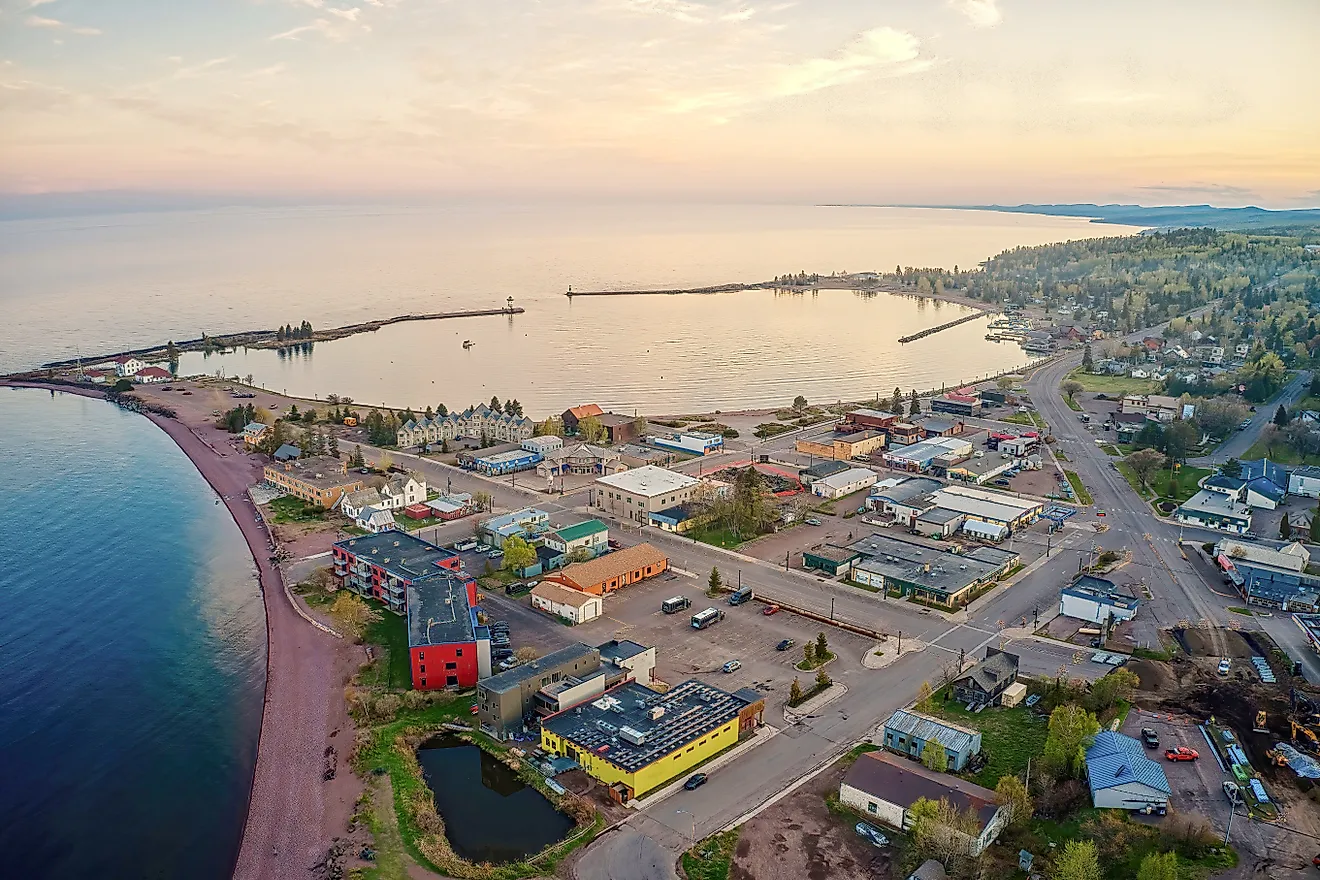
Port Townsend carries the steepest home prices here, with a typical house around $620,000, so its case for retirees rests on other math. Washington charges no state income tax, which shields Social Security, pensions, and retirement withdrawals entirely. The maritime climate stays mild, with July and August highs near 73 degrees. Jefferson Healthcare covers care in Port Townsend, and Avamere at Port Townsend handles assisted living.
The Northwest Maritime Center runs seafaring education on the waterfront, and Fort Worden Historical State Park keeps bunkers and trails that make an easy outing with grandchildren. The 1907 Rose Theatre still screens films and hosts live shows downtown.
Silver City, New Mexico

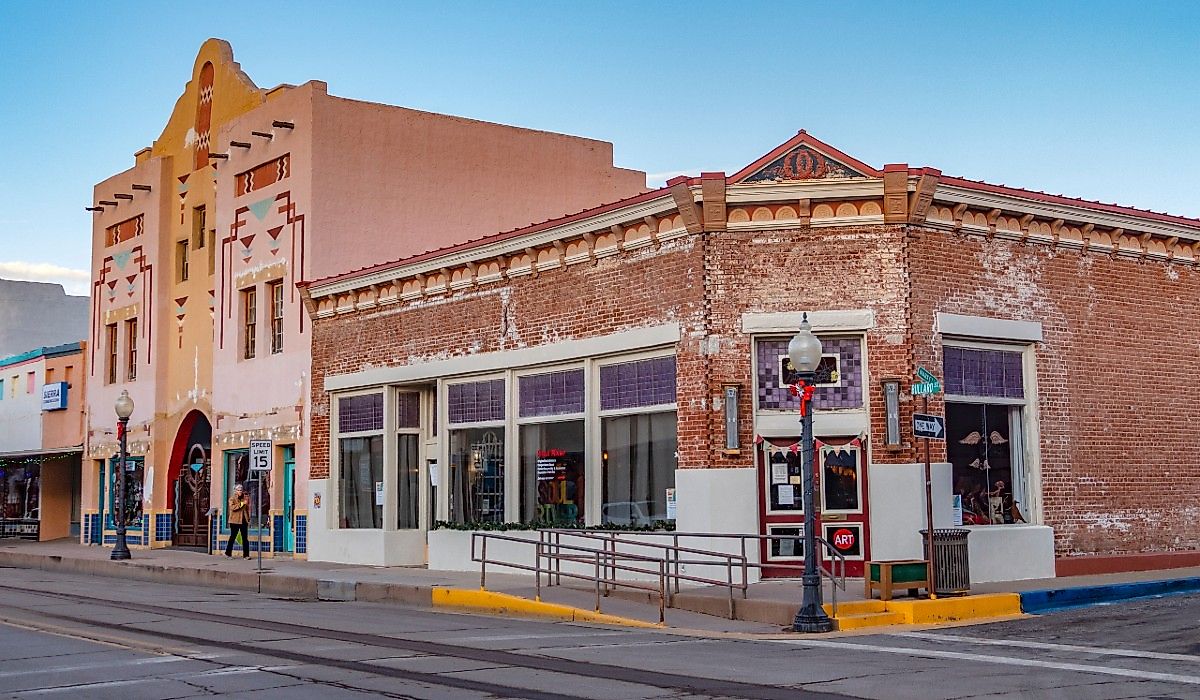
Silver City backs low prices with more than 300 days of sunshine and dry, low-humidity air. A typical home in Silver City costs about $225,000, and the cost of living runs roughly 12 percent below the national average. New Mexico taxes no Social Security and exempts several thousand dollars of other retirement income for residents over 65. Gila Regional Medical Center covers care in town, and The Haciendas of Grace Living Centers handles assisted living.
The Gila National Forest sits right at the town's edge, with trails and wildlife viewing for everyday use, and the Gila Cliff Dwellings preserve ancient homes a short drive north. Downtown, the Silver City Museum fills a large historic mansion with regional exhibits worth an afternoon.
Natchitoches, Louisiana

Natchitoches carries a French colonial character found almost nowhere else in the country, and it comes cheap: a typical home costs about $177,000. The cost of living runs around 18 percent below the national average, and Louisiana exempts Social Security and many public pensions from tax, with property tax breaks for residents over 65. Natchitoches Regional Medical Center keeps care in Natchitoches, and The Courtyard of Natchitoches is one of several assisted living communities.
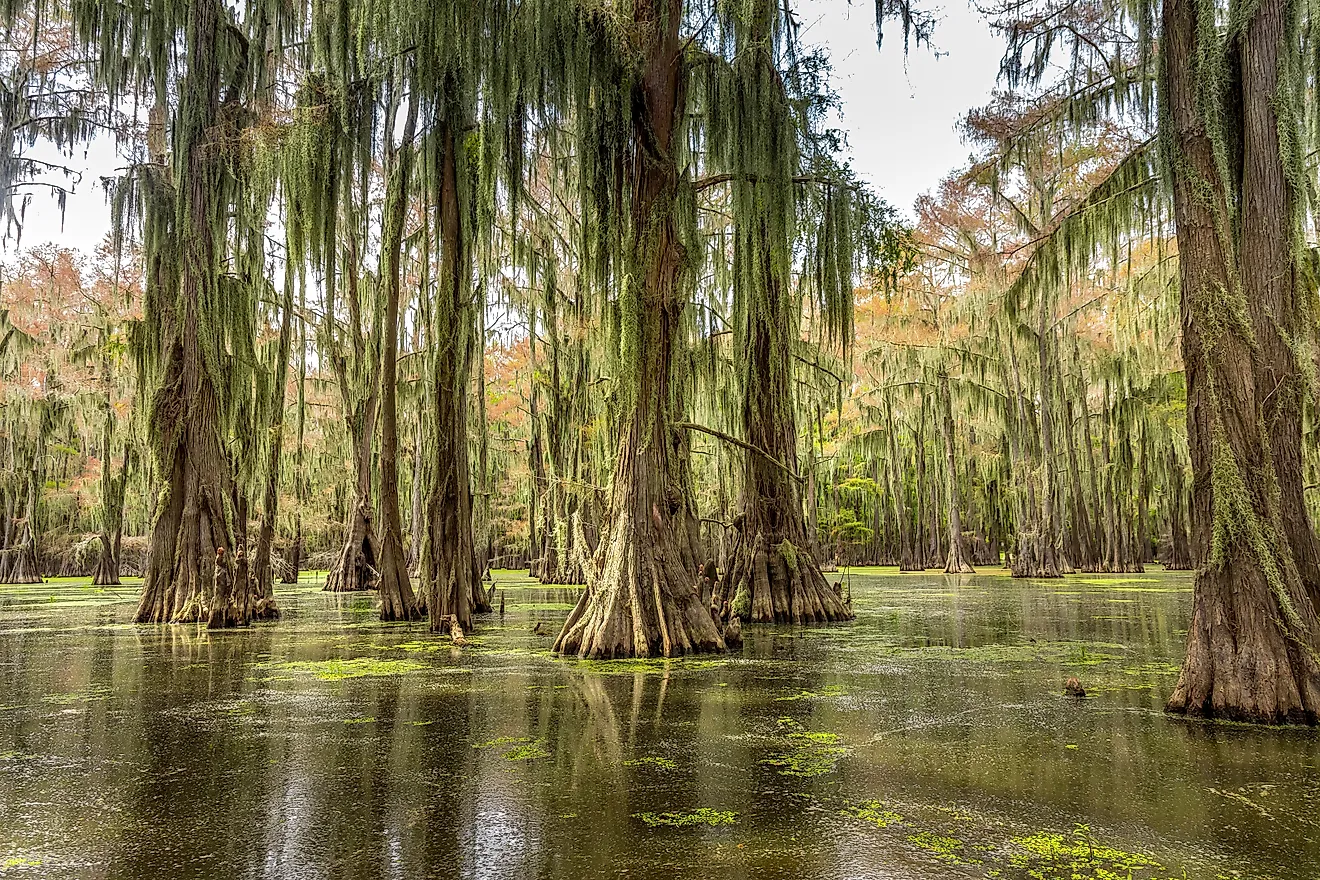
Cane River Creole National Historical Park preserves two Creole plantations with ranger-led tours, and Fort St. Jean Baptiste stages reenactments of the town's French colonial past. The Natchitoches Christmas Festival has drawn parades and fireworks to the riverfront since 1927. The Gulf Coast lies about two and a half hours south when retirees want a change of scenery.
Fort Pierce, Florida

Fort Pierce puts retirees on the Atlantic Coast without a full coastal price tag, with a typical home around $279,000. The cost of living sits a few points under the state average, and Florida charges no state income tax or inheritance tax. Buyers should weigh hurricane and flood exposure, which runs high along this stretch of coast. Lawnwood Regional Medical Center covers care in Fort Pierce, and the Lake Forest Park community handles assisted living.
Fort Pierce Inlet State Park keeps beaches and birdwatching minutes from downtown, and the Heathcote Botanical Gardens hold one of the largest tropical bonsai collections in the country. The Sunrise Theatre books concerts, touring musicals, and community events through the year.
Aiken, South Carolina

Aiken built its identity on horses, and its Thoroughbred Racing Hall of Fame still marks a training tradition that shapes the town today. A typical Aiken home costs about $247,000, and the cost of living runs roughly 11 percent below the national average. South Carolina taxes no Social Security and allows deductions up to $10,000 on other retirement income. Aiken Regional Medical Center keeps care in town, and Silver Bluff Grove Senior Living handles assisted living.
The DuPont Planetarium offers hands-on science for retirees and grandchildren alike, and Hopelands Gardens spreads 14 acres of walking paths and old trees through the center of town. Mild winters and long summers keep the outdoor calendar full most of the year.
Finding Your Own Best Value
Affordability is the thread through all eleven towns, and it shows up differently in each. Batesville and Marietta win on the sticker price of the house itself. Port Townsend earns its place through Washington's tax rules and a mild coast rather than cheap real estate. Silver City and Fort Pierce trade on climate, while Keene and Aiken lean hardest on the tax code. The right choice comes down to which part of the budget matters most, and whether the years ahead call for a theater season, a national forest, or a walk down to the water.