This Ohio Town Instantly Transports You To The Past
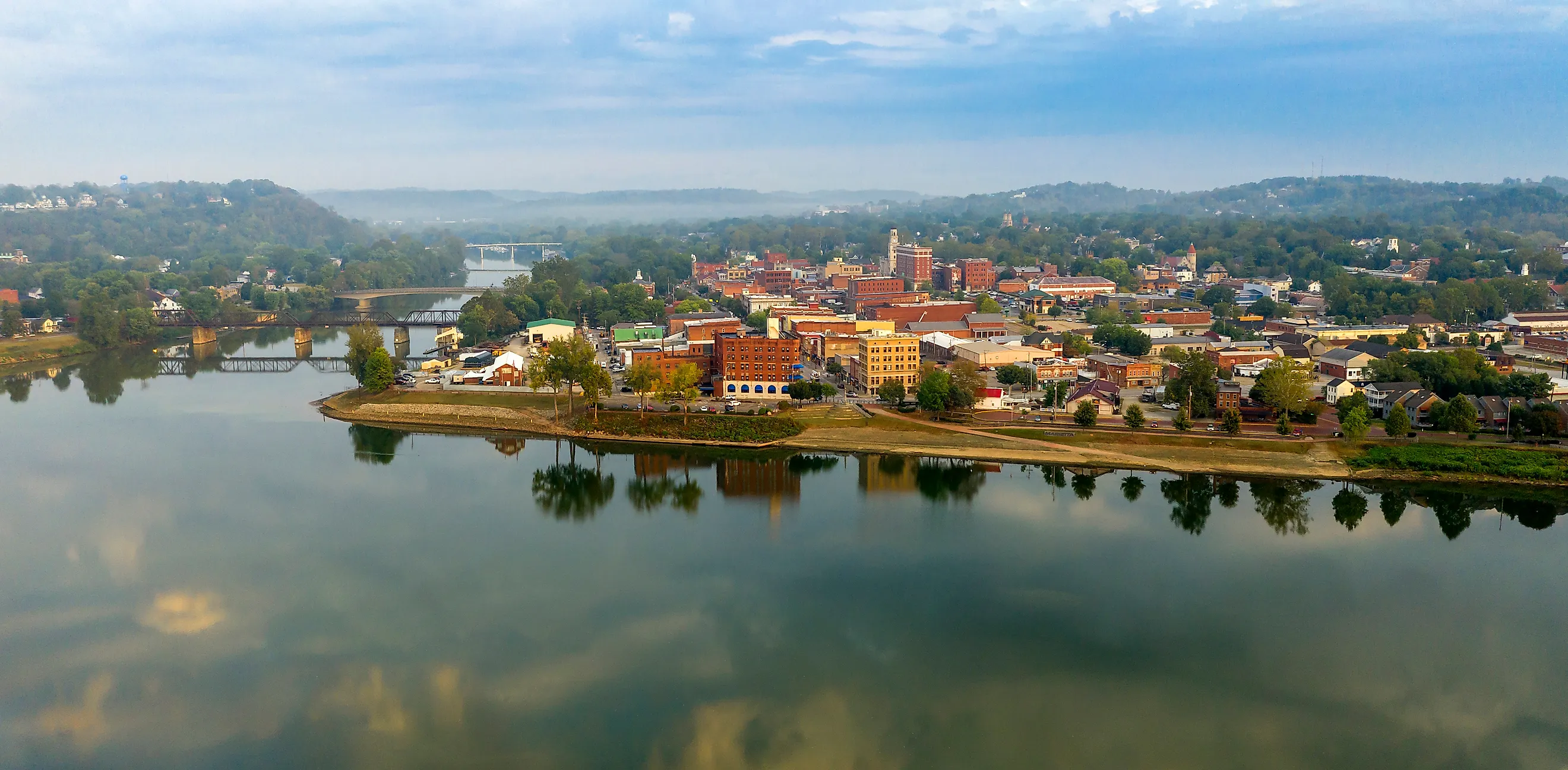
For those headed to Marietta, Ohio, prepare to experience authentic American history like few other places in the country. It is far more than the town's prominence in the riverboat industry and its active port on the Ohio River; you can see the history and the community’s significance in the well-preserved architecture and landmarks. Founded in 1788 as the first permanent settlement in the Northwest Territory, Marietta has made significant efforts to preserve its historical relevance. Every time you step onto a brick-lined street, it’s like the past is right there with you. Storefronts, restaurants, monuments—they all have stories to tell about pioneers, riverboat legends, and veterans from the Revolutionary War. After exploring Marietta, if you're looking to continue your exploration of Ohio, the city of Granville and the village of Zoar are two other areas with much to offer regarding Ohio's past.
The Launch of the American Frontier

Marietta claims to be the birthplace of the American frontier because it was the first permanent US settlement established in the Northwest Territory. To truly understand why this town matters, you need to look back to 1788, when General Rufus Putnam and forty-eight men landed at the meeting of the Ohio and Muskingum Rivers. This was far more than finding a convenient and fortuitous trading position; they were setting the stage for expansion towards the American West. They named the settlement for Queen Marie Antoinette of France, a nod to her support during the American Revolution. Marietta became the first organized settlement in what would grow into Ohio, Indiana, Illinois, Michigan, and Wisconsin. The pioneers established Campus Martius, a fortified compound featuring four sturdy blockhouses. Initially, this was a site intended to protect the colony from violent encounters with Native American tribes as more settlers arrived. The name, Latin for “Field of Mars,” references the site's purpose as a military training ground.

Marietta’s ties to the Revolution run deeper than just about anywhere else in the country. Mound Cemetery might be one of the best examples of this. Founded in 1801, it is home to more Revolutionary War officers than any other cemetery in America. Walking the grounds, you are surrounded by patriots who played prominent roles in establishing independence from the British, alongside the ancient mounds of the Adena and Hopewell cultures that existed centuries before the arrival of settlers.
Shopping Amid Marietta’s History

Downtown, history isn’t just something to read about; you actually shop and eat right in the middle of it. Front Street has a characteristic charm you just don’t see in big-box stores. Wit and Whimzy, for instance, sits in a historic building and showcases work from more than 150 artisans, offering everything from hand-printed shirts to jewelry. JustAJar Design Press, a little further along, keeps the old ways alive with vintage printing presses and typesetters' cabinets, handcrafting posters the same way printers did when Marietta was a wild frontier outpost.
If you’re hungry, the Gun Room Restaurant in the Lafayette Hotel is pure time travel. The walls are lined with long rifles from the 1700s and 1800s, boat telegraphs, and other riverboat relics. You can eat breakfast feeling like you’re on an old paddle-wheeler cruising the Ohio. Cross the bridge into Harmar Village, and you can find one of the area’s most famous places for pasta and pizza, Spagna's Italian Restaurant. Here, the food is classic, the wine list is long, and the desserts are memorable.
The Lafayette Hotel

This iconic landmark is hard to miss, sitting right at Greene and Front with that unmistakable triangular footprint. Built in 1918, it sits on the ashes of the old Bellevue Hotel, which burned down in 1916. The Lafayette gets its name from the Marquis de Lafayette, who visited Marietta in 1825; there’s even a plaque marking where he came ashore. The entire place is a love letter to the riverboat era, with architecture and interiors that evoke the days of paddlewheelers and elegant travel.
Inside the hotel, the entire aesthetic seems dedicated to the rich riverboat history of the area. Think antique-style furniture, nautical touches, and rooms that look out over the Ohio and Muskingum, which are the same rivers that powered the trade here for generations. Over the years, the Lafayette has hosted governors, generals, and plenty of folks chasing a bit of history. If you really want the whole Marietta experience, plan to stay a night or two.
The Castle and Ancient Earthworks

If you are looking for Gothic Revival architecture right on Fourth Street, check out The Castle. This gem dates back to 1855-1856, and it’s just one big display of one-upmanship: fourteen rooms, complete original furnishings, and then this proclamation of excess in the form of a staircase with hand-carved wood. Walk through this place on a guided tour, and you can easily picture The Castle as a haven for Marietta’s elite social climbers throwing wild bashes or closing major business deals.
However, Marietta's history dates much further back than the Victorian era. The Marietta Earthworks, the massive prehistoric earthworks constructed by the Adena and Hopewell cultures, date back thousands of years. Ninety-five acres of the earthworks still exist, including the Conus Mound, which the Adena constructed around 800 B.C. to 100 A.D., and the massive square enclosure of the Hopewell culture from 100 B.C. to 500 A.D.
Other Ohio Towns Where History Lives

Marietta isn’t the only spot in Ohio where history feels real and close enough to touch. If you’re looking for more towns where the past is part of the present, a couple of other places deserve a visit.
Granville, right in central Ohio, feels like New England in the Midwest. Settled in 1805 by folks from Massachusetts, the town’s Greek Revival and Federal-style buildings line the streets, making it feel a lot like one of the small towns you’d encounter in Connecticut or Vermont. The Buxton Inn has been welcoming travelers since 1812, and Broadway Street is packed with brick buildings and independent shops. It has that same timeless vibe that makes Marietta special.
Zoar isn’t just a historic site; it is more like walking straight into the 1800s. This village, founded in 1817 by German religious separatists, was one of the most successful communal societies in America for over 80 years. You can wander through original buildings like the 1835 Number One House or grab a meal at the Canal Tavern of Zoar, which has stood since 1831.
A Town That Has Not Forgotten, and You Will Not Forget
Marietta isn’t just interested in showcasing its history behind glass at one of its multiple cultural centers, like the Ohio River Museum or the Campus Martius Museum. This place lives it. You’ll see ancient earthworks that go back long before Europeans ever showed up, Revolutionary War graves tucked away in Mound Cemetery, and the Lafayette Hotel still brings a bit of riverboat glam to town. In a world where everything feels the same, Marietta keeps things grounded in its rich heritage. The city proves that you don’t have to choose between preserving history and enjoying the present. Here, the two mix together.