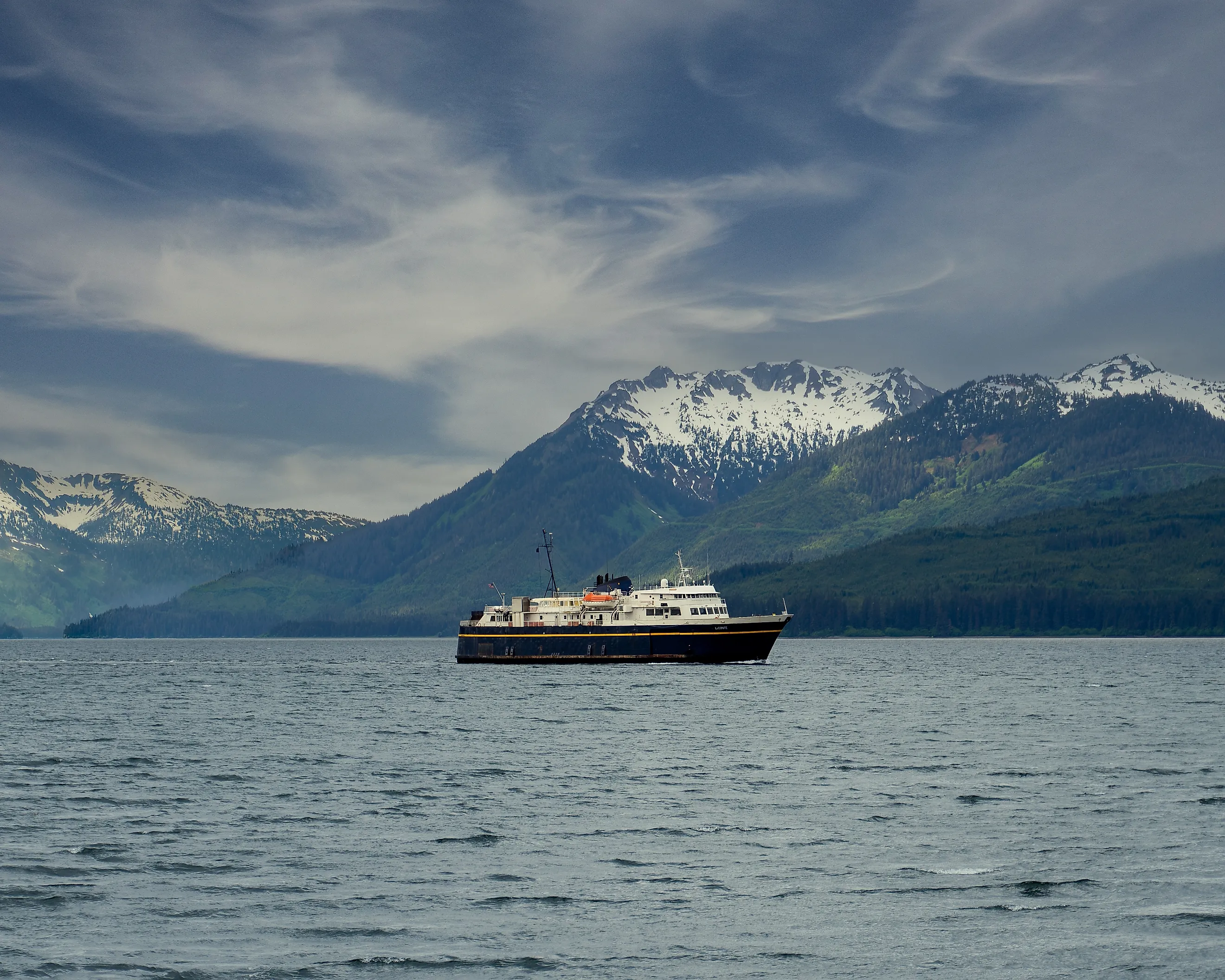
The Longest Ferry Ride In The United States
The longest ferry ride in the US is operated by the Alaska Marine Highway System. It covers about 1,083 miles between Bellingham in Washington and Skagway in Alaska. That's longer than a crossing of the Gulf of Mexico. This isn't a normal quick ferry ride from mainland to an island, because it's more like a voyage. As you travel past mountains, remote towns, and fjords into wilderness that goes on forever, it feels like the sea has become the highway.
The Long Route

The Alaska Marine Highway System has run state ferry service since 1963, and its ships have sailed between Bellingham, Washington, and Skagway, Alaska, since Bellingham became the southern terminal in 1989. The entire network covers over 3,500 miles of coastal waterways, while the Bellingham-to-Skagway route covers about 1,083 miles.
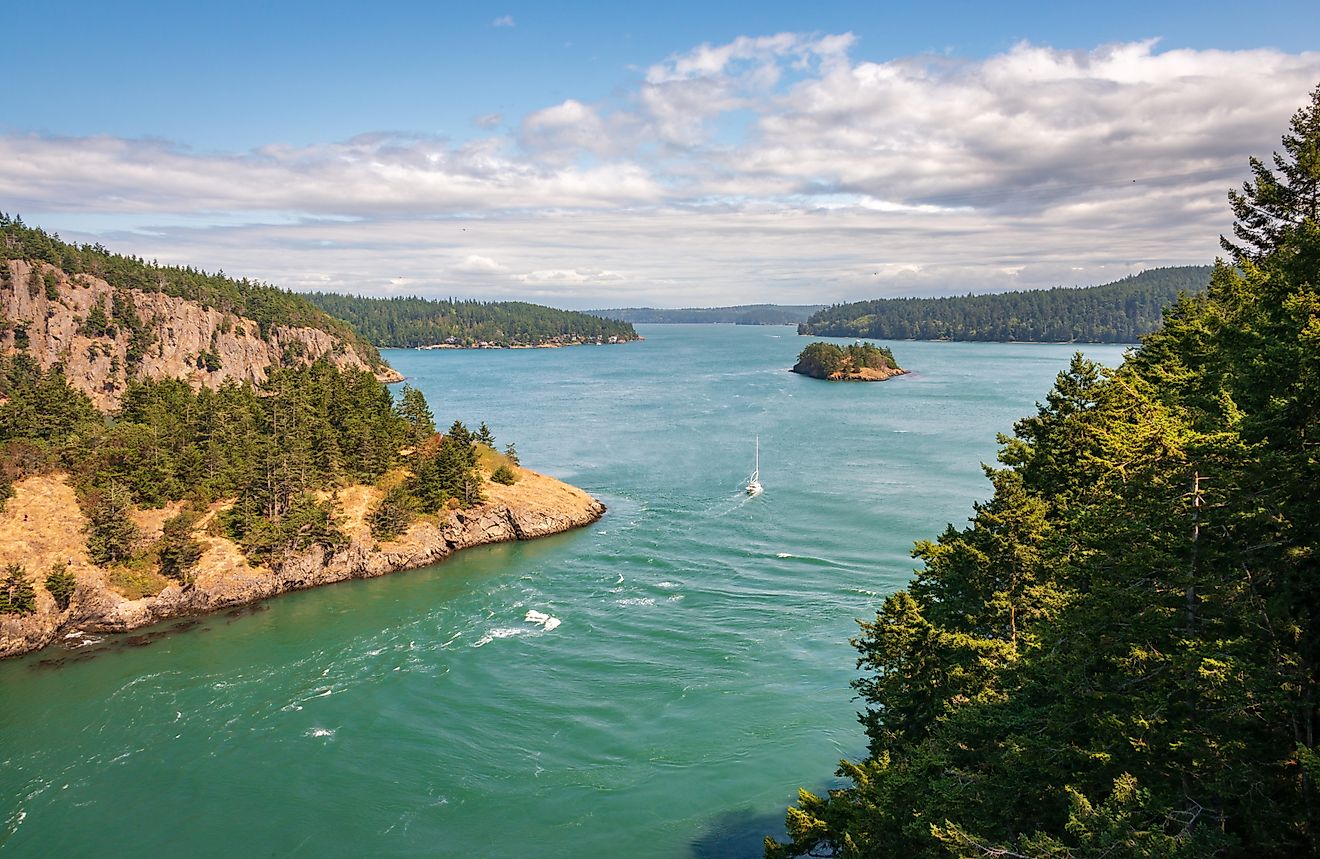
The full journey takes several days, with travel time depending on the itinerary and port calls. During the long trip, travelers can book private cabins, sit in lounge chairs, or camp out in designated solarium and deck areas. The ride typically includes several stops between Bellingham and Skagway, with boats navigating narrow channels and offering views of forests, mountainous shorelines, deep fjords, and remote communities accessible only by sea. It's a convenient alternative to driving through Canada when traveling between Alaska and the lower 48 states.
The History Behind The Ferry

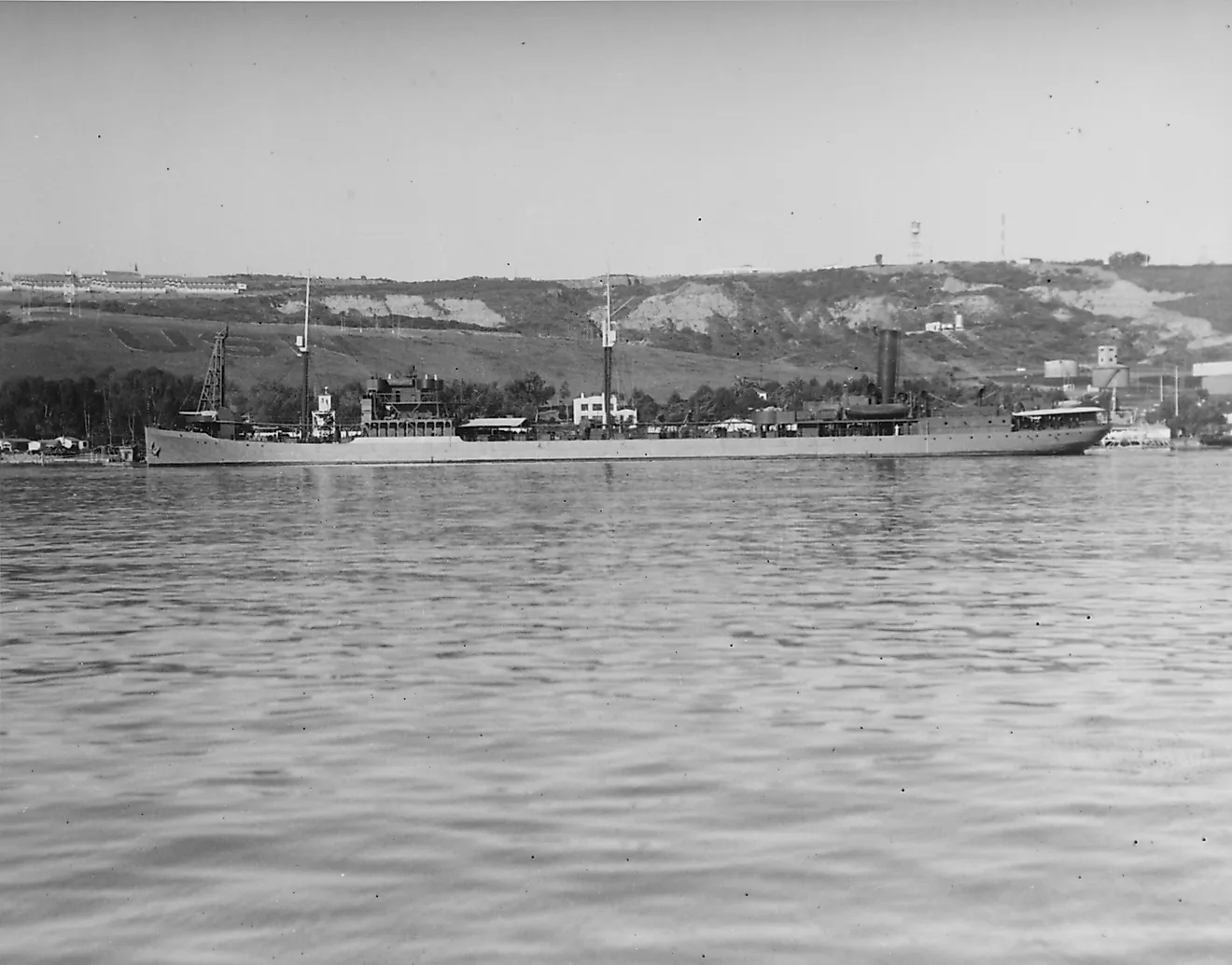
The story starts in 1948 when two residents of Haines, Alaska, recognized that the coastal communities needed a dependable travel path between towns. Steve Homer and Ray Gelotte established a private ferry operation using a converted military landing craft called the MV Chilkoot. The private operation began carrying passengers, cars, and freight between the towns of Juneau, Skagway, and Haines. The idea solved a major transportation problem, especially at a time when very few roads connected the towns.
In 1951, Alaska's territorial government purchased the business after recognizing its importance and the need for more routes. A few years after Alaska officially became a state, the Alaska Marine Highway System was established, building on the former ferry operation. Because of Alaska's challenging geography, it became a necessary form of transportation, replacing long detours to Canada and reaching island communities completely separated by water.
A Lifeline For Remote Communities

As mentioned previously, the Alaska Marine Highway System primarily connects towns without road access. Places like Juneau depend on marine and air transport to connect to other parts of the state. The State of Alaska operates the system and serves more than 30 communities, functioning as a public transportation network rather than solely a sightseeing service. It's used daily by work commuters, for medical appointments, and by visitors, as well as to transport vehicles and commercial goods needed to support the economy.
Its routes cover thousands of miles of coastal waterways, and passengers can drive their cars, trucks, or RVs right onto the ferry. While air travel is a good alternative that many coastal towns rely on, it can't transport vehicles or the larger quantities of goods that need moving every day.
National Scenic Byway And Recognitions

The Alaska Marine Highway is designated as a National Scenic Byway and an All-American Road by the Federal Highway Administration, the only marine route in the US with that recognition. The Marine Highway reveals a unique mix of essential and natural features along a massive 3,500-mile coastal route. The destinations showcase the surrounding organic beauty like fjords, forested mountains, icebergs, and active volcanoes, as well as chances to see marine life like whales and seabirds.
The ferry also connects Alaska's Indigenous cultures and historical sites, including Tlingit villages, Russian colonial sites such as the Baranov Museum in Kodiak, and Gold Rush towns like Skagway. It's an extended journey that explains how certain people have adapted to life along such a rugged northern coastline.
Not Just A Long Ferry Ride
The Alaska Marine Highway System started off small out of necessity but grew into a huge statewide transportation network. Today, it's responsible for carrying residents, visitors, vehicles, and freight along the coast where roads can't reach. For many, the journey is significant not just as a long ferry ride but as a link between important Alaskan and Canadian communities.