What Changes Now That The Colorado River Agreements Have Expired
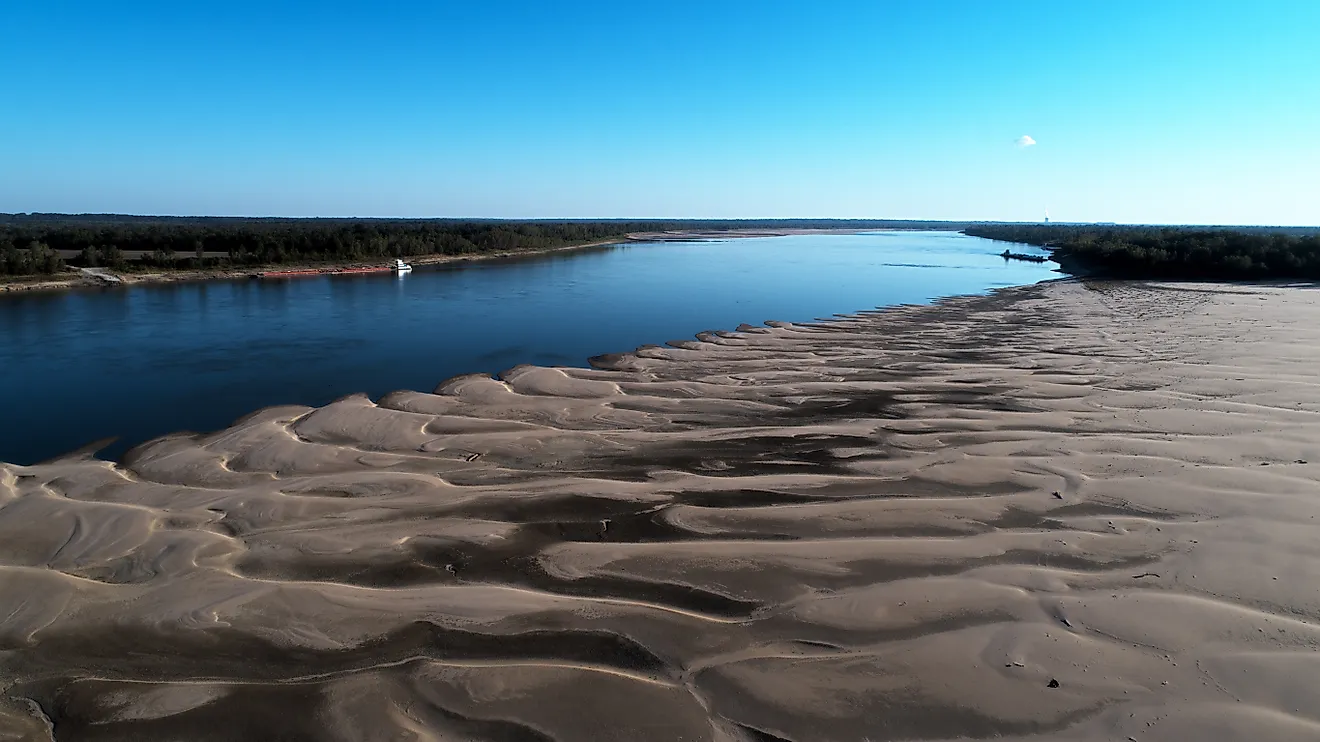
For nearly two decades, a stack of agreements most Americans have never heard of has quietly decided how the Colorado River, and the water for some 40 million people, gets divided up. As of the end of 2026, those agreements are expiring. The seven states that share the river spent years trying to write a replacement and failed, so the federal government has stepped in to decide for them. Here is what actually changes.
What Just Expired
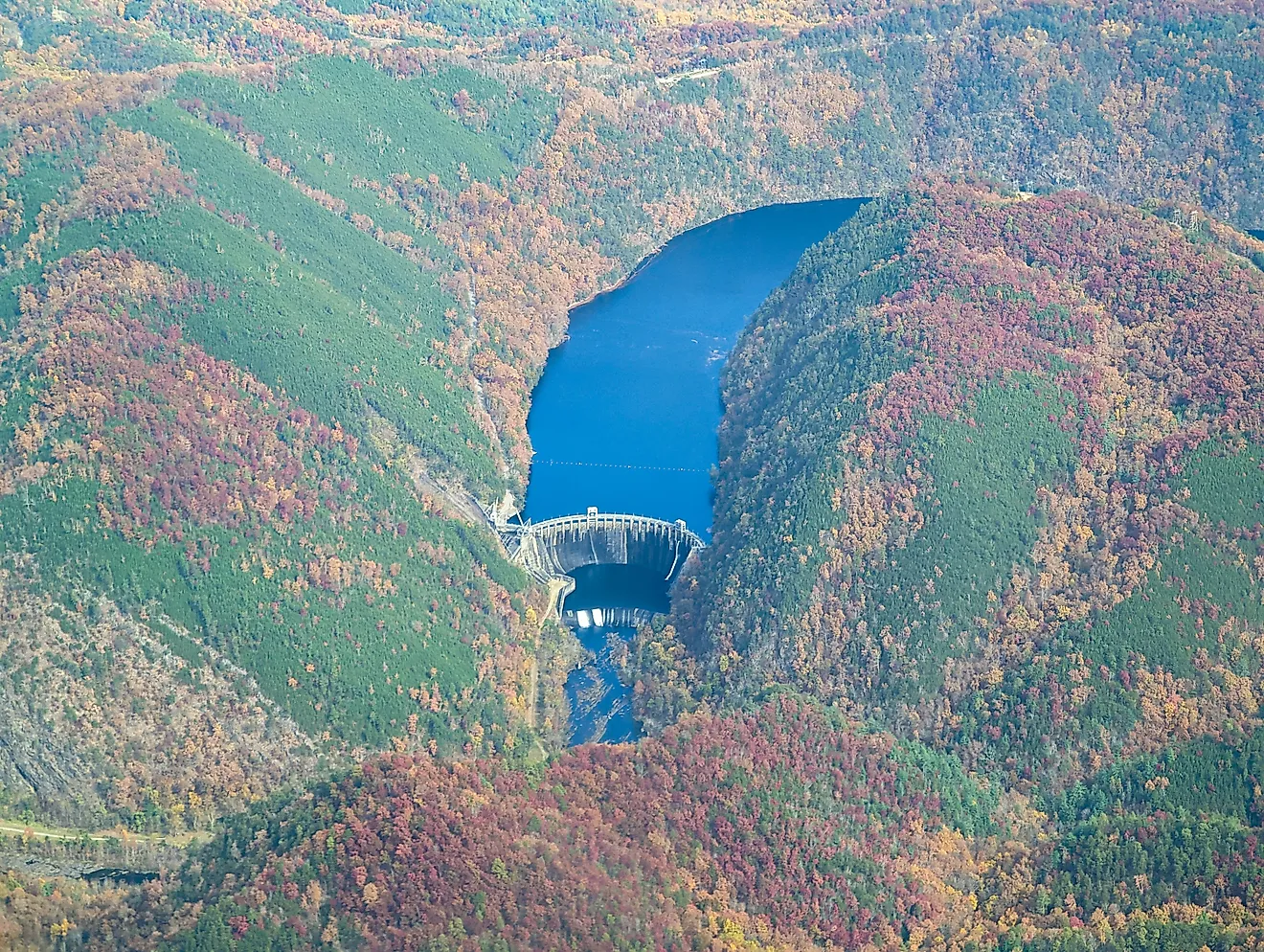
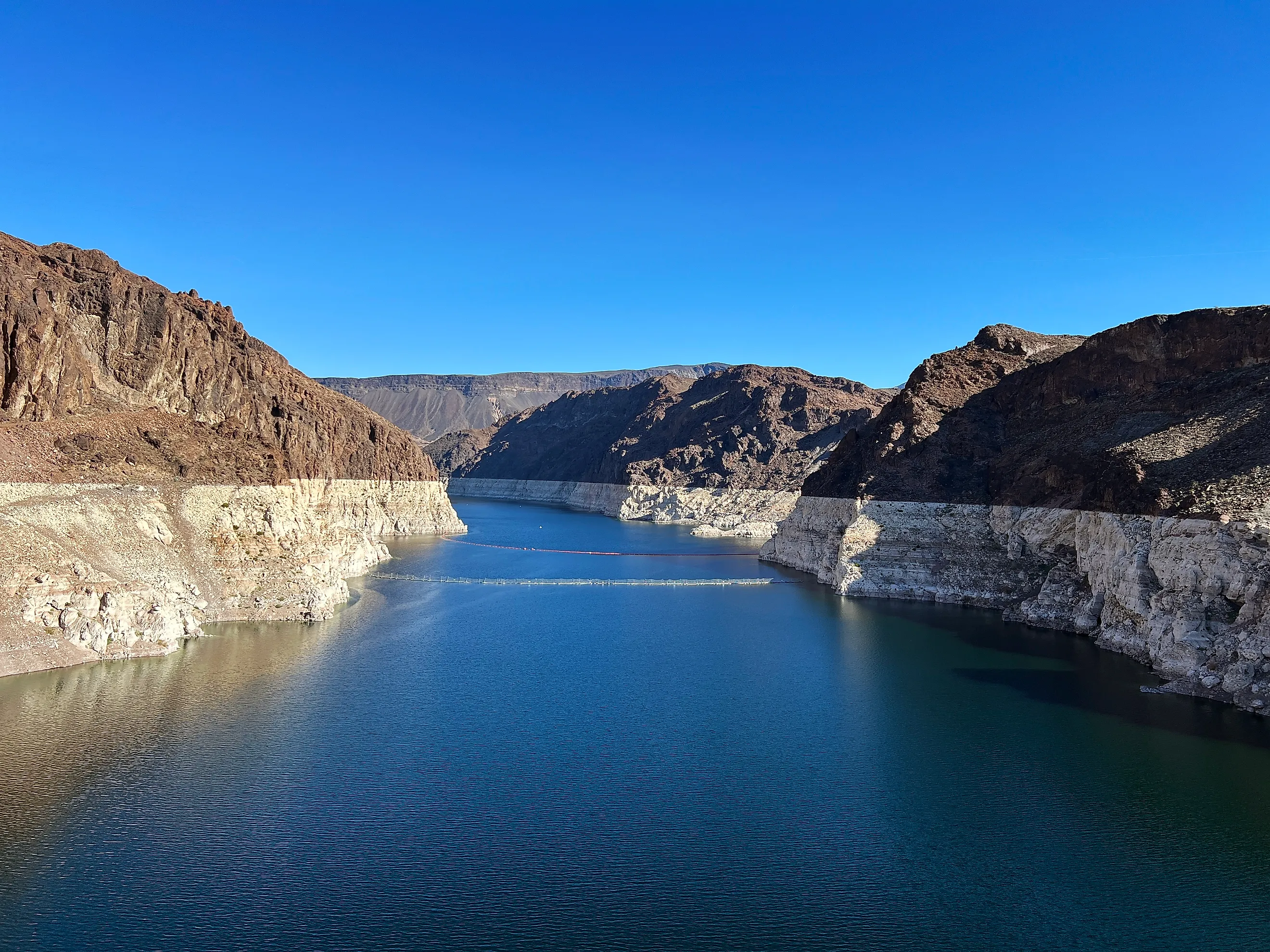
Three big agreements are running out all at once. The 2007 Interim Guidelines spelled out how Lake Mead and Lake Powell are operated together and how water shortages get shared among the Lower Basin states. The 2019 Drought Contingency Plans layered on extra emergency cutbacks. And Minute 323, a deal with Mexico, set how our southern neighbor shares both the water and the pain. All three were written to last roughly 20 years, and all three expire at the end of 2026. Together, they were the entire rulebook for one very overworked river.
The States Couldn't Agree
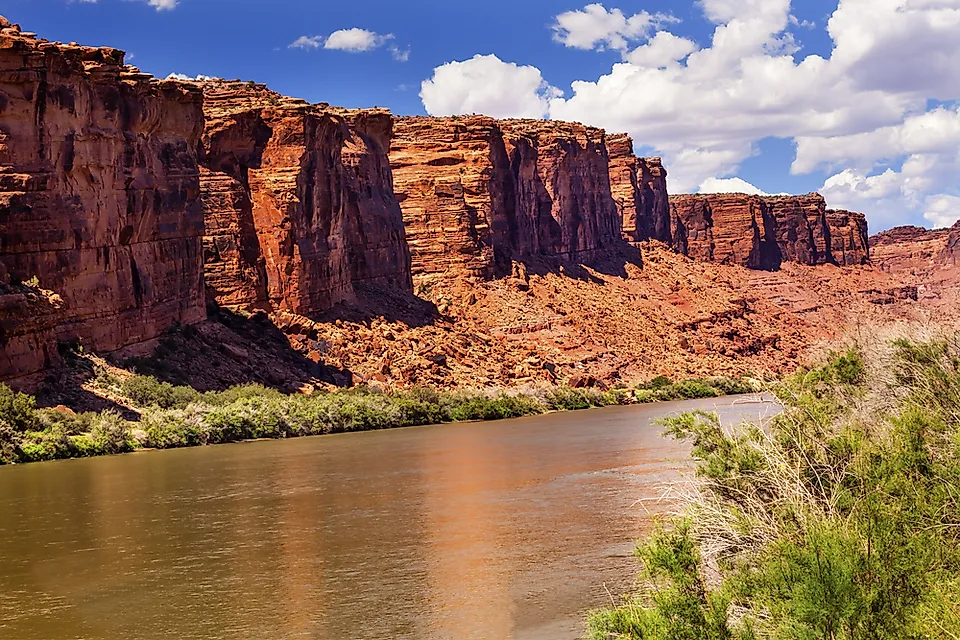
Replacing that rulebook was supposed to be a seven-state job. For more than two years, the Upper Basin states (Colorado, New Mexico, Utah, and Wyoming) and the Lower Basin states (Arizona, California, and Nevada) negotiated, and for more than two years they deadlocked. They sailed right past a federal deadline in February 2026 with no deal in hand. The core fight was brutally simple: who absorbs the cuts on a river that no longer has enough water to go around? For the first time in the modern era of Colorado River management, the states simply could not reach a consensus.
So Washington Stepped In

With no agreement on the table, the federal government did exactly what it had warned it would: it wrote the rules itself. In August 2026, the Bureau of Reclamation finalized a new plan, issuing operating guidelines for 2027 and 2028 and laying out a broader 10-year framework running through 2036, to be adjusted in two-year increments. Crucially, this is a federally imposed approach rather than the negotiated, consensus-based system that has governed the river for the better part of a century. That distinction matters far more than it might sound.
Who Takes the Cuts
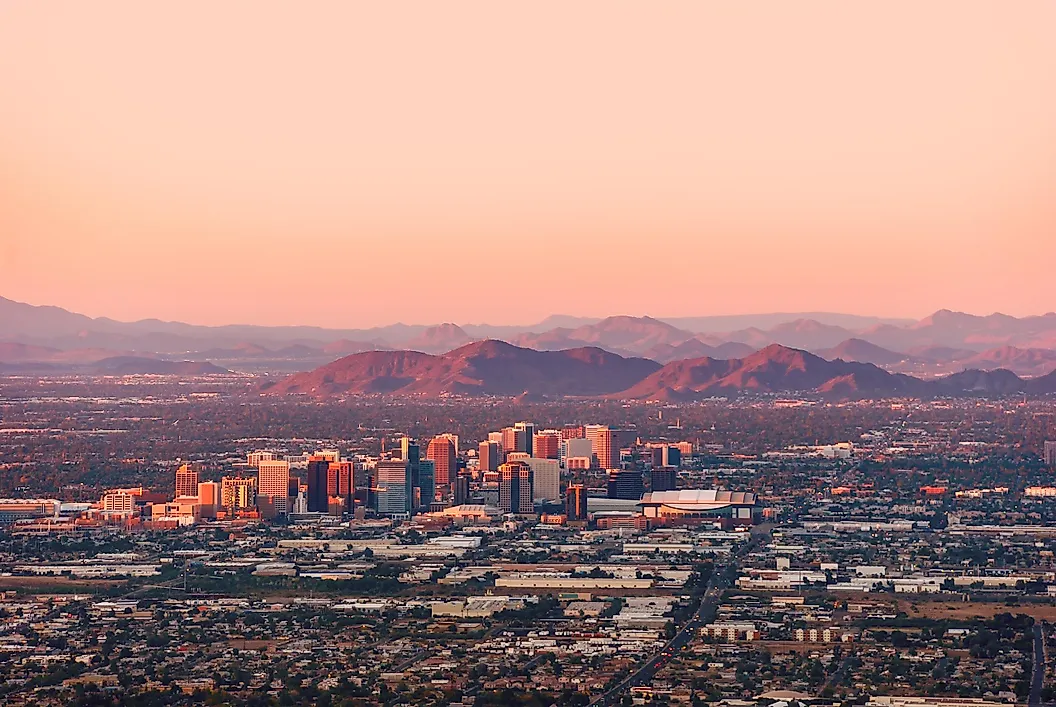
Here is the headline change. The new framework places mandatory water cuts squarely on the Lower Basin states, Arizona, California, and Nevada, while the Upper Basin faces no mandatory reductions at all. And within the Lower Basin, Arizona sits right at the front of the cut line, because much of its supply, including the enormous Central Arizona Project canal that feeds Phoenix and Tucson, holds the lowest-priority rights on the entire river. When the water runs short, Arizona feels it first, and feels it hardest.
A Legal Fight Is Brewing

That lopsided outcome, deep cuts for the Lower Basin and none required of the Upper, is already drawing legal fire. The whole system rests on a century-old tangle of compacts, court rulings, and treaties collectively known as the "Law of the River," and a federally dictated plan that lacks seven-state buy-in invites lawsuits over whether Washington can even impose it. On top of that, the agreement with Mexico needs replacing too, so a brand-new Minute will have to be hammered out across the border. In short, the new framework is less a tidy resolution than an uneasy, contested stopgap.
What It Means on the Ground
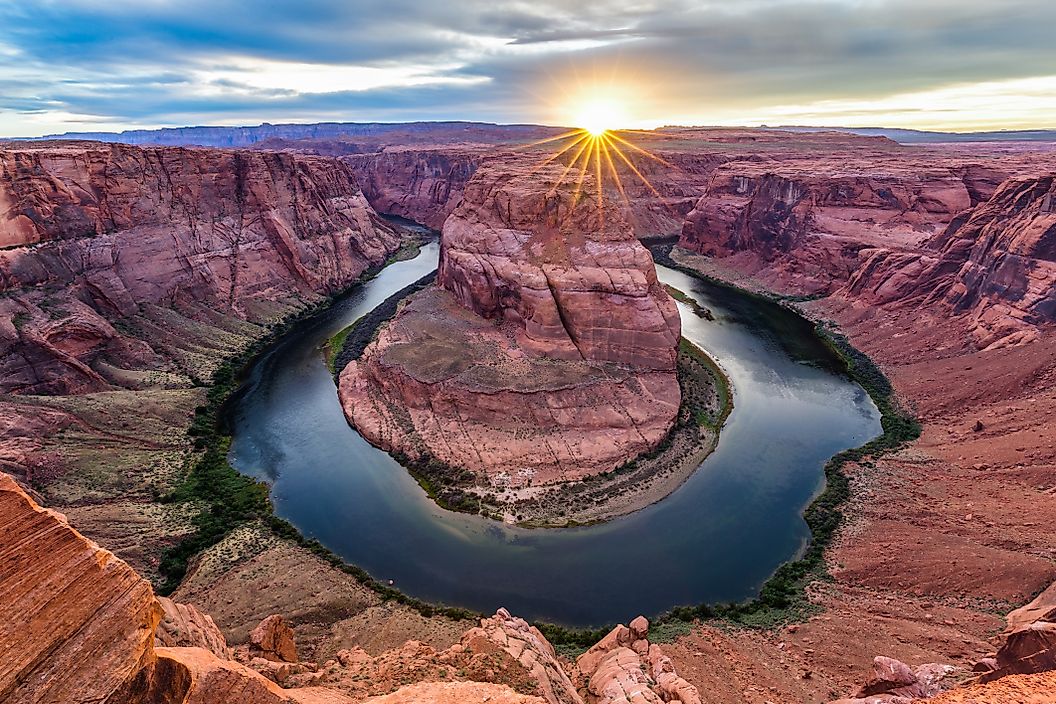
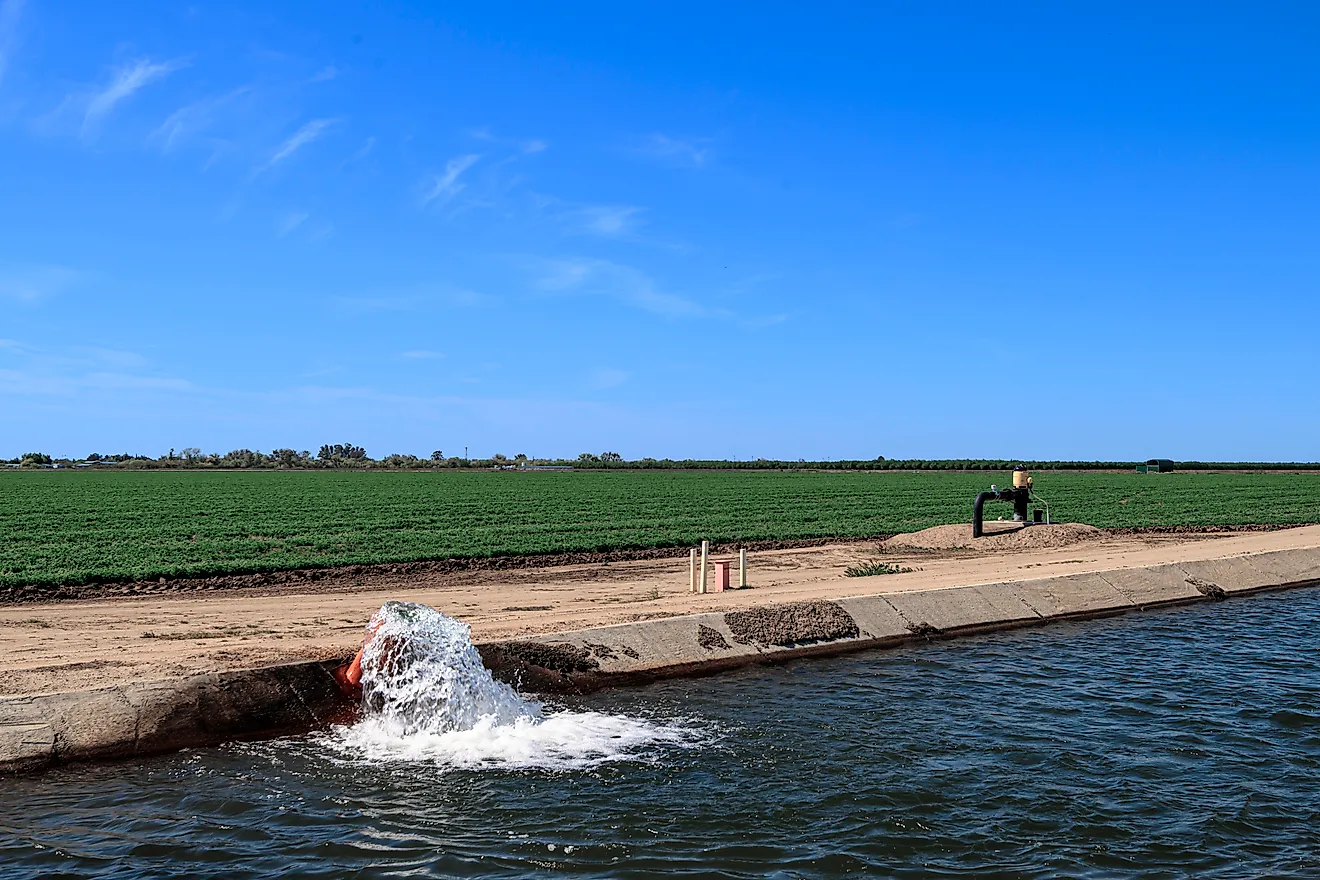
For the roughly 40 million people who drink, farm, and build with Colorado River water, the practical upshot is straightforward: there will be less of it, and stricter rules on how it is used. Cuts flow down to farms and cities, conservation requirements keep tightening (Nevada and California, for instance, are banning decorative lawns at businesses), and the pressure to save every last drop only climbs. None of it fixes the underlying problem, that the river was promised to more people than it can possibly supply and is steadily shrinking as the West dries out. The expiring agreements bought the basin two decades. The new ones are mostly buying it time.