The American Rivers That Change Color
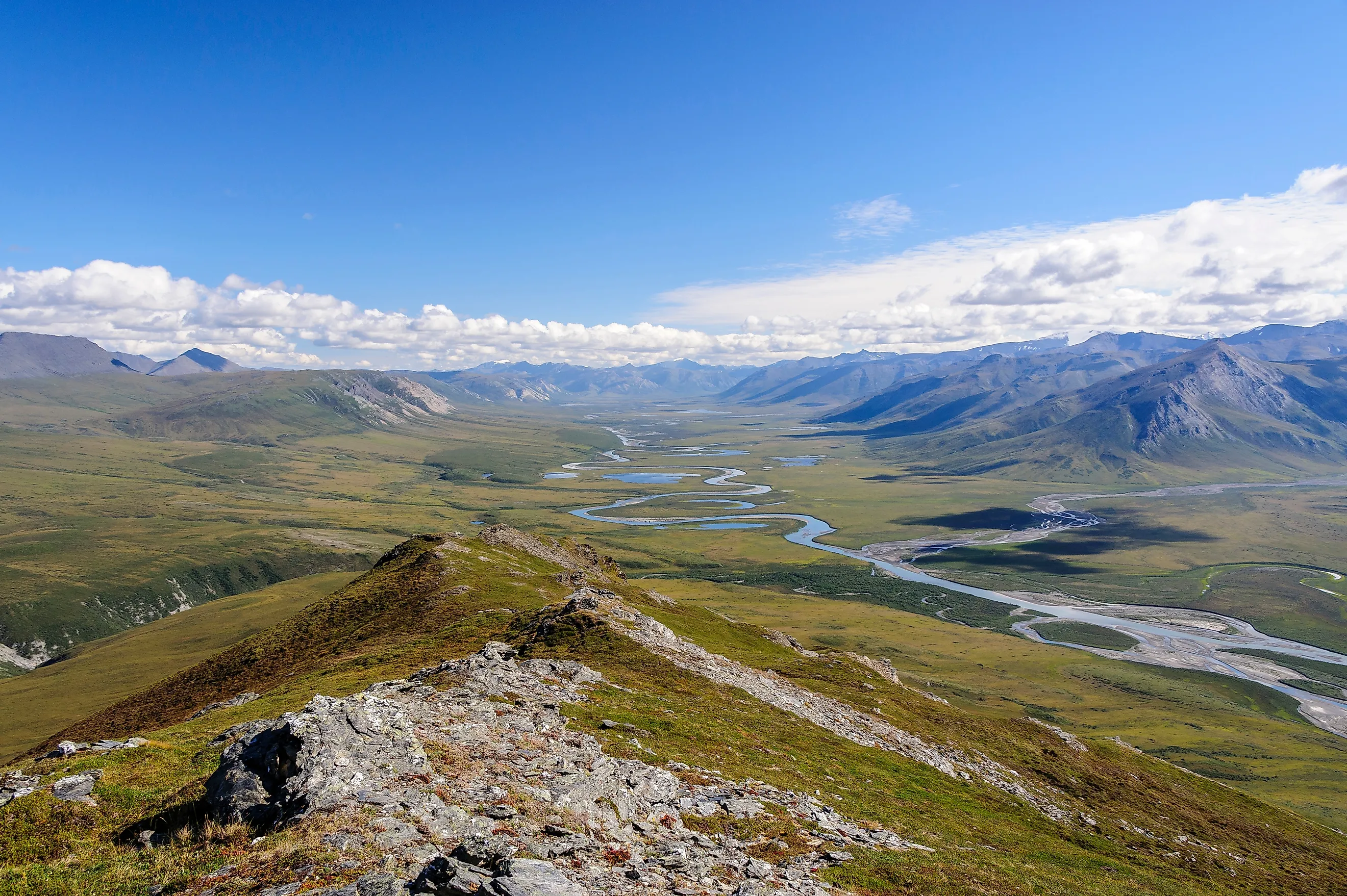
In 2024 researchers published a count of 75 streams in Alaska's Brooks Range that had turned from clear to orange, most of them within the previous decade. NOAA's 2025 Arctic Report Card raised the figure to more than 200 watersheds. The water in some of them registers a pH of 2.6, which is roughly lemon juice, in rivers that were drinkable fifteen years ago and sit hundreds of miles from the nearest mine. American rivers change color for several different reasons. Some are seasonal and harmless, some are geological and ancient, and one of them is brand new.
Alaska's Rivers Are Rusting

The mechanism is unusually clean for an environmental story, which is part of why it attracted so much attention. Arctic permafrost has kept pyrite-bearing bedrock frozen and sealed from oxygen for thousands of years. As the ground thaws, water and air reach that rock for the first time, the iron sulfides weather, and the iron oxidizes. The river rusts, in the ordinary chemical sense of the word.
Jon O'Donnell of the National Park Service described flying over the Brooks Range and noticing more and more orange water, with some sites looking like milky orange juice. The staining is strong enough to be identified from satellites, which is how researchers dated the changes.
It Looks Exactly Like Mine Drainage
The most telling detail comes from a researcher who recognized the pattern immediately. Brett Poulin of UC Davis had taught a class in the Colorado Rockies about acid mine drainage, where abandoned workings discolor streams. His observation about the Alaskan rivers was that the same sequence of changes in water chemistry was appearing, but far from any mine source.
The water carries iron, nickel, zinc, cadmium, copper and aluminum, with dissolved metal levels in some rivers approaching those of industrial wastewater. The iron is what produces the color. The rest is what makes it a problem.
And It Is Not Only Alaska
The same chemistry has been turning up wherever frozen ground is thawing. Researchers have documented the orange tint in western Canada just across the border from the Brooks Range, in permafrost pockets in Colorado, in mountain ponds in the European Alps, and downstream of melting glaciers in Peru.
Alaska Natives have reported occasional orange streams around the Brooks Range for years, though never in the numbers now appearing. Fish are disappearing from affected reaches, and the Salmon River's metal concentrations have reached levels toxic to aquatic life.
Travertine Turns The Little Colorado Blue

The most dramatic color change in the American Southwest runs the other way, from muddy to spectacular, and it depends entirely on flow.
Through most of the year the Little Colorado carries runoff and sediment and looks like any desert river, which is to say brown. When the upstream flow drops away, the river becomes dominated by spring water loaded with dissolved calcium carbonate, and the suspended mineral scatters light into a vivid turquoise.

The same chemistry produces the celebrated color of Havasu Creek downstream, where travertine deposits and mineral-rich spring water create pools that look artificially blue in photographs and genuinely are that color in person.
Tannins Make Rivers Black

Across the Southeast there is an entire category of river named for its color, and the cause is plant chemistry rather than mineral.
Blackwater rivers drain swamps and bottomland forest where decaying leaves and bark release tannins into slow-moving water. The result ranges from strong tea to near-black, and in shallow light the water often reads as a deep translucent amber rather than genuinely dark.

The Suwannee is the best-known example, draining the Okefenokee Swamp. These rivers are naturally acidic and nutrient-poor, and the color is a sign of a functioning system rather than a damaged one.
Glacial Flour Makes Them Milky
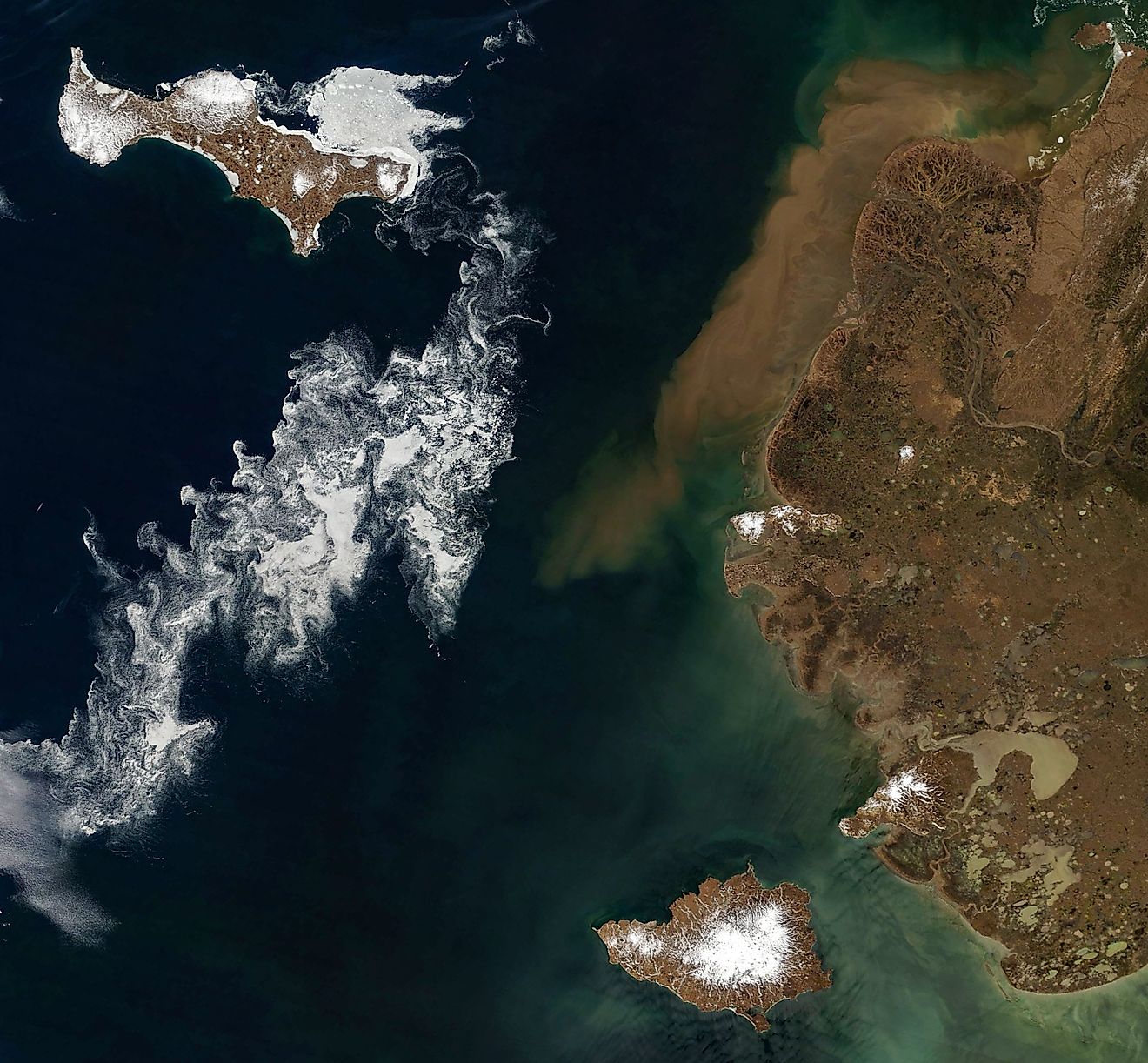
Rivers fed by glaciers change color on a seasonal schedule, and the material responsible is rock rather than chemistry. Glaciers grind bedrock into particles fine enough to stay suspended indefinitely, known as rock flour. That suspension scatters light toward the blue and green end of the spectrum, producing the opaque turquoise of glacier-fed rivers and lakes across Alaska and the northern Rockies.
The intensity tracks the melt season. These rivers run clearer in winter when the glacier is frozen and milkiest in high summer when melt is strongest, which is the reverse of what most rivers do.
Sediment Explains Most Of The Rest
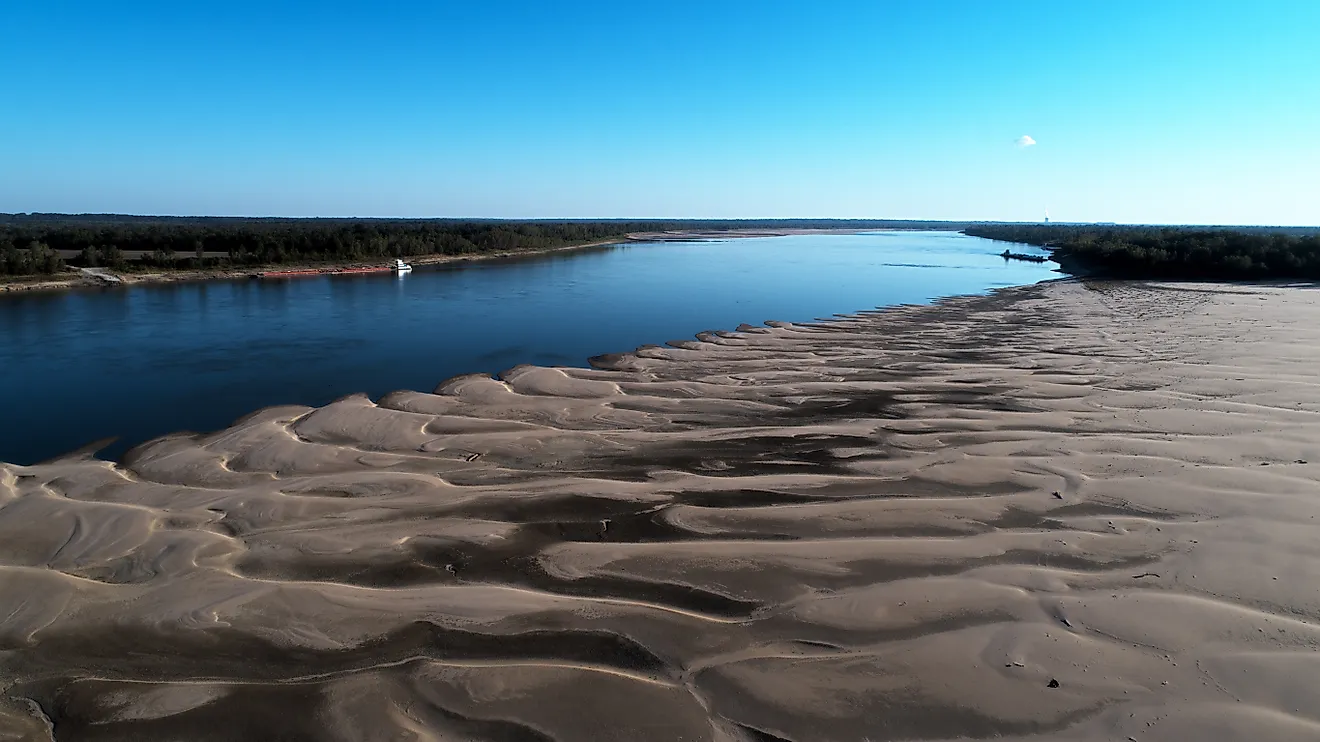
Before reaching for anything exotic, the ordinary explanation covers most color change in American rivers. Rivers run brown after rain because they are carrying soil. The Red River of the South is red because it cuts through red Permian clay. The Mississippi's color is the Midwest's topsoil in transit. These changes happen within hours of a storm and reverse within days.
The useful distinction is duration. Sediment color is a weather event. A river that has been a different color for five years is telling you something about its chemistry.
Algae Turn Them Green
The green category is biological, increasingly common, and the one with direct public health consequences. Nutrient runoff, mostly agricultural fertilizer, feeds blooms of algae and cyanobacteria in slow or impounded water. In warm months these can turn a river or reservoir vivid green, sometimes with surface scum resembling spilled paint.
Some cyanobacteria blooms produce toxins dangerous to people, livestock and dogs, which is why health departments close water bodies on color alone during summer. A green river in August is worth taking seriously in a way a brown one is not.
Mine Drainage Is The Orange Precedent
Long before Alaska, America already had orange rivers, and they came from mining. Acid mine drainage occurs when water contacts sulfide minerals exposed by mining, producing acidic water loaded with dissolved iron that precipitates out as orange sludge. The Appalachian coalfields and the Colorado mineral belt both carry streams running this color continuously.
Research has documented increases in sulfate, zinc and copper across 22 Colorado mountain streams over the past thirty years. The chemistry is identical to the Alaskan rivers. Only the trigger is different, and in Colorado's case the trigger is also partly thawing ground.
Why The Alaskan Case Is Different
Every other entry on this list is ancient, seasonal, or the result of something somebody built.

Travertine has been coloring the Little Colorado for as long as the springs have run. Tannins have darkened the Suwannee since the swamp existed. Glacial flour is as old as the glaciers. Mine drainage has a start date but also a cause anybody can point to.
The Brooks Range rivers changed within the last decade, in some of the most remote country in North America, with no mine, no farm and no settlement upstream. That is why the finding landed the way it did.
The Short Version

American rivers change color from suspended sediment after rain, dissolved tannins in southeastern swamps, glacial rock flour in summer meltwater, calcium carbonate in desert springs, algal blooms in warm nutrient-rich water, and iron released by mining.
The newest entry is iron released by thawing permafrost, which has turned more than 200 Arctic watersheds orange in about a decade and dropped some of them to a pH of 2.6. A river changing color is usually a normal process. Occasionally it is the landscape reporting something that has only just started.