The Largest Aquariums In The United States
The Association of Zoos and Aquariums accredits 229 zoos, aquariums, and related facilities across 47 states and the District of Columbia, and the largest aquariums in the country measure in millions of gallons. The seven aquariums below are ranked in descending order by total water capacity, as published by each institution. The Abbott Oceanarium at Shedd Aquarium in Chicago houses beluga whales, sea lions, and sea otters. Adventure Aquarium in Camden, New Jersey, is home to Button and Genny, two Nile hippopotamuses you can watch underwater in their 60,000-gallon pool. At OdySea Aquarium in Scottsdale, Arizona, the rotating OdySea Voyager theater offers a changing series of underwater views. Read on to see how these major aquariums compare and what sets them apart.
Georgia Aquarium, Atlanta, Georgia

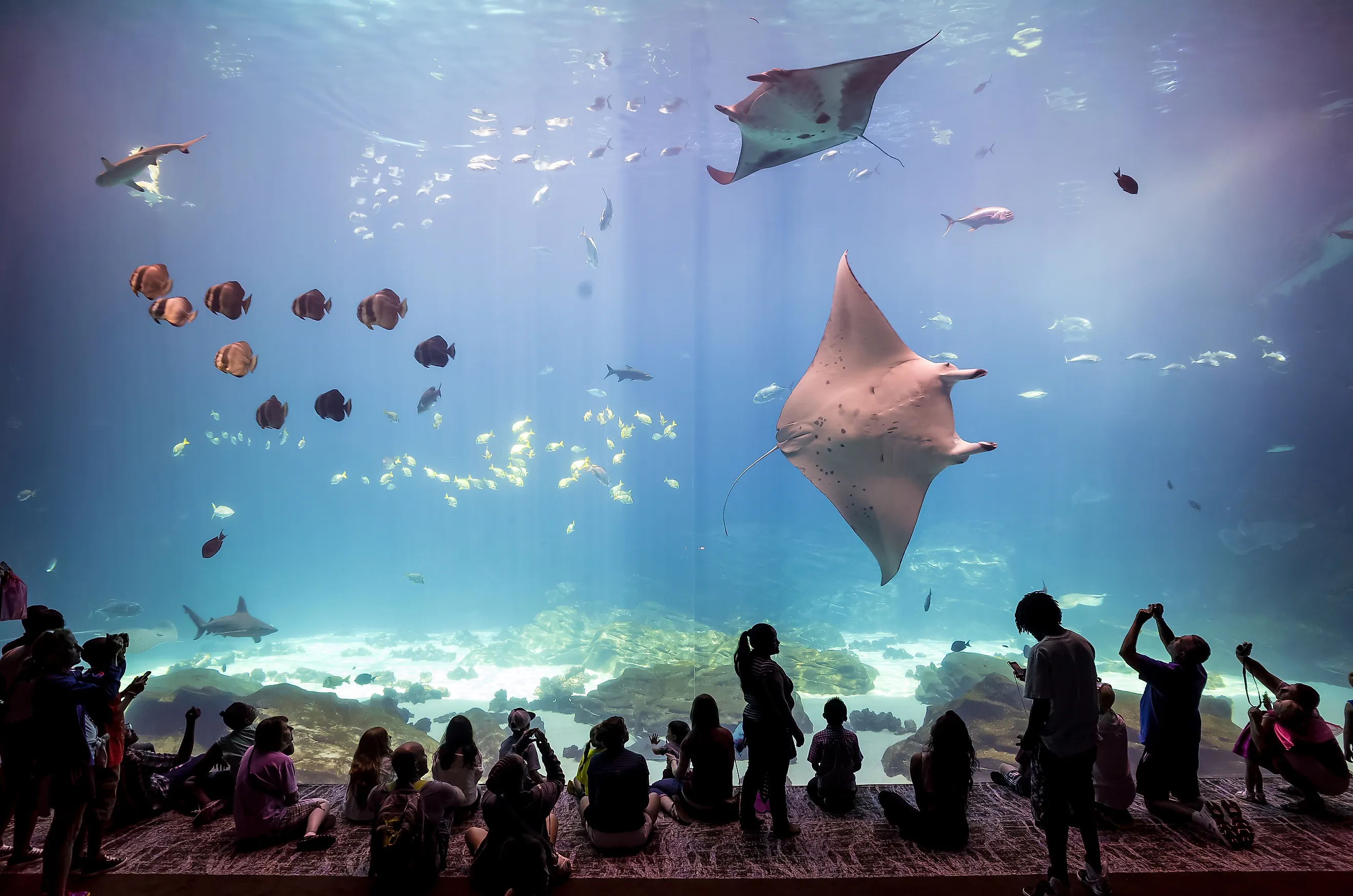
Georgia Aquarium in downtown Atlanta is the largest aquarium in the United States by reported total water capacity, with more than 11 million gallons. Its exhibits support thousands of aquatic animals across tropical oceans and colder marine regions. The centerpiece, Ocean Voyager, is a 6.3-million-gallon habitat for whale sharks, the largest living fish species, as well as manta rays and other marine species. Visitors view the animals through a 100-foot underwater tunnel and a large viewing window/ Other major exhibits include Cold Water Quest, which features animals from cooler marine environments, and Explorers Cove, which offers interactive educational experiences. The aquarium also participates in marine conservation research, including studies of sharks and rays.
SeaBase Aquarium at EPCOT, Bay Lake, Florida

Located inside EPCOT at Walt Disney World Resort, SeaBase Aquarium features a 5.7-million-gallon saltwater habitat, one of the largest publicly accessible aquariums in the United States. Its artificial reef houses thousands of aquatic animals, including sharks, rays, sea turtles, and reef fish, which guests can watch through underwater viewing windows. SeaBase sits within The Seas with Nemo & Friends pavilion, which also has a separate ride inspired by Disney and Pixar's Finding Nemo. Visitors can watch scheduled animal feedings and training sessions. Disney also offers EPCOT Seas Adventures - DiveQuest, an additional-cost experience for qualified scuba divers who want to enter the aquarium habitat.
Shedd Aquarium, Chicago, Illinois

Opened in 1930 beside Lake Michigan in Chicago, Shedd Aquarium holds approximately 5 million gallons of freshwater and saltwater. Its collection includes thousands of animals from marine and freshwater environments, and its major exhibits include Amazon Rising, Wild Reef, and the Abbott Oceanarium. Amazon Rising explores habitats of the Amazon River Basin, with animals such as anacondas and caiman lizards. Wild Reef focuses on coral reef ecosystems and their inhabitants, including sharks and other tropical marine animals. The Abbott Oceanarium houses marine mammals, including beluga whales, sea lions, and sea otters. The aquarium also has interactive exhibits for younger visitors and supports conservation and research programs for aquatic species.
National Aquarium, Baltimore, Maryland

The National Aquarium at Baltimore's Inner Harbor holds approximately 2.4 million gallons of water across its exhibits and supporting systems. The aquarium recreates environments from around the world, including tropical reefs, river ecosystems, and coastal waters. Its exhibits include Blacktip Reef, Atlantic Coral Reef, Dolphin Discovery, and Australia: Wild Extremes. Dolphin Discovery is home to Atlantic bottlenose dolphins, and the Caribbean-inspired Atlantic Coral Reef holds fish such as surgeonfish and green moray eels. Australia: Wild Extremes recreates a river gorge in Australia's Northern Territory, with aquatic animals, reptiles, and birds. Its 50,000-gallon environment includes Australian lungfish and Johnston's crocodiles.
Monterey Bay Aquarium, California

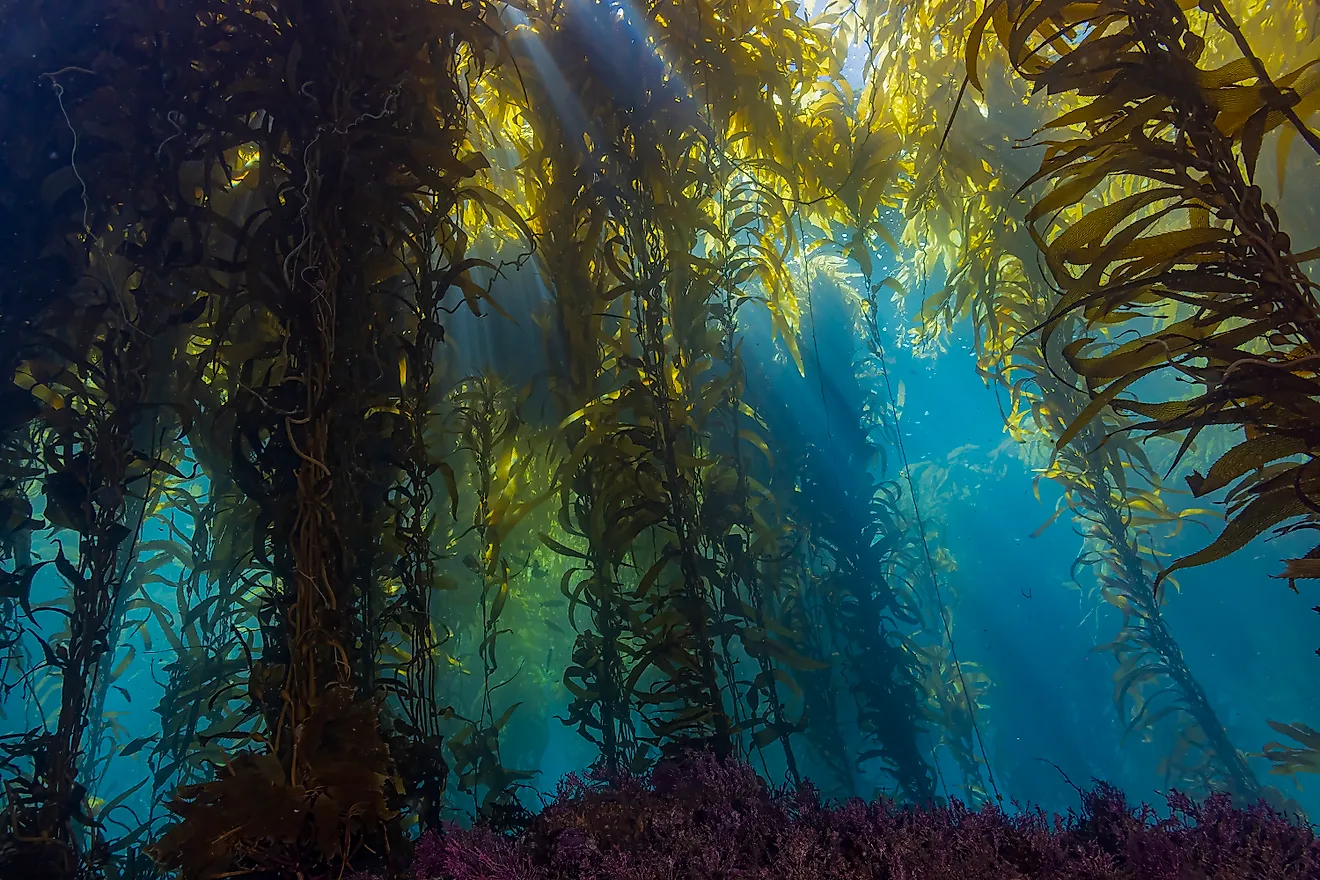
Located on Monterey's Cannery Row overlooking the Pacific Ocean, Monterey Bay Aquarium focuses on California's marine ecosystems. A technical paper presented in 2008 documented more than 2.3 million gallons of exhibit water. Its major habitats include the 1.2-million-gallon Open Sea, the 343,000-gallon Kelp Forest, and the 312,000-gallon Monterey Bay Habitats exhibit. The aquarium houses more than 86,000 animals and plants representing 618 species.
The 28-foot-tall Kelp Forest recreates a coastal underwater environment with leopard sharks and wolf eels, and the Into the Deep exhibition displays creatures found far below the ocean's surface. The Open Sea shows schools of fish and larger ocean predators moving through open water. The aquarium is also known for its sea otter rehabilitation and conservation work, as well as its research into marine ecosystems.
Adventure Aquarium, Camden, New Jersey

Adventure Aquarium sits on the Camden waterfront across the Delaware River from Philadelphia and holds approximately 2 million gallons of water. Its largest exhibit, Ocean Realm, holds more than 760,000 gallons of water and over 400 animals, including sharks, stingrays, and sea turtles, all visible through two large viewing windows. Shark Realm contains 550,000 gallons and more than 200 animals, including sandbar, sand tiger, and nurse sharks. Guests can walk through its 40-foot Shark Tunnel or cross Shark Bridge above the habitat.
Little Blue Beach is home to little blue penguins, the world's smallest penguin species. Hippo Haven is home to Button and Genny, two Nile hippopotamuses that, according to the aquarium, are the only Nile hippos on display at any aquarium worldwide. Their 60,000-gallon pool lets guests watch them underwater.
OdySea Aquarium, Scottsdale, Arizona

OdySea Aquarium is one of the largest aquariums in the American Southwest, holding approximately 1.5 million gallons of water. According to a February 2026 statement from the aquarium, its collection includes more than 80 exhibits covering freshwater habitats and coral reefs, featuring animals such as sharks, sea turtles, stingrays, and African penguins.
Its attractions include OdySea Voyager, a rotating theater that offers visitors changing underwater views without having to walk between exhibits. Penguin Point is home to African penguins, while Jellyfish Alley showcases jellyfish in illuminated displays. Guests can also visit touch pools or try SeaTREK, an underwater helmet-diving activity that lets participants explore a marine habitat without scuba certification.
Why Aquarium Size Matters
Large aquariums depend on filtration, water-quality monitoring, and animal-care systems to keep their habitats suitable for the animals inside. Georgia Aquarium and EPCOT's SeaBase hold the largest marine habitats on this list, while Monterey Bay Aquarium and Shedd Aquarium cover a broad range of aquatic ecosystems. Water capacity is a useful comparison, but it cannot measure conservation achievements or animal welfare on its own. Across the seven aquariums featured here, visitors can see aquatic species from around the world and learn about the habitats they depend on.