5 Snake-Filled Waters In Ohio
Ohio boasts over 5,000 lakes, ponds, and reservoirs, as well as more than 25,000 miles of streams and rivers. It also boasts ~25 species of snakes. Like humans, snakes utilize bodies of water for hydration, food, habitat, and travel. Some of those Ohio oases, ranging from a seal-approved river to a formerly flammable channel to a genuinely great lake, are especially snaky. Learn about five Ohio waterways that snake with snakes.
Scioto River

The Scioto River is the longest river that is entirely within Ohio. It begins in a farmer's field near the Auglaize-Hardin county line and flows south for more than 231 miles into the Ohio River. Besides being a natural wonder, it is also a cultural wonder, appearing on the Great Seal of the State of Ohio and providing locals with potable water (after filtration) and aquatic recreation. But, while drinking and swimming and fishing and paddling and boating along the Scioto, humans must coexist with snakes.

The snake you will most likely find swimming in the Scioto, and in virtually all Ohio water bodies, is the common water snake (Nerodia sipedon), whose Ohio-based subspecies is called the northern water snake (Nerodia sipedon sipedon). It is especially abundant around Columbus, through which the Scioto and its tributary, the Olentangy River, flow.
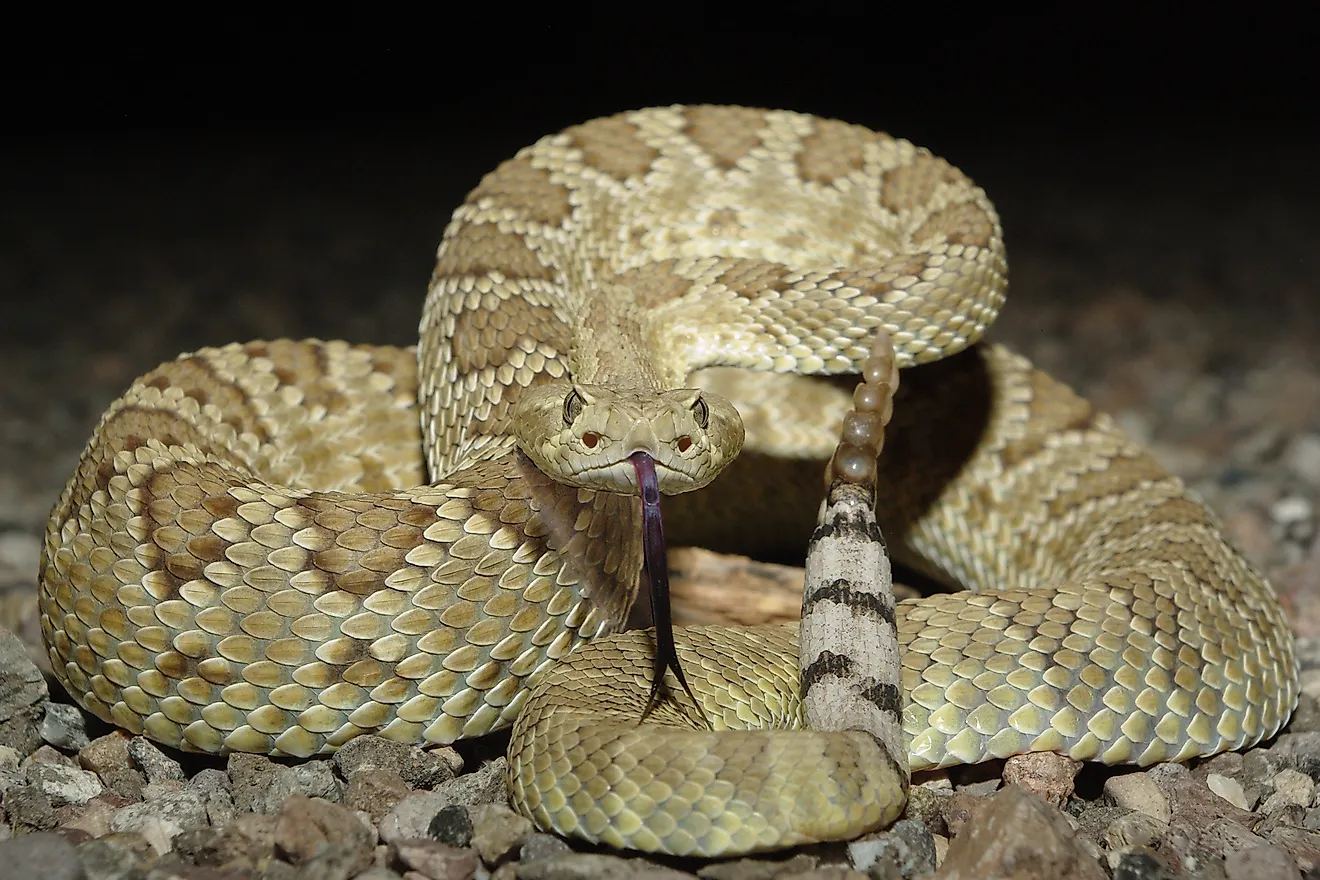
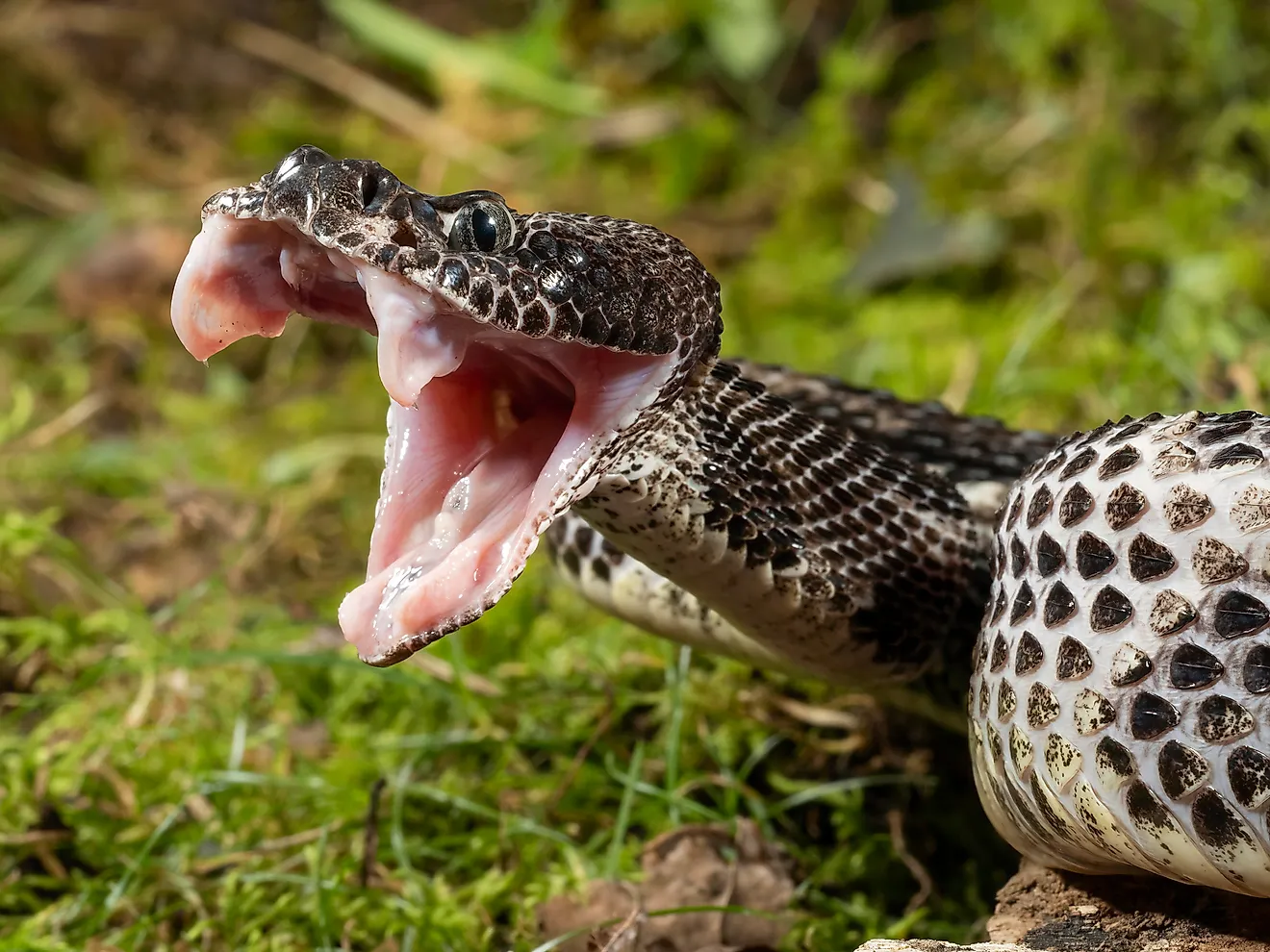
Snakes that are not strictly aquatic but still swim in the Scioto include the queen snake (Regina septemvittata) and common garter snake (Thamnophis sirtalis). Snakes that are almost exclusively terrestrial but are still nourished by the river include the eastern copperhead (Agkistrodon contortrix) and timber rattlesnake (Crotalus horridus). Such species, comprising two out of only three venomous snakes in Ohio, skirt the Lower Scioto from the Chillicothe area to the Ohio River junction.
Big Darby Creek

Big Darby Creek, while technically a tributary of the Scioto River, is distinct enough for its own entry. Running from the Scioto to the Champaign-Union county line, the 80-some-mile creek was designated a state scenic river in 1984 and a national scenic river in 1994. This was done to help preserve Big Darby's biological diversity, which is so remarkable for such a modest waterway that even the Columbus Zoo and Aquarium honored its fauna.

Gray Ratsnake (Pantherophis spiloides)
Aside from ~86 species of fish and ~41 species of mollusks (many of which are endangered), Big Darby hosts several species of snakes. They include the aforementioned common water snake, common garter snake, and queen snake, as well as larger serpents like the grey rat snake (Pantherophis spiloides). Big Darby snakes are often spotted in the Columbus area, particularly around Prairie Oaks Metro Park and Battelle Darby Creek Metro Park. In fact, the latter park made a grey rat snake named Twitchy its longtime ambassador. It passed away in 2025 after a nearly 33-year reign.
Cuyahoga River

Once so polluted that it routinely caught on fire, the Cuyahoga River is considered a monumental success story of the environmental movement. Benefiting from this multi-decade cleanup are the animals (including humans) that live in or around the river. A significant portion of those, comprising 11 species, are snakes. There are few spots along the Cuyahoga's 85-mile, U-shaped course that snakes do not touch.

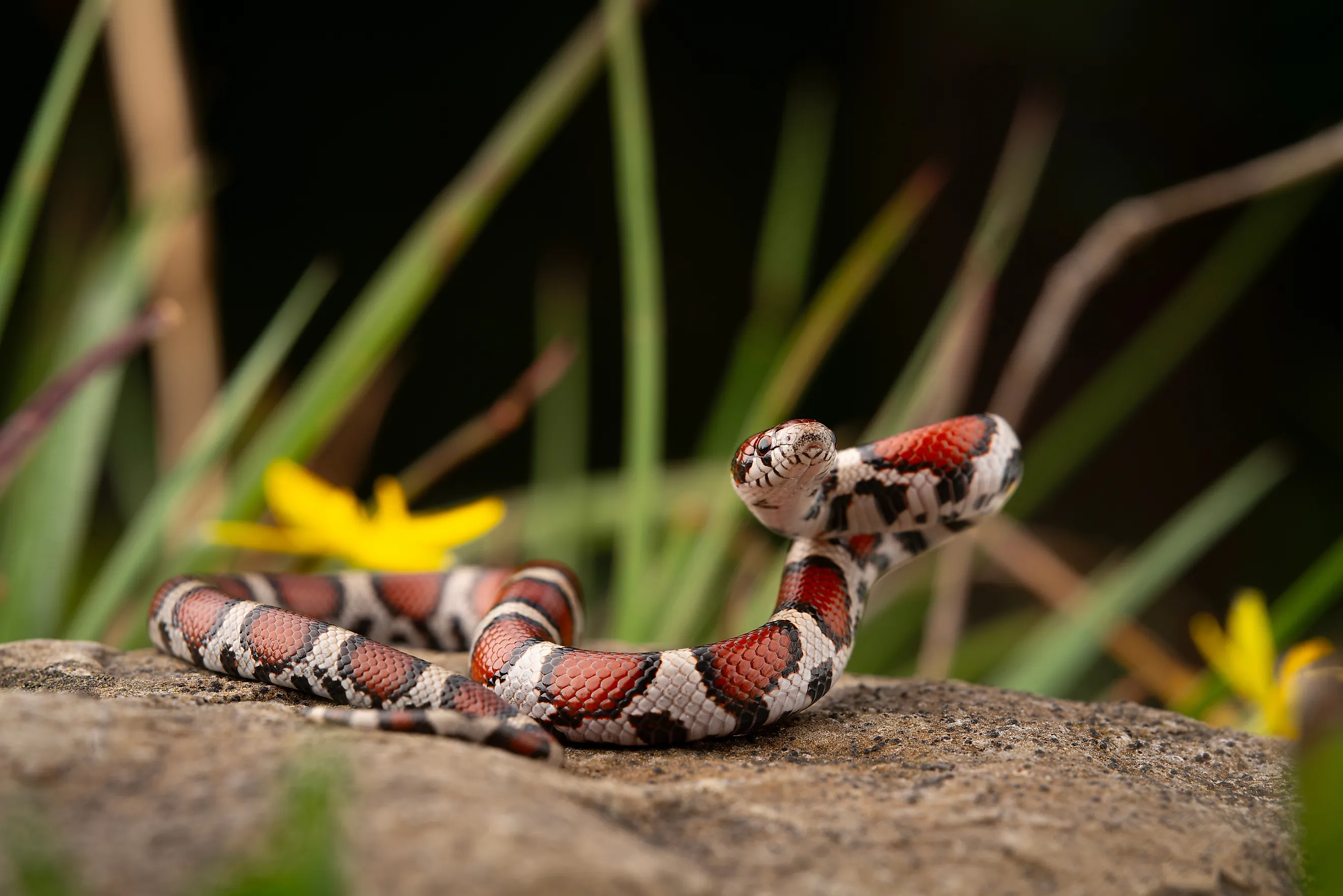
Common water snakes convene at Lake Erie, into which the Cuyahoga empties; common garter snakes gather in Cleveland, which the Cuyahoga bisects; and an array of species, from those above to the novel, like the colorful eastern milk snake (Lampropeltis triangulum) and the speedy North American racer (Coluber constrictor), converge in Cuyahoga Valley National Park, where the Cuyahoga culminates. No Cuyahoga snakes are venomous or particularly dangerous, save for the alleged 18-foot circus python that escaped into the river in 1944. Dubbed the Peninsula Python, it is more legend than fact.
Ohio River

The Ohio River runs for 981 miles from the confluence of the Allegheny and Monongahela rivers in Pennsylvania to the Mississippi River in Illinois, forming Ohio's entire southern border along its way. Across this vast river border, snakes thrive. Common water snakes and common garter snakes, which are omnipresent in Ohio, are found in the eastern part, near Beaver Creek State Forest.

Toward the center of the river-border, throughout Wayne National Forest and along the Ohio's tributaries, venomous copperheads and timber rattlesnakes persist. At the western end, skirting Cincinnati, are harmless species such as the DeKay's brown snake (Storeria dekayi) and the ring-necked snake (Diadophis punctatus). Copperheads have been found in the Cincinnati area, but they are rare.
Lake Erie

Lake Erie is another environmental success story, but its plot specifically concerns the snake population. During the previous centuries, a Lake Erie-exclusive subspecies of the common water snake, the Lake Erie water snake (Nerodia sipedon insularum), was on the verge of extinction. The snake's decline coincided with the lake's increased desirability among homeowners and vacationers. They destroyed the snake's habitat and the snakes themselves, slaughtering what they mistook as venomous beasts with shovels, fire, and even pigs imported for that purpose. In 1999, having dwindled to about 2,000 individuals, the Lake Erie water snake was federally listed as "threatened."

Enter Dr. Kristin Stanford, AKA the Snake Lady. She led a campaign of compassion along the lakeshore, visiting homes, schools, and the media (including TV's Dirty Jobs) to emphasize the snake's harmlessness and ecological importance. Its population climbed to approximately 12,000 over the course of a decade. In 2011, the Lake Erie water snake became, along with icons like the bald eagle and American alligator, just the 23rd animal to be federally delisted due to recovery. Although still a subspecies at risk, it is now much more abundant than it was previously.
In addition to the Lake Erie water snake and its parent species, Lake Erie supports many other snakes, such as the eastern fox snake (Pantherophis vulpinus) and the eastern massasauga rattlesnake (Sistrurus catenatus). However, the latter is confined to the Canadian side.
Compared to Southern states like Florida and Louisiana, Ohio may not have the most notorious waterways, but they are still essential for snake conservation. The Scioto River snakes for 231 miles through various snake habitats; Big Darby Creek preserves significant snake prey like fish and mollusks; the Cuyahoga River supports what is arguably Ohio's snakiest park; the Ohio River serves as an interstate for intrepid serpents; and Lake Erie protects a snake subspecies that almost went extinct. To prevent other snakes and animals from nearing extinction, keep Ohio's waterways clean and complete.