5 Most Snake-Filled Bodies Of Water In Wisconsin
Although Lake Superior borders Wisconsin to the north and Lake Michigan to the east, some of the state's most snake-friendly habitats are inland. Lakes, rivers, and wetlands across central and western Wisconsin host much of that diversity. Waterways like the Wolf River and lakes like Devil's Lake support many snake species thanks to a mix of marshes and rocky bluffs. Wisconsin is home to 21 native snake species but only two possess venom dangerous to humans. Most of the state's snakes are harmless and help control rodent and amphibian populations. The bodies of water below are among the best places in Wisconsin to observe them.
Devil's Lake

Devil's Lake is located within Devil's Lake State Park, Wisconsin's most visited park. The lake covers 360 acres, with sandy shorelines suitable for picnicking, relaxing, swimming, and watercraft use. The park covers over 9,000 acres and is suitable for biking, rock climbing, and hiking, with close to 30 miles of scenic trails to explore.

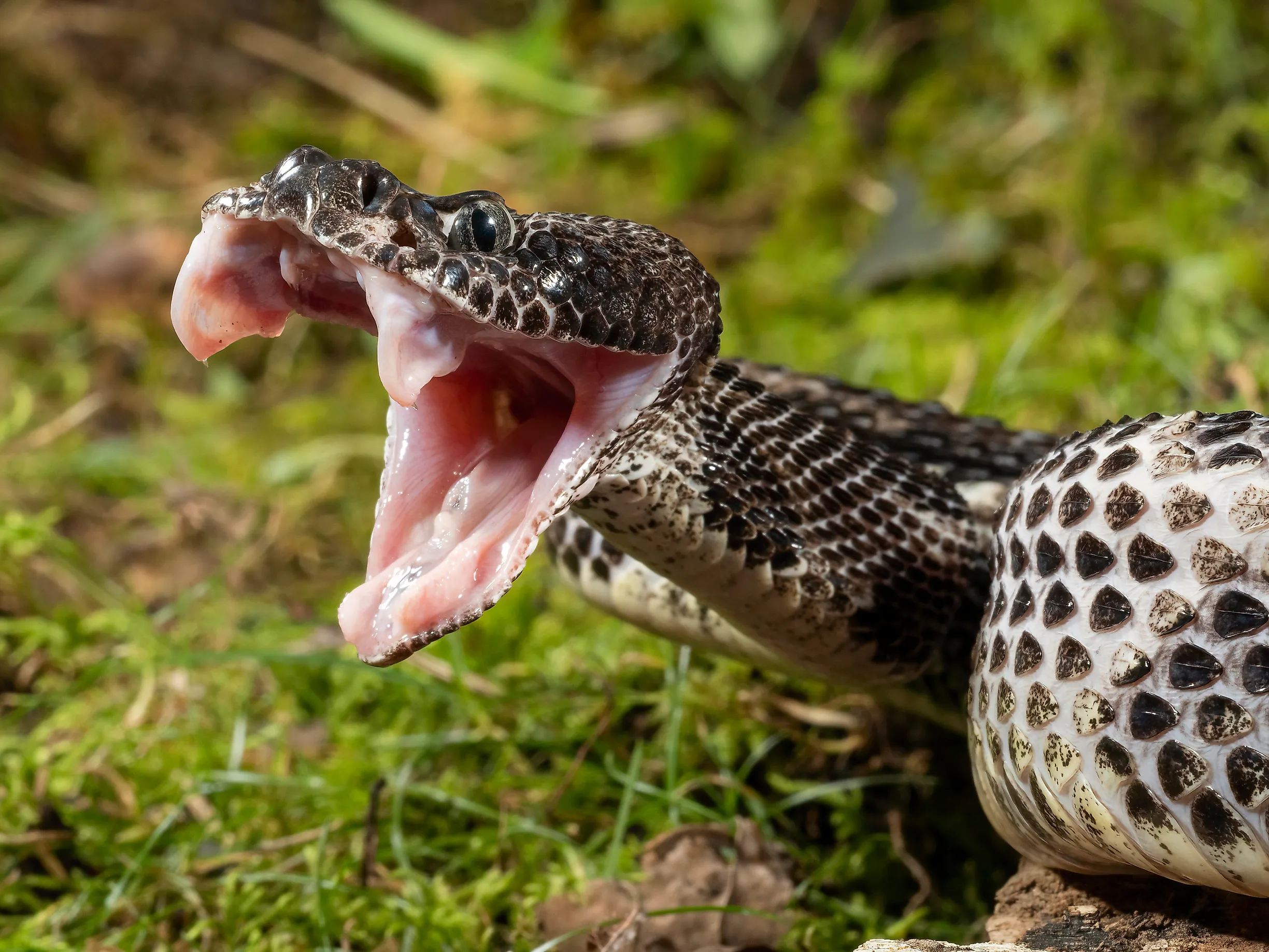
Devil's Lake State Park is home to at least 10 species of snakes, including one venomous species, the timber rattlesnake (Crotalus horridus). Although venomous, timber rattlesnakes are rarely seen in the park. They live mostly on the East Bluff trails and upland rocky areas above the lake, where they bask on exposed ledges and talus slopes. Luckily, the open shoreline, beach areas, and campgrounds are not typical rattlesnake habitat. The common watersnake is the most likely snake to be encountered in the park, often along shorelines, on rocky outcrops near the water, and on the banks around the lake.
Lake Winnebago

At nearly 138,000 acres, Lake Winnebago is Wisconsin's largest inland lake. It is part of a greater water system comprising Lake Butte des Morts, Lake Winneconne, Lake Poygan, and the Wolf and Fox Rivers. It is widely considered the state's most important fishery. The walleye fishing is considered some of the best in the United States, and anglers from across the Midwest are drawn to it for largemouth and smallmouth bass fishing.

The common watersnake (Nerodia sipedon) and the North American racer (Coluber constrictor) both occur in the Lake Winnebago region. Watersnakes mostly eat frogs, fish, and tadpoles. They are often observed basking on rocks, logs, or vegetation by the water's edge. If threatened or startled, they will drop into the water to flee. The North American racer, on the other hand, may advance towards people, but will generally back down if challenged. Neither species is venomous.
Wolf River

The Wolf River rises above Pine Lake and flows for over 225 miles before it joins the Fox River. The Wolf River basin lies in northern and central Wisconsin, draining an area of 3,690 square miles. The river flows through a diverse landscape of open marsh, dense thickets, grassy lowlands, hardwood and mixed pine forests, and rocky shorelines. This diverse habitat bordering the river makes it an optimal home for many different species of snakes.

The common garter snake (Thamnophis sirtalis), red-bellied snake (Storeria occipitomaculata), Dekay's brownsnake (Storeria dekayi), common watersnake, ring-necked snake (Diadophis punctatus), eastern hognose snake (Heterodon platirhinos), smooth green snake (Opheodrys vernalis), eastern milksnake (Lampropeltis triangulum), and eastern foxsnake (Pantherophis vulpinus) are among the snake species found within the Wolf River watershed. The common garter snake is Wisconsin's most widespread and frequently encountered snake. Highly adaptable, it can be found in a wide variety of habitats throughout the state, including the wetlands and riparian habitats associated with the Wolf River.
Mississippi River

The Mississippi River lies entirely within the United States, rising from Lake Itasca in Minnesota and flowing for a total distance of 2,340 miles into the Gulf of Mexico. It flows south across the continental interior, collecting water from its major tributaries: the Missouri River to the west, and the Ohio River to the east. The Mississippi River drains an area of 1.2 million square miles across 31 states and two provinces in Canada.

Timber rattlesnakes live in the bluff land habitat adjacent to the river corridor in the Upper Mississippi River Valley of western Wisconsin, on the river's eastern shoreline. The timber rattlesnake is a Special Concern species and a Protected Wild Animal in Wisconsin. At one point in time, monetary bounties were paid for the killing of timber rattlesnakes, with thousands of them killed each year well into the 20th century. Despite their protected status, timber rattlesnakes continue to face threats from intentional killing by humans, road mortality, and habitat loss and fragmentation associated with agriculture and development.
Castle Rock Lake

Castle Rock Lake is the fourth largest lake in Wisconsin at 13,955 acres and 35 feet at its deepest point. It is located in Central Wisconsin and is fed by the Wisconsin River, as part of the Wisconsin River system. The lake offers visitors versatile recreational opportunities, both on and off the water. Species like walleye, pike, and bass draw in anglers, whereas its sandy beaches are popular among swimmers, picnickers, and kayakers.

Castle Rock Lake's sandy soils provide suitable habitat for the eastern hognose snake, a species commonly associated with sandy prairies, oak savannas, pine barrens, and other well-drained habitats. The eastern hognose snake is easily recognized by its upturned snout, which it uses for digging and burrowing in loose soil. Its diet consists primarily of toads, although it occasionally consumes other amphibians and small vertebrates. The species possesses mild rear-fanged venom that helps subdue prey, but it is not considered dangerous to humans.
Snakes Abound in Wisconsin's Waters
Despite acting as natural pest control by managing high rodent populations, which in turn reduces the spread and threat of disease, snakes are still persecuted by humans. Many snake populations in Wisconsin have declined due to habitat loss and needless killing. As a result, as many as 14 of Wisconsin's native snake species are listed as endangered, threatened, or of particular concern. Many people fear snakes and do not understand their value to a healthy, balanced ecosystem. Most of the snakes encountered in these bodies of water are harmless and will happily move on from people if given the chance.