7 Snake Infested State Parks In Wisconsin
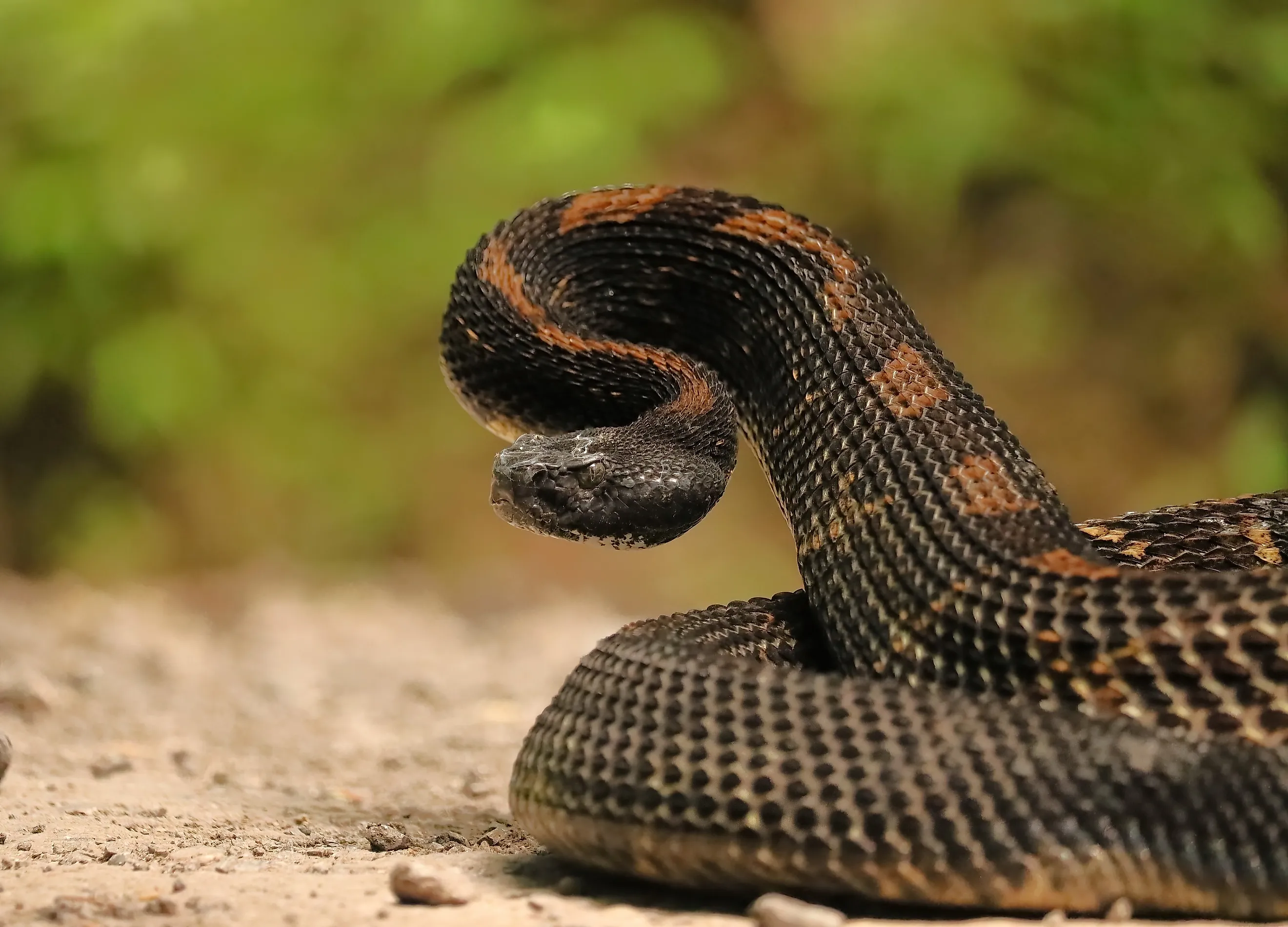
Wisconsin’s state parks offer dramatic bluffs, river confluences, oak savannas, and deep forests that attract hikers, paddlers, bird watchers, and photographers. They also host a rich community of reptiles, including nonvenomous species that are common statewide, such as the foxsnake and the common garter snake, and rarer, protected species such as the timber rattlesnake, which is largely localized to bluff prairies in the southwestern part of the state. In many of Wisconsin’s state parks, geology and water shape the experience and what kinds of snakes visitors are likely to encounter. The Wisconsin Department of Natural Resources is the primary steward of its state parks and provides species accounts and park details for visitors. For practical notes on where snakes prefer to shelter, when they are most active in the year, and how to enjoy the parks while respecting wildlife, read on.
Devil’s Lake State Park, Sauk County

Devil’s Lake State Park is one of Wisconsin’s most visited parks because of its 500-foot quartzite bluffs, miles of trails, and a clear, 360-acre lake that frames dramatic ridge lines. Hikers who traverse the North Bluff and South Bluff trails, or follow the Ice Age National Scenic Trail through the park, move across habitats that range from oak woodland to open rock shelves. The park’s combination of sun-exposed ledges, rock crevices, and mixed woodland provides favorable basking and shelter sites for a range of reptiles; the common garter snake and the eastern foxsnake are regularly observed in these habitats, especially near edges, marshy pockets, and old rock foundations where prey is abundant. Northern watersnakes are also common here, and timber rattlesnakes may be occasionally spotted.

Visitors should respect posted trail rules and keep pets on leash near sensitive rock outcrops and nesting areas to reduce disturbance to snakes and other wildlife. Park signage and the visitor center include interpretive material that explains local geology and wildlife and suggests safe viewing practices for people who want to learn about snakes without putting themselves or animals at risk.
Wyalusing State Park, Grant County

Perched where the Wisconsin River meets the Mississippi River, Wyalusing State Park offers sweeping vantage points that look across two major river valleys. The park’s bluff-top overlooks and remnant prairie patches are the sort of open-canopy bluff prairies that are historically associated with timber rattlesnake occurrences in the state, especially along the Mississippi corridor in southwestern Wisconsin. While timber rattlesnakes are a special concern species protected under state guidelines, the park’s mosaic of prairie, oak woodland, and riparian edge also supports more frequently seen, nonvenomous species such as foxsnakes and garter snakes that hunt rodents and amphibians among the grasses and shoreline debris.

Hikers who plan long ridge-line walks during the shoulder seasons will find interpretive trails and maps at the park office, and are encouraged to stay on designated routes, wear sturdy boots, and give any observed snake a wide berth.
Governor Dodge State Park, Iowa County

Located within a rugged portion of the driftless area of the state, Governor Dodge State Park contains steep ravines, two lakes, and pockets of remnant prairie where sun-warmed rock outcrops meet forest edge. These transitional edges are prime hunting grounds for rat snakes, foxsnakes, and garter snakes that capitalize on rodents and amphibians found near water and in grassland fragments. The park’s popular Twin Valley Campground and the loop trails that climb the higher ridges let visitors sample a mix of habitats in a single day, and interpretive programs often highlight the park’s geological story and its native wildlife.

Because several snake species rely on rock crevices and brush piles for thermoregulation and shelter, land managers recommend that campers and day users keep their campsites tidy, avoid moving rocks, and never attempt to handle or collect snakes. For anyone curious about conservation status or recommended behavior around rare species, the DNR’s rare species notes and park resource pages are useful references.
Wildcat Mountain State Park, Vernon County

Wildcat Mountain State Park occupies a ridge that rises above meanders of the Kickapoo River, offering an upland vantage with views into wooded hollows and floodplain wetlands below. The park’s network of hiking and equestrian trails moves through oak forests, savanna pockets, and stream corridors that make a mosaic of microhabitats attractive to snakes. Foxsnakes and garters are among the commonly recorded species, especially where prairie openings or wetland margins concentrate amphibian prey. The park’s observation point and picnic shelters provide natural history signage that helps visitors learn where snakes are most likely to be encountered, and local paddling outfitters in nearby towns can share seasonal insight about when snakes are most visible along river edges.

Because several of the more sensitive snake populations favor unbroken prairie or bluff habitat, visitors who wish to observe wildlife are advised to use binoculars, photograph from a distance, and avoid off-trail travel that could damage rare plant or animal habitats.
Perrot State Park, Trempealeau County

At the point where the Trempealeau River flows into the Mississippi River, Perrot State Park protects steep bluffs, river shoreline, and unique “goat prairies" perched on exposed rock ledges. Those goat prairies are biologically distinctive because they offer warm, open habitat in a region otherwise dominated by forest, and they have been important locales for the timber rattlesnake historically, given the species’ preference for open, sun-exposed bluff prairies for basking. For modern visitors, however, encounters with rattlesnakes remain rare and highly protected by state conservation rules.

More frequently observed species, such as the eastern foxsnake and the common garter snake, are active near shoreline edges and within sedge meadows. The park’s trail system and canoe access points let visitors experience the riparian interface where snakes search for frogs and small mammals, so paying attention to where one puts hands and feet around driftwood and rock shelves is wise.
Peninsula State Park, Door County

Stretching along the Niagara Escarpment and offering miles of shoreline on Green Bay, Peninsula State Park combines forest, beach, and bluff-top overlooks with iconic structures such as Eagle Tower on Eagle Bluff. The exposed escarpment, the lighthouse views, and the park’s accessible canopy walk make it a prime destination for photographers and families. In contrast to the southwestern bluff prairies, where timber rattlesnakes occur, Door County’s peninsula environment is more likely to host a suite of nonvenomous snakes, especially the common garter snake and the eastern foxsnake in open meadows, meadow margins, and rock pile microhabitats.

Visitor facilities, including an interpretive center and well-marked trails, emphasize safe coexistence with wildlife: keep a respectful distance, do not attempt to pick up or move snakes, and report any observation of a large or potentially vulnerable species to park staff so conservation professionals can track occurrences. The new tower and accessible routes make the park a good place to learn about escarpment ecology and the range of animals that use those habitats.
Roche-A-Cri State Park, Adams County

Roche-A-Cri State Park protects a roughly 300-foot rock outcrop that contains some of the state’s most accessible Native American petroglyphs and pictographs, and it rewards visitors with a stairway that climbs to panoramic views over prairie and woodland. The mound’s exposed sandstone faces and the surrounding oak-savanna and prairie fragments provide attractive sunning and hunting spots for snakes that are comfortable in open, rocky conditions; visitors are most likely to encounter nonvenomous species such as garter snakes and foxsnakes, which commonly inhabit field edges, old stone foundations, and wetland margins within the park.

Because the rock art is culturally significant and the site receives public visitation year-round, park managers emphasize staying on trails and stairways, observing wildlife from a respectful distance, and learning about the human history of the place through the wayside exhibits. If a rare or venomous species were to be confirmed on the mound, the DNR would post guidance and coordinate conservation actions; for now, snakes at Roche-A-Cri are mainly part of the living tapestry that complements the park’s archaeological story.
Plan a Safer, Wilder Visit
Wisconsin’s state parks balance public access with the stewardship of uncommon species and fragile habitats. For the majority of visitors, snake encounters are limited to harmless, nonvenomous species such as the eastern foxsnake and the common garter snake, both of which are widely distributed across the state and play important ecological roles as predators of rodents and amphibians. The timber rattlesnake is a special concern species in Wisconsin and is largely localized to bluff prairies in the southwestern river corridors, so visitors in those areas should be particularly attentive and respectful. Simple precautions such as staying on marked trails, watching where one steps and sets hands on ledges, keeping dogs on leash, and reporting unusual wildlife observations to park staff, allow people to enjoy dramatic landscapes while minimizing disturbance to snakes and other wildlife.