6 Best Natural Wonders To Visit In Wisconsin This Year
Wisconsin’s nature is one of its biggest appeals. The state sits along the southern shore of Lake Superior with miles of waterfront wonders. The famous Apostle Islands rise from the lake’s edge where sandstone sea caves meet crashing waves. Further inland, Cave of the Mounds reveals rare underground formations on tours offered year-round. Read on for natural wonders across Wisconsin worth visiting this year.
Apostle Islands National Lakeshore

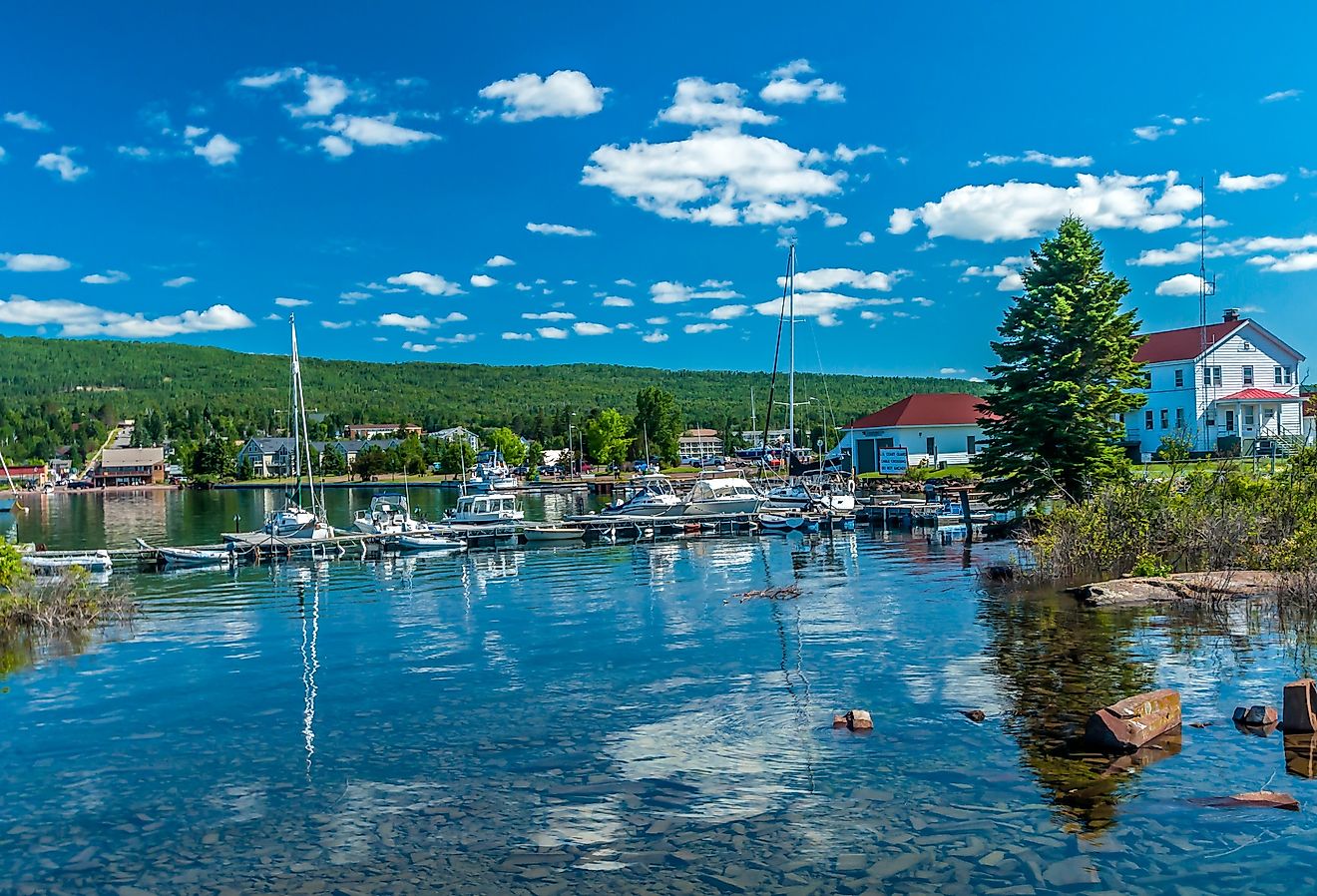
Positioned at the northern tip of Wisconsin, Apostle Islands National Lakeshore is a group of 21 islands that underscores the region’s geological beauty. The collection of islands is on Lake Superior and is famous for its sandstone sea caves, arches, cliffs, and beaches, alongside vast swaths of old-growth forests teeming with wildlife such as white-tailed deer and black bears. Activities to enjoy here include scuba diving, kayaking, sailing, camping, and hiking, with over fifty miles of trails. Bayfield is the main gateway town to the islands, with sightseeing cruises and seasonal boat shuttles to popular areas, including Stockton Island, known for one of the densest black bear populations in the region, sandy beaches, and a wide range of natural features. This island also features equipped campsites, sea caves, and 14 miles of hiking trails.

Madeline Island, the largest and only inhabited island in the Apostle Islands, is easier to access. Although not part of the Apostle Islands National Lakeshore, it features beaches, sea caves, and amenities like restaurants and an inn for those seeking a longer and more comfortable experience on the lake. The mainland part of the national lakeshore also boasts exciting attractions, such as Meyers Beach, where one can swim, launch a kayak toward the mainland sea caves, and hike the 6-mile Lakeshore Trail. Campers can also find hike-in and kayak-access sites nearby. The best time to visit is summer when the waters are calmer, the ice has melted, and the temperatures make water adventures pleasant. Fall is also an amazing time to visit for the island’s gorgeous foliage, while winter travelers should check current conditions before hoping to see the mainland ice caves.
Devil’s Lake State Park

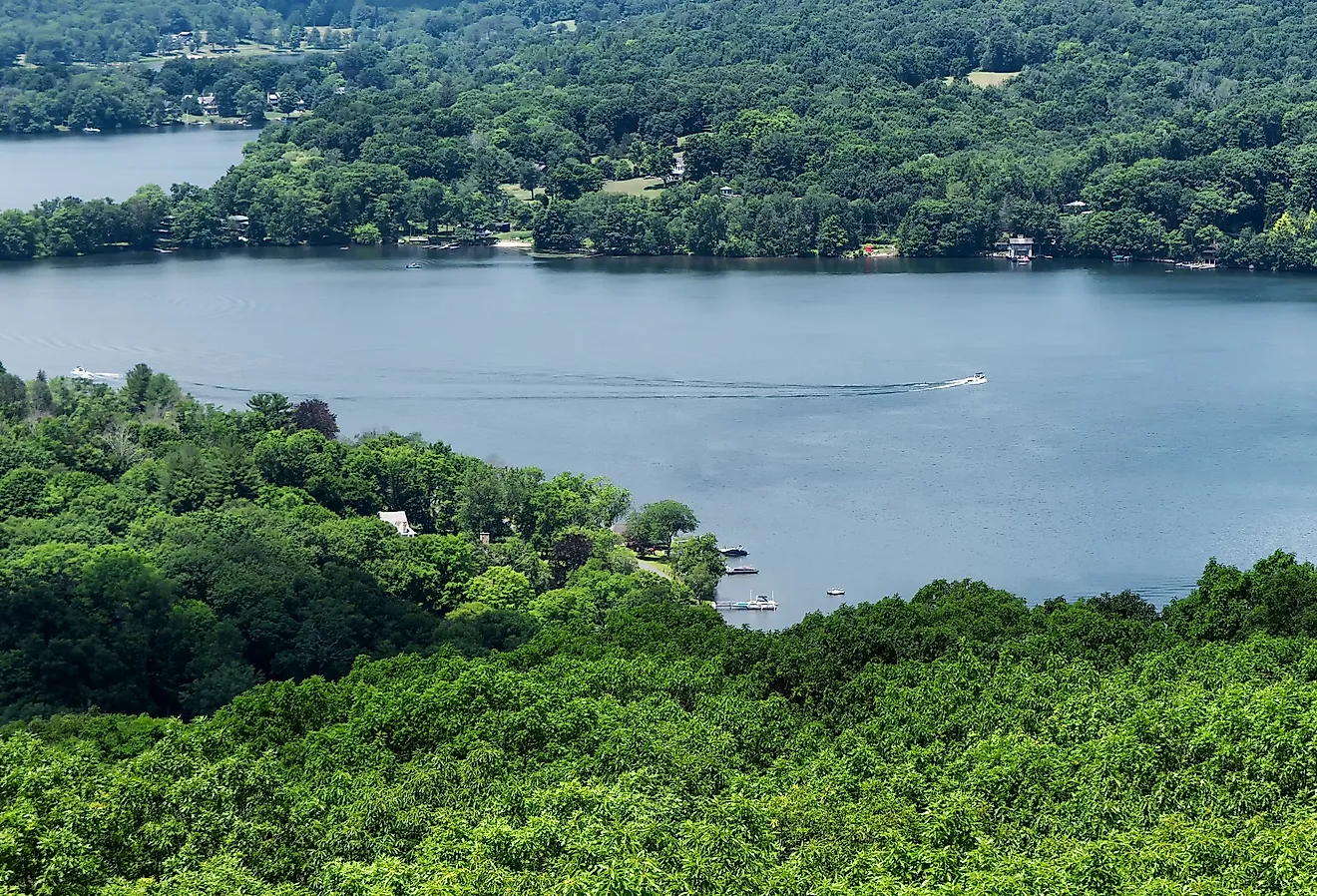
Devil’s Lake State Park is one of Wisconsin’s most beloved natural wonders and consistently the most visited state park in the state. Located just outside the city of Baraboo, the park surrounds the 360-acre Devil’s Lake, but its most striking feature is the 500-foot-tall quartzite bluffs. These unique formations overlook the lake and are estimated at about 1.6 billion years old, ranking them among the most ancient rock outcrops in North America. Surrounding the quartzite bluffs are vast swathes of mixed conifer-deciduous forests and Indian mounds built to resemble animals, highlighting the area’s long human history. Nearly 30 miles of trails are within the park for access to all of these features, including the popular East Bluff Trail. This trail is just 1.7 miles, but it climbs steeply and rewards hikers with sweeping views over the lake and the rugged bluffs. Access is offered to the lake for kayaking, canoeing, and fishing from the north shore and south shore boat launches, plus both sides of the lake host sandy beaches open for swimming.

The park also boasts hundreds of campsites, picnic areas, four miles of mountain biking trails, and is great for birdwatching. The best time to visit the park is between May and October, for safe hiking on the trails and swimming, plus fall is also great as the forests display some of the most spectacular autumn colors.
Kohler-Andrae State Park

Kohler-Andrae State Park is one of Wisconsin’s natural wonders on Lake Michigan, featuring awe-inspiring beaches and sand dunes, surrounded by lush woodlands and wetlands. It is one of the few preserves on the lake’s shores and invites nature lovers to relax on its soft-sand beaches, swim in the lake, fish at the park pond, or paddle when the lake is calm. Additionally, the park boasts developed campsites, a nature center with exhibits, and several trails winding through the lush forests and dunes. The Dunes Cordwalk, one of the park’s top trails, is two miles long and runs along the lake’s shoreline, with gorgeous views of sand dunes, beaches, and some of the park’s wildlife, including birds like songbirds and diving ducks, and mammals such as coyotes and red fox. May to October is the most popular time to visit the park, especially for beach walks, camping, and warm-weather lake views. Winter is a more relaxing time to visit the park and enjoy cross-country skiing and snowshoeing, plus camping is available year-round.
Pattison State Park

Pattison State Park holds one of the world’s most beloved natural features: waterfalls. Not just any waterfalls, but towering ones, including Big Manitou Falls, the highest in Wisconsin at 165 feet. This waterfall is on the Black River and can be seen from park trails, which also lead toward Twin Little Manitou Falls, a smaller 31-foot cascade. Beyond the waterfalls, Pattison State Park includes lush forested landscapes, wetlands, rivers, and Interfalls Lake, home to a sandy beach open for swimming. The park has more than seven miles of trails, along with family campsites, some electric sites, backpack campsites, showers, and seasonal restrooms. Campers visiting in 2026 should check current park notices before booking, as campground facility work may affect parts of the season. Best visited in spring when the falls are more powerful, the park also boasts a thriving wildlife population that includes nearly 200 bird species, and dozens of mammalian, reptilian, and amphibian species.
Cave Point County Park

Cave Point County Park is among Wisconsin’s most photographed natural wonders, located in Door County. This park on Lake Michigan is famous for its dolomite and limestone formations and underwater caves carved by the lake’s crashing waves over centuries. Nature lovers can kayak along the shoreline on calm days, while experienced divers can explore the park’s underwater caverns and nearby submerged features. The park is also just an amazing place to watch waves crashing against the rock formation, plus a half-mile trail offers access to the area’s surrounding birch, maple, and beech forest, with great views of the rock formations and the lake. This trail connects to over 14 miles of trails in the adjacent Whitefish Dunes State Park. Meanwhile, Cave Point County Park is worth visiting year-round, as every season comes with something unique. While summer is best for warm-weather activities like kayaking, winter brings ice-covered cliffs often battered by powerful waves.
Cave of the Mounds

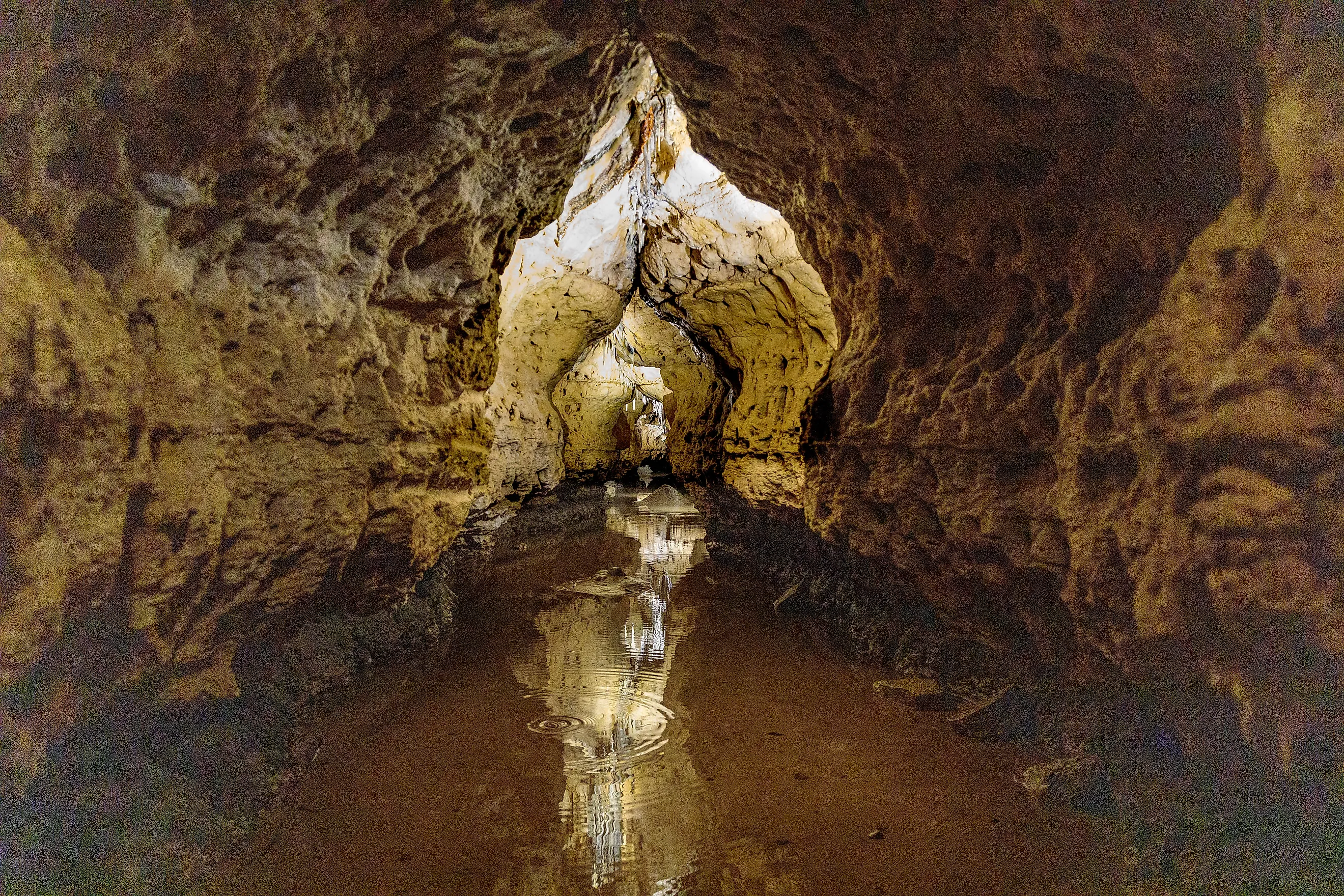
Located just outside the town of Blue Mounds, Cave of the Mounds is a limestone cave dissolved by carbonic acid into bedrock that dates back over 450 million years, making it one of the most geologically notable cave sites in the Midwest. Today, the cave is a wonder of nature, full of stalactites, stalagmites, flowstones, and many other formations illuminated by beautiful lights. Tours run through the year, though hours and holiday closures vary by season, and temperatures inside remain at 50 degrees Fahrenheit regardless of outside weather. There are several tours to choose from, including a lantern tour, which offers the chance to explore the cave with a lantern in hand like explorers of old.
Wisconsin is a paradise for nature lovers, largely because of these natural wonders, most of which are ideal for visiting year-round. From rare cave formations to Wisconsin’s highest waterfall, these natural wonders showcase a landscape shaped by forests, cliffs, rivers, and the waters of Lake Superior. Head to these natural wonders today.