Invasive Species That Have Unexpected Ecological Benefits
When discussing invasive species, it is common to consider the dangers or harmful effects a non-native population has on an ecosystem. From an agricultural, economic, health, or biodiversity standpoint, there are often consequences that affect surrounding species and society. However, there are cases where introducing a new plant or animal has specific advantages in a certain environment. Here are some fascinating invasive species that have unexpected ecological benefits in their designated habitats.
Animal—Human Interactions

Having coexisted for millions of years, the relationship between humans and animals has been proven to significantly affect our well-being. Studies on "Human-Animal Interactions: Expressions of Wellbeing through a 'Nature Language'" published on MDPI have showcased the effects natural animal encounters have on people. Results have demonstrated greater mental health benefits, strengthening people's connection to nature, developing perspective, and invoking positive feelings of belonging, fulfilment, and love.
Aside from these direct interactions, there are roles species play in the ecosystem that greatly impact society. From coral reefs producing oxygen, to bees and bats pollinating, fruit-eaters spreading seeds, small mammals maintaining soil health, and predators controlling the population of certain species (World Organization For Animal Health), animals contribute heavily to our environment. But what happens when a foreign species is introduced?
New species often generate ripple effects on the ecosystem, which directly impacts humans. From changes in local food supplies to limiting access to land and resources, alterations in outdoor landscapes, and creating potential health risks, including disease and allergies, these impacts often affect humans, as well as surrounding plants and animals.
What Is An Invasive Species?

Invasive species are non-native organisms that establish and cause, or are likely to cause, harm in a new ecosystem. According to the University of Plymouth, non-native species are among the top five major threats to ecosystems today. The Government of Canada cites the World Conservation Union, stating that after habitat loss, invasive alien species are the second-highest threat to biodiversity. Common characteristics of these include higher rates of reproduction, the ability to survive in various climates and habitats, and fewer predators, which lead to lower natural population control and ultimately increase their chances of survival.
Why Are Invasive Species A Problem?

One of the major issues with invasive species is their competition with indigenous organisms for limited resources, including food, water, nutrients, and space. Others include attacking native species to local extinction, harming infrastructure, and spreading disease, posing health and safety risks. For society, this affects agriculture, fisheries, and forestry, reducing productivity and altering the economy. From an environmental standpoint, they can cause soil degradation and erosion, and even alter fire cycles (Government of Canada, Environmental and Natural Resources).
Are Invasive Species Always Bad?

While some newly introduced populations are known for being destructive, not all novel species in an ecosystem are strictly harmful. In fact, certain cases have shown positive environmental effects. From providing food sources to dispersing plant seeds, facilitating pest control, assisting with environmental cleanup, and forming natural sheltered or vegetated habitats for native animals, these cases offer advantages that are often overlooked. Here are some examples:
Honeysuckle in Pennsylvania

According to a Penn State University study, the growing abundance of Honeysuckle in Pennsylvania's Happy Valley Region has attracted an increasing number of fruit-eating birds. The fruit and bird species have formed a mutually beneficial relationship. Honeysuckle feeds these animals in the fall, increasing their survival chances, while the birds disperse seeds across the region, expanding the fruit's territory. The team mentioned that the number of fruit-eating birds in Pennsylvania has increased, with several times as many of these species (such as catbirds and robins) as 30 years ago. This suggests that some invasive plants can contribute to certain aspects of ecological balance. Providing food sources for native migratory species could help restore indigenous biodiversity.
Japanese White-Eyes in Hawaii

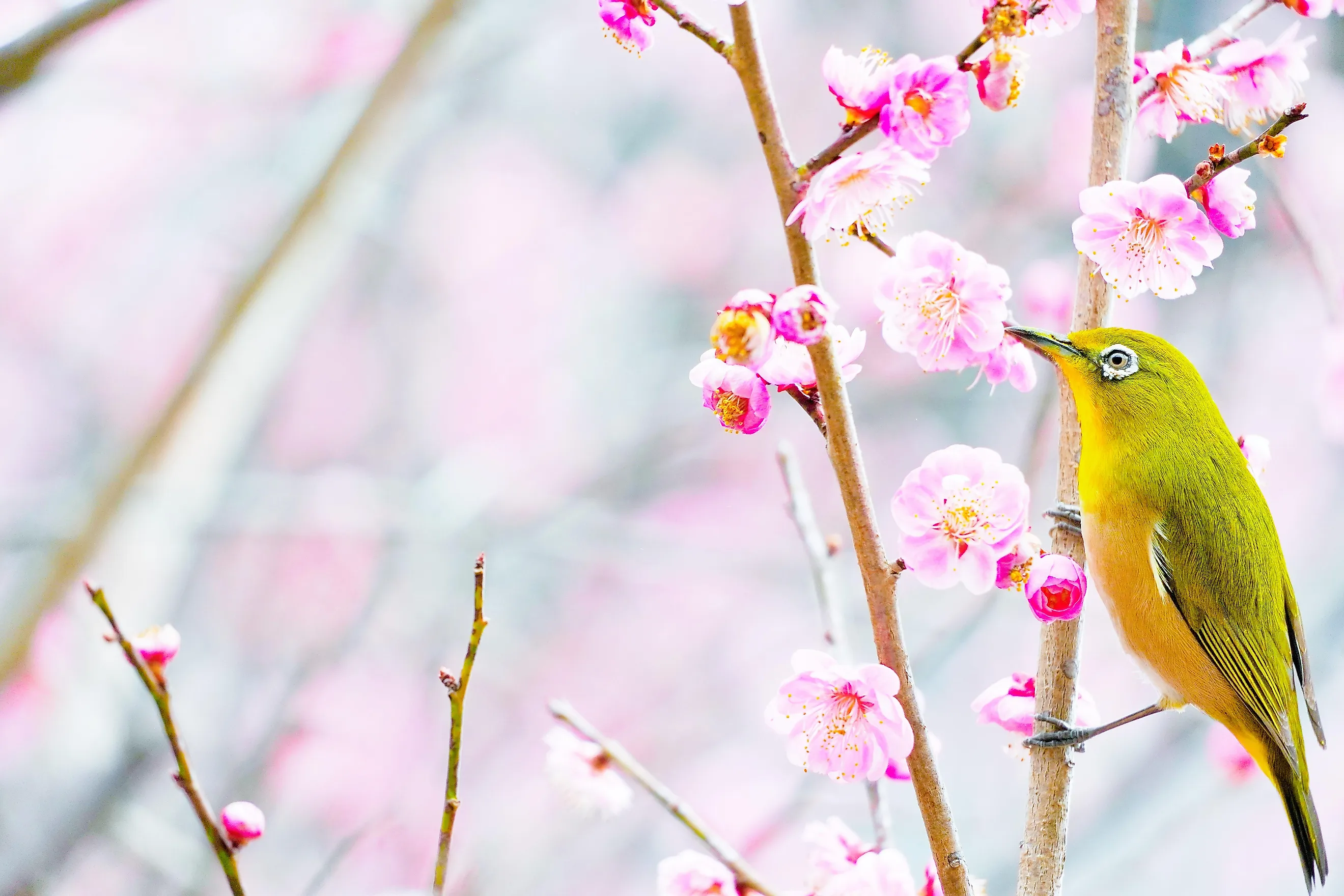
The history of the White-Eye in Hawaii dates back to 1929, when the bird was introduced from Japan. Since then, they have expanded their reach to all of the state's main islands, becoming the most common bird in Hawaii. In fact, they play significant roles as seed dispersers, contributing significantly to the concentration of fruiting plants. A study by the University of Hawaii compared the diet and movement patterns of invasive Japanese White-Eyes with those of native ʻŌmaʻo birds (also known as the Hawaiian Thrush). With radiotelemetry conducted on nine of each species, the results found that White-Eyes disperse seeds roughly twice as far as ʻŌmaʻos during the time of gut passage. White-Eyes cover a mean distance of 170.1 to 194.8 meters, while ʻŌmaʻos cover 98.1 meters. The introduced species is particularly well-known for scattering smaller seeds under 1.5 millimeters, while the native ʻŌmaʻos disperse larger seeds up to a diameter of 6 millimeters. So, both indigenous and invasive species, in this case, play significant roles in the seed dispersal of various plants.
Virginia Opossums in California

Introduced to California around 1910, the Virginia Opossum is one of the invasive species that has unexpected ecological benefits. These creatures are considered shy and tend to avoid other animals and people. They make a significant positive contribution by consuming massive quantities of insects, worms, and dead animals. According to the Sacramento Zoo, a single opossum may eat as many as 5,000 ticks in one season. Research conducted by the Cary Institute of Ecosystem Studies found that opossums ended up eating or removing up to 96% of ticks that land on them, making them the "unsung heroes in the Lyme Disease epidemic," according to Senior Scientist Rick Ostfeld.
Mudweed On the East and Gulf Coasts

Mudweed (Gracilaria vermiculophylla) is a marine red algae that lives in shallow coastal waters. It is native to Northwest Pacific Asia, specifically the coasts of Japan, China, Korea, and Vietnam, and can withstand large variations in temperature and salinity. It has spread widely along the East Coast and Gulf Coast of the U.S., from Texas to New Hampshire.
A research article published in the Proceedings of the National Academy of Sciences (PNAS) found that in places where native foundation species were lost, non-indigenous habitat-forming species, particularly mudweed, can enhance certain ecosystem functions. Findings reported in PNAS showed that epifaunal richness and abundance were more than 3 times higher in areas where mudweed was present than in areas where it was absent. The study also reported more than 400% more nursery species in plots containing mudweed than in those without it, likely because the seaweed forms dense mats that provide sheltered habitat for small animals and young fish.
Caution For Travelers and Outdoor Enthusiasts

Although these are success stories, not all introduced species turn out well for the environment. In fact, in many cases, they are hugely damaging. With the increase in travel and outdoor recreation, many people unintentionally or unknowingly carry organisms with them, which may then spread harmfully where they don't belong. Even hiking can transport them, with organisms latching onto clothing and footwear. Aquatic invasive species, for instance, are often spread by canoes, kayaks, and motorized boats. These impact swimming, fishing, boating, and tourism by creating unsuitable water conditions, displacing native animals from local fishing areas, and damaging infrastructure.
To help curb this issue, the National Wildlife Federation (NWF) recommends frequently cleaning shoes or equipment used after removing plant parts and insects, and washing gear after spending time outdoors. It is also recommended to purchase firewood local to the area you are camping in, as invertebrates may travel from home on these. If you are spending time on the water, learn proper boat cleaning techniques to implement between trips—and avoid throwing leftover fishing bait and soil onto the water. Other suggestions include removing exotic plants from your garden and replacing them with local alternatives. Learning to identify non-native species in your region is important, as well as reporting sightings to your land manager or county extension agent.
Takeaways

When it comes to non-native species, there are certainly risks associated in many cases. From damaging infrastructure to competing with native populations for resources and land, introducing foreign organisms can cause consequences. However, certain scenarios have also shown that invasive species can have unexpected ecological benefits. Whether that involves dispersing seeds to help native plants grow, environmental cleanup, pest control to mitigate disease, building habitats for indigenous animals, or providing essential food sources, these scenarios showcase the advantages of introducing a new plant or animal to a specific foreign environment.