11 Iconic Animals That Live Only In Australia
Australia is truly a place unlike anywhere else on earth, home to an estimated 600,000-700,000 native species, many of them found nowhere else on the planet. Whether it is the elusive, venomous, egg-laying platypus or something like a bear that lives predominantly on toxic foods, this continent has a whole cast of strange and magnificent creatures. The eleven animals below represent only a portion of the extraordinary animals in Australia.
Koala

The koala is undoubtedly one of the most beloved creatures entirely exclusive to Australia. People have seen these famous marsupials in zoos across the planet, munching on eucalyptus leaves, their primary food source, and leaving them smelling faintly like menthol cough drops. Their diet is difficult to digest and not all that nutritious, so the koala will spend an average of 22 hours a day resting and napping to conserve its energy.
Despite being docile and rarely moving from its resting place, the koala is careful to avoid people and predators. Koalas are not as cuddly as they might appear. When unexpected and unwanted contact occurs with humans, the animal may strike back with sharp claws or teeth in response to what it perceives as a threat.
Kangaroo

The kangaroo is the animal most people most clearly associate with Australia. One of the most interesting things about the kangaroo is its adaptation to the continent's extremes, from coastal forests to the dry, challenging bushland. Kangaroos are herbivores that spend most of their day grazing. While the kangaroo can be aggressive to those who get too close, it will most likely flee from a human it perceives as a threat. Australian drivers have to be diligent, particularly at sunrise and sunset, as 'roos frequently get hit on the roads, posing a hazard much like white-tailed deer do to American drivers.
Platypus

Rare among mammals, the platypus lives in eastern Australia and Tasmania. This semi-aquatic, egg-laying creature loves freshwater streams and rivers. With a duck-like bill packed with sensors, it finds food underwater by sensing electrical signals from small creatures such as insect larvae. Instead of relying on sight, it uses touch and electric fields when hunting in dark, muddy conditions. Males have sharp, poisonous spurs near each ankle for defense. As if all this were not odd enough, the platypus is the only mammal that reproduces by laying eggs. It's truly a very cute freak of nature.
Sydney Funnel-Web Spider

The Sydney funnel-web spider is a highly venomous predator. Fortunately, these formidable-looking arachnids do not typically live in the city, but around it in the bush and forests. What sets this predator apart is how it sets its webs to catch prey. Using its powerful legs, the funnel spider can rapidly burrow and line the tunnel it creates with its web silk. Around the new home, the spider will set a series of trip wires that signal when prey is close enough to be snatched, pulled underground, and devoured. Meals can consist of beetles, millipedes, and even small lizards. These spiders are aggressive and will attack when threatened by humans or pets. Their venom contains a highly potent, debilitating neurotoxin that can be deadly without antivenom.
Wombat

Despite their stout build, wombats move through tough terrain with ease. These marsupials, known for their round frames, live across eastern and southern Australia and Tasmania. Underground, they dig winding passages stretching far below the surface. Wombats eat only plants; mostly grass, along with roots and bits of bark stripped from trees. When danger arises, these quiet animals push back hard, using their powerful jaws and muscular bodies in self-defense until an escape route becomes available. Near tourist spots, people sometimes see wombats behaving tamely and want to throw food to them to draw them closer. This is a mistake as it disrupts their natural foraging habits and may even inadvertently poison them.
Tasmanian Devil

Standing only about 30 inches tall, the Tasmanian Devil holds the title of largest meat-eating marsupial. This creature lives nowhere else but Tasmania, an island south of mainland Australia. With a thick coat of black fur, these quick predators move through the scrubland, forests, and farmland of the island to scavenge discarded dead animals or hunt smaller prey. These aggressive marsupials have the nickname “devil” because of their feeding frenzy, which can consume a carcass whole, including bones and fur. Fleeing contact with people by nature, these animals rarely pose any threat unless cornered or trapped. Their population has plummeted due to habitat loss, predation, and disease, so spotting one in the wild is quite rare.
Quokka

Found across southwestern Western Australia and some nearby islands, the quokka resembles a compact wallaby, often associated with Rottnest Island near Perth. Dense thickets form their preferred shelter, especially when located within reach of freshwater sources. Grasses, leafy plants, and plant stalks make up their daily diet since these animals rely solely on vegetation.
A constant grin, paired with curiosity about people, helped them earn online fame and the nickname “the world’s happiest creature.” It is a regular occurrence for the curious quokka to approach humans when they are nearby, but it is illegal to touch or feed them, which is strictly enforced on Rottnest Island. However, they certainly do not mind a photo or two taken of them.
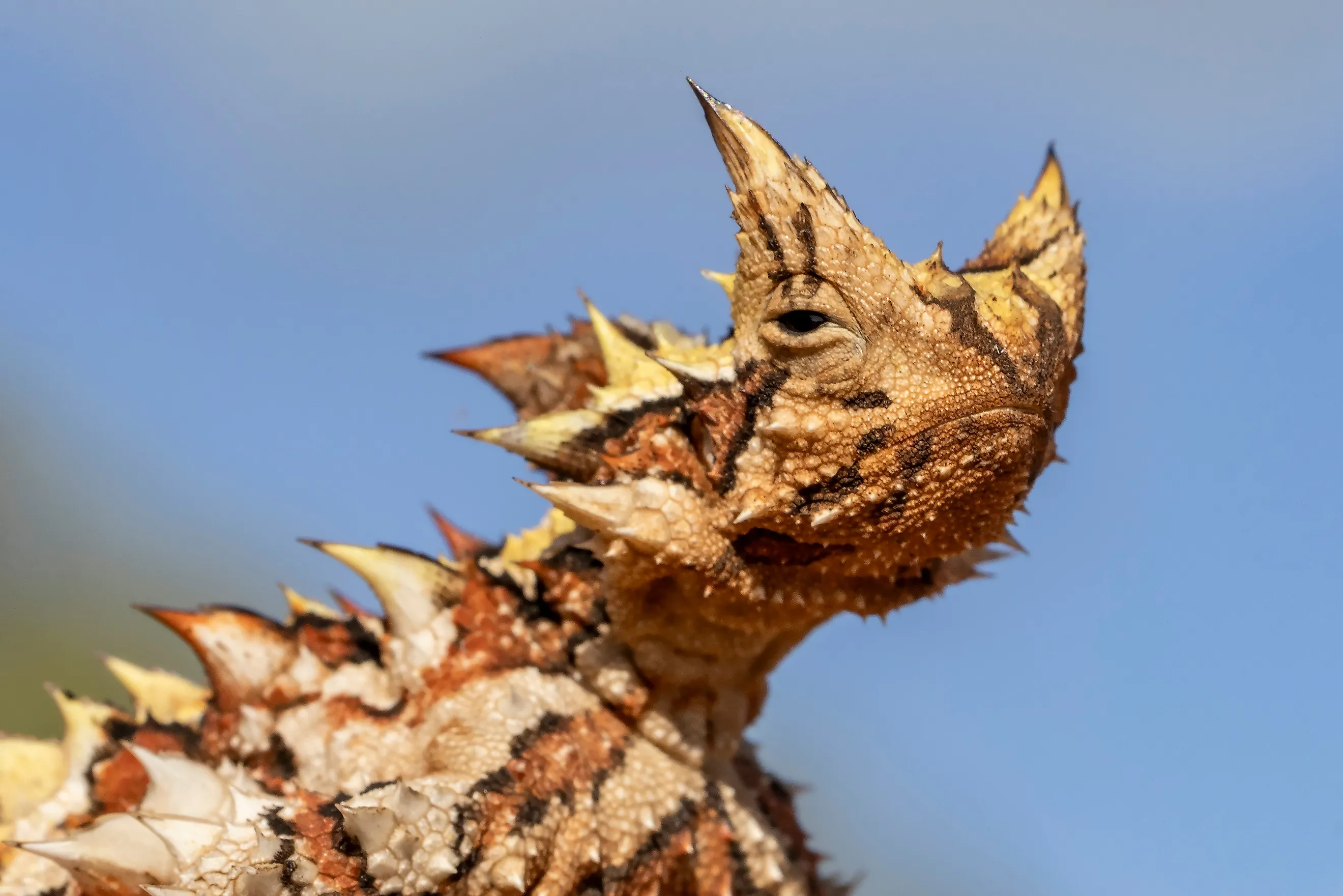
Thorny Devil

The thorny devil is a menacing-looking lizard, and despite it being harmless to humans, it has earned its reputation as a resilient and formidable part of the outback. The devils tend to live in challenging environments, such as deserts or brush, where their primary food source, ants, are abundant. When the lizard discovers a nest, it feeds on hundreds of ants at once.
Biologically speaking, the thorny devil is an iconic creature of the outback because its very skin has adapted to living in conditions that might be impossible for other species. Arid desert life offers little moisture sustenance, and in many cases, the thorny devil lives on the bare minimum from what channels in the scales of its body direct from the soil or sand to the mouth.
Numbat

One of Australia’s most eye-catching mammals is also one of its most endangered. The numbat clings to survival in scattered patches of eucalyptus forest found only in the western part of the continent. This animal behaves differently from most marsupials, as it stays active during the day. This makes it easier to spot one in the wild, despite its endangerment, than with other varieties of marsupial.
Much like the echidna, numbats have a long and sticky tongue they use to trap and eat their only prey. Termites are its only source of food; the numbat consumes upwards of 20,000 termites every day. Because it lacks effective means to escape danger, introduced hunters such as feral cats and red foxes are pushing it closer to extinction.
Bilby

The bilby is a symbol of central Australia’s dry lands, with soft fur and large rabbit-like ears. Not that long ago, the bilby had a significant population that spread across the continent, but today only scattered groups remain. The marsupial is found mostly in the deserts of Queensland, the Northern Territory, and Western Australia. Bilbies are nocturnal omnivores, so they head out at night to hunt for food such as seeds, roots, bugs, and underground fungi. To escape scorching temperatures, they twist tunnels into the ground. Because of their nocturnal nature and habit of burrowing, spotting a bilby in the wild is a rare occurrence.
Inland Taipan

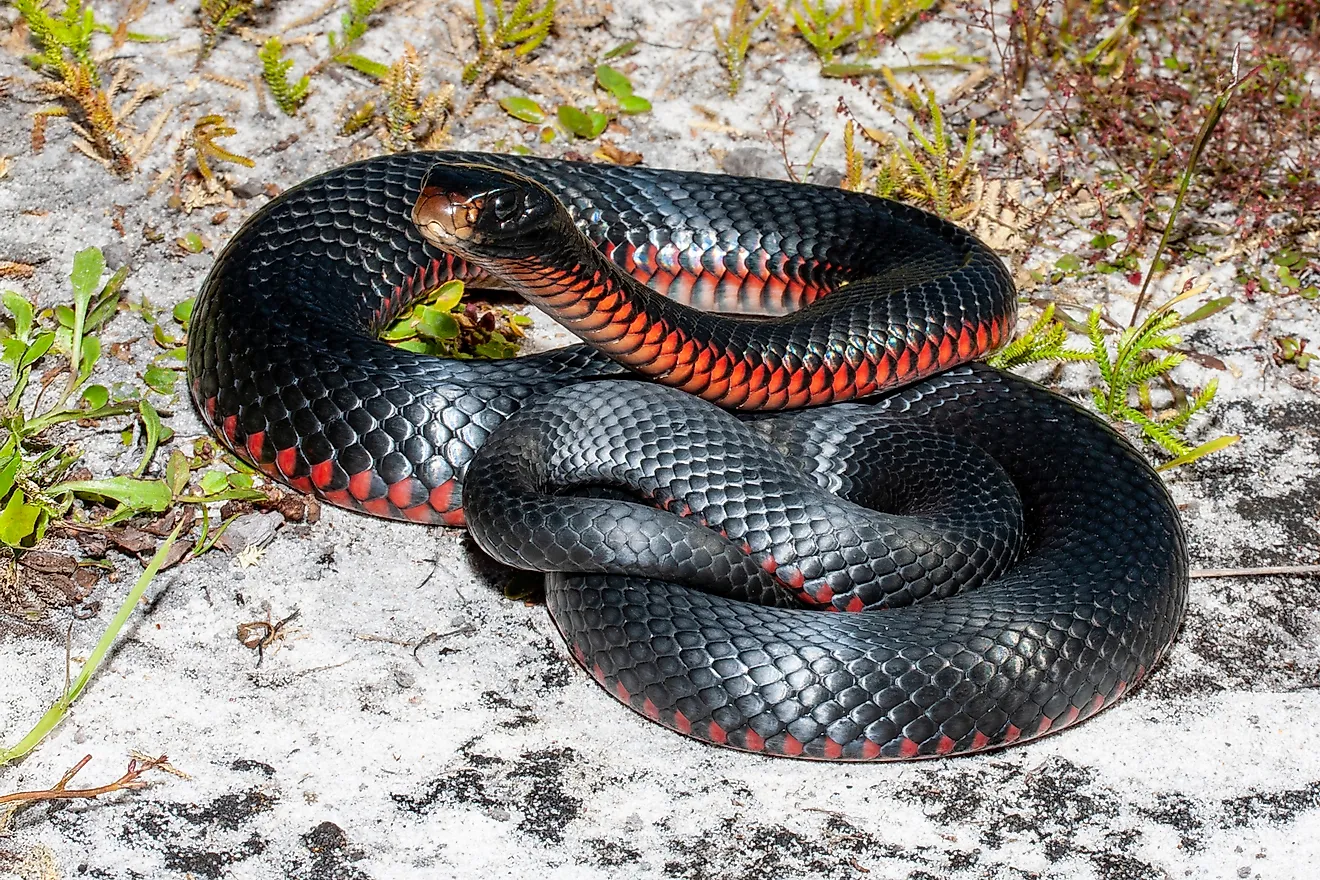
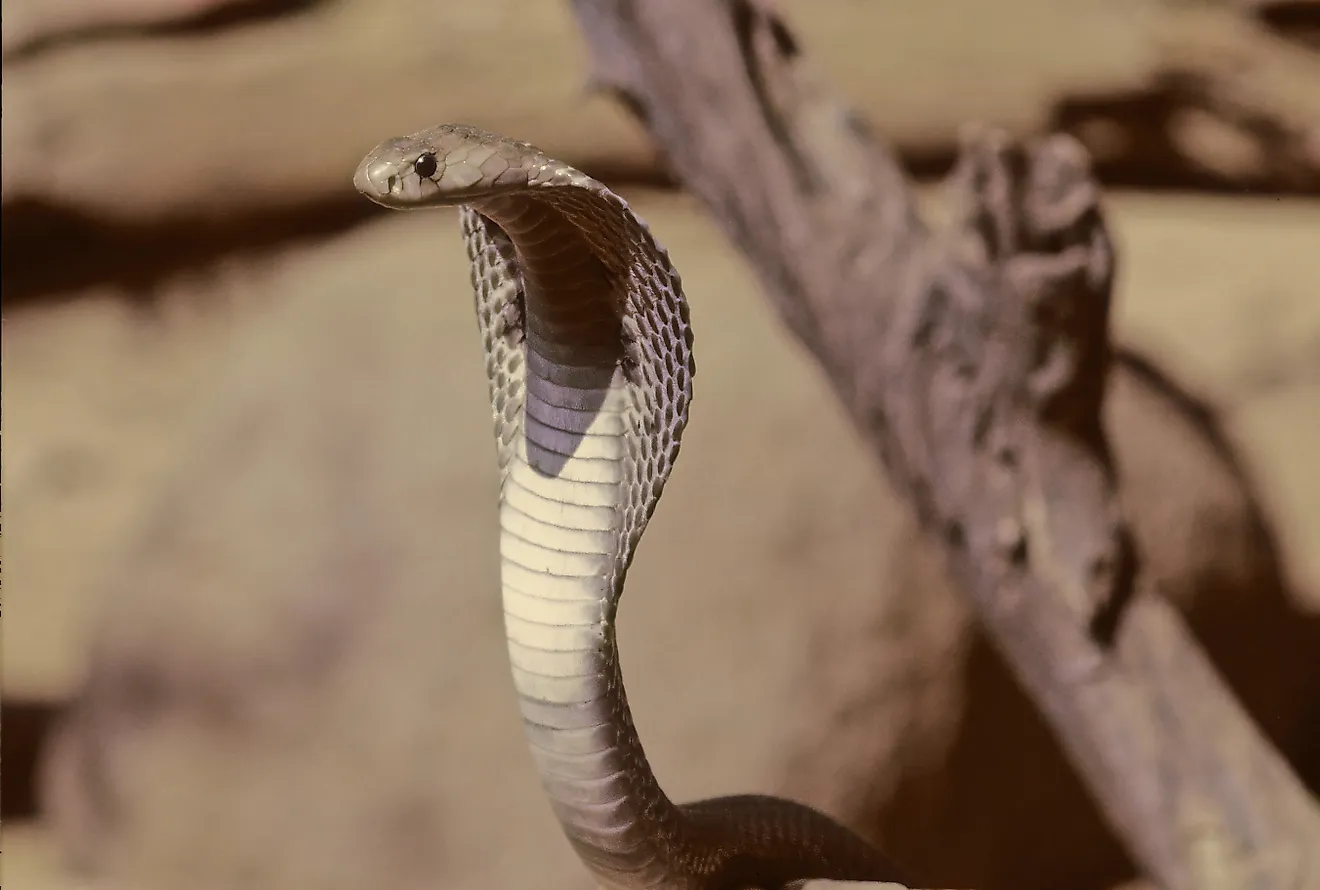
The Inland Taipan holds the title of having the most toxic venom of any snake on the planet. This reptile, found in the remote, dry clay flats of central eastern Australia, is the master of desert survival. The species is often referred to as a "fierce" snake, which has more to do with its venom's toxicity than with aggression. This specialized reptile is a mammal hunter, preferring especially the long-haired rat. With its lightning-fast strike, it injects its lethal venom into the animal, rendering it instantly unconscious.
This animal has adapted to harsh conditions and changes color with the seasons. During the winter months, the taipan appears chocolate brown to absorb sunlight, and in the summer, it appears olive green, better for deflecting the sun.
The Rare and Wonderful Creatures of Australia

Australia is home to some of the most impressive and unique specimens on the planet. Even so, many of these animals struggle to survive. Unusual lifestyles or looks do not protect them from habitat loss, invasive predators, and changing environmental conditions. Still, interest in such wildlife often supports programs aimed at saving them. While discovery brings awareness, venturing into remote parts of Australia demands careful behavior. Respect matters just as much as curiosity when moving through fragile environments. Whether it is the ‘happiest creature on earth’ like the quokka or the most menacing looking in the thorny devil, all of the wildlife from this special continent can be admired without disturbing them.