10 Iconic Animals That Live Only In The US
The United States has an unusual number of natural boundaries that isolate species. Island chains sealed off by the Pacific, peninsulas pinched by wetlands, and stretches of coastline that certain animals settled into and never left. The Channel Islands off southern California are one example, home to a fox found on six specific islands and nowhere else on Earth. The ten animals ahead were chosen because their ranges are that narrow. Each one reveals something different about what isolation looks like across a single country.
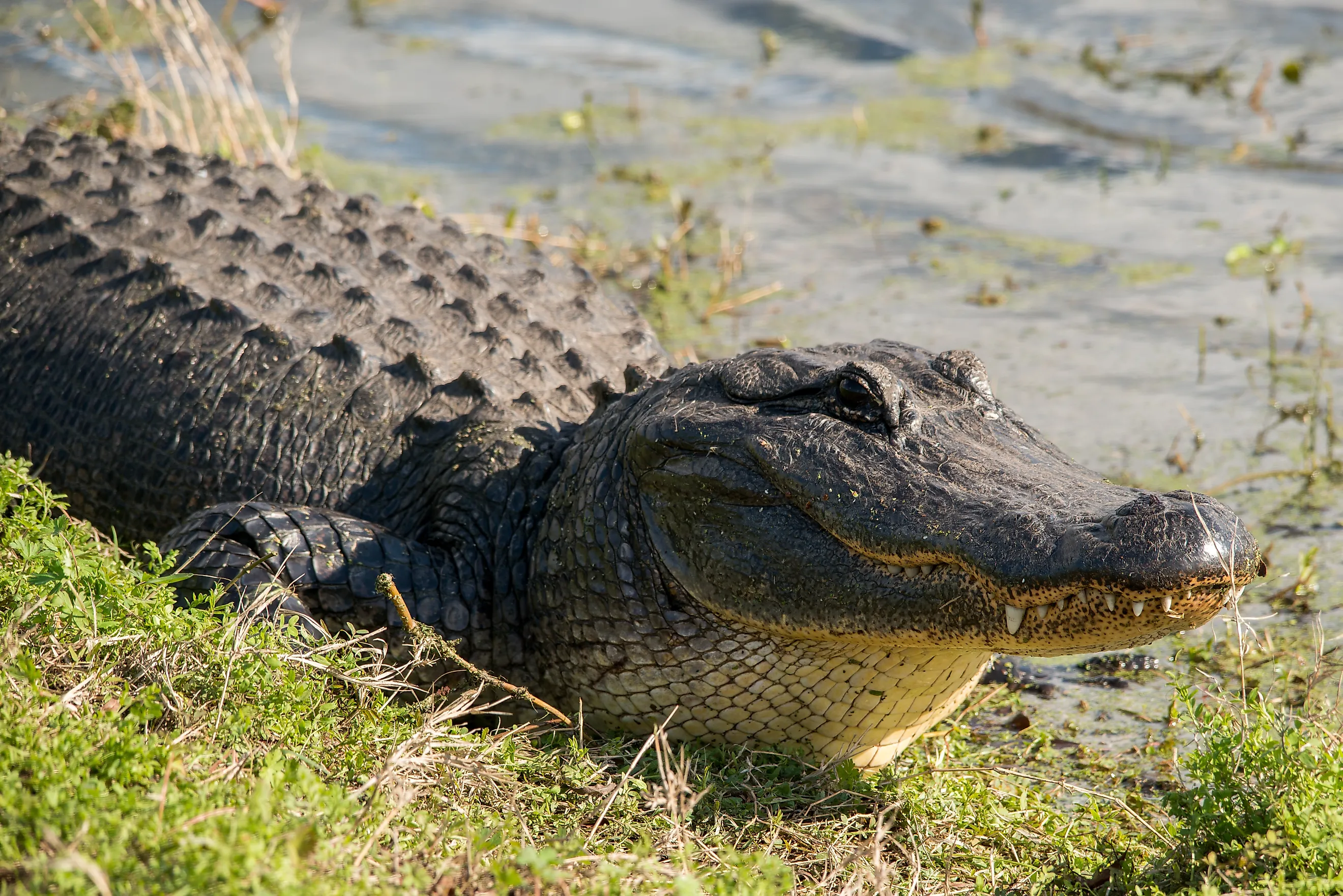
American Alligator

Residing in the southeastern United States, the American alligator (Alligator mississippiensis) makes its home along the coastal plains of North Carolina, south through Florida, and west into central Texas. Most of the time, these semi-aquatic reptiles stay in freshwater marshes, swamps, lakes, and slow-moving rivers. Males typically reach 11 to 14 feet, while females are smaller at about 8 to 10 feet. On land they can sprint at up to 11 mph when threatened, and in water they swim at speeds up to 20 mph.
The American alligator is also one of the success stories of the Endangered Species Act. It was listed as endangered in 1967, declared fully recovered, and removed from the endangered list in 1987. The species does not hibernate but enters periods of dormancy when temperatures drop, excavating "gator holes" along waterways and retreating into them during cooler months.
Florida Panther

Chances are you have never seen a Florida panther (Puma concolor coryi). The current FWC and USFWS population estimate is roughly 120 to 230 adults and subadults, with the core breeding range concentrated in southwest Florida south of the Caloosahatchee River. These big cats are a subspecies of the mountain lion, sharing the same coloring but with subtle differences. Many Florida panthers have a cowlick in the middle of the back and a kink in the tail. Both features are markers of severe inbreeding during the 1970s and 1980s, when the wild population dropped to roughly 20 to 30 animals. A 1995 genetic restoration program brought in eight female Texas pumas to broaden the gene pool.
The Florida panther remains federally listed as endangered. Adults run about 6 to 7 feet long. Outside of mating season, panthers lead solitary lives, marking territory with claw marks, pheromones, and scat. Litters typically run 1 to 4 kittens, and many do not reach adulthood because of predators, disease, genetic disorders, and vehicle collisions. Vehicle strikes remain the single largest cause of mortality, with 24 panther deaths recorded in 2024 (the highest annual toll since 2016). Panthers cannot roar like the larger cats. They communicate through purrs, hisses, snarls, growls, and yowls.
Island Fox

The island fox (Urocyon littoralis) lives only on six of the eight Channel Islands off the coast of southern California: San Miguel, Santa Rosa, and Santa Cruz in the north, and Santa Catalina, San Clemente, and San Nicolas in the south. The species resembles its mainland cousin the gray fox, with distinctive black, white, and rufous facial patterns, but is much smaller. Adults stand only 12 to 13 inches tall and weigh about 4 to 5 pounds, roughly the size of a house cat.
Island foxes are one of two terrestrial carnivores on the islands and are actually omnivorous. Their diet includes insects, mice, and fruit off the native plants. They have also been observed climbing into bald eagle nests to scavenge dropped fish. The species is considered a keystone for the Channel Islands ecosystem because it disperses seeds and controls prey populations. Without the foxes, deer mouse populations would surge and damage native plants. In 2016, three island fox subspecies were removed from the Endangered Species List entirely, and the Santa Catalina population was downlisted to threatened status. It remains one of the fastest recoveries ever recorded for an endangered mammal in the United States.
Ozark Hellbender

The Ozark hellbender (Cryptobranchus alleganiensis bishopi) carries the most striking common name on this list. These large aquatic salamanders live only in cool, clear Ozark rivers and streams in southern Missouri and northern Arkansas. They rank among the largest salamanders in North America, reaching up to 24 inches long. Hellbenders are primarily nocturnal, coming out at night to feed mostly on crayfish along with small fish and other invertebrates. Anglers occasionally catch them by accident while fishing for game species.
Hellbenders as a lineage have been around for more than 150 million years and serve as an important indicator of healthy aquatic environments. The Ozark subspecies was federally listed as endangered in 2011 due to severe population declines tied to siltation, water quality degradation, and chytrid fungus infections. The Saint Louis Zoo has bred and released over 12,000 captive-raised Ozark hellbenders into Missouri rivers since 2011 as part of one of the longest-running amphibian recovery programs in the country.
Utah Prairie Dog

The Utah prairie dog (Cynomys parvidens) is the smallest prairie dog species and the only mammal endemic to Utah. The species lives only in the southwestern part of the state and is not found anywhere else in the world. Adults measure 12 to 16 inches long with reddish-brown fur and short white-tipped tails. The black eyebrow above each eye distinguishes Utah prairie dogs from other prairie dog species.
Like other prairie dogs, the Utah prairie dog is a keystone species of the western United States. Their burrows aerate soils and support increased plant growth, and the colonies themselves anchor predator-prey relationships across the sagebrush steppe, supplying food for badgers, hawks, eagles, and coyotes. Prairie dog vocalizations are also unusually complex. Gunnison's prairie dogs (a closely related species) produce alarm calls that encode information about predator type, with different chips and barks for different threats and details about the predator's physical features.
Alabama Beach Mouse

The Alabama beach mouse (Peromyscus polionotus ammobates) lives only in coastal sand dune areas along the Alabama Gulf Coast. These small, light-colored mice weigh an average of 0.46 ounces (13 grams) and reach about 4 to 5 inches in length including the tail. Their large eyes and ears help them navigate at dusk when they leave their burrows to feed. The species is primarily monogamous, meaning individual mice mate for life. Adult lifespan runs only about five to nine months in the wild, and both parents care for the young during the fall and spring breeding seasons. The species was federally listed as endangered in 1985 and faces ongoing threats from severe weather events, invasive predators, and coastal development along the Fort Morgan peninsula and Bon Secour National Wildlife Refuge.
Key Deer

The Key deer (Odocoileus virginianus clavium) is the smallest subspecies of white-tailed deer, reaching only 25 to 30 inches at the shoulder and weighing about 80 pounds. These small deer live across the archipelago of islands off the southern tip of Florida. Unlike most deer, Key deer do not mind getting wet and will swim between islands. In the 1940s, the wild population fell to fewer than 50 due to hunting and habitat destruction. Today the Key deer population sits at roughly 700 to 800 animals, thanks to conservation efforts by the National Key Deer Refuge, established in 1957. The combination of roadway fencing, stricter speed limits within the refuge, and tighter hunting laws have allowed the population to recover, though Hurricane Irma in 2017 set the recovery back significantly through habitat destruction across Big Pine Key and No Name Key.
Florida Scrub-Jay

The Florida scrub-jay (Aphelocoma coerulescens) is another native Florida species found nowhere else in the world. It requires sandy, scrubby habitat to survive and does best in areas with abundant oak shrubs averaging 3 to 6 feet (1 to 2 metres) tall. The species looks slightly different than its blue jay cousin, similar in size but without the black markings or the crest. Florida scrub-jays are typically seen hopping on the ground, in trees or shrubs, or perched vertically on branches with their tail hanging down.
Acorns make up a large part of the diet, supplemented with insects, frogs, toads, lizards, mice, and bird eggs. The species faces significant habitat loss from agricultural development and fire suppression. Without periodic fires, the scrub habitats grow too dense and tall to support the species. Over the past century, the population has declined by about 90% due to these combined pressures. The Florida scrub-jay was federally listed as threatened in 1987.
Red Wolf

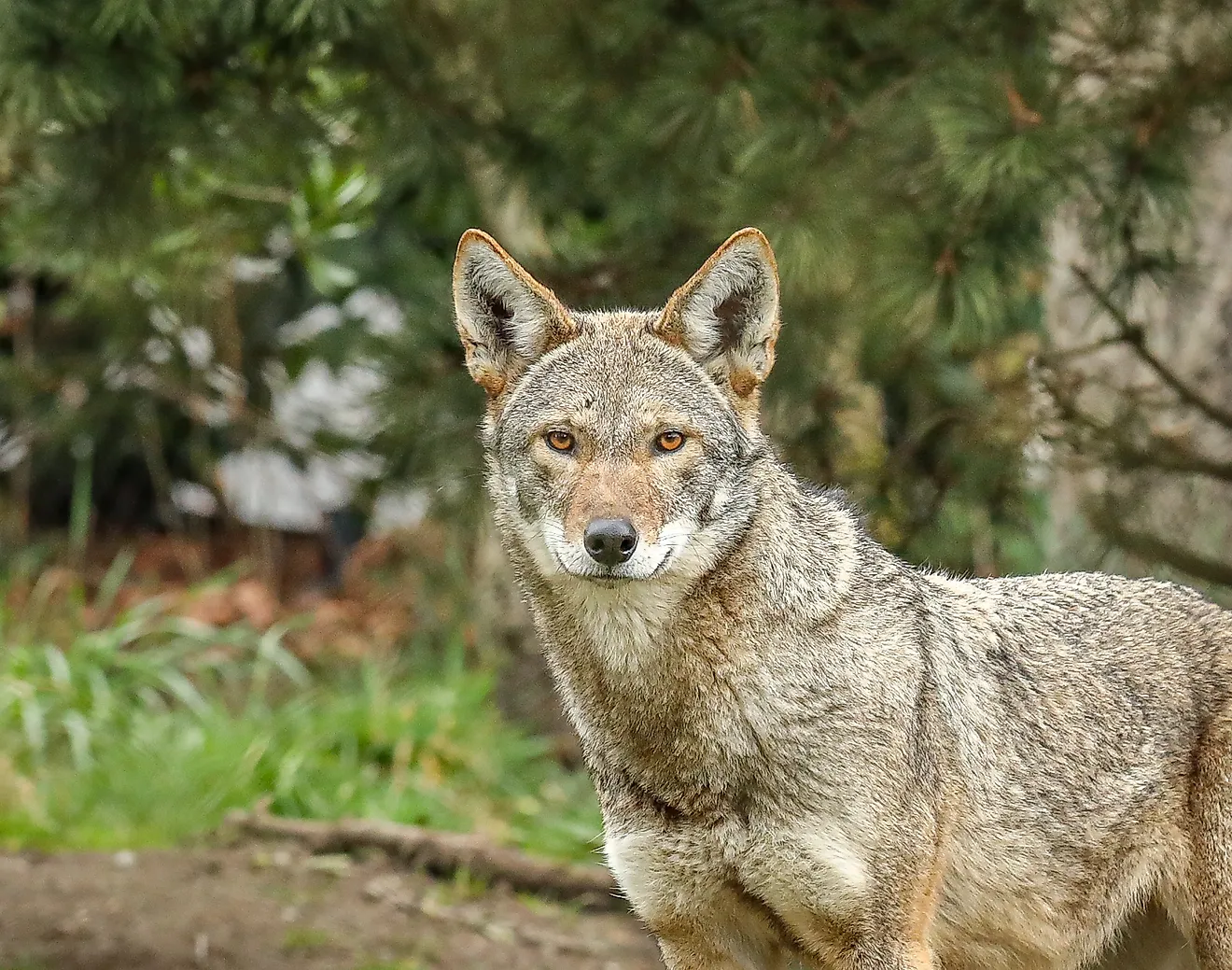
Red wolves (Canis rufus) are lean canids with black-tipped bushy tails. They earned their name from the reddish-brown color of the fur around the muzzle, behind the ears, and on the backs of the legs. They stand 26 inches at the shoulder and typically weigh between 45 and 80 pounds. Red wolves once roamed across the southeastern United States. Today the only wild population lives in eastern North Carolina's Albemarle Peninsula, where the U.S. Fish and Wildlife Service runs the long-running Red Wolf Recovery Program. Decades of hunting and habitat loss drove the species to the brink of extinction in the 1970s, and red wolves were declared extinct in the wild in 1980 after 17 remaining wolves were captured, 14 of which became the founders of a captive breeding program.
The current wild population stands at roughly 27 to 31 known individuals as of late 2025, with around 280 additional red wolves housed in roughly 50 SAFE (Saving Animals From Extinction) facilities across the country. The 2025 breeding season produced 16 wild-born pups across four litters, the strongest cohort in years. Captive red wolves typically live 7 to 9 years, while wild lifespan averages 2 to 3 years. The oldest known wild red wolf was 14 years old when she died in 2023.
Water Moccasin

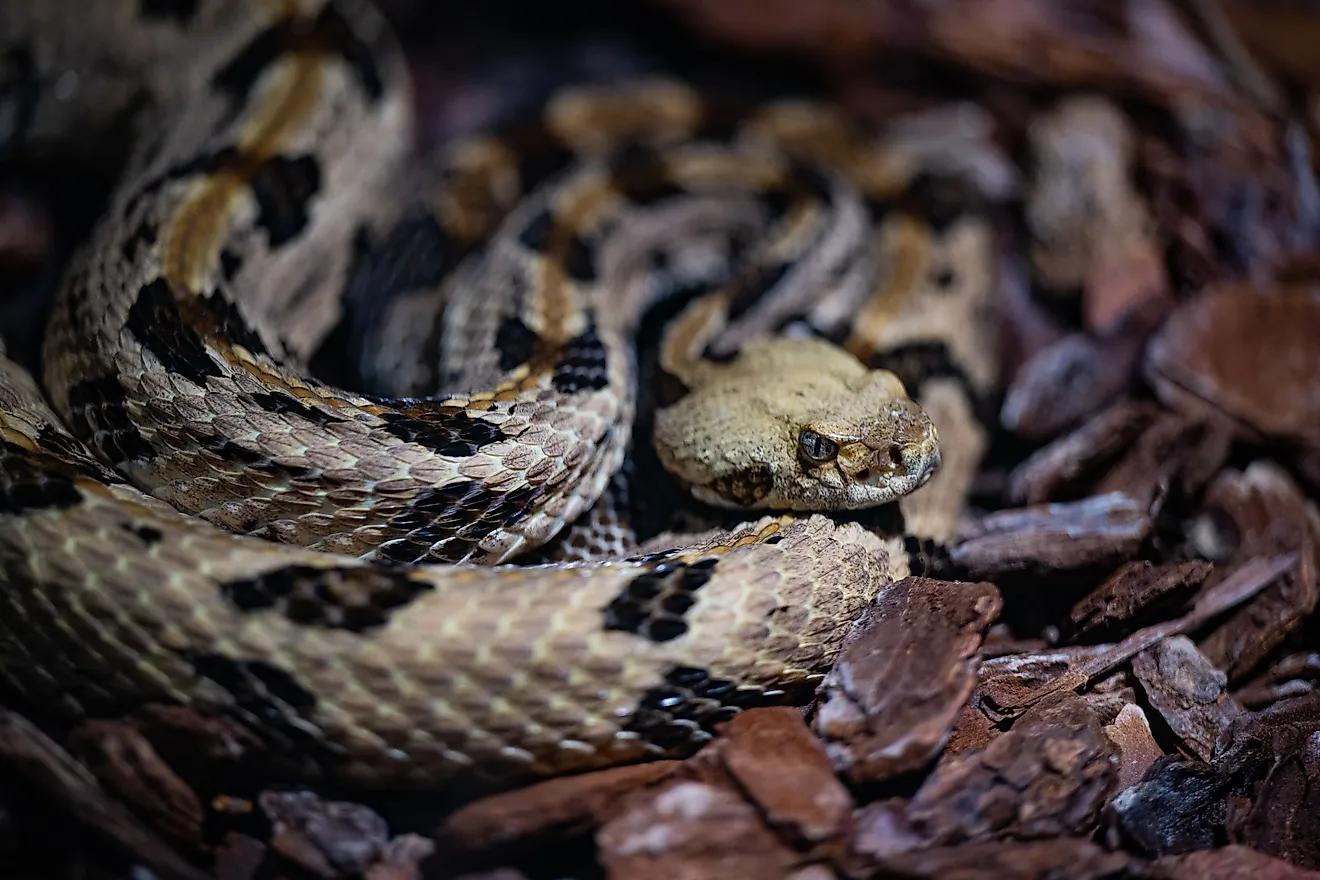
The water moccasin or cottonmouth (Agkistrodon piscivorus) is named for the white color inside its mouth, displayed in a defensive gape. These large, heavy-bodied pit vipers measure 24 to 48 inches in length and have a triangular head significantly wider than the neck, plus heat-sensing pits located between the eyes and nostrils. The species is native to the southeastern United States, inhabiting wetlands, river floodplains, slow-moving streams, and cypress swamps. The Florida cottonmouth (Agkistrodon conanti) was split out from the broader cottonmouth in 2015 and is now treated as a separate species across most of Florida.
Cottonmouths look similar to nonvenomous watersnakes, but watersnakes typically flee immediately when disturbed. Water moccasins also usually retreat if given the chance but may gape defensively when threatened. Despite their aggressive reputation, they rarely bite humans. The venom is hemotoxic, which causes tissue destruction, pain, swelling, and disruption of normal blood clotting. Bites are serious but fatalities are rare with prompt medical attention.
How U.S. Wildlife Shapes Its Ecosystems
The animals above are as diverse as the landscapes they inhabit. Forested mountains, remote deserts, coastal wetlands, and offshore islands each carry their own endemic species, and several of the animals on this list (the alligator, the island fox, the Utah prairie dog) directly shape the ecosystems they live in. Conservation outcomes have also varied. The alligator was delisted in 1987 and the island fox in 2016. The Florida panther and red wolf remain federally endangered with active recovery programs underway. Each animal holds a piece of the country's geography that exists nowhere else.