The Most Invasive-Species-Infested Rivers in America
Invasive species are bulls in a china shop for delicate ecosystems. Rivers make especially vulnerable targets since they absorb runoff from wide swathes of land. The bigger factor is human activity on these liquid highways. The main culprits are discarded aquarium pets, non-native landscaping plants, and discharged ballast water. Hold your breath but try not to avert your gaze. These are the most invasive-species-infested rivers in the United States.
Mississippi River

Stretching from Minnesota to the Gulf of Mexico (Gulf of America), the second-longest river in the U.S. passes through no less than 10 states, and has been dealing with severe ecological problems from myriad invasive species. According to the USGS, there are "over 140 aquatic invasive species present in the Upper Mississippi Basin", causing both profound ecological damage and incurring heavy economic cost. There are two main culprits disrupting the ecology of the Mississippi River: carp and zebra mussels. Various Asiatic carp species were intentionally imported into the US beginning in the 1970s as part of an effort to tame rampant algal blooms, most notably bighead and silver carp. Now, their populations have grown unchecked, sucking up much of the available biomass which would be consumed by native species.

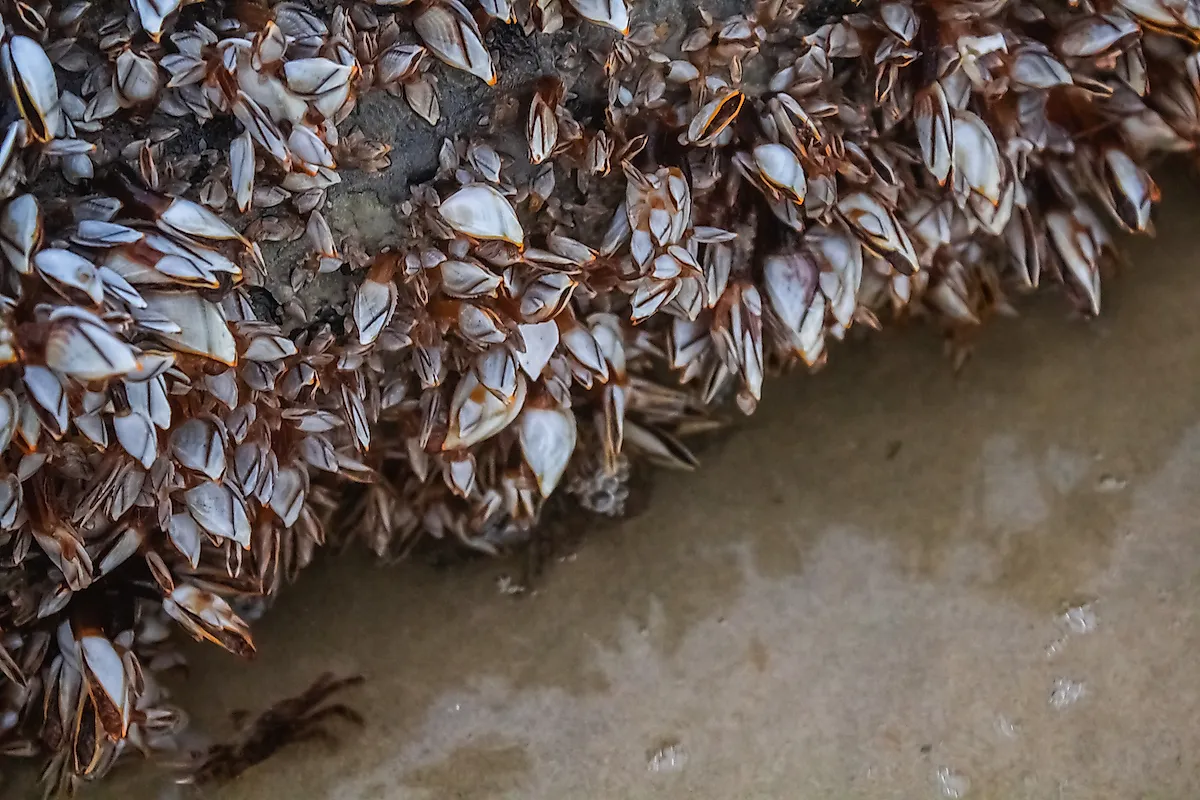
The other major offender in the Mississippi River, zebra mussels, have an entirely different modus operandi, specializing in sabotage. Sources affiliated with the University of Minnesota state that zebra mussels arrived in Duluth Harbor in 1989, then subsequently found their way into many additional waterways in the 1990's. According to the USGS, these calamitous clams cause nearly 1 billion dollars worth of damage along U.S. waterways annually. Specifically, these little creatures interfere with the functionality of boats and aquatic recreational vehicles. Recent reports from the St. Croix River have described boaters actually losing speed due to thick blankets of mussels covering hulls and transoms. Down in Louisiana, these tiny invaders have caused serious problems by clogging industrial pipes in various chemical, water treatment facilities, and power plants, either severely restricting water flow or cutting it off entirely in some cases. The zebra mussels tend to attach themselves to the inside of piping, which makes it rather difficult to remove them.
Snake River

The Twin Falls area of the Snake River in Idaho has begun to feel the effects of rapidly reproducing quagga mussels, a close relative of the zebra varieties. In addition to disrupting water supplies, these filter-feeder mussels absorb vast quantities of nutrients which would otherwise go to local species. As a result, the quagga mussels are getting a heaping slice of nutrient pie, while native species are left out to dry, resulting in shrinking populations.

These unwelcome settlers were only detected as recently as September of 2023, so there is little prior experience to work with in terms of control. As of 2025, however, reports indicate that the infestation is largely being contained at a cost of roughly $3 million per year. While it has been stated that the area mostly affected is the Mid-Snake River near Twin Falls, the harm done to irrigation, hydropower, and water delivery systems could be more extensive. Another unpleasant visitor has come in the form of walleye, which reached the lower Snake River in the late 1990s. Though beloved as a game fish, it crowds out recovering salmon populations, leaving conservationists to fear it will undo decades of work.
Ohio River

Flowing through six states and eventually joining up with the Mississippi River, the Ohio River has its own fair share of invasive species to contend with, including the ever-present zebra mussel. Asian carp are also of great concern, working their way back up from the Mississippi River, because as plankton feeders, they suck up massive resources at the bottom of the food chain, pulling the rug out from under an entire ecosystem.

The Ohio River hosts another very annoying invasive species, the curly-leaf pondweed. People often refer to them as "lasagna noodles," due to their dense mats that disrupt ecological systems. Interestingly, they thrive in water up to 15 feet deep and form mats that can literally clog up the moving parts of boats. Curly-leaf pondweeds are also something of a dual threat in that they simultaneously displace local flora while also causing unnatural oxygen deprivation and/or nutrient spikes at different times of the year.
Colorado River

As with virtually all of the other entries on our list, the Colorado River is also plagued by invasive mussels, along with tamarisk shrubs and rusty crayfish, which are able to outmatch local crayfish with greater strength, winning their food and habitat. New Zealand mudsnails are also wreaking havoc, able to generate up to 40 million descendants in a single year, resulting in up to 300,000 inhabitants per square meter.

Tamarisk shrubs tend to take over riverbanks, alter soil chemistry, all while consuming lots of water. Containment measures come at their own cost, often requiring the use of pesticides. Similarly, crayfish and mudsnails eat fish eggs or insects and crowd out native species through faster reproduction cycles. Far and away, however, the dreissenid mussels are the dominant threat. Quagga mussels have long held downstream reservoirs like Lake Powell and Lake Mead, while zebra mussels reached the upper Colorado in 2025: Colorado Parks and Wildlife officially designated the river as infested from the 32 Road bridge near Grand Junction down to the Utah border, with veligers detected as far upstream as Glenwood Springs. Up to their usual tricks, these invaders do a bang up job clogging pipes and smothering native mussel inhabitants, all the while gobbling up more than their fair share of available food resources. Perhaps most alarmingly, the parasitic Asian tapeworm has been documented in the Colorado River basin since the 1990s. Capable of spreading rapidly, these unwanted intruders have been linked to drastically declining native cyprinid populations, including the federally endangered humpback chub.
A Way Forward
While it has been said that the Mississippi River, Colorado River, and Snake River are among the most infested rivers in the US, it's fair to say that there are few waterways which are not undergoing distress. Environmental issues are rarely fun to discuss, despite their tremendous importance. Through awareness, we can begin to grasp the problems facing our shared ecosystems and begin to make positive change. After all, if we work to preserve the world around us for future generations, it will be easier to appreciate, and easier to care for. Here's to restoring the balance.