Were The Ottomans Successors To The Roman Empire?
Contrary to popular belief, the Roman Empire didn’t fall in 476. While Western Rome collapsed around this time, the Eastern Roman Empire persisted for the next thousand years. It eventually fell to the Ottomans when they took the capital of Constantinople in 1453. However, some argue that the Ottoman Empire was a successor to, and even a continuation of, the Roman Empire. From its territorial reach to its bureaucratic practices, there is meaningful evidence supporting this argument. At the same time, this claim of succession is controversial, and several other states also claimed to be a continuation of Rome.
The Fall (And Survival) Of The Roman Empire

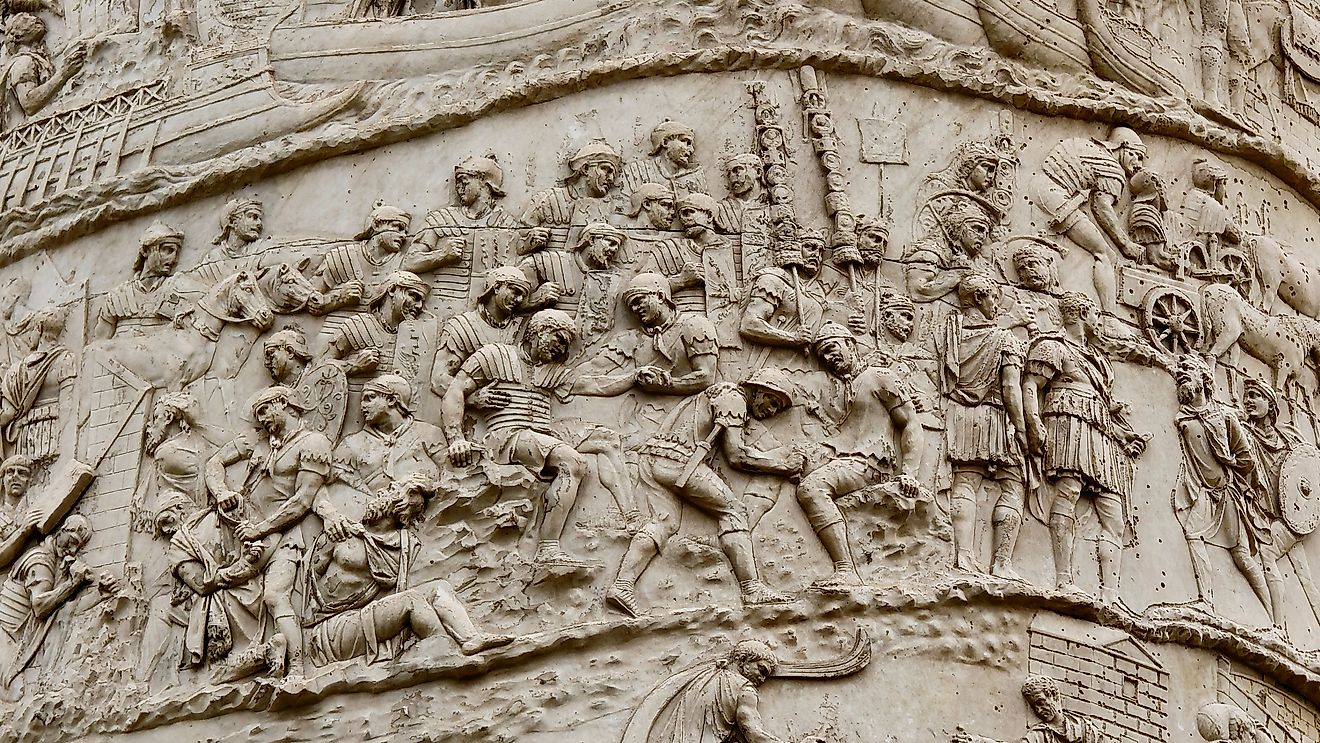
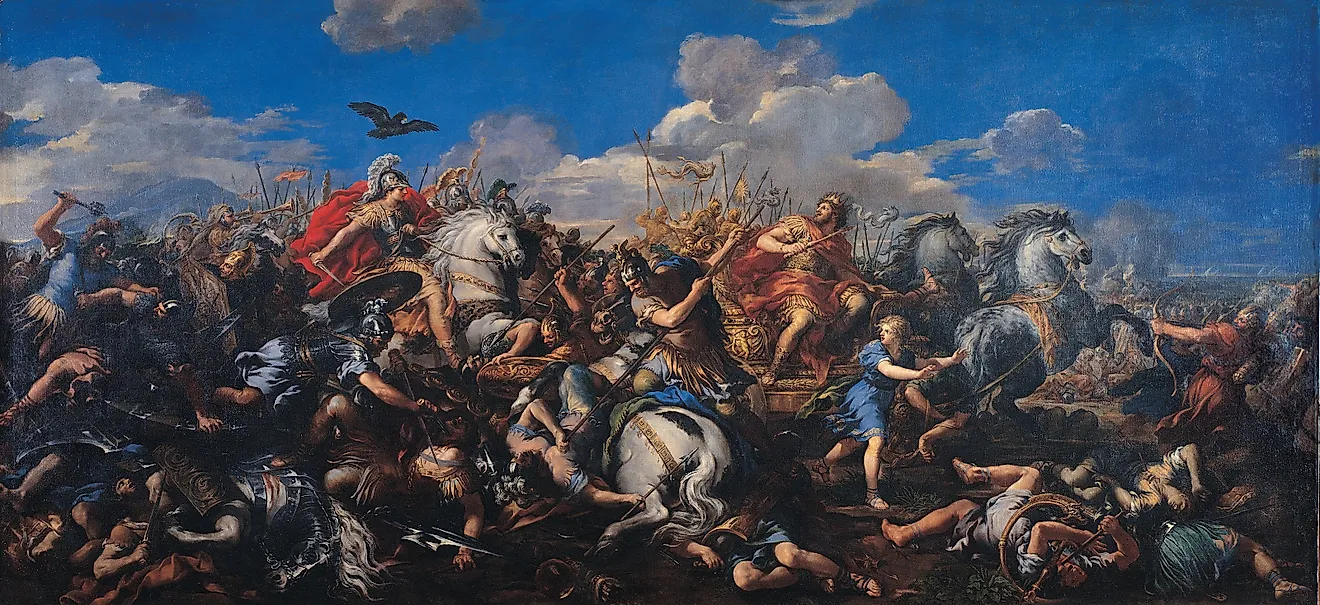
By the third, fourth, and fifth centuries, the Western Roman Empire was in trouble. Constant barbarian invasions had made it increasingly unsafe. They also put stress on an economy that was already collapsing due to rampant inflation and a declining population. For all these reasons, the Western Roman Empire fell in 476 when the Germanic King Odoacer deposed Emperor Romulus Augustulus.
As the West struggled and collapsed, the Eastern Roman Empire survived and thrived. Known retroactively as the Byzantine Empire, it remained a major player in the Middle East and Europe for centuries. The Byzantines even temporarily recaptured many Western Roman territories under the rule of Emperor Justinian I in the sixth century.
Over time, this power faded. The most significant turning point came in 1204 during the Fourth Crusade, when Catholic Crusaders from Western Europe sacked and captured Constantinople. While the Byzantines eventually retook their capital, it took nearly fifty years. From that point onward, the empire survived only through diplomacy and the misfortune of its adversaries.
The Conquest Of Constantinople

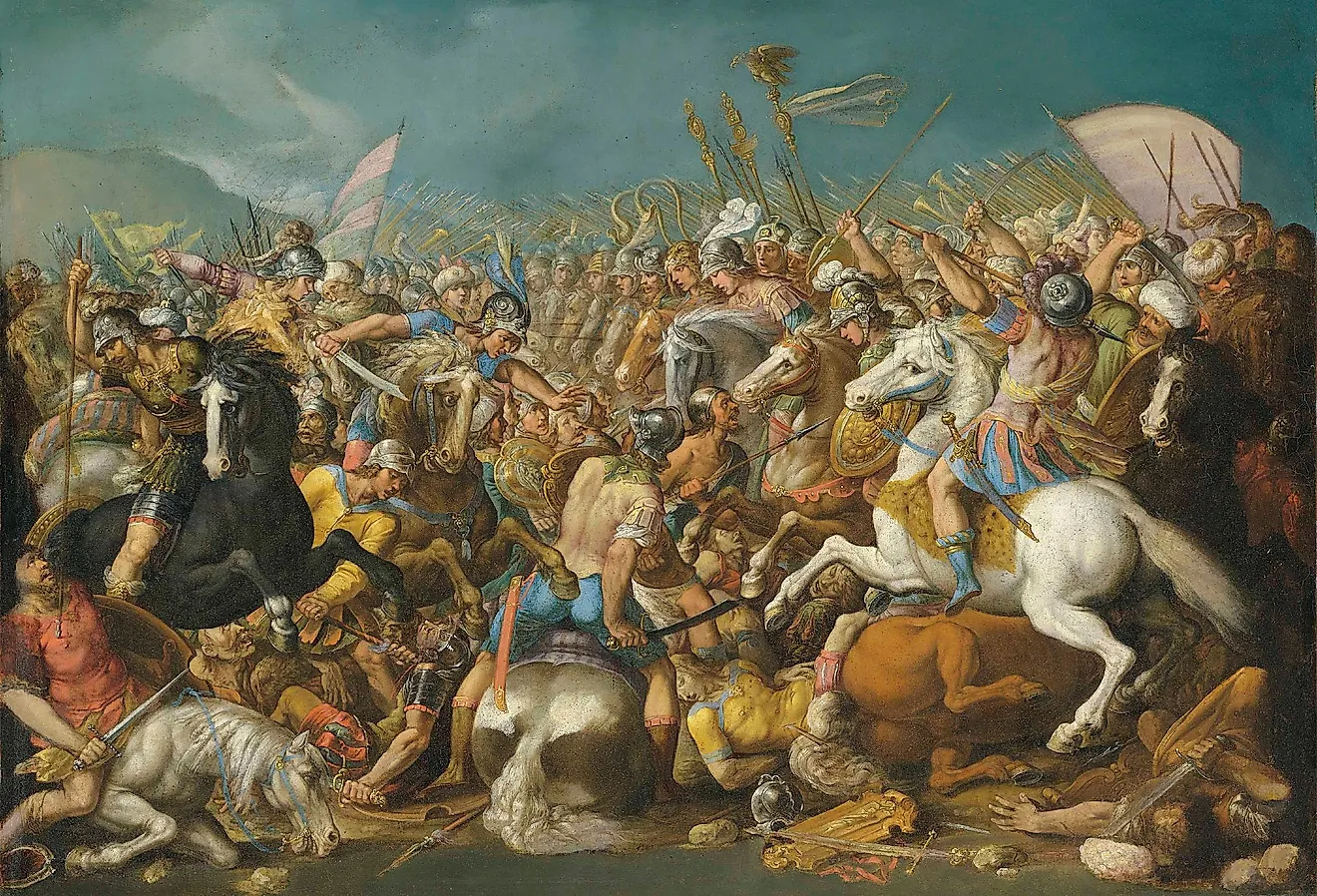
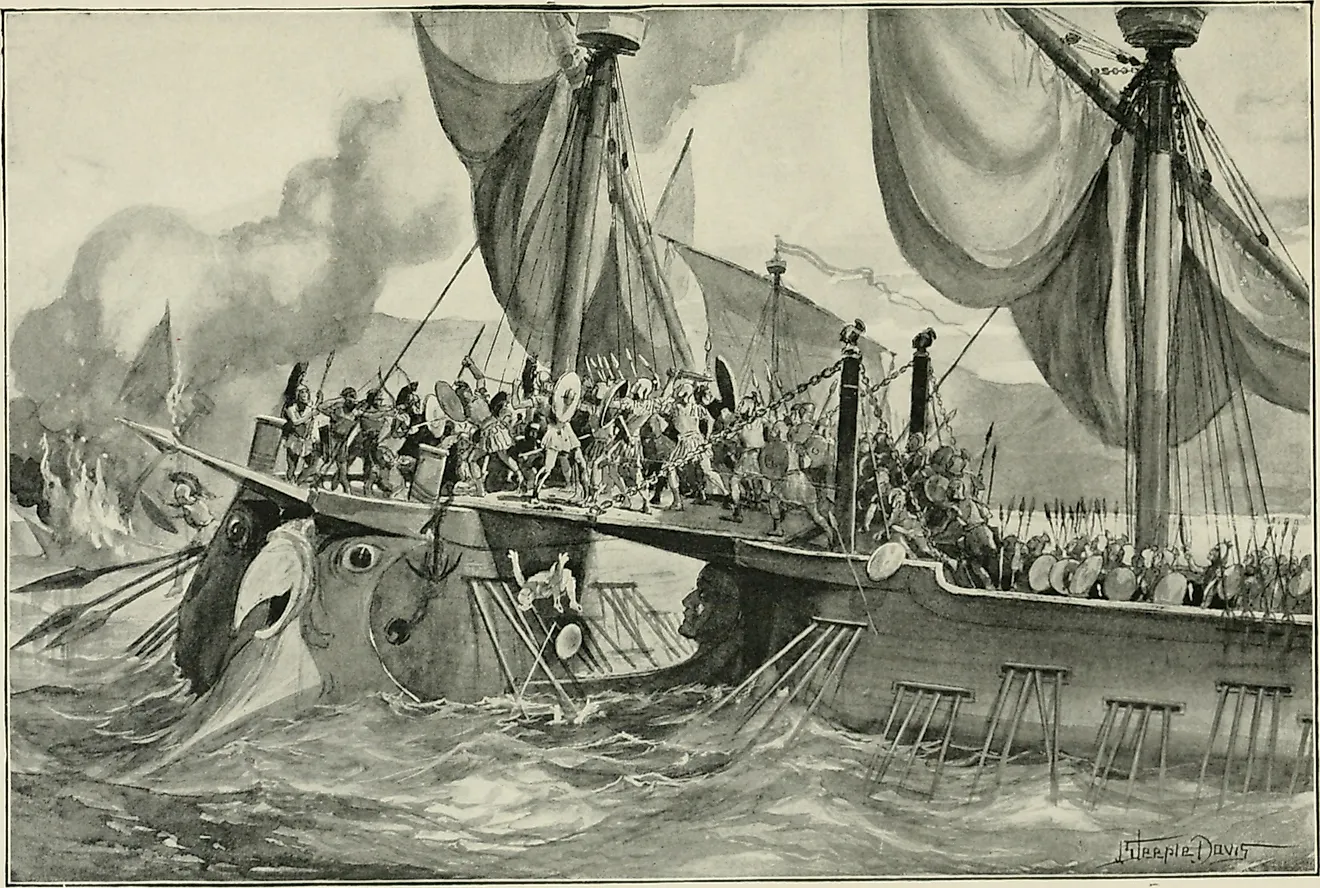
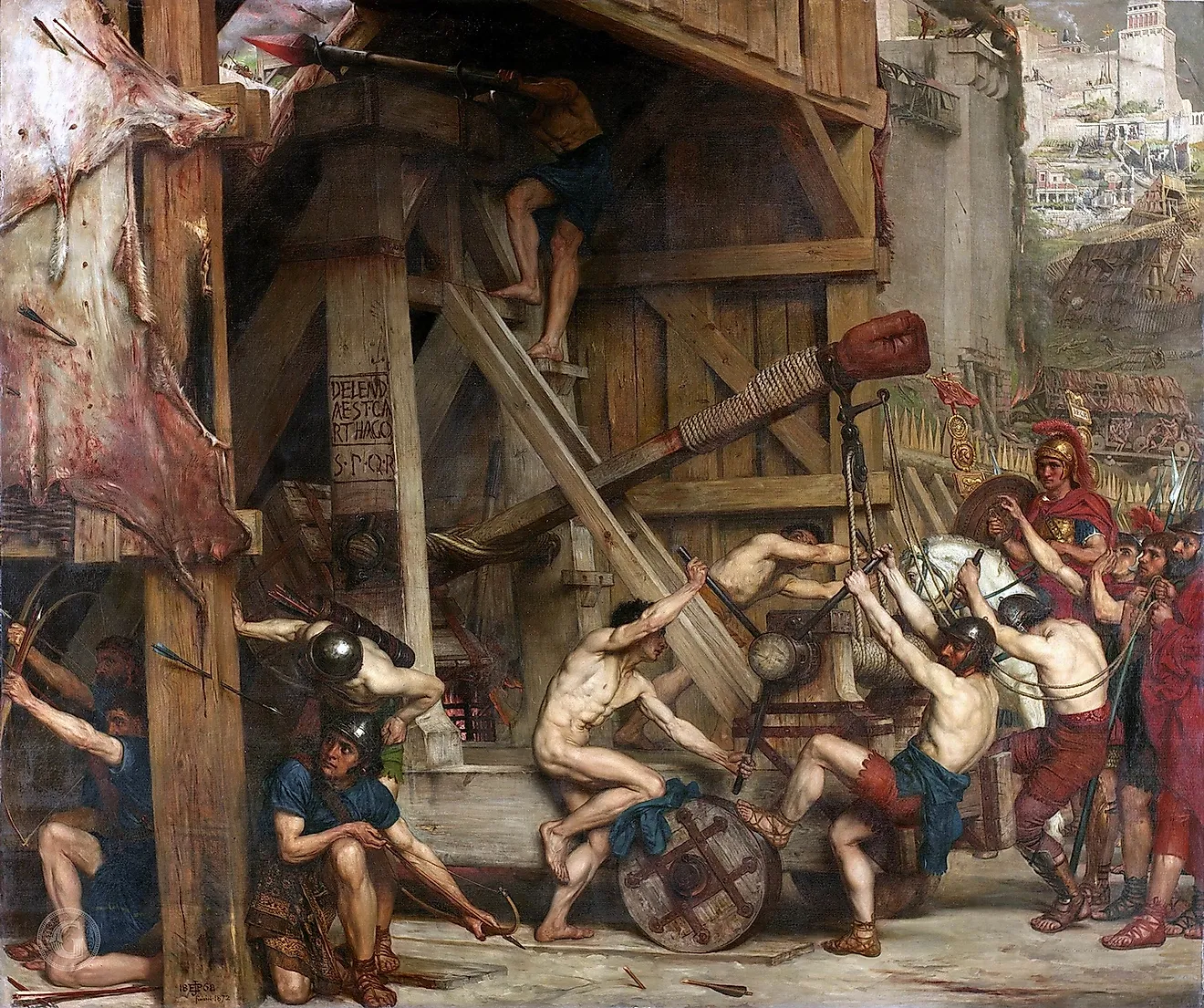
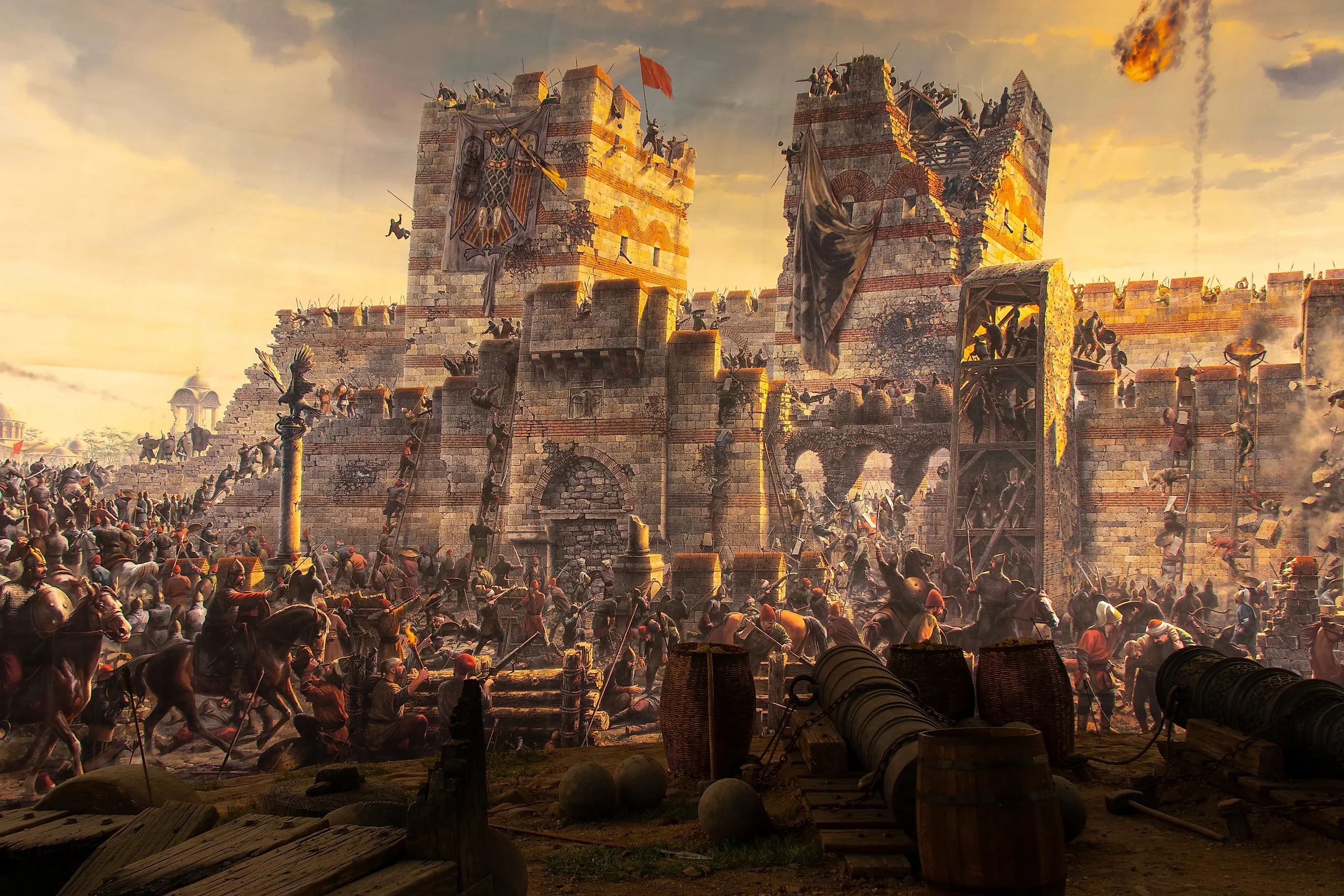
Emerging in 1299, the Ottoman Empire spent the first 150 years of its existence expanding across Anatolia and the Balkans, taking more and more Byzantine territory as it did so. This culminated in 1453, when they laid siege to Constantinople. The siege lasted 53 days, and the Ottomans used artillery, infantry, and the navy to take the city. In one particularly daring maneuver, they carried their ships over land and put them back into the water to bypass a giant chain blocking the city’s harbor. Ultimately, Constantinople fell on May 29th, 1453, along with the Byzantine Empire.
A Continuation Of Rome?

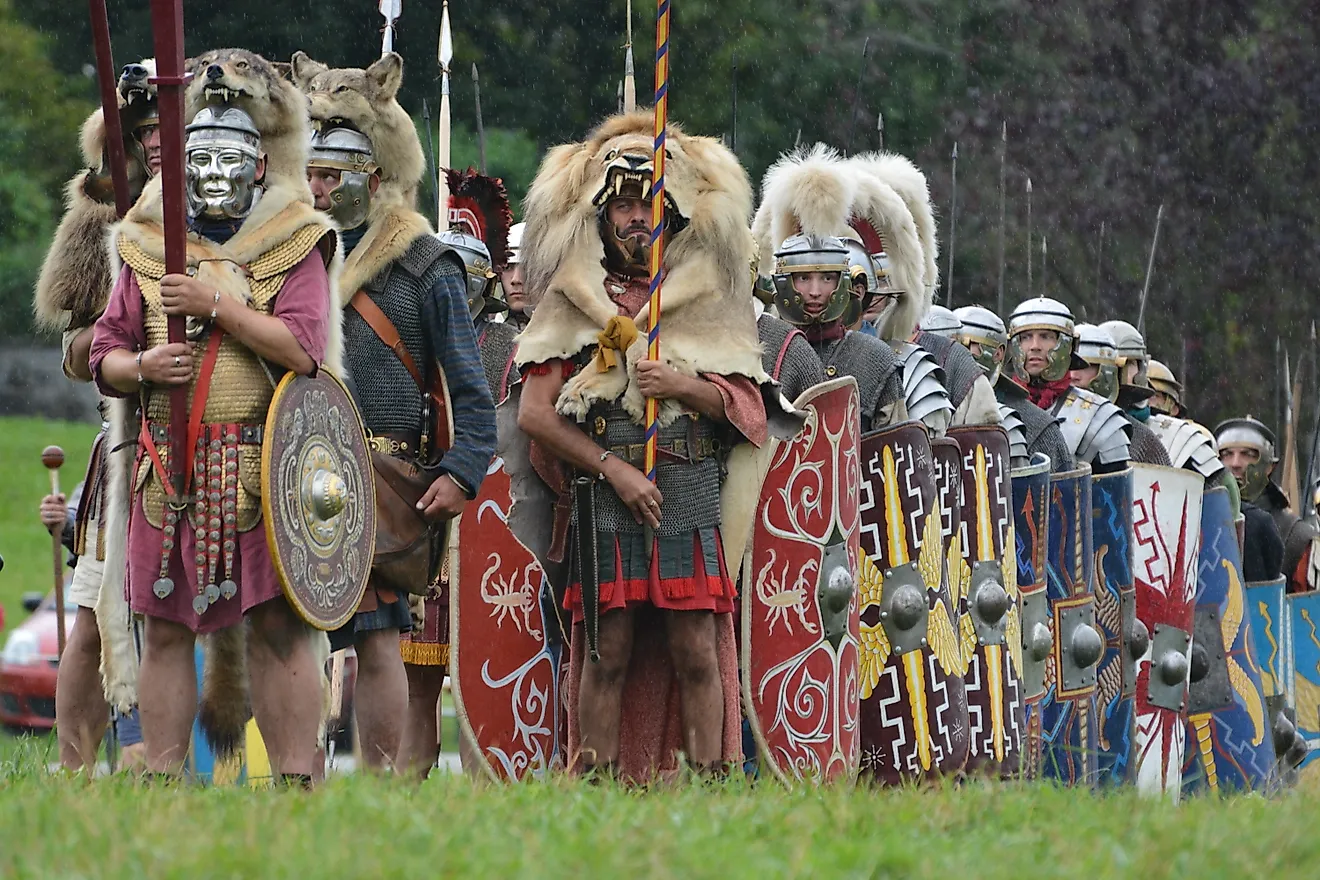
On the surface, it’s reasonable to assume that Roman civilization died with the Byzantines. However, the Ottoman Empire had similarities to the Roman Empire, and it continued many Roman traditions. The most obvious commonality was geographic. The Ottoman Empire controlled Anatolia, the Balkans, Greece, Egypt, Syria, and the Levant, all of which were major Roman provinces. While they never accumulated much territory in Western Europe, there was nevertheless major territorial continuity with the Byzantine Empire.
The Ottomans also adopted Byzantine bureaucratic practices. This could be most clearly seen in the taxation system. The Byzantines had sophisticated tax records and land surveys. Rather than creating records from scratch, the Ottomans incorporated them into their own centralized defter (register) system. Doing so ensured that tax revenue remained steady, even though the government had changed. Despite being Islamic, the Ottomans also let Greek, Armenian, and other indigenous Christian bureaucrats keep their positions. Expertise and specialized skills took precedence over a strict Ottoman identity.
A Shared Identity

The Ottomans themselves believed that they were successors to Rome. The “right of conquest” asserted that capturing another state's territory, and particularly its capital, transferred its political authority to the conquering power. The Ottomans adhered to this norm, as evidenced by Sultan Mehmed II immediately declaring himself the Kayser-i Rûm (Caesar of Rome) upon taking Constantinople. Geography again played into this perception. Much as Roman emperors claimed universal authority over civilization, Ottoman emperors saw themselves as leaders of a world empire because of its sheer territorial reach.

Constantinople remained a major global city under Ottoman rule. Part of this was pragmatic. Its location on the only waterway between the Black Sea and the Mediterranean meant that any power was incentivized to take advantage of its trade and military implications. Regardless, by restoring and expanding landmarks such as Hagia Sophia while creating new monuments like Topkapi Palace, the Ottomans ensured that Constantinople maintained a comparable level of global importance to what it had under Roman rule.
Challenges to Ottoman Succession

The notion that the Ottoman Empire was the successor to the Roman Empire was very controversial, particularly in Western Europe. The Ottomans were Muslim, whereas the Byzantine Empire (and the Western Roman Empire, at least at the end) was Christian. Therefore, several Christian European powers also claimed succession. The Holy Roman Empire, as established by Charlemagne in 800, was one such state. In the 16th century, the Russian monk Filofei also forwarded the idea that Moscow was the “third Rome”. While the legitimacy of some of these claims was questionable, they still challenged a major component of Ottoman legitimacy.
Rome Continued?
While resistance towards the Ottoman Empire’s claim of succession was rooted in xenophobia and religious prejudice, it is true that it was not simply “Rome continued”. Religious differences were important because they shaped Ottoman law and culture, making it meaningfully different from its Roman counterpart. The Ottomans were also predominantly Turkish, unlike the Latin/Greek Roman Empire. Any remnants of Latin culture or pagan traditions, once a defining feature of Roman civilization, were nowhere to be seen in the Ottoman Empire. In short, even though there are many similarities, it’s important not to lose sight of the differences.