How Ancient Egypt Became A Military Power
Almost every major power throughout world history has been backed by substantial military force. Ancient Egypt was no exception. While it took many forms and iterations, and is perhaps not thought of in the same category as a state like the Roman Empire, Egyptian civilization would not have survived as long as it did without substantial hard power. Geographic advantages, political unification, and foreign threats all shaped its military might.
Geographic Advantages

The Nile River gave Egypt an advantage over other contemporary civilizations. It flooded predictably each year, allowing farmers to plan their harvests well in advance. This facilitated rapid population growth and ensured that, in the event of a catastrophe like a drought or invasion, people did not go hungry. The Nile also made transportation and communication across Egypt easy. All these factors had major implications for Egypt’s military capacity, since it could both feed a large army and transport it across vast distances.

Egypt had other geographic advantages. Unlike Mesopotamia, which faced constant invasions due to open plains, Egypt was surrounded by deserts in the East, West, and South, and the Mediterranean Sea in the North. This relative security let Egypt focus on state-building and strengthening its non-military institutions. It also meant that it could take its time building up its army over centuries, rather than rushing to raise a military force to respond to constant imminent threats.
Political Unification

Around 3,100 BCE, Narmer unified Upper and Lower Egypt, marking the beginning of what most historians consider Ancient Egyptian civilization. This unification allowed for a highly centralized government. The pharaoh sat at the top and determined the overall direction of Egypt. The vizier was second in command and functioned as prime minister, overseeing daily administration, the judiciary, and tax collection. Officials called Nomarchs governed the provinces and ensured that their regional needs were met. Finally, scribes occupied the lowest level of government and recorded everything, from crop yields to tax payments. Much like how the Nile gave Egypt the necessary resources to build a strong army, this sophisticated administrative state ensured that it had the organizational capacity to do so as well.
Foreign Threats

For the first 1,500 years of Ancient Egyptian civilization, its army was relatively small. Geographic advantages meant that Egypt simply did not need an overwhelming military force. The army was therefore a temporary militia that was raised during times of war, and its soldiers used weapons like spears, maces, axes, and simple shields.
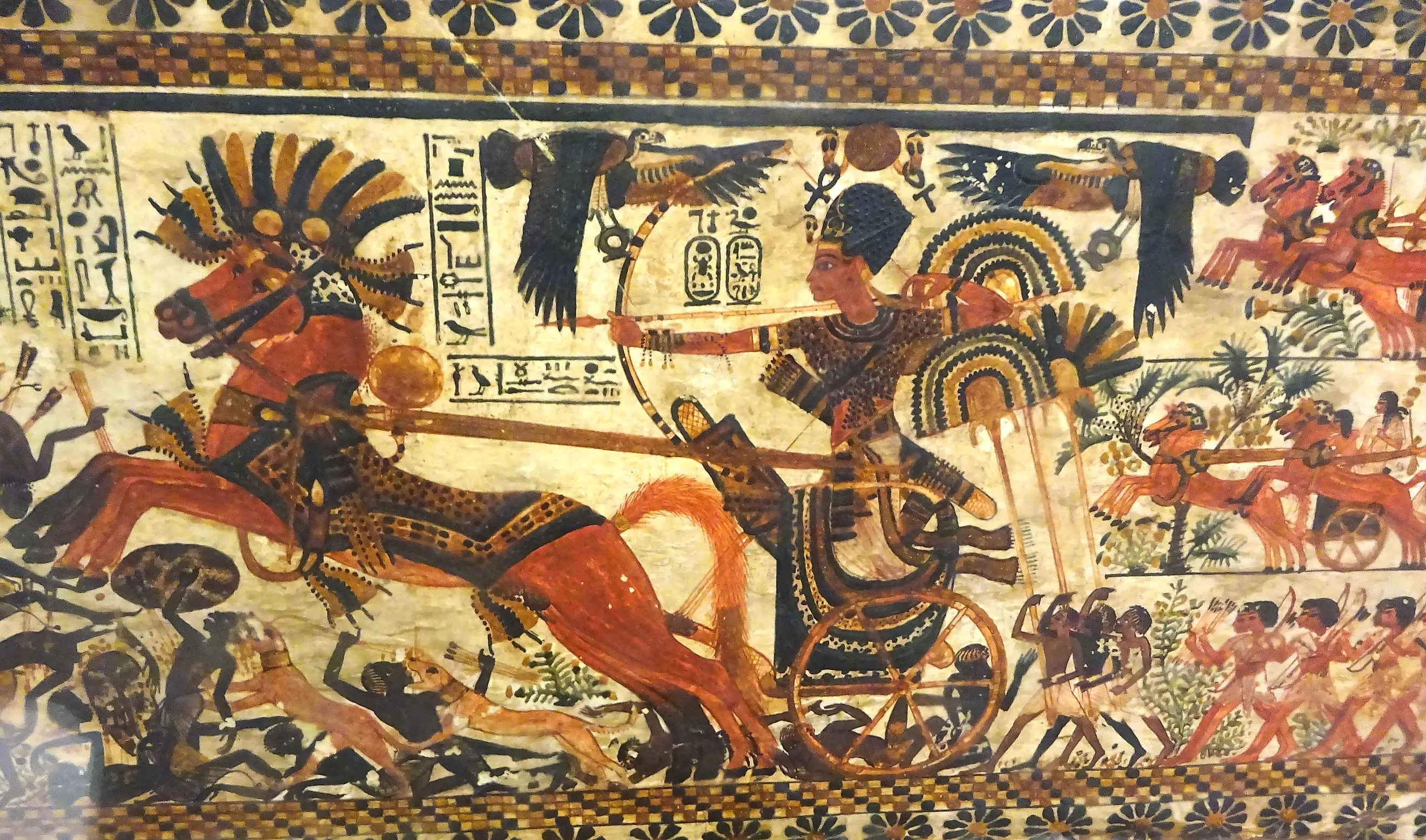
This all changed during the Hyksos rule in Egypt. The Hyskos were originally from Western Asia and settled in Egypt around 1,650 BCE. They quickly became the rulers of Northern Egypt due to their superior military technology, the most notable examples of which were horse-drawn chariots, composite bows, and bronze weapons. Initially humiliated by this occupation, Egyptians in the south rallied and pushed out the Hyksos by 1,550 BC. This experience taught Egyptian rulers that advantageous geography was no longer sufficient to defend the country. It now needed a formidable military.
The Height Of Egyptian Military Power

The New Kingdom period (1,500 to 1,070 BCE) was the height of Egyptian military power. During this era, the government developed an elite chariot corps, military bureaucracy, and fortified borders, all of which were backed by a professional standing army. Pharaoh Thutmose III, who reigned from 1,479 to 1,425 BCE, was responsible for many of Egypt’s greatest military achievements. Known retroactively as the “Napoleon of Egypt”, he conducted campaigns into Syria, Nubia (modern-day Sudan), and Canaan (modern-day Israel, Palestine, Lebanon, and Jordan). Such conquests then improved the Egyptian economy, as it gained access to more trade routes, slaves, and gold. In short, military and economic power reinforced each other, leading Egyptian civilization to the peak of its power.
Decline

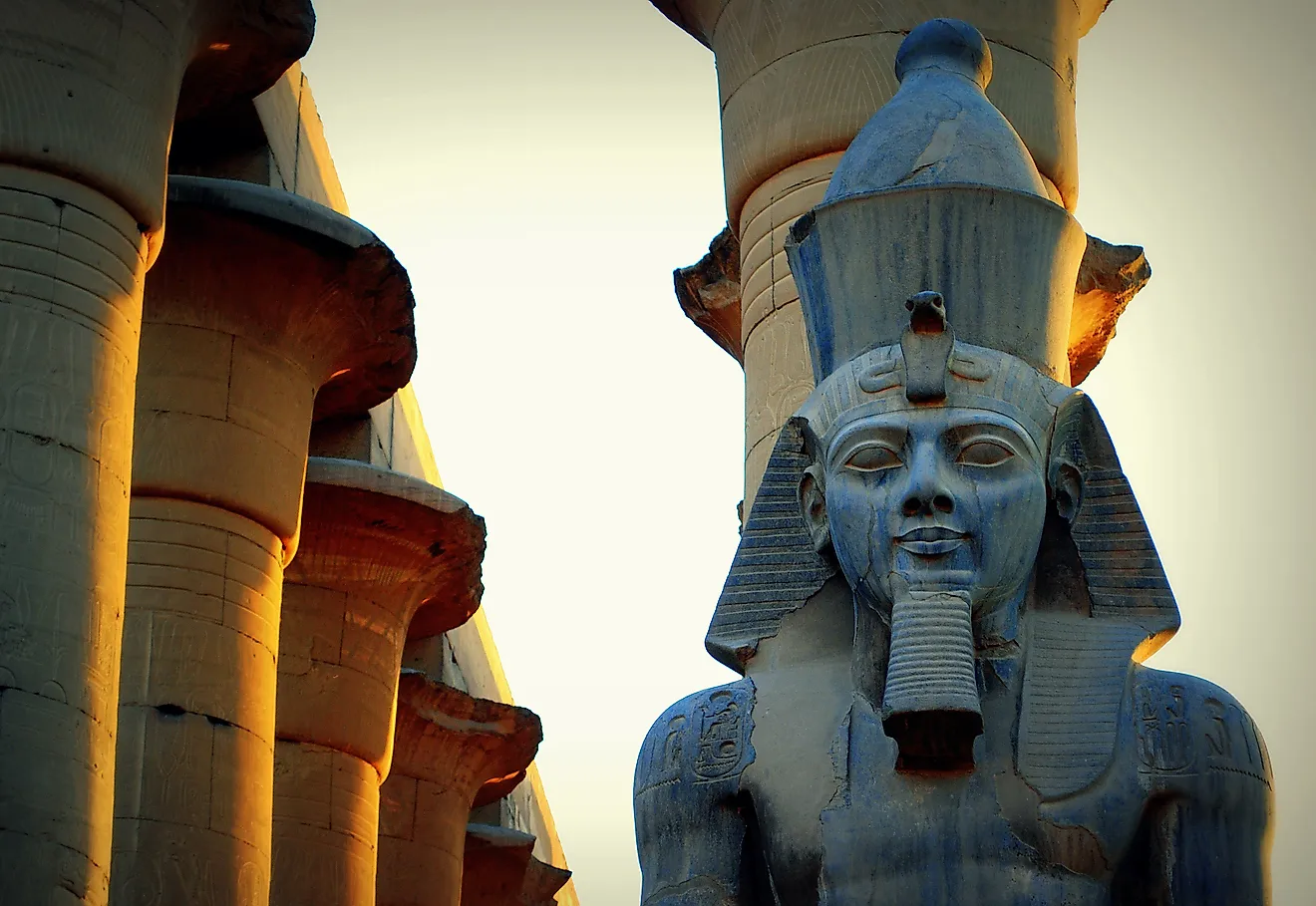
This prosperity did not last. Frequent dynastic infighting led to civil wars that drained resources and took attention away from foreign threats. The Late Bronze Age collapse (1,200 to 1,100 BCE), characterized by drought, earthquakes, civil unrest, and attacks by “seapeople” (as described by Pharaoh Ramses III), further weakened Egypt.
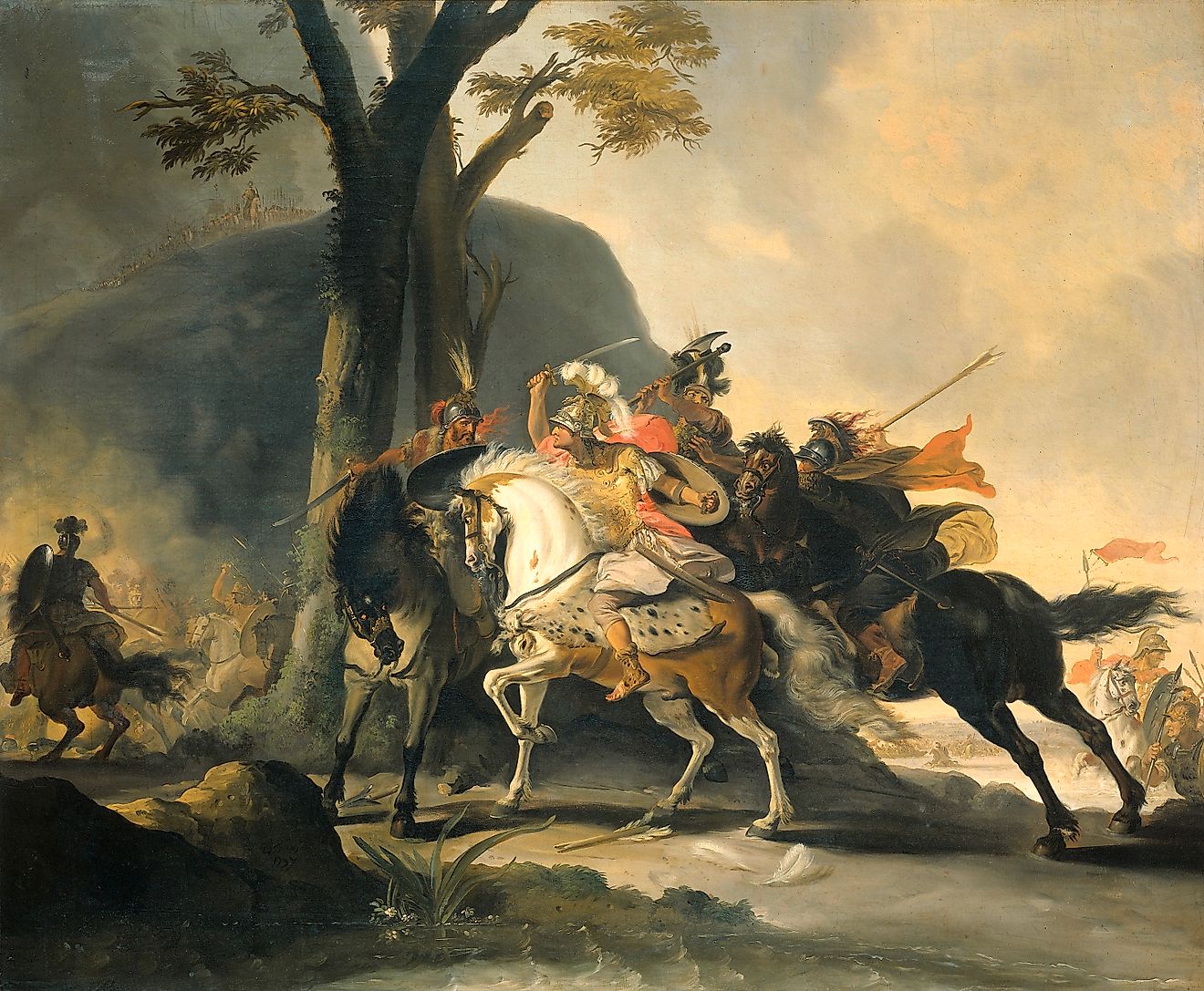
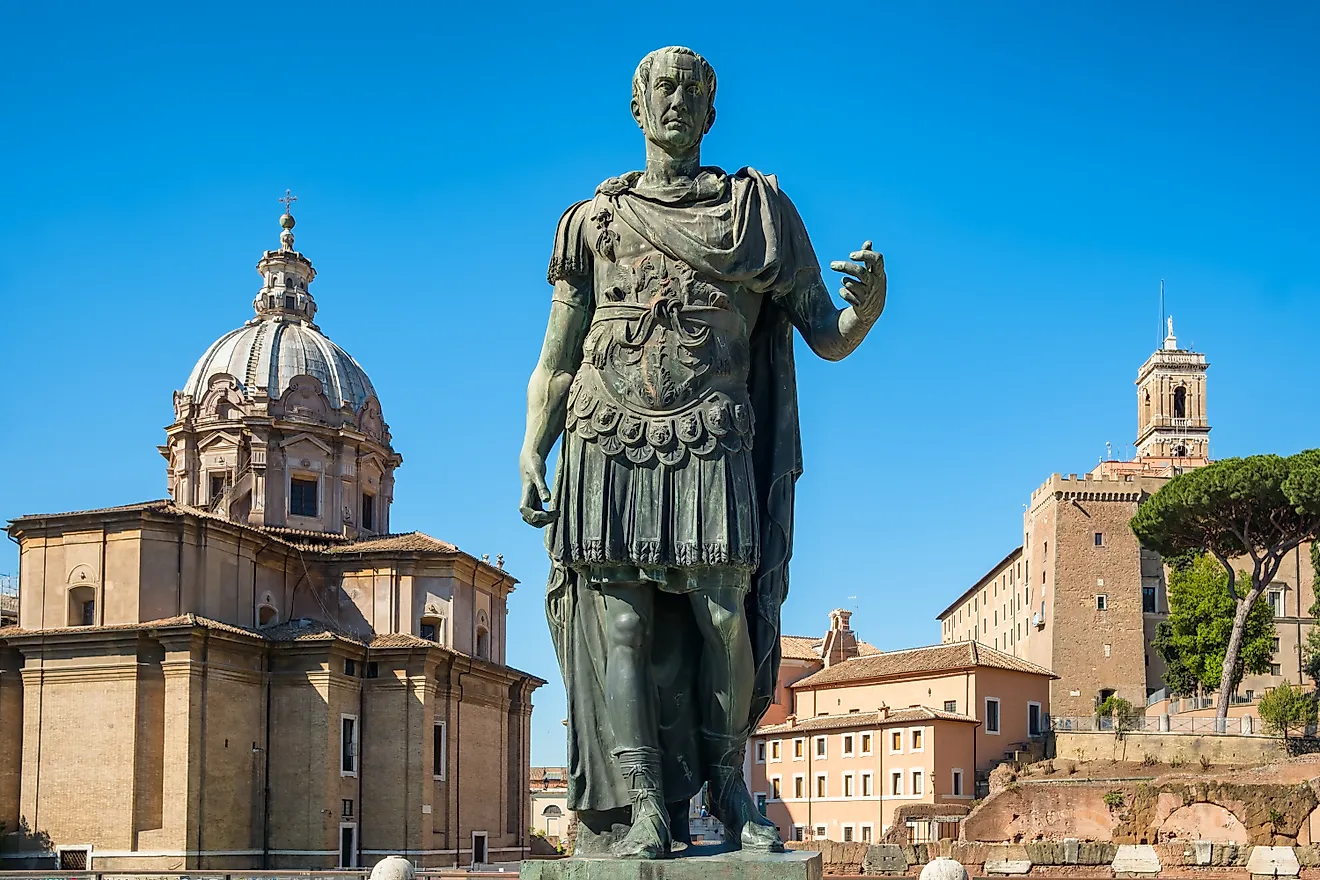
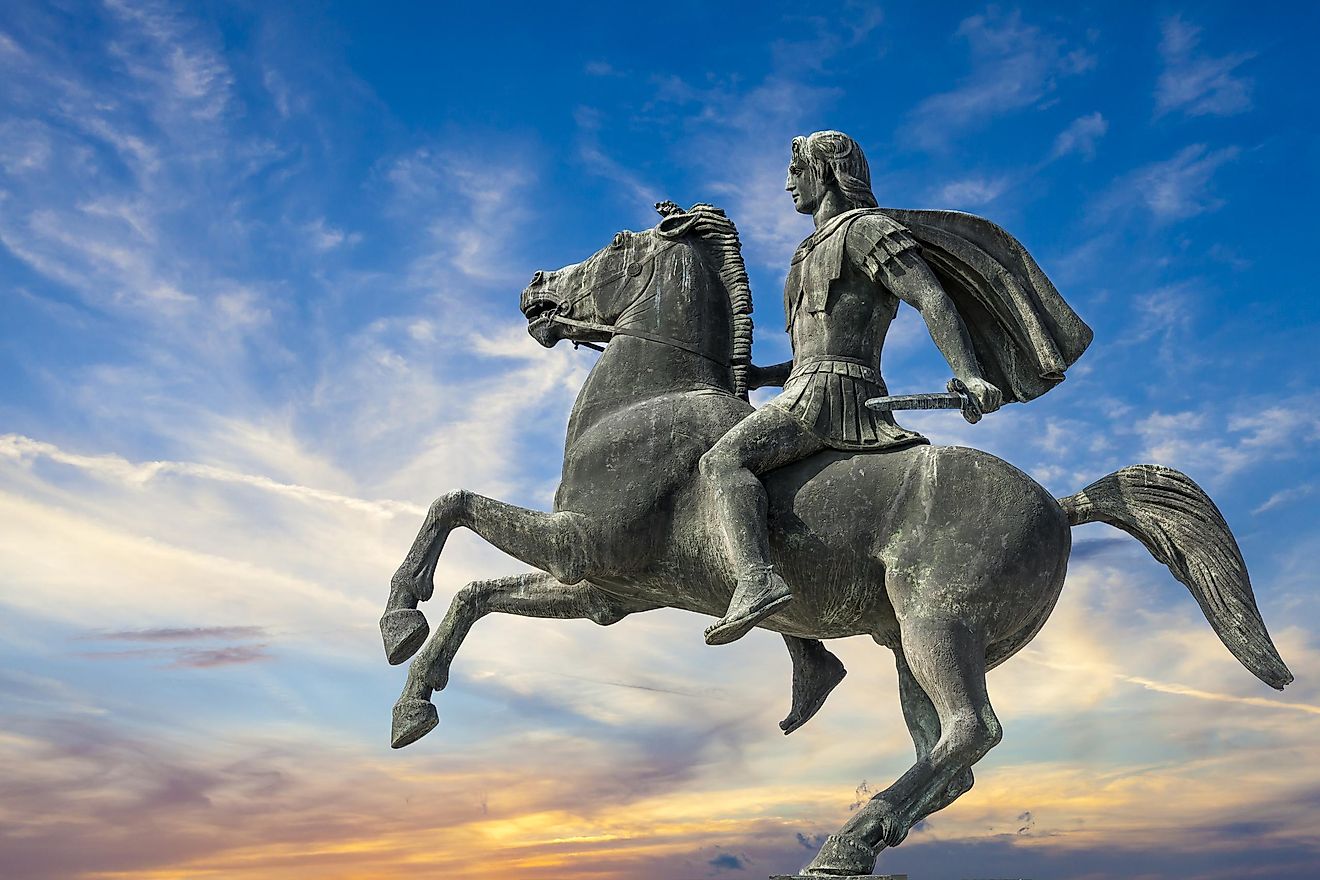
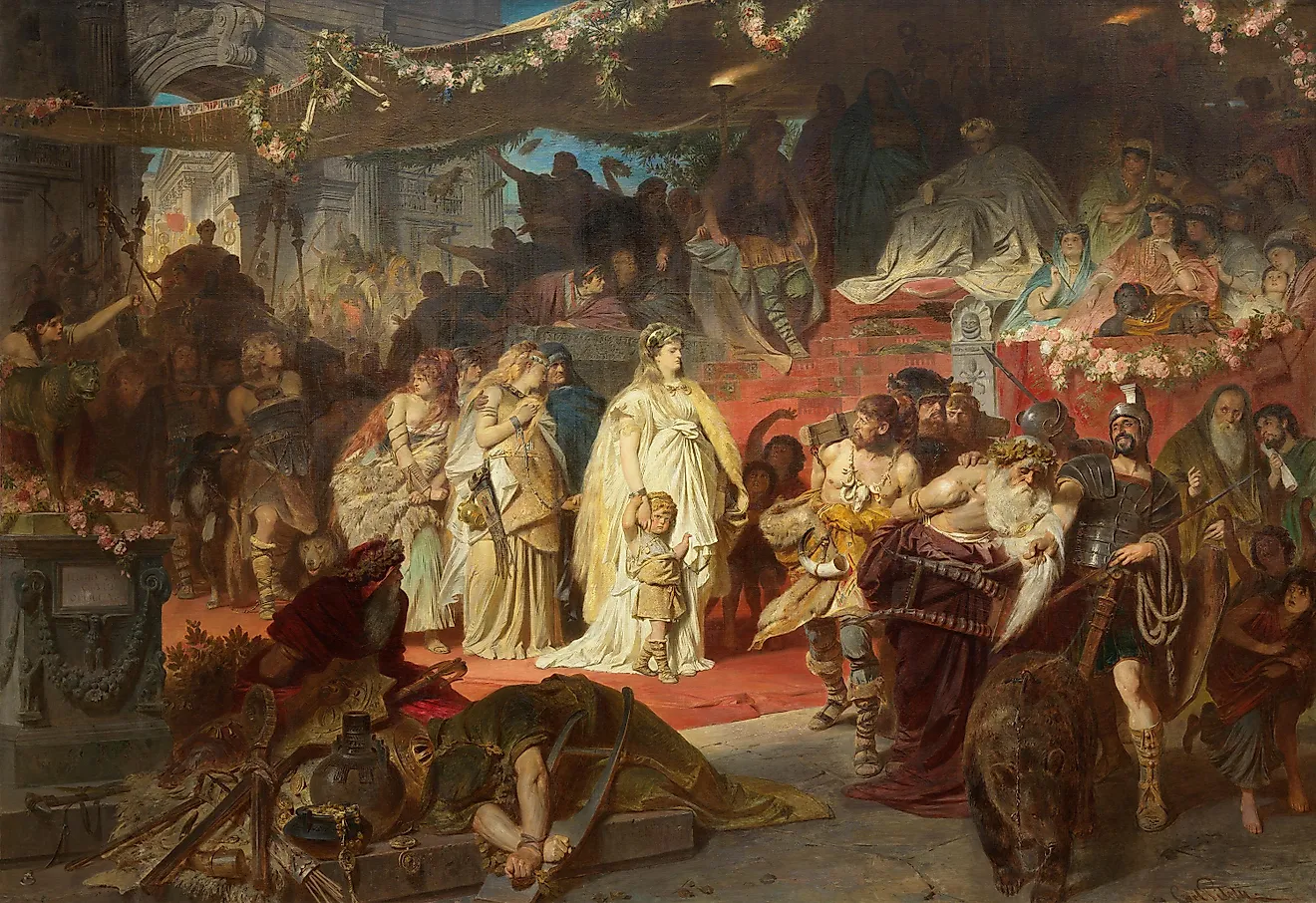
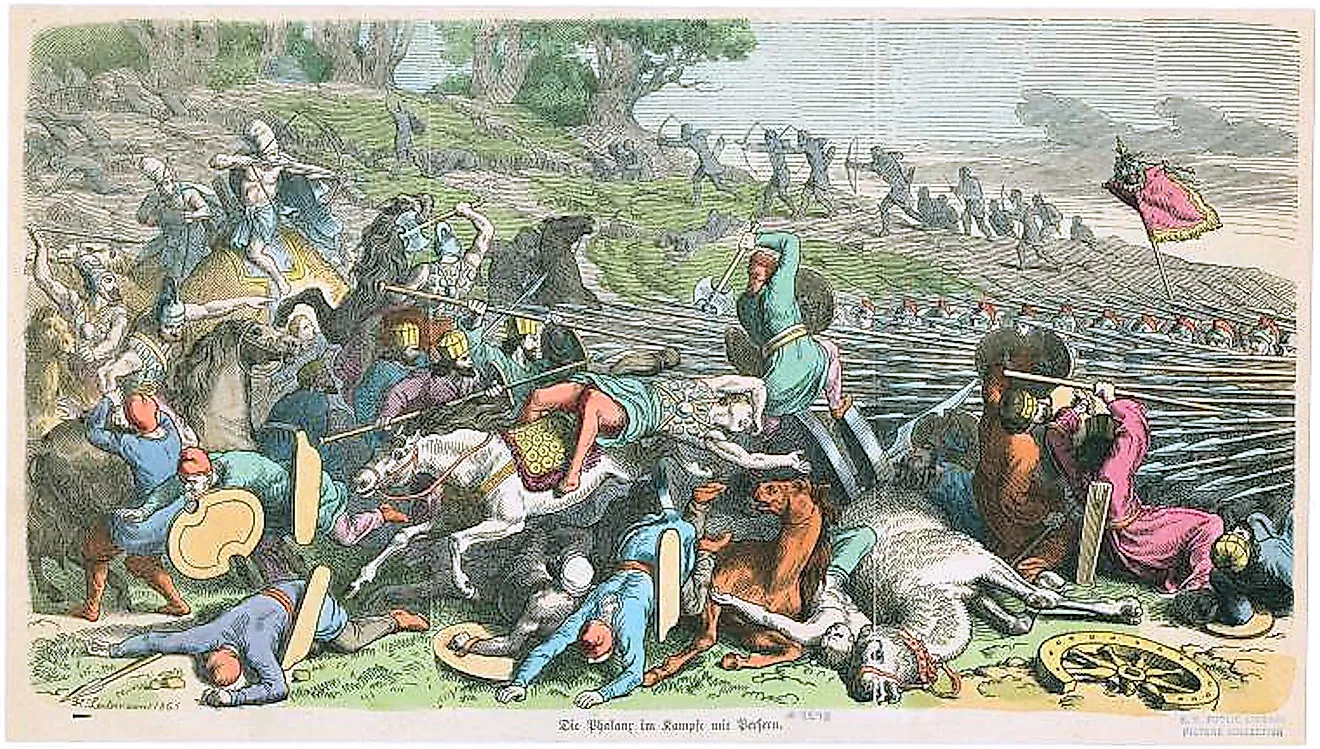
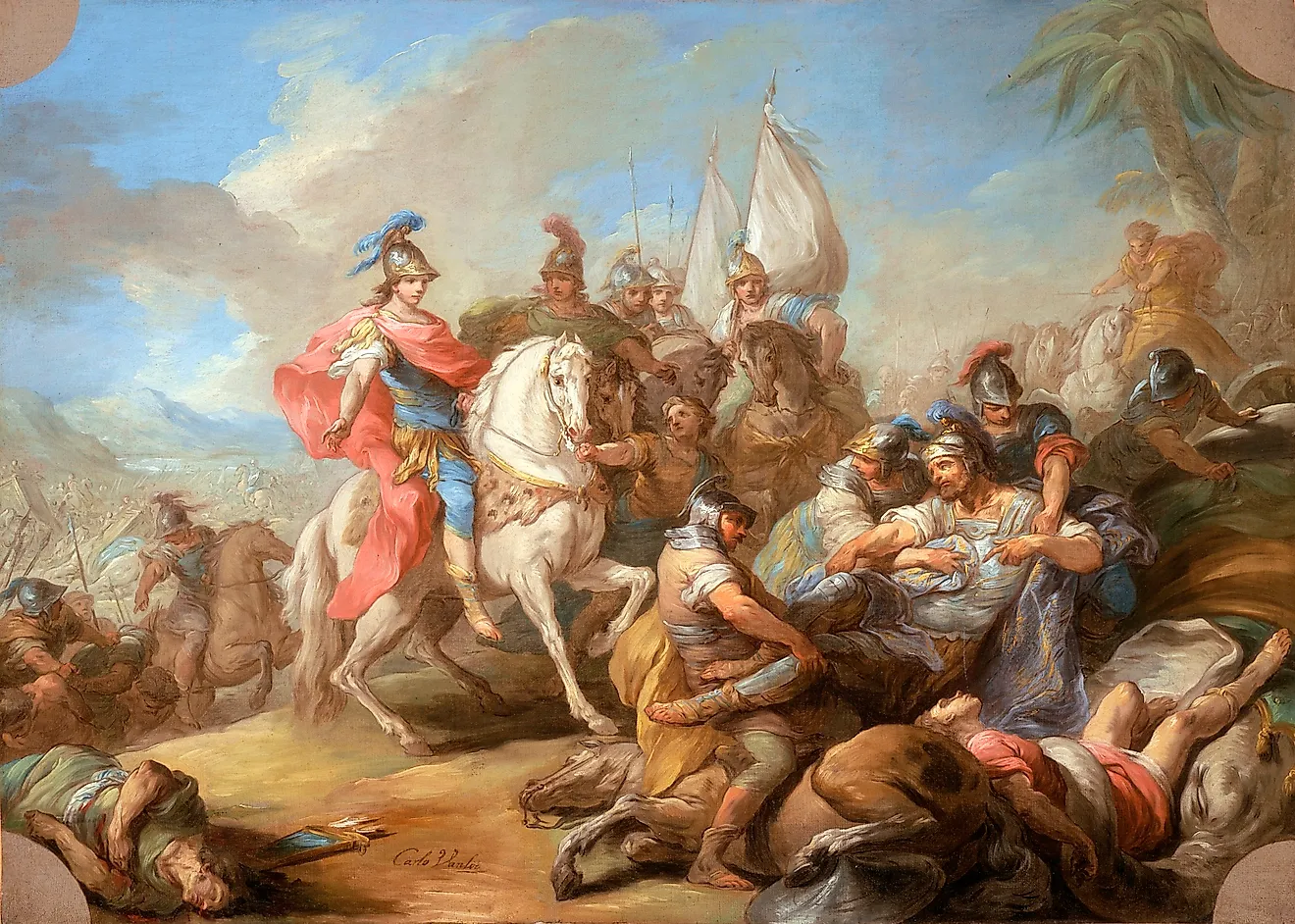
The final nail in the coffin was the rise of other comparable powers. The Assyrians first conquered Egypt in the 600s BCE, followed by a roughly 200-year period of Persian rule. Alexander the Great liberated Egypt in the 330s BCE and restored much of its military might. However, the same old problems re-emerged as familial competition led to civil wars, and other powers began encroaching on Egyptian territory. Ultimately, Ancient Egyptian civilization ended in 30 BCE when Rome conquered it.
Impact And Legacy
Ancient Egypt was a major military power, albeit one with a slightly different story than most. Rather than establishing itself through military force, natural geographic advantages allowed Egypt to function with a relatively small army for the first 1,500 or so years of its existence. This changed when it was occupied by the Hyksos. The New Kingdom period was thus defined by its military accomplishments, which helped bolster other aspects of Egyptian society. Egyptian hard power then declined as it fought constant civil wars and was invaded by foreign powers.