Lake Powell Has 27 Feet Of Margin, Lake Mead Has 88
You will often see two numbers attached to the Colorado River's biggest reservoirs: Lake Powell has about 27 feet of margin, and Lake Mead has about 88. They get quoted a lot, and just as often misunderstood, sometimes as if the reservoirs were 27 and 88 feet from running dry. They are not. Both figures describe something more specific, and the reality behind them is more manageable than the headlines suggest. Here is a plain explanation of what those numbers really mean, and what they mean for the millions of people who depend on this river.
What the Margin Measures

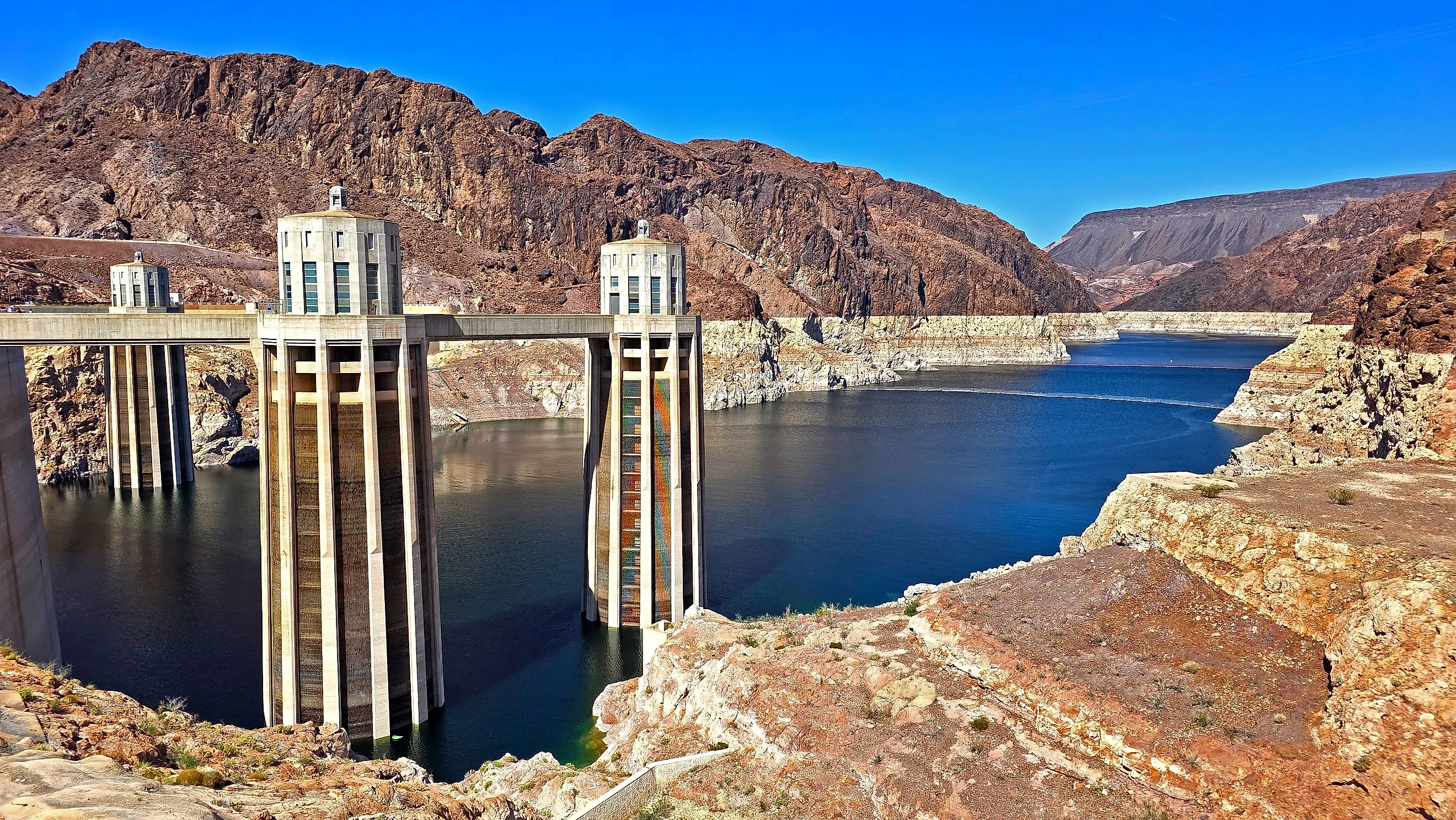
Both numbers are measured against the same line, called minimum power pool. That is simply the water elevation below which a dam's hydroelectric turbines can no longer spin. For Glen Canyon Dam at Lake Powell, it sits at 3,490 feet; for Hoover Dam at Lake Mead, it is around 950 feet. The "margin" is just how far the current water level sits above that line. It is worth being clear about what crossing it would, and would not, mean: below minimum power pool, a dam stops making electricity, but it still holds and releases water. That is a completely different, and much higher, line than "dead pool," the far lower elevation where water can no longer pass through the dam at all. In short, these are power numbers, not water-supply numbers.
Lake Powell: 27 Feet

The math is straightforward. In 2026, Lake Powell has been sitting at around 3,517 feet in elevation. Subtract its 3,490-foot minimum power pool, and you get about 27 feet. What that tells you is that Glen Canyon Dam is still generating hydropower today, with roughly 27 feet of water above the point where it would stop. It also sits about 147 feet above true dead pool, so water keeps flowing downstream regardless. The 27 feet is a measure of the reservoir's hydropower cushion, not a countdown to an empty lake.
Lake Mead: 88 Feet

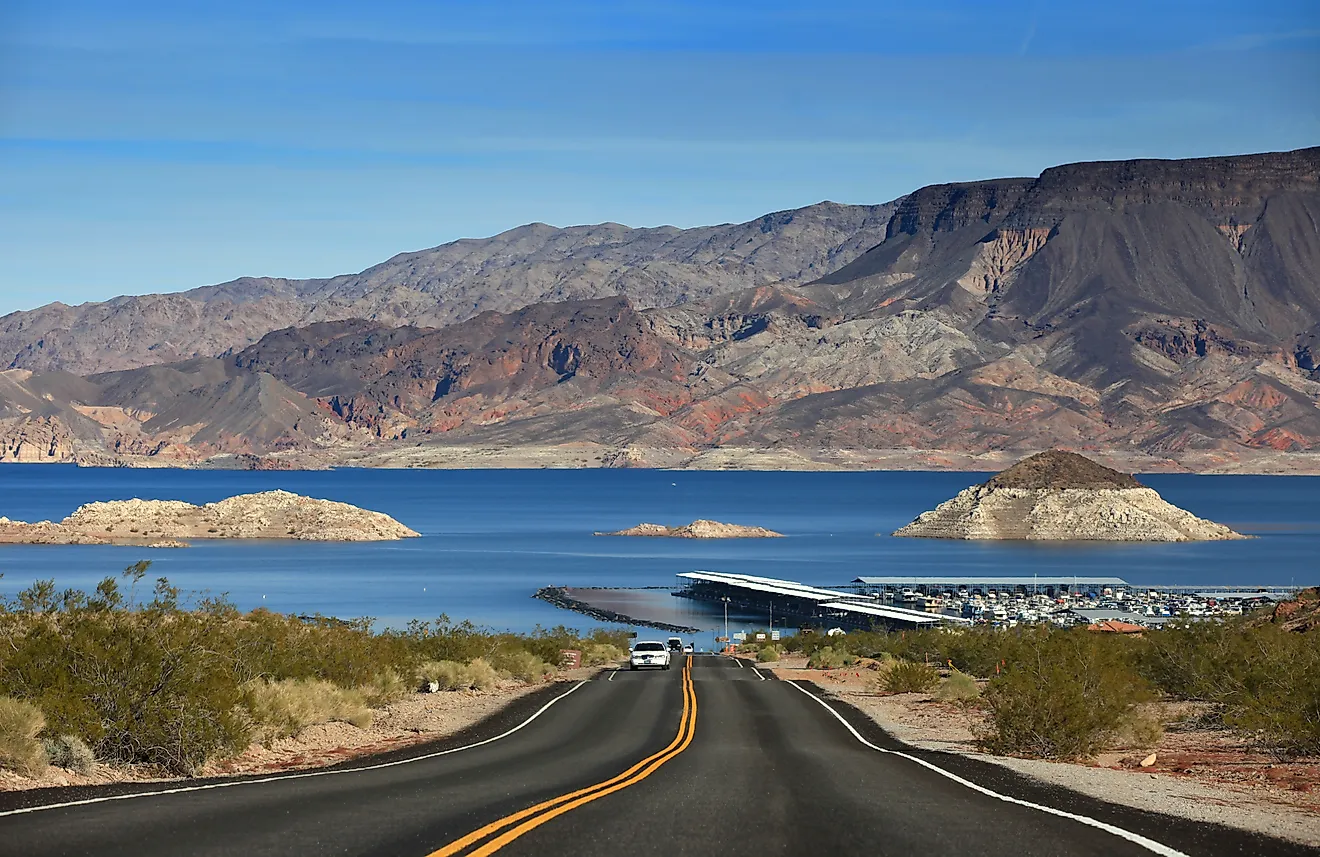
The same simple subtraction applies downstream. Lake Mead has been sitting around 1,039 feet, and Hoover Dam's minimum power pool is roughly 950 feet, which leaves about 88 feet of margin. Like Powell, Mead is still generating power, and it sits around 144 feet above its own dead pool of 895 feet. The reason Mead's number is larger is not that it is somehow healthier, both reservoirs hover near a quarter to a third full, but simply that its current elevation happens to sit farther above its particular power threshold than Powell's does.
Why the Two Numbers Differ

It is tempting to read "27 versus 88" as Powell being three times worse off than Mead, but that is not what the numbers say. They are two separate reservoirs behind two different dams, each with its own threshold elevation and its own current level, so the margins are not an apples-to-apples comparison. Each figure is only meaningful against its own dam. What the pair does usefully show is that, right now, both dams are still above the level where they would stop producing electricity, and well above the level where they would stop delivering water.
What It Means for the People Who Depend on It

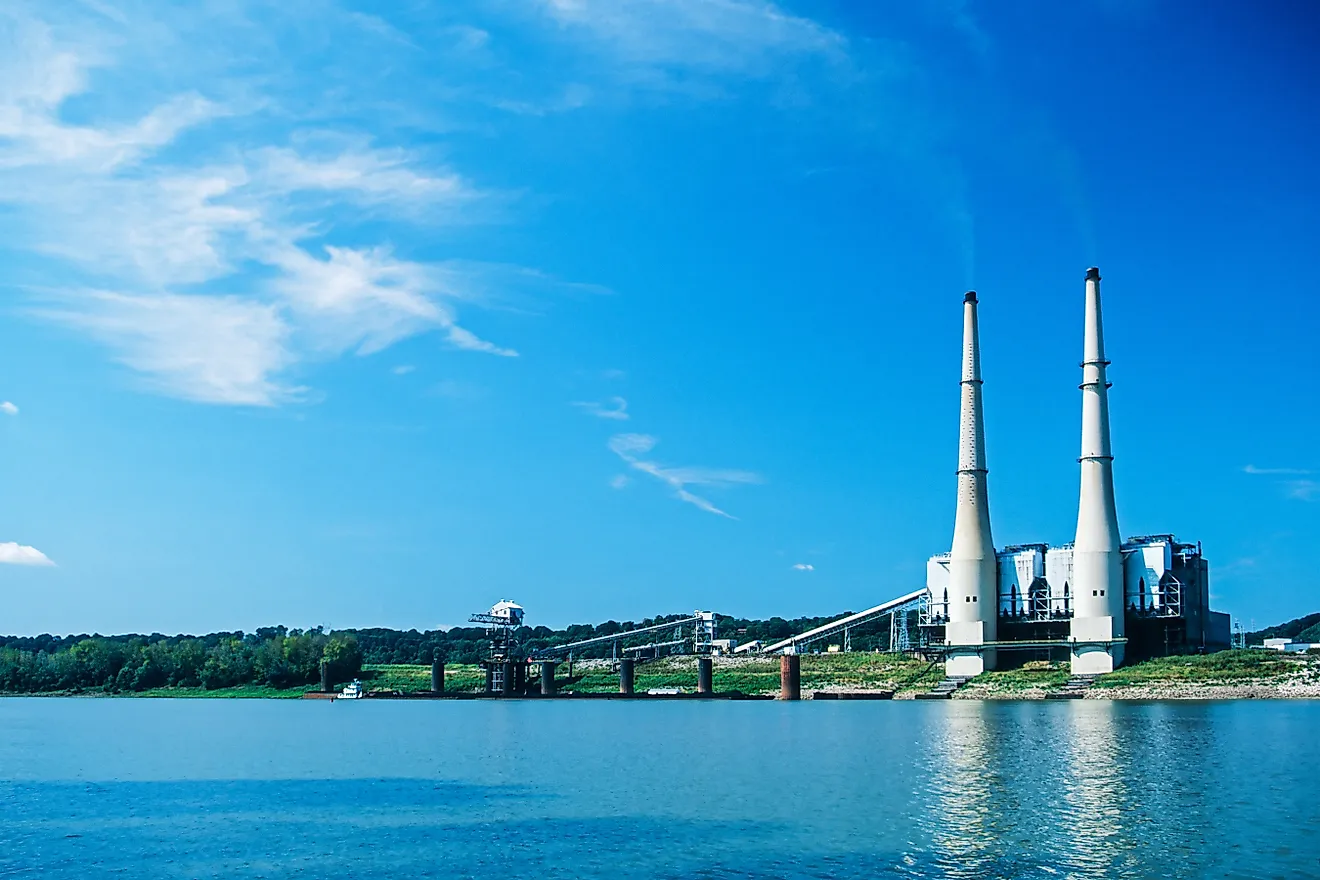
Two very different groups of people feel these numbers, and it helps to keep them separate. The first is electricity users. Glen Canyon and Hoover are major power plants: Glen Canyon alone generates enough hydroelectricity to help supply around five million people across six Western states, delivered over a 17,000-mile grid, and Hoover adds millions more across Arizona, Nevada, and California. This is exactly where minimum power pool matters. If a reservoir drops below that line, the dam stops generating, and the utilities that rely on that cheap, clean hydropower have to buy replacement electricity on the open market, which tends to push prices up. Generation has already been slipping; Glen Canyon produced roughly 17 percent less power on average from 2000 to 2023 than in the pre-drought years, simply because lower water turns the turbines less efficiently.
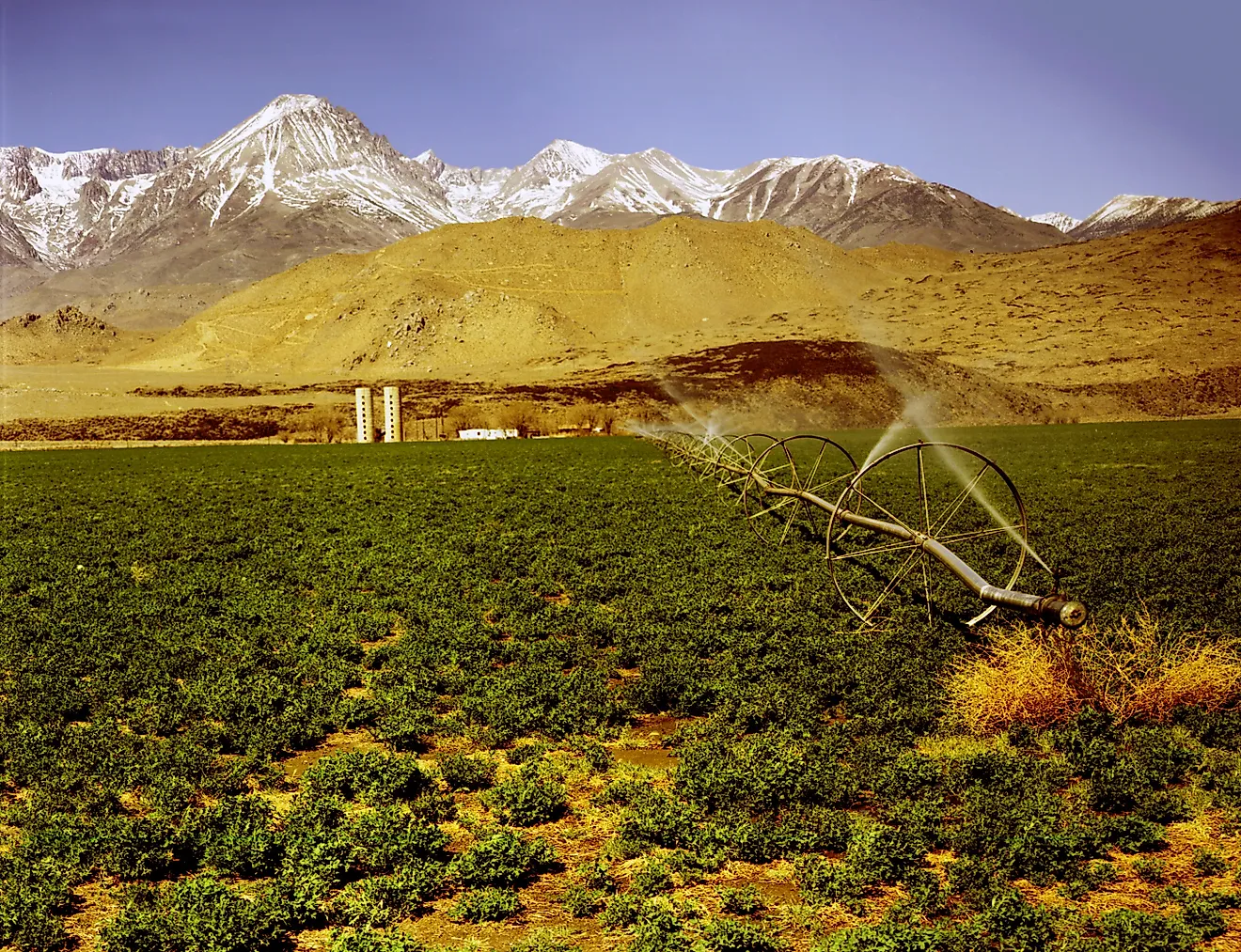
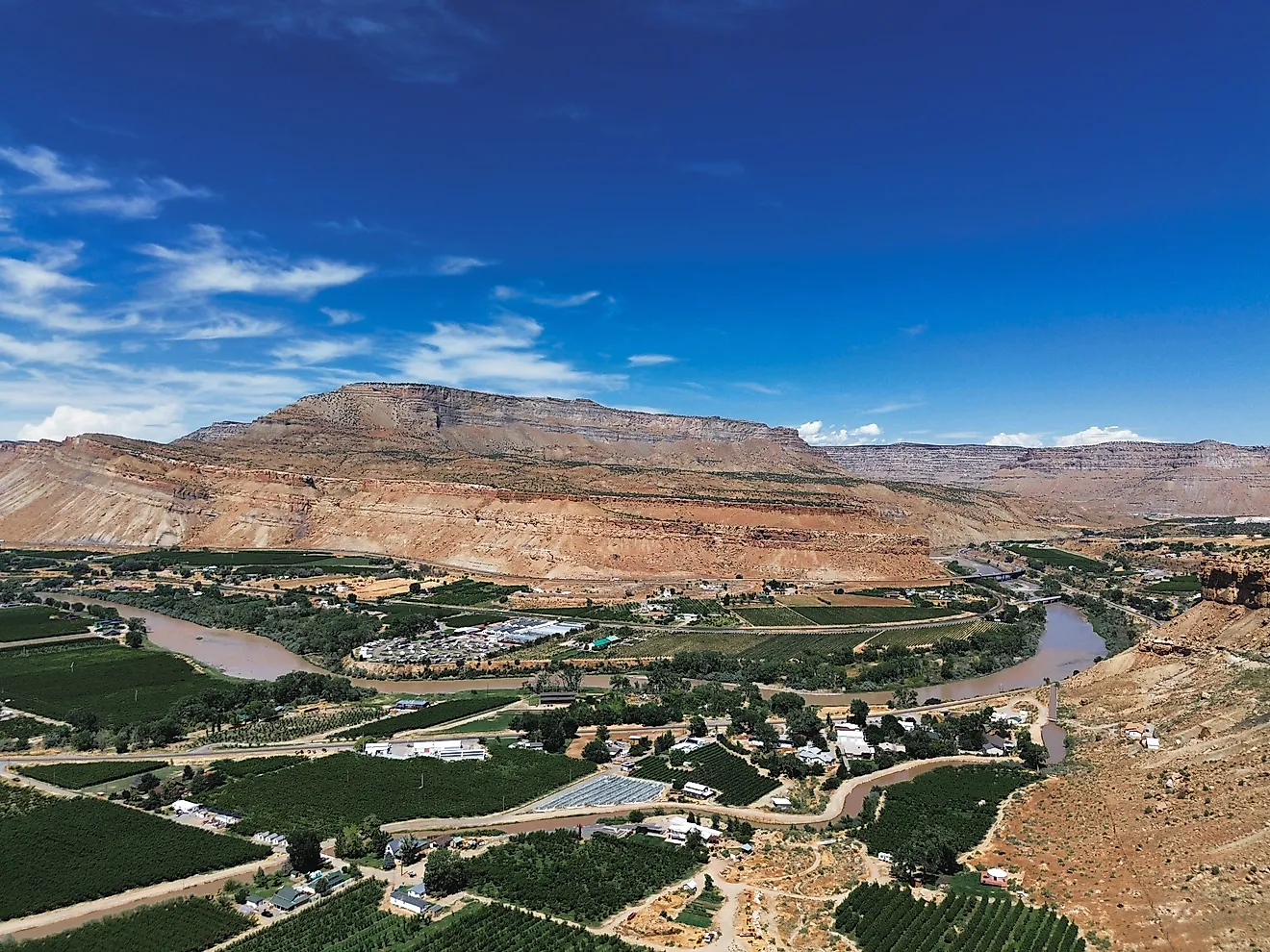
The second group is water users, and here the picture is calmer. The Colorado River supplies water to about 40 million people, 30 tribal nations, two Mexican states, and some 5.5 million acres of farmland. But those water deliveries keep flowing as long as the reservoirs stay above dead pool, a far lower line than minimum power pool and well over a hundred feet below where both lakes sit today. So in the near term, the 27 and the 88 are really about the electricity these dams can make, not the water coming out of anyone's tap.
What It Means for the Future

The reason these numbers get so much attention is the direction they have been trending. The Colorado River Basin is now in roughly its 25th year of drought, or what many scientists prefer to call aridification, a long-term drying rather than a passing dry spell, and forecasts keep pointing toward less water rather than more. The Bureau of Reclamation has projected that Lake Powell could reach minimum power pool as soon as 2027 if dry conditions continue, and that Lake Mead could keep sliding toward about 1,016 feet by the middle of 2027.
None of this is being left to chance, though. The rules that have governed the two reservoirs since 2007 expire at the end of 2026, and in August 2026 the federal government finalized new operating guidelines for 2027 and 2028, part of a broader ten-year framework, that require the Lower Basin states to cut their water use by 1.25 million acre-feet a year, with Arizona, California, and Nevada absorbing the largest reductions. Managers are also actively propping Powell up by sending extra water down from upstream reservoirs like Flaming Gorge. And nature still gets a vote: a single strong snow year, like the wet winter of 2023, can rebuild a surprising amount of margin in one season. The realistic outlook is not a sudden switch-off but a slow, negotiated balancing act, tightening water use, shuffling releases, and hoping for good snow, all aimed at keeping these two numbers from reaching zero. Think of the 27 and the 88 as the dashboard gauges for that effort: worth watching closely, but describing a system that people are working hard, and with real tools, to manage.