9 Safest Towns In UK For Senior Living
Safety for seniors is about more than crime rates. For this list of the safest towns in the UK for older residents, the metric combines reported crime levels with access to healthcare and emergency services, walkable town centres, transportation, and programs designed to help seniors remain independent and socially connected. Wokingham, for example, recorded crime levels about 38% below its wider policing district, while Beaumaris reported just 132 incidents over a 12-month period. Elsewhere, Lymington has an Urgent Treatment Centre and extensive hospital services, Bakewell offers dedicated community transport for medical appointments and errands, and Wells supports older residents through the Lawrence Centre and local memory programs. Together, these measures provide a broader picture of what makes a town feel secure and manageable later in life.
Wokingham, Berkshire

At first glance, Wokingham's safety credentials can be fully encapsulated by a number: Police.uk records 1,501 crimes between August 2025 and July 2026, which, by comparison, makes it almost 38% safer than the policing district's average. Although this does not imply that crime is absent, this places the town well below the wider area's rates. Daily life also benefits from having accessible healthcare and dedicated safety committees built into the community. Wokingham Hospital offers the community reputable healthcare services, while the nearby Barkham Clinic houses the local Memory Service and a unit-specific Older Adults Mental Health ward. Thames Valley Police also operates a dedicated policing team for the locality, working to reduce crime, protect vulnerable people, and ensure the overall functioning of the community. All of this infrastructure and additional details can help make a routine appointment or an emergency phone call considerably less overwhelming, and for an elder, that can make all the difference.
Much of Wokingham's everyday life is centred around its town core, where the Market Place, cafes, shops, and historic buildings create a setting suitable for a range of activities, from running errands to meeting up with friends, without ever having to travel into the broader city. The Wokingham Town Hall, standing at the centre of the Market Place, dates back to 1860, and during Heritage Open Days, this building, along with other historic sites, is brought to life through stories, reenactments, and displays that both showcase and honour local history. Other areas outside the historic core offer activities, such as Wokingham Leisure Centre at Carnival Hub, a speciality gym with a range of facilities, including a cafe and swimming pool, with options available for people with long-term health conditions. Wokingham Theatre serves as a vibrant community theatre, hosting a fantastic seasonal lineup of national tours, plays, and musicals for locals to enjoy.
These activities are all frequented by locals and visitors alike, but generally for those seeking deeper interactions with the wider community social connection is made less intimidating by Age UK Berkshire, which maintains a dedicated calendar of activities for young and old residents alike in the Wokingham area, including exercise groups, Tai Chi, music sessions, dementia and memory cafes, and more, all of which give retirees and seniors the opportunity to remain active and connected.
Sidmouth, Devon

In this town, the meaning of "safety" is defined by the impressive availability of services that enable older individuals to experience community without sacrificing comfort and accessibility. Starting with healthcare, Sidmouth Hospital is situated right within the town's borders and has various departments, including but not limited to elderly care, podiatry, ophthalmology, physiotherapy, and more. Royal Devon University Healthcare NHS Foundation Trust also operates a community team in Sidmouth that includes nurses, therapists, social workers, and urgent responders. The convenience of these healthcare services provides an additional layer of protection for seniors who may require more accessible assistance.
Beyond just healthcare access, policing is considered a reliable resource for this town. According to recent official crime reports, the town has experienced approximately 804 crimes in its policing area from August 2025 through July 2026, a modest figure for its nearly 14,000 residents. However, what arguably makes this town particularly attractive for older residents is the practical way its centre and seafront connect. Sidmouth's Esplanade runs along the beach with Connaught Gardens sitting immediately above the seafront, providing a seating area for those unable to commit to a long coast-side walk. Sidmouth Museum also presents another central option, especially when the weather makes the beach a bit less appealing. All of these attractions and more of the town are easily reached via the town's widely available bus routes and walkable town centre.
Sherborne, Dorset

The intriguing part about Sherborne is that local demographics show its population is already comparatively elderly. A recent census counted 10,361 residents, with roughly 28% to 33% of those inhabitants being 65 or older, which is especially pertinent because a community with a substantial older population is far more likely to have adequate local services that residents can utilise throughout later life. Healthcare contributes to this layer of safety, with Yeatman Hospital housing Dorset's North-West stroke and neurological service, and Dorset HealthCare also operates a community mental health team for the elderly. Dorset Police offer dependable protection, recording about 915 crimes in the town's policing area from August 2025 to July 2026, with the vast majority being non-violent offences.
The town's historic centre offers a noteworthy presentation of the locale's culture with Sherborne Abbey (officially known as the Church of St Mary the Virgin), a historic parish and an impressive example of Perpendicular Gothic architecture, standing at the heart of the community, while the Sherborne Museum occupies the old medieval Abbey Gatehouse. Sherborne Castle provides ample outdoor space and further accentuates the feudalistic aesthetic of the city's heritage hub.
Ultimately, Sherborne has managed to integrate its rich historical backdrop with its newly developing, robust network of modern conveniences anchored by markets, community, and organisations that provide local residents with activities they might want while working to meet any needs they might have. This seamless combination of heritage and practical infrastructure ensures residents of all ages, but especially seniors, can navigate daily life with ease, making the town a uniquely self-sufficient haven in the heart of Dorset.
Ludlow, Shropshire

Ludlow's safety story is less about having an exceptionally tiny crime total and more about what is available when an older resident actually needs assistance. The town's healthcare infrastructure fills an important gap between an ordinary doctor's appointment and a trip to the major hospital, with Ludlow Community Hospital, for example, operating a Minor Injury Unit along with other facilities for physiotherapy, outpatient clinics, audiology, and more. With access to services like this, not all falls, sprains, or other wounds necessarily require travelling to an acute hospital. Ludlow also has Helena Lane, a Shropshire Council service that provides support to seniors and older people, including those with physical disabilities or memory problems, while also giving carers time away from their usual responsibilities. Crime statistics from August 2025 to July 2026 stand at 989, making it a relatively safe small town. All of these efforts do well to encourage a relaxed yet vibrant atmosphere where seniors know that the town they live in invests in their well-being.
Much of Ludlow's recreation takes place near the town centre. Ludlow Castle is located within the oldest part of town, preserving a medieval complex with scenic views of the landscape. The nearby St. Laurence Church, built in the late 11th century after the Normans founded the town, remains an active parish today. The town's market takes place in this central square multiple days per week as it has since the 12th century. These places, amongst others, create a useful rhythm for residents, where a market trip can remain a routine errand and a local church that has been active for more than 800 years still provides a cultural/religious destination of worship generations later, all the while being surrounded by Gothic, medieval architecture.
Encapsulated by approximately 500 heritage-listed, half-timbered buildings, these enduring landmarks ensure that history in this locality is never just an ancient relic to be gazed upon behind glass, but a living, breathing backdrop to a vibrant city where modern community living seamlessly flows through the architecture of the past. Ludlow's security benefits, therefore, reach past offence data to the amenities and locations that make staying self-sufficient more achievable.
Wells, Somerset

This town has something especially valuable for older residents: a community organisation built with specific objectives around preventing isolation. The Lawrence Centre operates in the city centre and serves seniors, including those with mild to moderate memory problems. A typical weekday session can include lunch, exercise, arts and crafts, music, and other activities. A volunteer driver setup also aids members who cannot reach the centre independently. This kind of social infrastructure is imperative because safety is partially about what happens when mobility or health starts to shrink a person's world. Wells has also developed several local dementia support groups and even hosts the Wells Memory Café, which meets on the 3rd Wednesday of every month. These are just some of the organisations coordinated through the Wells Community Network, and speak to the levels of effort this locality puts into ensuring the well-being of some of its most vulnerable residents. Crime figures add a more well-rounded figure, with Police.uk reporting 1,051 crimes in the policing area from August 2025 through July 2026. These figures alone are not responsible for the security Wells offers; rather, the case for senior safety comes from how policing, healthcare, and community support work together to assist its elderly.
The historic town centre gives these services a physical setting that is easily accessible for short outings. Wells Cathedral, allegedly built somewhere between 1175 and 140, remains the locale's defining landmark and hosts regular cultural and religious events. The Bishop's Palace has presided as the home of the Bishops of Bath and Wells for over 800 years and includes 14 acres of beautiful gardens. Vicars' Close, adjoining the cathedral, is a medieval residential street which still houses members of the cathedral choir. The multi-weekly market adds even more reason to visit the city centre, with stalls selling food, produce, and crafts set up throughout the town hub, while also offering glimpses into local heritage through its design and architecture.
Because Wells holds the title of the smallest traditional city in England, its compact layout ensures that these bustling markets, world-class landmarks, and vital care services sit just steps away from one another. Older residents do not have to navigate a sprawling, overwhelming metropolis to stay connected; instead, they can easily find support as needed or take advantage of the independence that the flat, walkable medieval square offers. It is this rare combination of small-town scale, rich cultural life, and a deeply entrenched safety net that prevents isolation and allows seniors to age with dignity, purpose, and self-reliance without feeling lonely or abandoned.
Keswick, Cumbria

Keswick is small enough that its central geography becomes a natural security asset in its own right. The 2021 Census counted 4,658 residents in the civil parish, and the pedestrianised Market Square sits at the centre of town. Two public parks, Hope Park and Fitz Park, are also within walking distance of the square, while Derwentwater lies just beyond the built-up area.
Police.uk recorded 472 crimes in the policing area between August 2025 and July 2026, with the Cumbria Police operating typical safety-related services along with a dedicated neighbourhood policing presence that utilises local meetings and drop-ins to encourage community engagement and establish bonds between the town's protectors and its inhabitants, all of which contribute to the level of security experienced by locals and elders in the city. Beyond that, the pedestrianised centre is particularly useful because it changes how ordinary errands feel. Businesses and storefronts encircle Market Square, with no through-traffic cutting directly across the pedestrian zone. From that point, Hope Park offers manicured gardens connecting the town to Derwentwater, while Fitz Park affords locals an alternative riverside green space.
This highly walkable layout means that inclement weather rarely disrupts an outing, with multiple indoor attractions sitting within easy reach of the town's centre. Just a short distance from the square, the Keswick Museum chronicles the region's distinct heritage, landscapes, and culture while the nearby Derwent Pencil Museum showcases the locality's historic pencil-manufacturing legacy. Following the path past the parklands toward the shoreline, Theatre by the Lake capitalises on its scenic waterside canvas to host live drama, musicals, and cultural festivals. Together, these easily navigable cultural landmarks and community services provide residents and senior citizens with safe, stimulating environments that keep them deeply connected to the greater community.
Beaumaris, Anglesey

As a tranquil coastal enclave on the island of Anglesey, Beaumaris demonstrates why evaluating raw crime data for a localised area can paint a misleading picture of its actual safety. Across this tight-knit community's policing district, law enforcement logged a mere 132 total incidents between August 2025 and July 2026. While a sudden uptick in a single month might make a tiny town appear volatile on paper, the reality on the ground remains exceptionally secure; to maintain this stability, the North Wales Police force assigns a specialised neighbourhood team committed to safeguarding the area and supporting its residents.
The true value of Beaumaris lies in how much it offers right on its doorstep, allowing residents to enjoy world-class heritage without ever leaving town. Anchoring the edge of the community is Beaumaris Castle, a United Nations Educational, Scientific and Cultural Organisation (UNESCO) World Heritage Site recognised globally as part of King Edward I's historic fortifications in Gwynedd. Though construction halted before it was fully completed, its impressive concentric walls, imposing towers, and surrounding green spaces remain entirely open for visitors to explore. Just a short walk away, the town's elegant Victorian pier juts out into the Menai Strait, offering locals an effortless waterfront destination without a long journey.
Complementing this rich history are Beaumaris Gaol and the nearby Beaumaris Courthouse, a pair of 19th-century legal landmarks that provide a captivating look into the region's judicial past. These monuments diversify the town's cultural footprint, ensuring that its compact layout is packed with varied points of interest. Crucially, this small-scale self-sufficiency extends to essential services, as local medical needs are met right in town at the Beaumaris Health Centre—a facility equipped with vital accessibility provisions like wheelchair access and designated disabled parking. While a small coastal settlement naturally lacks the extensive medical depth of a major metropolitan hub, having dependable primary care on hand, alongside the peace of mind of NHS 111, ensures that everyday well-being is never an arduous journey away.
Lymington, Hampshire

Unlike smaller destinations such as Keswick or Beaumaris, this town's safety profile does not rely on a small population. Rather, this larger community of over 14,000 inhabitants pairs a pedestrian-friendly town centre with robust municipal infrastructure. Across the local policing district, law enforcement recorded 1,354 total crimes between August 2025 and July 2026. This broader civic framework is anchored by the town's exceptional healthcare network. Serving as a vital safety net, the Lymington New Forest Hospital provides comprehensive local medical care through five inpatient wards, a stroke rehabilitation unit, a medical assessment unit, and specialised outpatient clinics alongside dedicated services for podiatry, physiotherapy, and Parkinson's disease. Furthermore, the facility houses an Urgent Treatment Centre and a seven-day Forest Assessment Centre, providing advanced on-site diagnostic tools such as CT and MRI scans, enabling elderly residents to access premier primary and emergency services without having to travel outside the community.
The town's geographic setup maximises the utility of these services, featuring a clear core with multiple landmarks grouped closely together. Extending across flat terrain, the New Forest National Park Authority's two-mile Lymington Town Trail links the St Barbe Museum, the quay, the High Street, the harbour, and the seawater baths. While the museum chronicles the New Forest and regional heritage, the harbour continues to operate as a bustling boating hub. This walking path perfectly demonstrates how the settlement accommodates an ageing resident: St Barbe offers an indoor cultural destination, the quay presents waterfront panoramas, and the seawater baths serve as a heritage seaside leisure venue. Meanwhile, the High Street bridges these destinations with routine retail options and essential amenities. Additionally, while the Isle of Wight ferry sails from the port, it functions primarily as an occasional getaway rather than an everyday convenience for older locals.
Bakewell, Derbyshire

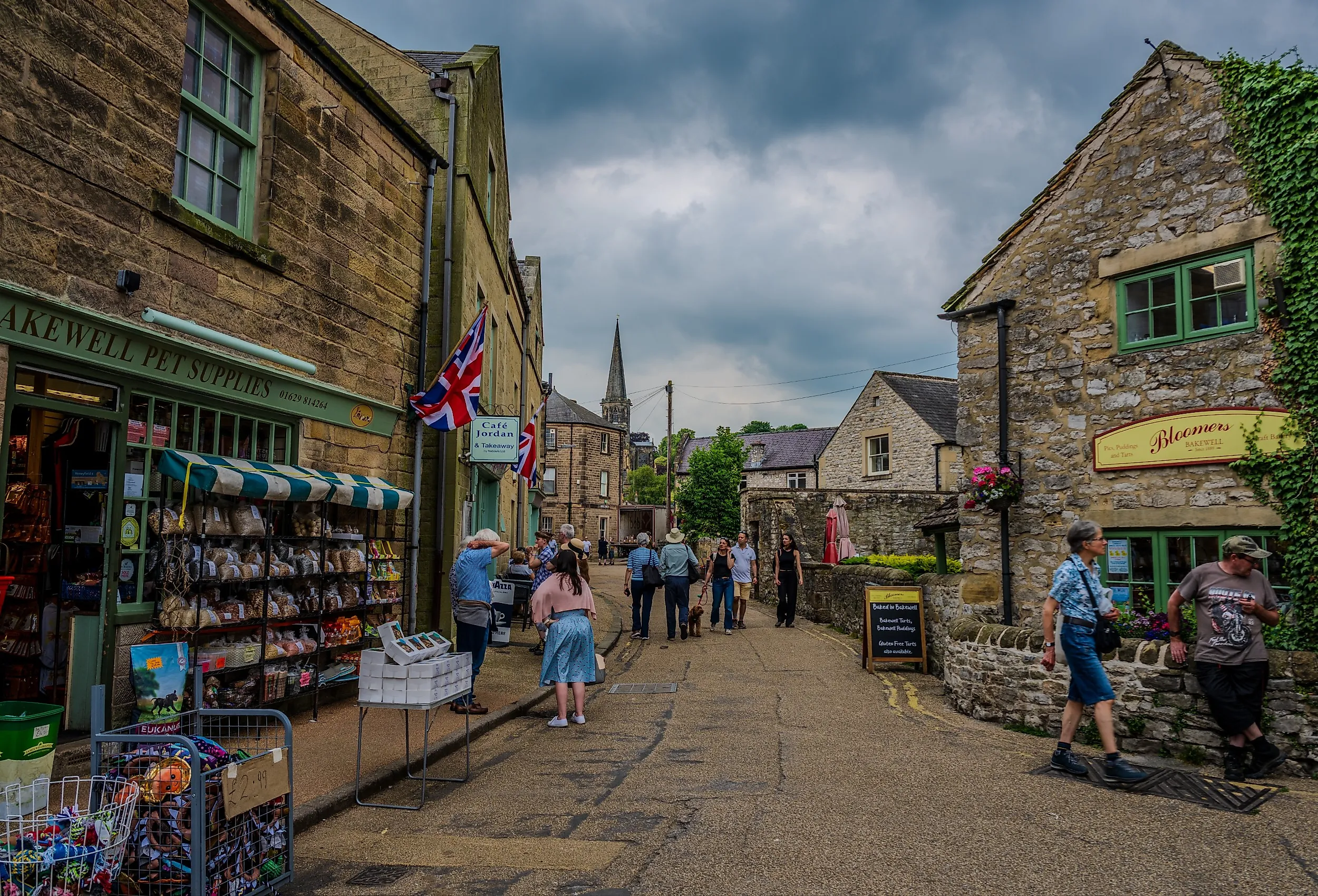
As some people grow older, transportation can pose a bigger safety risk than actual criminal activity. Losing one's ability to drive can turn what would be a routine doctor's appointment into a logistical nightmare, especially in a rural area. Bakewell has established an unusual direct answer to address this issue through the Bakewell and Eyam Community Transport. Operating a fleet of accessible minibuses, the association facilitates grocery runs, local errands, and group excursions. Simultaneously, its volunteer ride network provides individual transport to hospitals, medical centres, dental surgeries, and eye clinics for those unable to access public transport. The service is deliberately structured to foster self-reliance, ensuring older locals stay active and visible within their neighbourhood.
This vital support operates within a remarkably intimate setting of approximately 3,300 residents—a low-risk environment where law enforcement databases logged just 303 total infractions across the broader regional policing district between August 2025 and July 2026. A baseline of security like this offers older locals peace of mind when stepping out to enjoy the locale's vibrant surroundings, which in turn provides plenty of incentives to exercise their independence. The River Wye meanders directly through Bakewell, spanned by a historic five-arched bridge that serves as a picturesque waterfront gathering point, while the centuries-old All Saints' Church stands nearby as an active, enduring place of worship. Furthermore, the weekly Bakewell Market keeps the town centre firmly tied to practical, everyday commerce rather than tourism alone, while the Old House Museum occupies a 500-year-old Tudor building, utilising eleven distinct rooms to chronicle the fascinating heritage of the home and its surrounding region. These preservation efforts underscore why physical accessibility must be balanced against historical charm. The museum's ancient framework features uneven floorboards and steep staircases, though the outdoor courtyard and select ground-floor rooms can accommodate wheelchair users. Highlighting these structural boundaries provides a realistic assessment rather than sweeping labels of senior-friendliness; an ideal retirement haven does not require every single historical asset to accommodate all mobility levels perfectly.
Final Thoughts
Crime remains an important measure of safety, but it tells only part of the story for older residents. Access to healthcare, transportation, walkable streets, community programs, and places to socialise can be equally important in maintaining independence.
The towns above approach that challenge in different ways. Some stand out for low reported crime, while others offer strong healthcare networks, community transportation, pedestrian-friendly centres, or services designed specifically for older adults. For seniors, safety is ultimately about having the support and infrastructure needed to continue living independently and staying connected to the community.