The American Mountains With The Most Copperheads
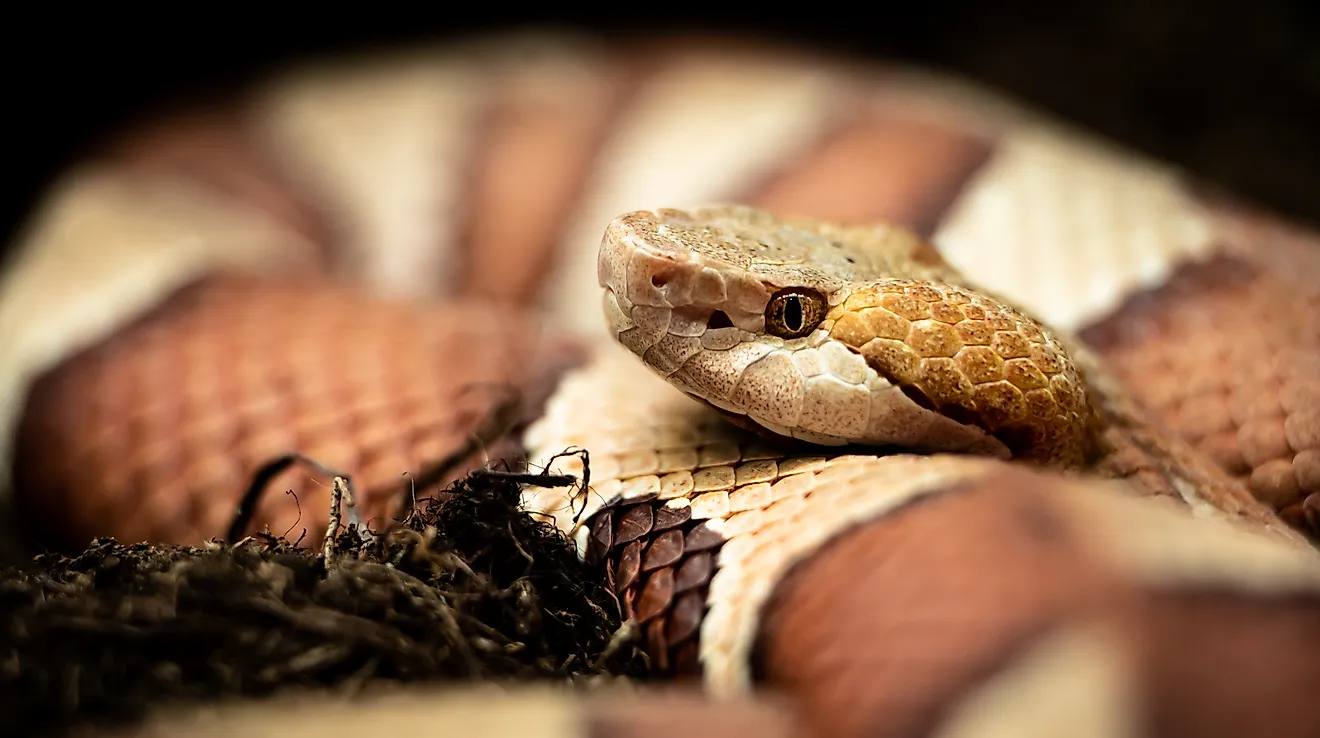
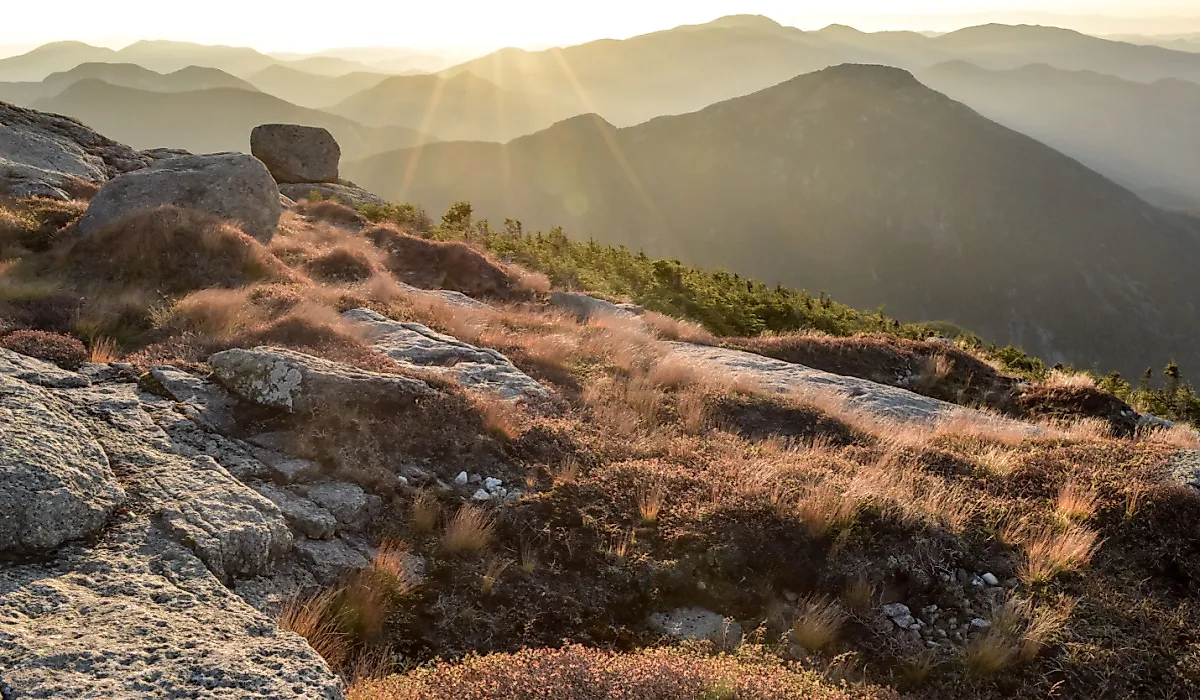
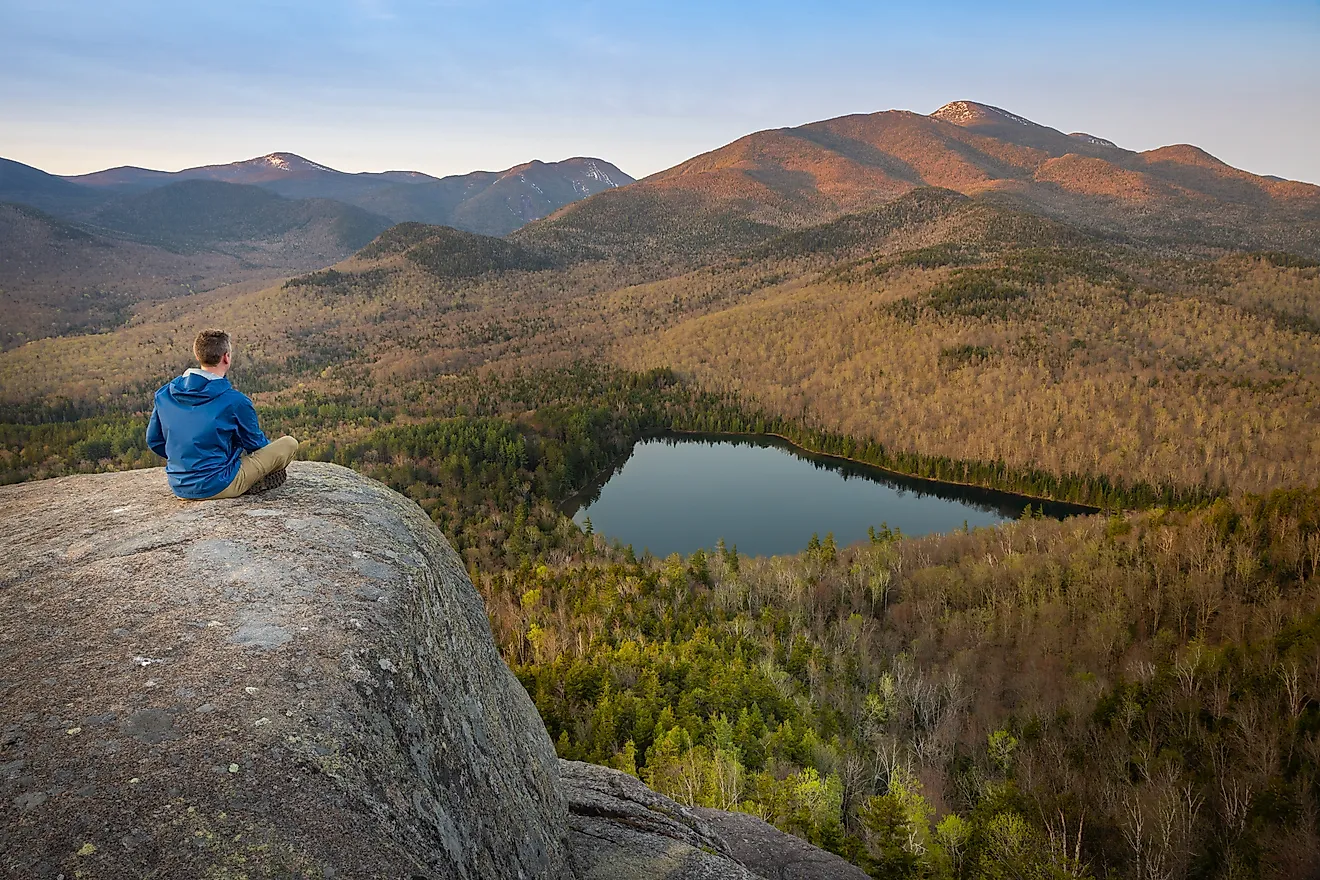
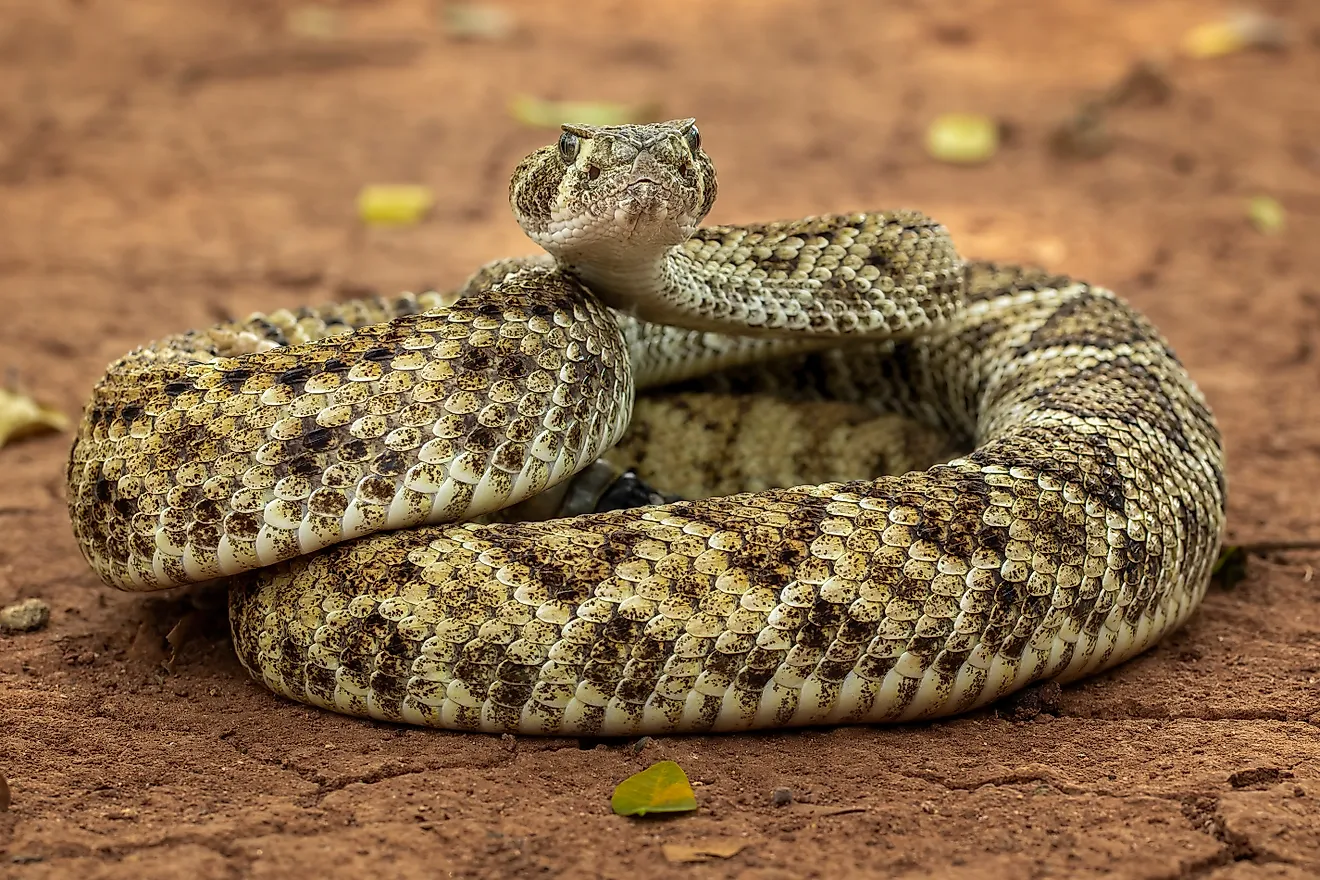
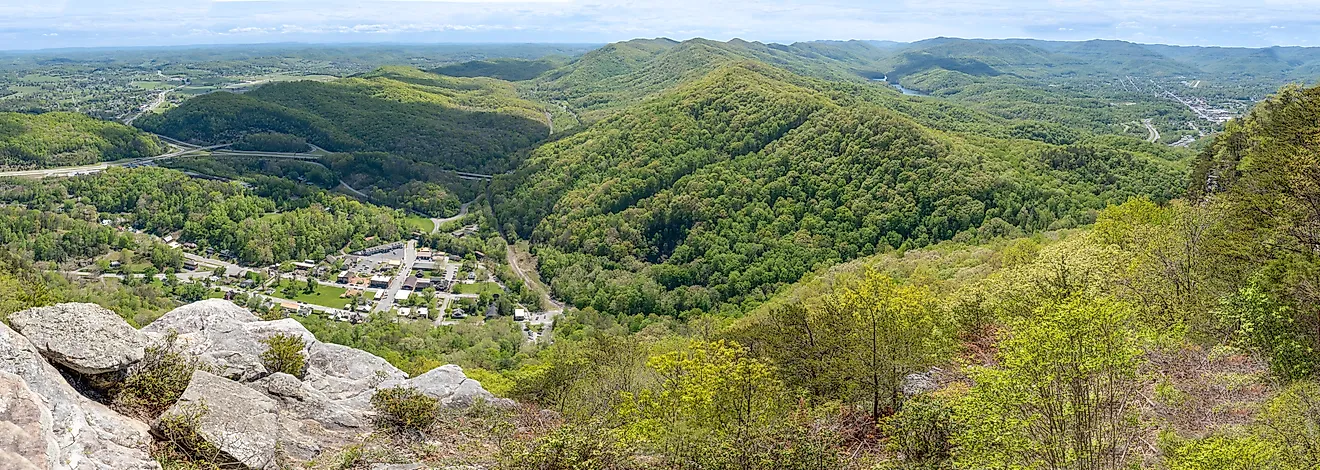
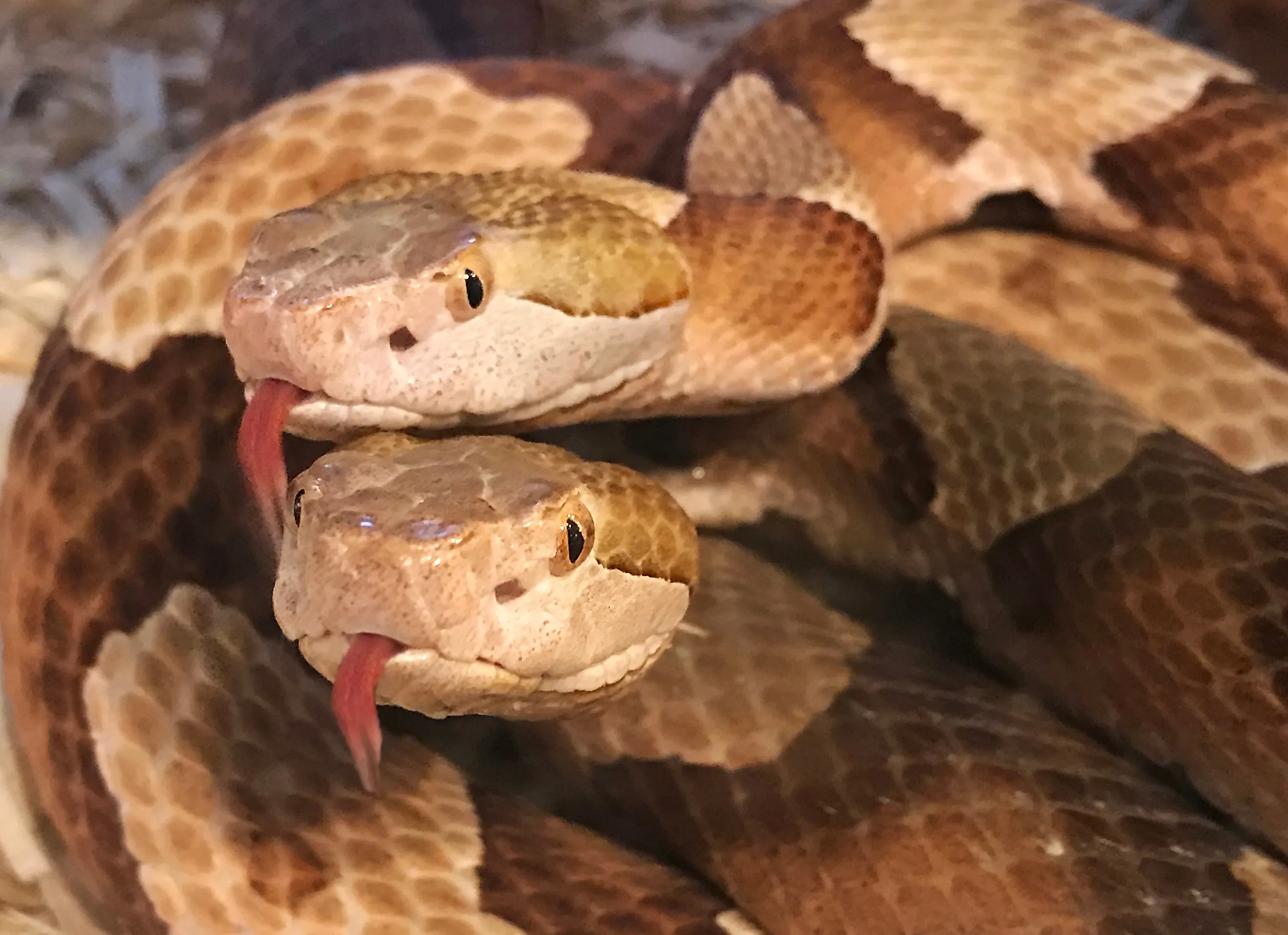
In roadside observations made over three field seasons, a Virginia naturalist recorded 545 snakes along sections of Skyline Drive and the Blue Ridge Parkway, including 243 copperheads. The Blue Ridge has plenty of company. Copperheads inhabit the wooded bluffs above Missouri's Ozark rivers, shelter among the millstones of a Smoky Mountains gristmill, and gather in rocky winter dens as far north as Connecticut. Their distribution can vary considerably across a single mountain ridge. Sunny openings provide places to bask, while fractured rock offers shelter during colder months. Some of these rocky sites draw copperheads back year after year, even after the snakes have spent the summer hunting hundreds of yards apart.
Virginia's Blue Ridge Mountains

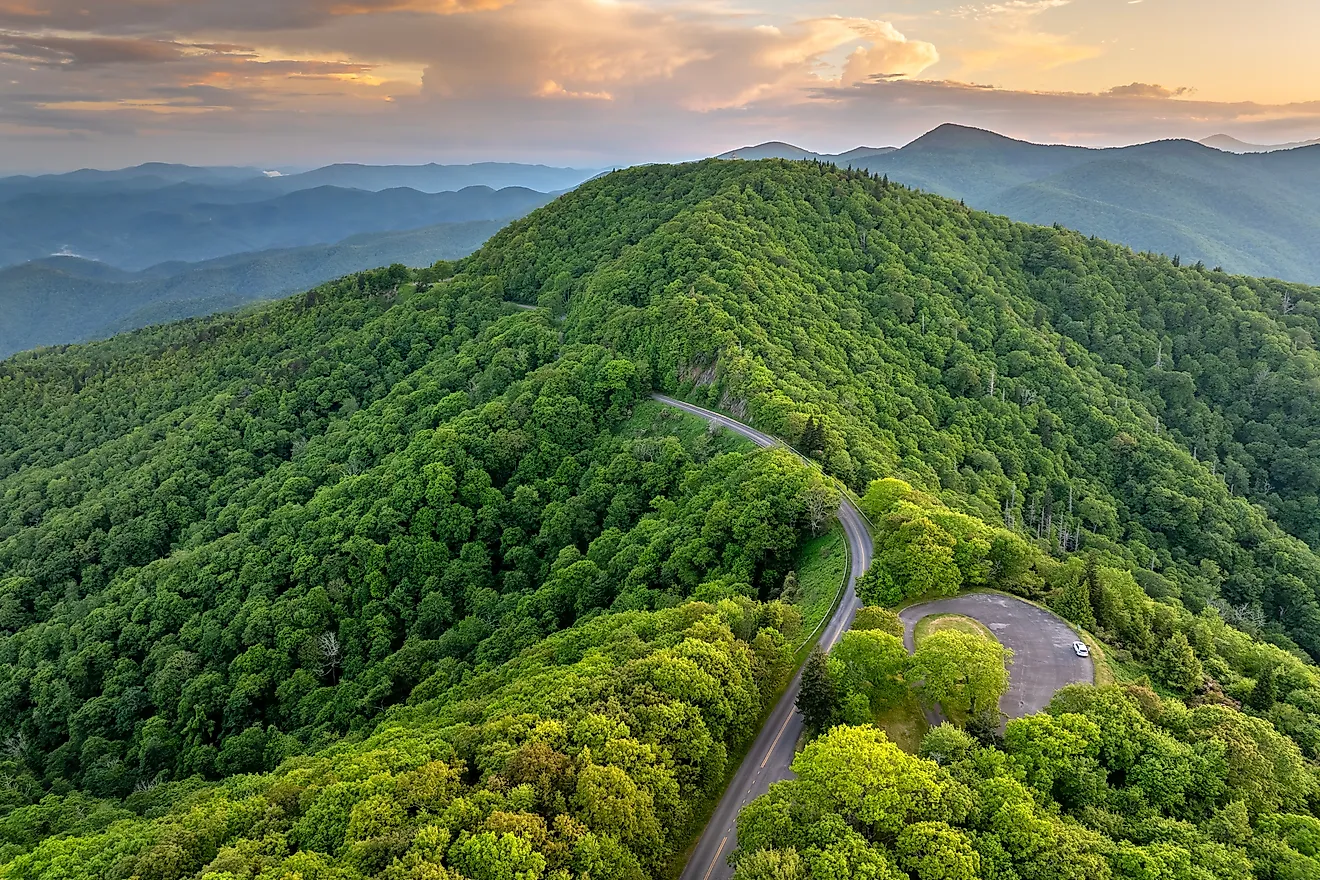
Near Loft Mountain in Shenandoah National Park, the same roadside observations found copperheads particularly common on lower slopes, where hardwood forests bordered grassy openings and former farmland. These transitional habitats provide opportunities for basking near protective vegetation. Virginia's copperheads also inhabit overgrown fields and old stone walls, where gaps between rocks offer shelter as surrounding woodland returns.

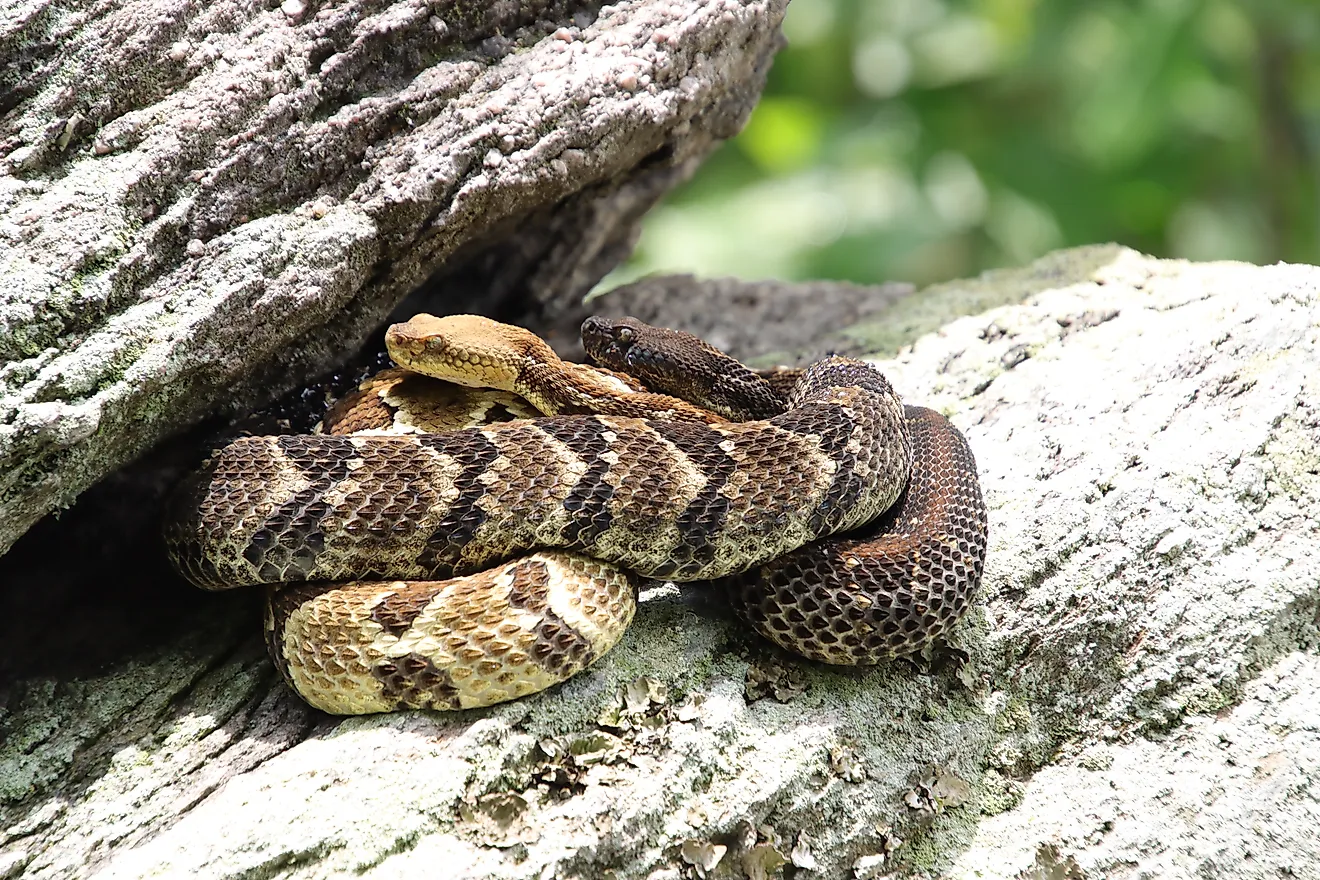
During winter, copperheads in Virginia's mountains may share rocky dens with other copperheads and timber rattlesnakes. By May or June, many have dispersed into surrounding forests. Pregnant females, however, may remain close to rocky denning areas throughout the summer. Field observations compiled by the Virginia Herpetological Society document newborn copperheads and females that had recently given birth at mountain den sites in late August and September. These records show that some rocky slopes serve as both winter shelters and late-summer birthing sites.
Great Smoky Mountains, Tennessee and North Carolina

At the historic gristmill in Cades Cove, copperheads occasionally appear among the millstones where visitors gather. In an account published by Smokies Life, a park volunteer described temporarily blocking access to the stones after finding copperheads there. The mill stands in a broad valley on the Tennessee side of Great Smoky Mountains National Park, where copperheads are among the most commonly encountered snakes in the park. The surrounding landscape features wooded slopes, open fields, and sheltered areas where copperheads can bask or retreat beneath logs and leaf litter.

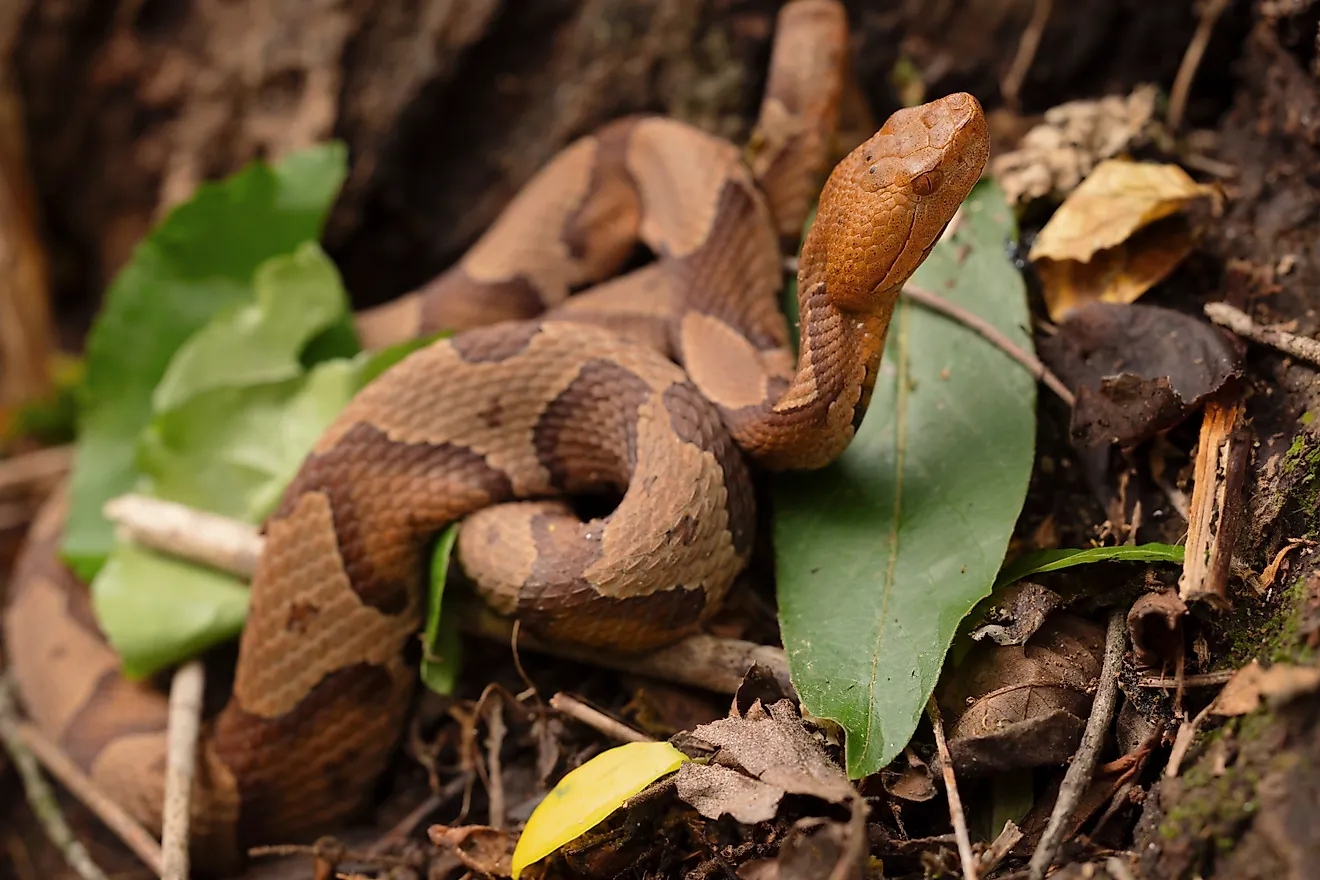
Copperheads generally favor lower elevations in the Smokies than timber rattlesnakes. During warm summer weather, they are often most active in the evening and at night, hunting small mammals such as mice. Heat-sensitive pits between their eyes and nostrils help them detect warm-blooded prey, while their diet also includes frogs, lizards, and insects. Fallen logs, rocks, and forest-floor debris provide cover for ambush hunting, particularly along woodland edges and other areas where prey is abundant.
Ozark Mountains, Missouri

In southern Missouri, copperheads inhabit wooded bluffs above the Current and Jacks Fork rivers, along with rocky hillsides and brushy areas near tributaries. According to the National Park Service, copperheads are the most common of the four venomous snake species found in Ozark National Scenic Riverways. South-facing rocky slopes provide important winter shelter, with crevices extending deep enough underground to protect snakes from freezing temperatures. Missouri copperheads may overwinter alone or share suitable shelters with others. During warmer spring weather, they emerge to bask on exposed rocks before dispersing into surrounding habitat.

Summer hunting often takes place after the hottest part of the day. Adult copperheads commonly ambush mice and other small mammals from concealed positions, sometimes waiting beside routes regularly used by prey. After striking a mouse, a copperhead may release it and follow its scent until the venom takes effect. Younger copperheads feed on smaller animals, including frogs and lizards. Juveniles have distinctive yellow or greenish-yellow tail tips that they can wiggle to attract nearby prey, a hunting technique known as caudal luring.
Hudson Highlands, New York

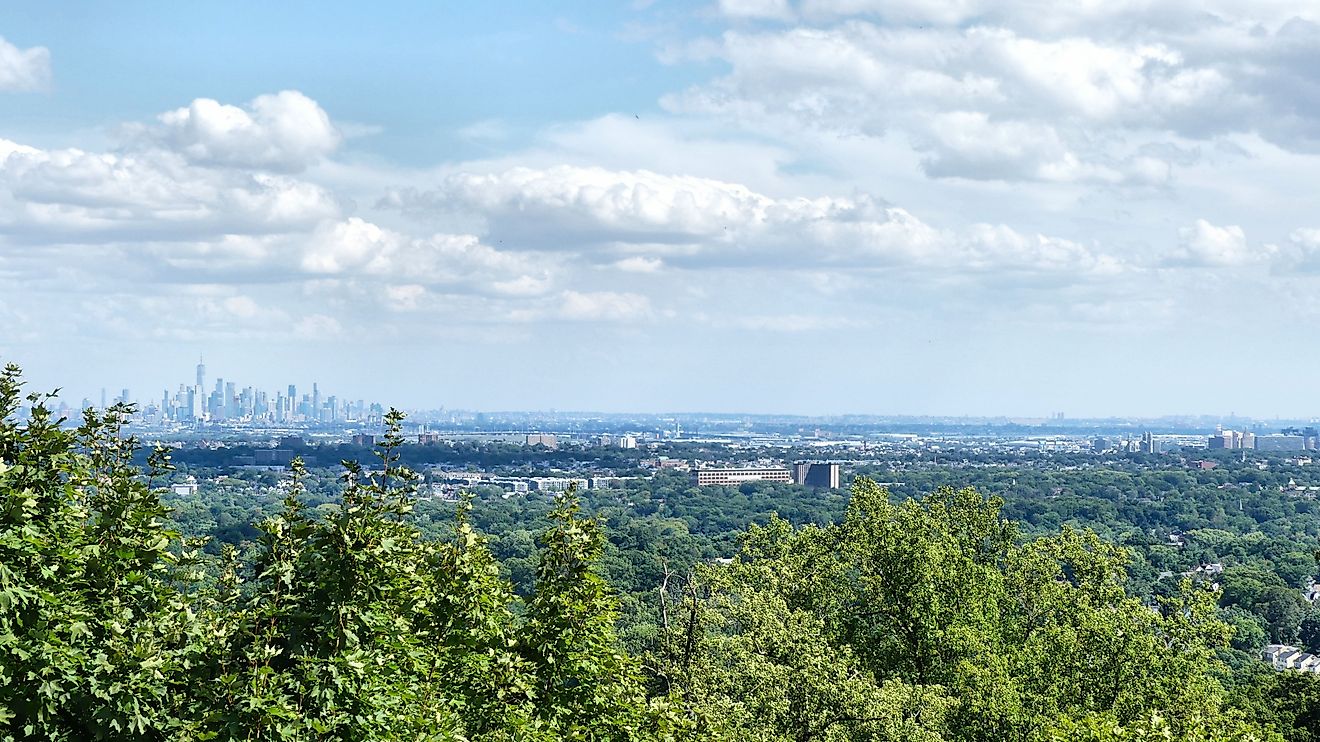
New York's copperheads occur primarily in the lower Hudson Valley, including the wooded mountains and rocky slopes of the Hudson Highlands. South-facing ledges provide exposed surfaces for basking, while deep crevices beneath fallen rock can serve as winter shelters. Suitable dens may remain in use for many years, and copperheads sometimes overwinter alongside timber rattlesnakes. Once spring temperatures rise, the snakes disperse into nearby forests and other habitats where they feed during the warmer months.

During summer, copperheads may move away from exposed ledges into wooded areas, wetlands, and meadow edges. Maintaining connected habitat between these seasonal locations is important because roads and development can impede snake movement. The species continues to be documented in the Hudson Highlands. During an eastern fence lizard survey conducted by New York State Parks in coordination with the New York State Department of Environmental Conservation, observers photographed a copperhead approximately one foot long. An eastern fence lizard was also present roughly ten feet away and farther downslope. The observation was recorded in the state's Hudson River Almanac.
Lamentation Mountain and Chauncey Peak, Connecticut

Connecticut's Lamentation Mountain and Chauncey Peak offer one of the best-documented examples of copperhead movements between seasonal habitats. In a three-year study near Meriden, researchers tracked 35 adult copperheads and found that approximately 89% overwintered at a den on Lamentation Mountain, while the remaining 11% used a separate den on neighboring Chauncey Peak. Both dens sat in rocky areas where gaps between loose basalt blocks opened into underground refuges. Pregnant females often spent much of the summer near these rocky areas, giving birth before the return of colder weather.
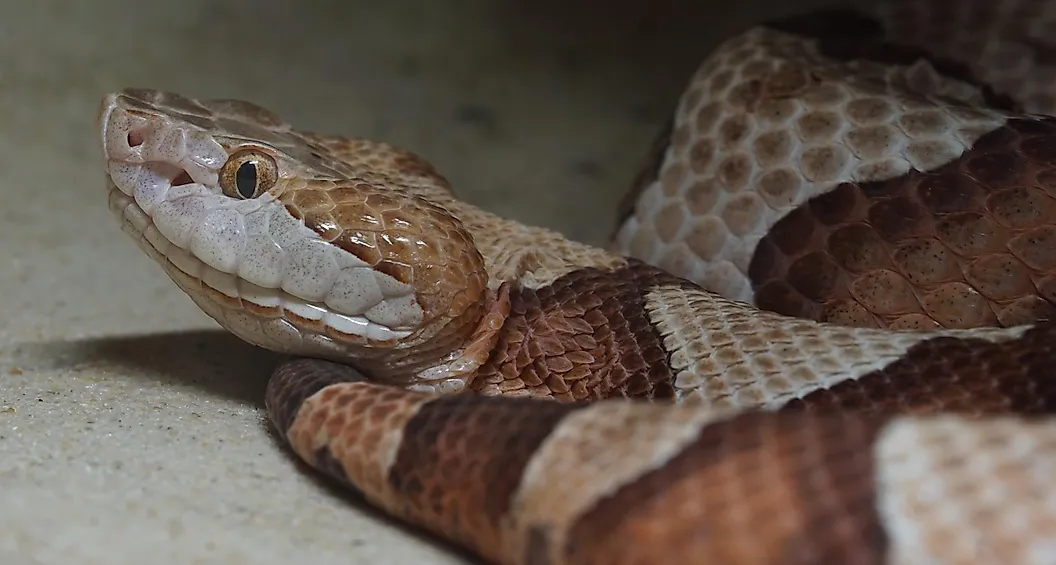
Males and females used the ridges differently. Males spent much of the summer higher on the slopes, in grassy openings within hardwood forests, and during July they moved mostly at night. Tracked males reached an average maximum distance of approximately 840 yards from their winter dens, compared with roughly 400 yards for females, and researchers observed copperheads swimming in Bradley Hubbard Reservoir between the ridges. By mid-October, all tracked males had returned to the vicinity of their dens, and no copperhead switched its winter den from one mountain to the other.
Where Rock Meets Forest
The same pattern repeats in each of these ranges. Fractured rock on sunny slopes shelters copperheads through winter, and the forest edges, fields, and wetlands around it feed them through summer. In Virginia, roadside counts along Skyline Drive and the Blue Ridge Parkway tallied hundreds of the snakes. In Connecticut, tracked copperheads ranged hundreds of yards from Lamentation Mountain and Chauncey Peak, yet every tracked male was back near its den by mid-October. The Smokies, the Ozarks, and the Hudson Highlands tell a similar story, with copperheads moving between rocky shelter and the surrounding woodland as the seasons turn.