How Hot Death Valley Actually Gets Compared To The Sahara
The Sahara is the planet's poster child for unbearable heat, the desert everyone reaches for whenever they need shorthand for "brutally hot." So here is a fact worth sitting with: the single hottest air temperature ever reliably recorded on Earth was not in the Sahara at all. It was in a narrow, below-sea-level valley in California. Death Valley versus the Sahara is not the blowout you might expect. Here is how the heat actually stacks up.
The Record

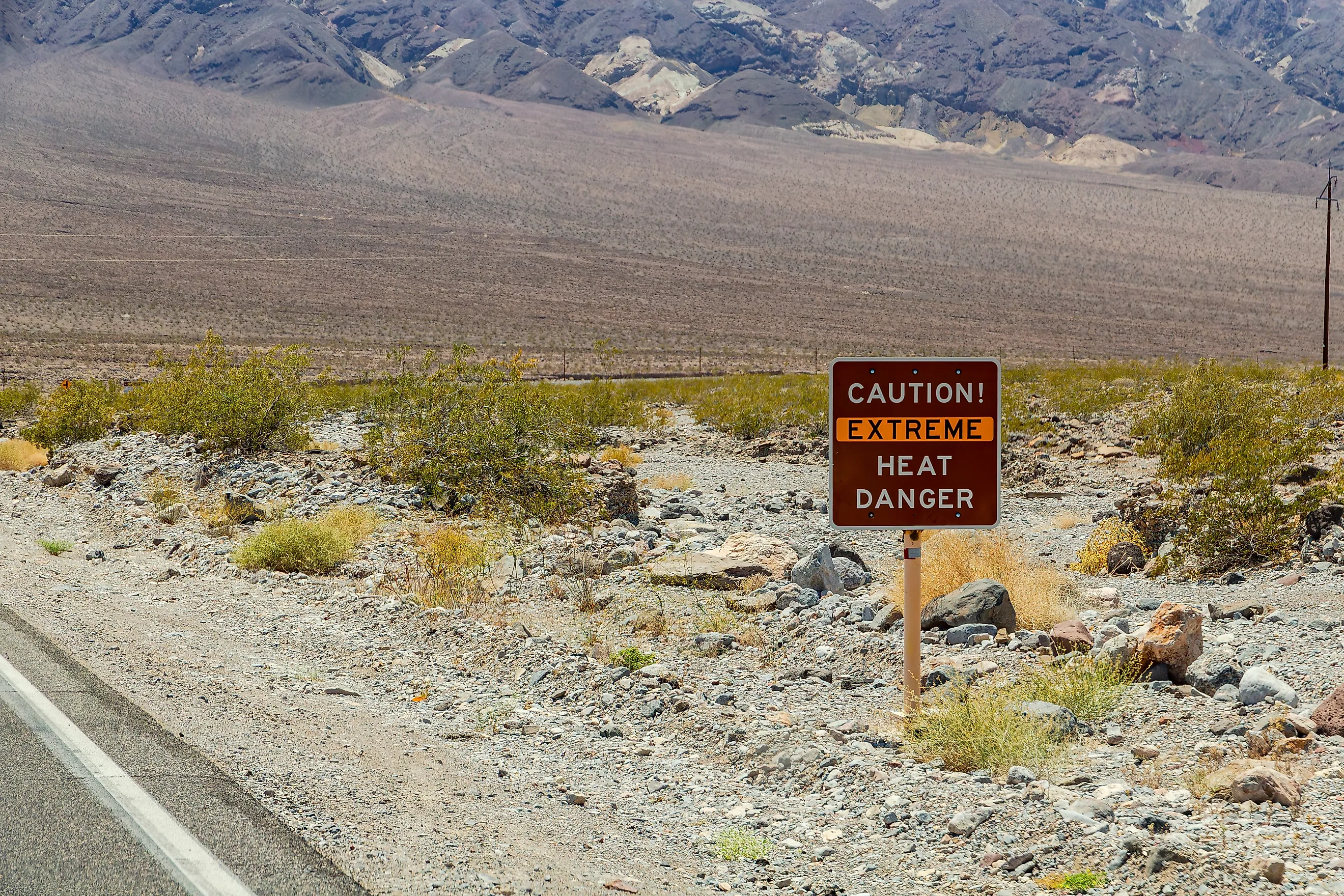
Death Valley holds the official crown. A searing 134 degrees Fahrenheit (56.7°C) was logged at Furnace Creek on July 10, 1913, and it is still recognized as the hottest air temperature ever measured anywhere on the planet. The Sahara's best official mark is 131 degrees (55°C), set at Kebili, Tunisia, back in 1931. So a single valley in California officially out-bakes the entire Sahara by about three degrees. Death Valley only inherited the world title in 2012, when the World Meteorological Organization threw out a long-standing 136-degree reading from Libya after concluding it was riddled with measurement errors.
Why Death Valley Is So Extreme

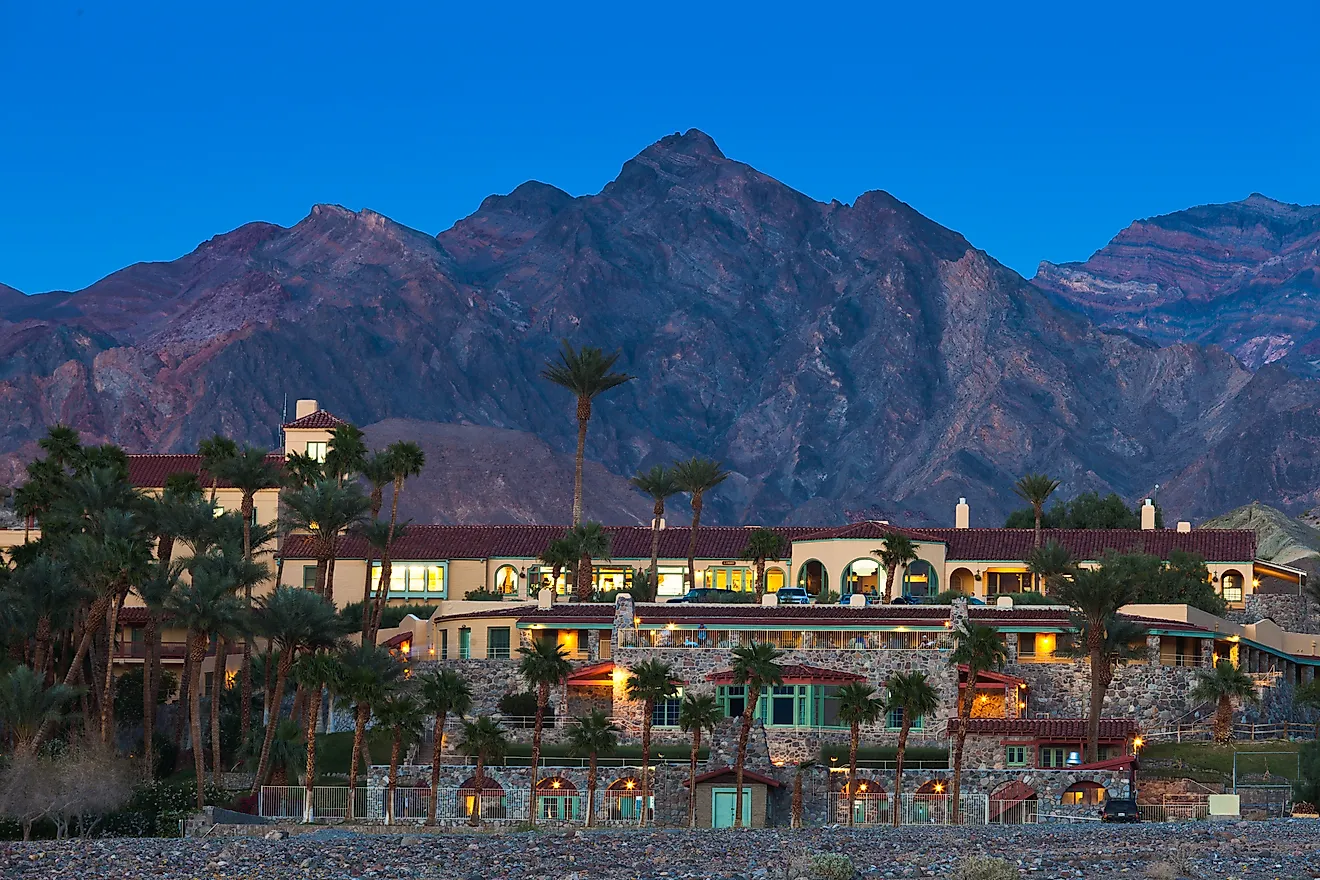
Death Valley is a heat machine practically by design. It sits in a deep, narrow basin that plunges to 282 feet below sea level at Badwater, the lowest point in North America, and it is hemmed in by tall, steep mountains. When air bakes over the dark, bone-dry valley floor, it rises, then sinks back down, compressing and heating even further, while the surrounding walls trap it so the same hot air recirculates with nowhere to escape. Add a nearly rainless climate and almost no vegetation, and you have a natural convection oven. The Sahara, for all its ferocity, is far more open and lacks that heat-trapping lid.
But the Sahara Wins on Scale

Records are one thing; sheer relentlessness is another. Death Valley is a single, small valley about 140 miles long. The Sahara is a furnace roughly 3.6 million square miles across, about the size of the entire United States, blanketing a dozen countries in near-constant, punishing heat. Across that vast expanse lie countless remote stretches with no weather stations at all, any number of which could quietly rival or beat Death Valley on a given afternoon, with no one there to record it. Death Valley may spike the single highest official number, but the Sahara delivers extreme heat on a scale nowhere else on Earth can match.
The Ground Is Even Hotter

Here is a twist worth knowing: air temperature is not the only way to measure heat, and the ground tells a very different story. A bare desert floor gets far hotter than the air hovering above it. Death Valley once clocked a ground-surface temperature of around 201 degrees Fahrenheit, hot enough to cook. And satellites that measure land-surface temperature routinely catch the Sahara, along with Iran's Lut Desert, baking well above 175 degrees. So if you judge "hottest" by the dirt rather than the air, the crown starts sliding all over the map.
The Record Nobody Fully Trusts

For all the bragging rights, there is a giant asterisk here. Many meteorologists believe Death Valley's 1913 reading is simply too high to be real. A detailed 2016 review and a more recent study both concluded it was almost certainly the mistake of an inexperienced observer, and it survives as the official record only because no one has formally overturned it. Experts consider the Sahara's Kebili record even shakier, since that oasis town has never come remotely close to 131 degrees in the decades since. Strip out the doubtful numbers, and Death Valley's modern, well-documented highs of 130 degrees, hit in both 2020 and 2021, become the hottest temperatures reliably measured on Earth, with the Sahara's best modern readings sitting a notch below. However you slice it, Death Valley keeps the crown. In the end, it holds the record while the Sahara holds the reputation: one valley engineered by geography to spike the highest, and one continent-sized desert that simply never lets up.