The State Parks With The Best Backcountry Camping
Camping and backpacking are two of the most popular year round outdoor recreations for single adults, seniors, and families alike. With 2,474 state parks across the US, great places to pitch a tent are endless. Amid the most scenic state parks in the country, these five parks offer the best backcountry camping sites with exquisite landscapes and ample activities to enjoy all four seasons. Between them they run from a 209,000 acre Maine wilderness with no running water to a Georgia canyon a thousand feet deep.
Baxter State Park, Maine

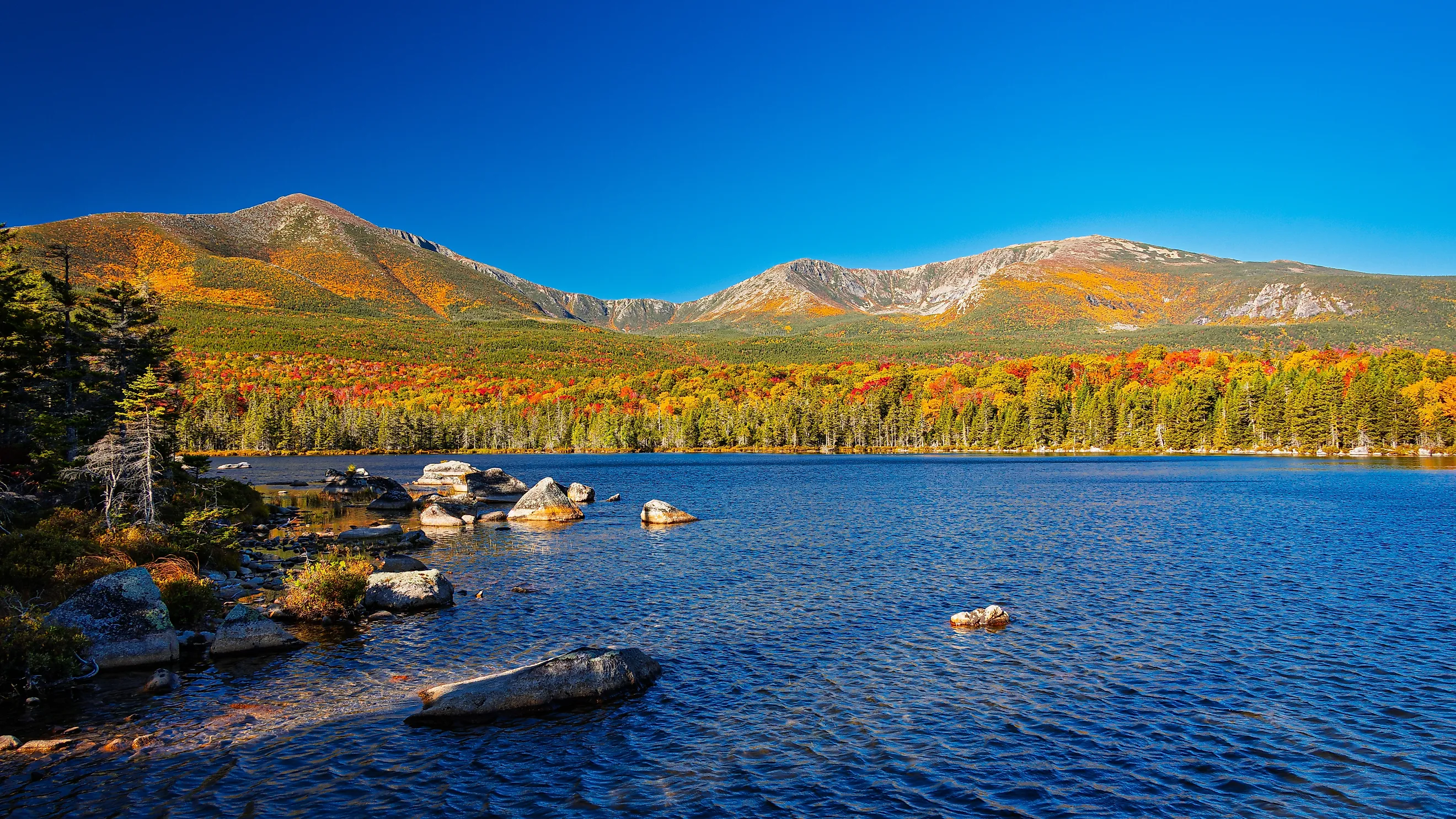
Home to the northern terminus of the Appalachian Trail, Mount Katahdin, Baxter State Park is situated in north central Maine. Spanning an imposing 209,000 acres, 75 percent of which are wildlife sanctuary, Baxter State Park is home to large populations of moose and black bears and features more than 215 miles of hiking trails and rock climbing crags. There are more than 40 mountains and ridges within the park, brimming with dense forests, clear waterways, and rugged wilderness. Backpackers and campers can pick from established backcountry campsites, like Chimney Pond and Russell Pond, or from 31 more remote sites further in the park. Established campsites have flat areas to pitch a tent and a reliable water source close by while more remote, unnamed sites do not. All backcountry sites inside Baxter State Park require hiking in order to access, anywhere from 3.3 miles to 10 miles one way.
When it comes to backcountry, Baxter State Park leans into the wilderness surrounding it. Once inside the park, there is zero cell phone service, electricity, or running water. There is no potable water anywhere inside the park, so make sure you pack a water filtration system. Baxter State Park is known for its rock-riddled terrain, elevation changes, and stream crossings. Visitors should expect similar terrain while trekking to backcountry sites. All camping requires advanced reservations through the park's website. The park is open all year, but expect heavy snowfall during the winter months and thick mud during the spring. Reservations open on a four month rolling window, so the earliest you can book a site is four months out. In 2026, reservations for designated sites are $32 per night and $21 per night for nondesignated sites. Dogs are not permitted anywhere inside Baxter State Park.
Cloudland Canyon State Park, Georgia

Encompassing a 1,000 foot deep canyon etched by Sitton Gulch Creek, Cloudland Canyon State Park offers an unexpected landscape of thick forests, sandstone cliffs, rolling creeks, natural caves, and dazzling waterfalls. Located in northwest Georgia, the park covers 3,500 acres including 64 miles of hiking trails, 16 miles of horseback riding trails, 30 miles of biking trails, access to rock climbing routes, and fishing. For overnight ventures, the park has plenty of options. There are 13 backcountry campsites to choose from, 11 sites that are situated along the Backcountry Loop Trail and two more that can be found on the Bear Creek Backcountry Trail. Expect to hike anywhere from one mile to six miles one way to access a campsite. Dogs are allowed in Cloudland Canyon State Park, but must be leashed at all times.
The less strenuous of the two, the Backcountry Loop Trail is a two mile, moderate hike that takes visitors through dense hemlock and oak forests. Sites are scattered along the loop, with designated signs for each site. It is suggested to hike the trail counter clockwise, following the red trail blazes downhill through the thicket, across a small stream, and back up a soft 200 foot elevation gain at the end of the trek. The Bear Creek Backcountry Trail stretches 8 miles, two of which are the Backcountry Loop, and is considered one of the most difficult hikes in the park. With an elevation gain of over 1,000 feet, the trail takes hikers down to the canyon floor and back up, through several creeks, and past two waterfalls. Campsites are situated along the route. All sites must be reserved online, with autumn being the most popular season. Reservations for all backcountry sites are $10 per night, plus a flat $5 parking fee.
Mueller State Park, Colorado

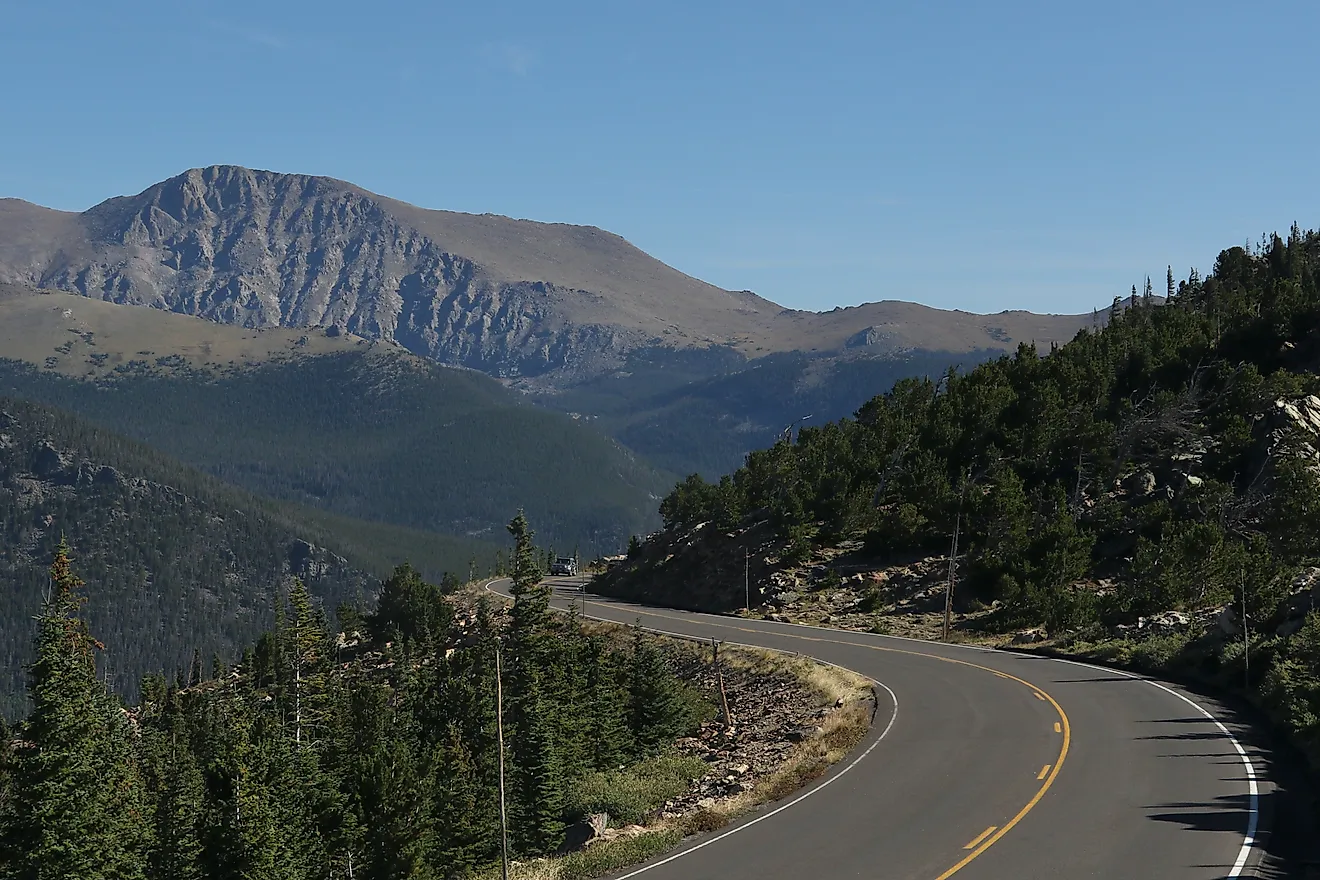
Mueller State Park sits at the base of Colorado's famous Pikes Peak, west of Colorado Springs. The 5,117 acre parklands were formed from archaic geological movements, resulting in scenery teeming with striking granite formations surrounded by dense aspen and coniferous forest and hilly montane meadows. Accessible year-round, the park includes 44.3 miles of hiking trails, 38 miles of mountain biking trails, 35.25 miles of horse-friendly trails, and snowshoeing and cross-country skiing on all trails. There are four primitive camp sites resting at an elevation of 9,500 feet at Mueller State Park, two in the Black Mountain Backcountry Campsite and two more in the Tenderfoot Backcountry Campsite. The Black Mountain Backcountry sites require a 1.25 mile hike on loose, rocky terrain. Tenderfoot Backcountry sites are a touch further, 1.32 miles from the trailhead, along a similar surface. While these campsites are available anytime throughout the year, access to these sites is never guaranteed. Poor trail conditions, like snow or mud, can cause these trails to be inaccessible or difficult to pass. Make sure to check the park website for updated conditions.
Backcountry camping at Mueller State Park comes with more than most primitive campsites, making it an ideal location for newly minted backcountry campers. Each site is outfitted with a 12 x 12 tent pad, composting toilet, and bear box to store food. There is no potable water at any backcountry sites, so plan to pack in water or bring water filtration. Black Mountain has a natural spring nearby, but it can be unreliable in dry seasons. No campfires are allowed inside the park due to the high elevation and fickle Colorado weather. At Tenderfoot, the closest water source is a half mile away. Daily parking fees for Colorado residents are $10 to $12 per day, depending on the time of year and day of the week. Parking for out-of-state visitors is $15 to $17 per day. Campsites cost $18 per night. Reservations are required and can be made up to six months in advance. It is worth noting that Mueller State Park has a thriving wildlife ecosystem including black bears, gray fox, elk, mountain lions, and mule deer. Because of this wildlife abundance, only service dogs and horses are allowed in the park.
Porcupine Mountains Wilderness State Park, Michigan

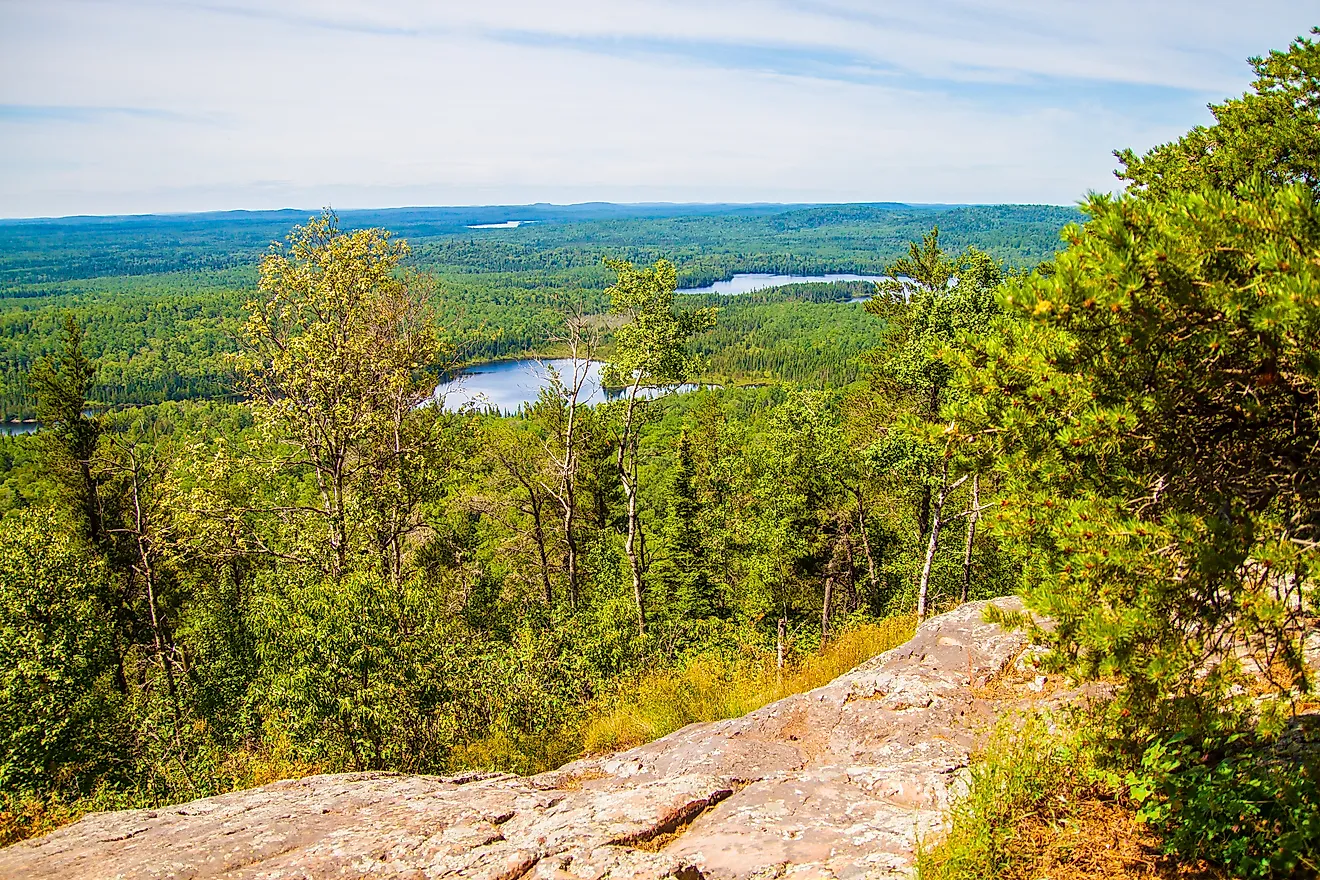
Porcupine Mountains Wilderness State Park is the largest state park in Michigan, stretching 60,000 acres in the state's western upper peninsula. With 90 miles of trails to hike, backpack, bike, snowshoe, and even dogsled in the winter, the park is a haven of old growth hardwood forests, cascading waterfalls, rivers, and expansive Lake Superior shorelines. All season backcountry camping and backpacking are the park's most popular attractions. There are 65 backcountry campsites throughout the park to choose from, with almost all including a fire ring and composting privy nearby. Bear proof food storage is also available with most backcountry sites as the park boasts a hardy black bear population. The sites are numbered and dispersed throughout the park, so hike-in mileage will vary. Leashed dogs are welcomed inside the park.
The Lake Superior Trail and the Escarpment Trail are the two most popular hikes in the park, both involving deceptively difficult terrain with steep inclines, treacherous descents, and rocky tread. Running alongside the Lake Superior shoreline, the 17.1 mile out and back Lake Superior Trail is the longest and most challenging trail in the park. The demanding landscape pays off with incredible views of Presque Isle River, two gushing waterfalls, and exquisite Lake Superior scenery. A much shorter hike at 4.3 miles, the Escarpment Trail is an out and back hike that traverses the escarpment ridge, along steep cliffs, until reaching a grand panoramic view of the glacial lake, Lake of the Clouds. While short in mileage, this trail includes sharp elevation changes that render it difficult. Backcountry campsites can be found along both trails. Reservations are required for all sites and are $20 per night with a six person group size limit. Campsites go fast during peak season, July through October, so make sure to plan your trip ahead of time. Booking is available up to 6 months in advance, but no later than 72 hours prior.
Tettegouche State Park, Minnesota

Tettegouche State Park is a 9,346 acre capsule of Minnesota's North Shore, with Lake Superior vistas framed by 200 foot tall ancient volcanic cliffs and boreal forests. Four waterfalls spout from the Baptism River in the southwestern section of the park, the largest of which, High Falls, stands 60 feet, making it the tallest waterfall entirely within Minnesota. Tettegouche State Park boasts 23 miles of hiking trails, eight miles of mountain biking trails, 19 miles of cross-country skiing trails, and 12 miles of snowmobiling trails. There are five backpacking sites along the section of the Superior Hiking Trail that runs through the park and are first come first serve. Roughly 12 miles of the 300 mile long trail winds its way through the park, crossing the over 100 foot bridge at High Falls, highlighting the striking views of Lake Superior and Bean and Bear Lake along the way. It can be completed as a loop and is considered to be one of the most difficult and rugged portions of the Superior Hiking Trail.
For a less conventional backcountry experience, the Tettegouche Camp's four lakeside primitive cabins might be appealing. Tettegouche Camp is further into the park, roughly 3.5 miles from the main park trailhead. All gear, including food and bedding, must be carried to the cabins. These cabins take primitive seriously, with zero running water, bathrooms, or kitchens. There is a shared bathhouse and primitive lodge, though, and a canoe equipped with life vests for campers to share. Dogs are not permitted at the campsites. Reservations for the cabins are between $130 and $175 per night, depending on the site and are accessible 12 months out of the year. Online reservations can be made up to four months in advance.
State Parks Offer Rugged Adventures
State parks across the US provide countless backcountry opportunities for every outdoor interest, in every walk of life. With a park in every state, backcountry camping can be found regardless of location. The state parks on this list represent the top primitive camping options in the country, each one showcasing an aspect of the diverse American landscape that makes backcountry camping in US state parks a worthwhile experience.