What Happens If Lake Powell Is Drained To Save Lake Mead
The proposal is called Fill Mead First, the Glen Canyon Institute has been advocating it since the 1990s, and it rests on a simple premise: the Colorado River does not have enough water to fill two enormous reservoirs, so it should fill one. What makes the idea worth examining in 2026 rather than dismissing is that the river has been moving in that direction anyway. Lake Powell came within 30 feet of minimum power pool in 2023, and Reclamation's own 2024 technical memorandum notes that elevations below that point were never anticipated when the dam was designed. The question is no longer purely hypothetical. And the most serious finding in the entire debate has nothing to do with whether draining Powell is a good idea at all.
The Three Stages

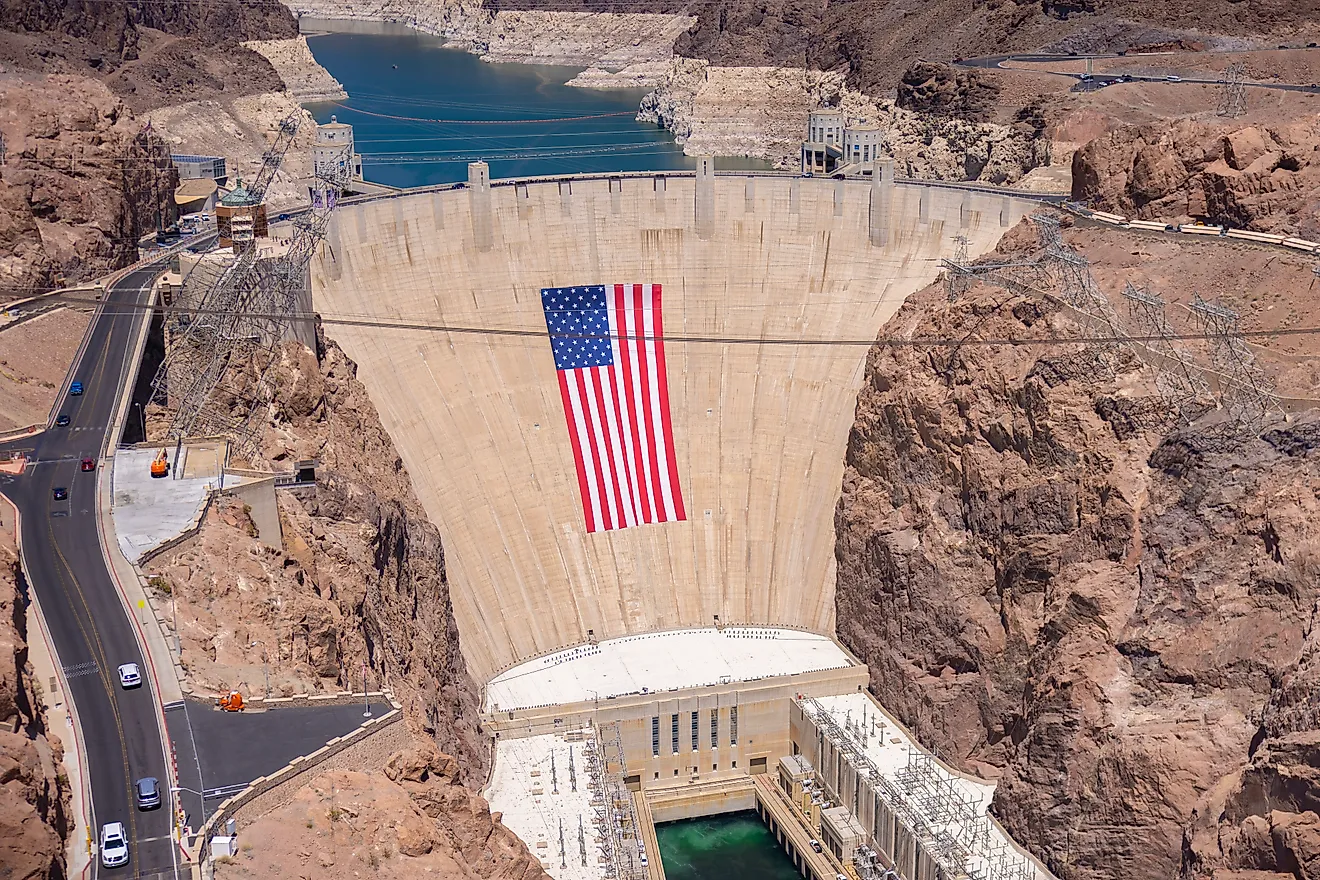
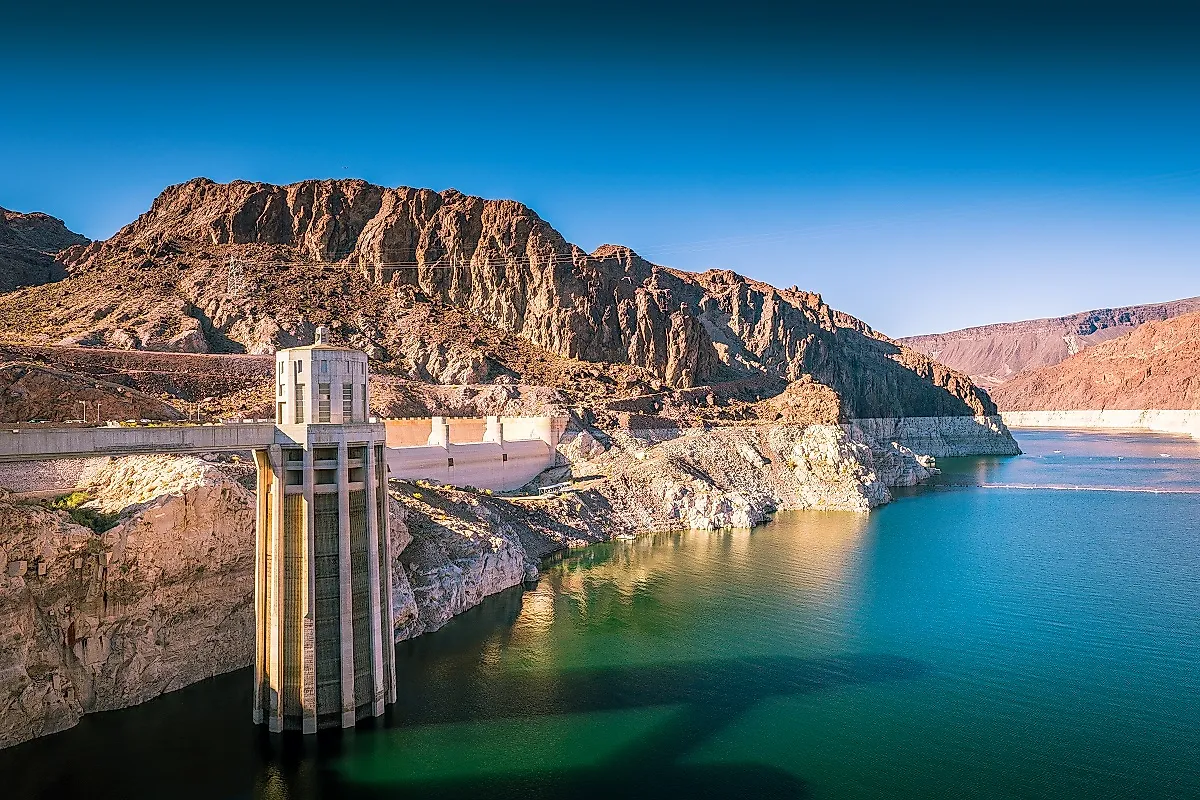
The Glen Canyon Institute lays the proposal out in phases rather than as a single switch. Stage one brings Lake Powell down to around 3,490 feet, minimum power pool, at which point much of Glen Canyon's drowned landscape re-emerges. Stage two takes it to roughly 3,374 feet, near the river outlet works, where no power is generated and considerably less water can pass through the dam. Stage three involves drilling new diversion tunnels around Glen Canyon Dam entirely and letting the river run through.
Each stage is a different proposition with different consequences, which is part of why the debate gets muddled.
The Plumbing Is The Real Problem
Here is the finding that matters most, and it applies whether or not anybody ever adopts this proposal. Glen Canyon Dam's eight penstocks, the 15-foot tubes feeding the turbines, stop working below 3,490 feet. Below that the only way out is the river outlet works, a smaller set of bypass tubes. As the reservoir falls from minimum power pool toward dead pool, the pressure driving water through those tubes drops with it.
The consequence is stark. Well before reaching dead pool, the dam becomes physically incapable of releasing enough water to meet the Lower Basin delivery obligations required by the 1922 Compact. Eric Balken of the Glen Canyon Institute put it neatly: the structure built to meet the delivery obligation may become the thing that prevents it being met.
The Water Savings Are Disputed

The original case for Fill Mead First was that Powell wastes water through evaporation off its surface and seepage into its sandstone walls, and that consolidating storage downstream would save a great deal of it.
A 2013 study commissioned by the Institute supported that. Then in November 2016 Jack Schmidt of Utah State University's Center for Colorado River Studies published an 80-page technical assessment concluding the opposite, finding savings would be less than 50,000 acre-feet a year.
The Glen Canyon Institute now cites that figure on its own website while continuing to advocate the proposal on other grounds. That is a reasonable position, and it means the water-saving argument is no longer the strongest one available to either side.
Glen Canyon Would Come Back
The restoration case is the one supporters consider primary, and as a matter of fact it is not really contested. Glen Canyon was flooded in 1963 and is widely regarded as having been among the most spectacular canyon landscapes in North America. Lowering the reservoir re-exposes side canyons, arches and river terraces, and this has already been happening in miniature as the lake has dropped over the past two decades.
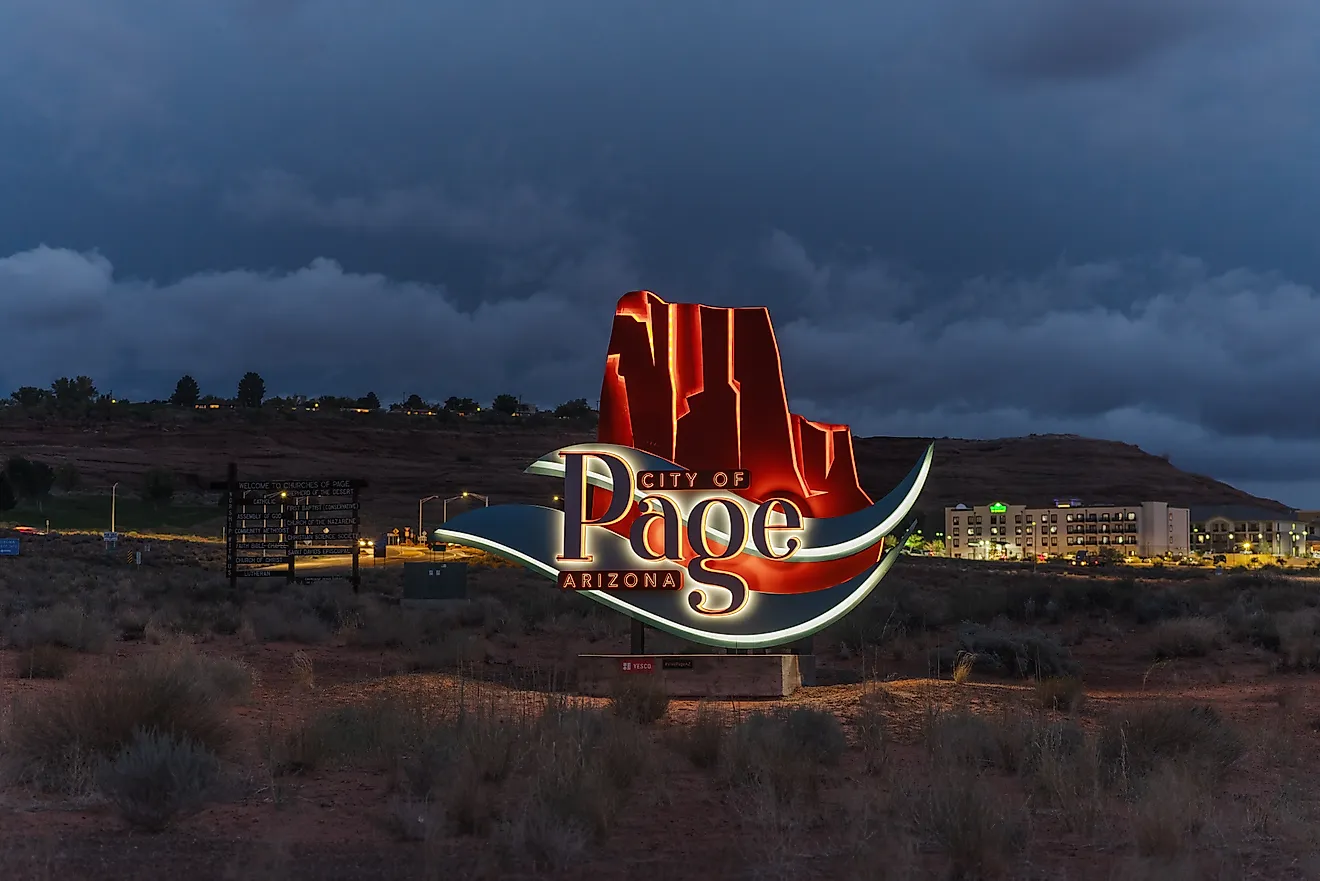
The counterweight is that Lake Powell supports a substantial recreation economy around Page, and that the reservoir itself has been a destination for three generations of visitors.
The Sediment Question Cuts Both Ways
Glen Canyon Dam traps more than 95 percent of the sediment the Colorado carries, which is why the Grand Canyon downstream is described as sediment bankrupt, its sandbars and beaches eroding without replenishment.
Supporters argue that bypassing the dam would restore natural sediment flow, rebuild those beaches, and move the remaining sediment on to Lake Mead where management is cheaper and more feasible.
Schmidt's assessment is more cautious. It found that stage two would not change the fine-sediment deficit at all, and that under stage three the delivery of fine sediment into the Grand Canyon would probably be very large, producing significant change and a notably turbid river. It also warned that new sediment beds would form in Glen Canyon close to the dam and could interfere with drainage through the outlet works.
The Endangered Fish Problem Is Not Simple
Anyone expecting the ecological argument to run neatly one way will find this section inconvenient. Glen Canyon Dam currently releases cold water drawn from deep in the reservoir, which is bad for native warmwater fish but has incidentally protected the Grand Canyon's humpback chub, the world's last source population, by keeping invasive warmwater predators out.
As the reservoir falls toward minimum power pool, releases warm, and smallmouth bass and other invasive predators can pass through the dam into chub habitat. The Center for Biological Diversity has warned that targeting elevations just above minimum power pool maximizes that passage, and that federal agencies have no plan for operating at those levels. Schmidt's assessment likewise flagged risks to the humpback chub as potentially significant.
Draining the reservoir would eventually restore a pre-dam thermal and sediment regime that native fish evolved in. Getting there involves a transition that could go badly for the species it is meant to help.
The Legal Obstacle Is Larger Than The Engineering One

Lake Powell is not simply a reservoir. It is the Upper Basin's instrument for meeting its delivery obligation to the Lower Basin under the 1922 Compact, which is why the Upper Basin states do not support Fill Mead First.
The usual suggestion for resolving that is to move the compliance measuring point downstream to Hoover Dam, which effectively makes Lake Mead the shared account. Doing so would require renegotiating the Compact, and the Law of the River has resisted renegotiation for a century.
There is also money. Hydropower revenue from Glen Canyon funds a substantial share of Colorado River programs, including environmental compliance, and removing it would leave less to pay for managing the river.
What Would Be Lost
The straightforward costs are worth stating together rather than scattered through the argument. Glen Canyon Dam generates electricity for roughly five million customers across several states. The Page recreation economy depends on reservoir access. The Upper Basin loses the storage buffer that lets it absorb a bad year without immediately violating the Compact. And a century of infrastructure built around two reservoirs would have to be re-engineered around one.
It May Not Be A Choice
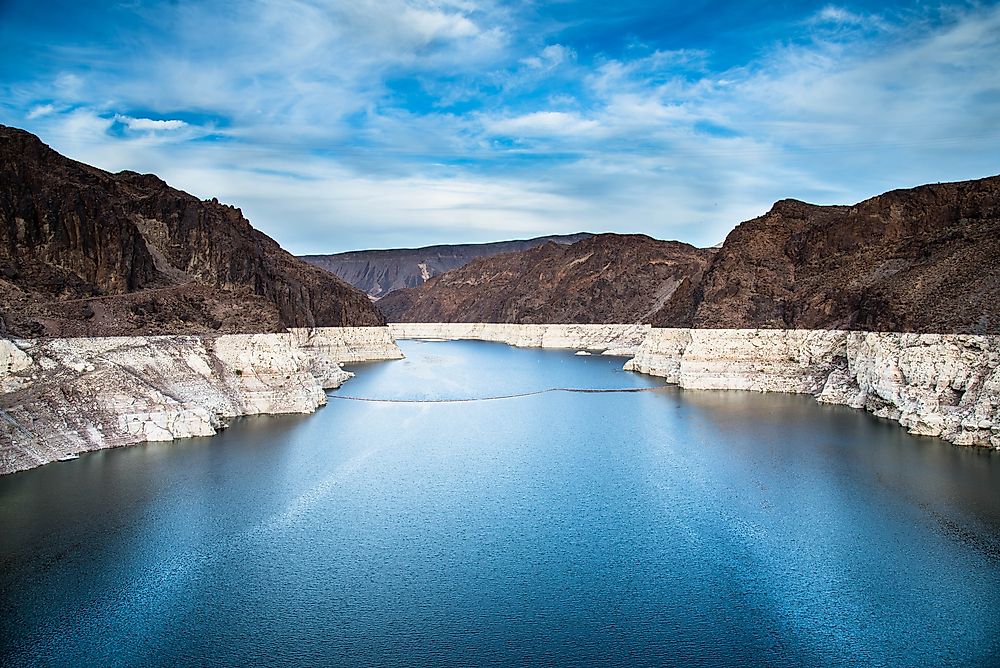
The reason this proposal has moved from fringe to serious is not that the advocacy improved. It is that the hydrology started making the argument on its own.
Lower Basin states have asked Interior to study an overhaul of Glen Canyon Dam, specifically including the option of river-level diversion tunnels, which is the stage three mechanism Fill Mead First has advocated for years. Federal documents have acknowledged the option would restore natural streamflow and sediment to the Grand Canyon while noting it would likely bring a multi-decadal period of ecosystem adjustment.
When the Lower Basin asks for a study of bypassing Glen Canyon Dam, the question has stopped being whether environmentalists want it.
The Honest Answer

If Lake Powell were drained into Lake Mead, Glen Canyon would re-emerge, the Grand Canyon would get its sediment back along with a far muddier river, Glen Canyon Dam would stop generating power, the Upper Basin would lose its compliance buffer, and the water savings would probably be modest rather than transformative.
The more useful conclusion is that the system is already approaching elevations where the dam cannot do its job, nobody has a plan for operating there, and the structural question Fill Mead First raised thirty years ago is now being asked by the states rather than by its advocates.