5 Tick Infested Areas In Victoria
Ticks have been sighted across much of Victoria, but the greatest concern is in areas with especially moist forests, dense undergrowth, abundant wildlife, and regular outdoor activity from human visitors. Gippsland, the Otways, the Dandenong Ranges, and several other regions all contain zones where people and animals alike can run into these potentially harmful pests. In fact, this southern state is home to medically important paralysis ticks, although their distribution is more restricted than other local species. With that, risk varies by species, habitat, and season, with the upcoming warmer months likely to bring greater activity. Knowing which parts of Victoria support substantial populations of these bloodthirsty arachnids can help you to understand where encounters are more likely to happen, whether you're hiking, camping, or walking your dog.
East Gippsland

Green rolling hills of East Gippsland in Australia.
East Gippsland is perhaps Victoria's most notorious tick hotspot, particularly around the coastal and forested country near Bairnsdale and Orbost. Agriculture Victoria identifies the region as part of the range of the ominously named "paralysis tick," which extends along the eastern seaboard of Australia into eastern Victoria. This species is associated with a wide range of hosts, including native wildlife, dogs and people.
Regional conditions also suit other tick species, as bush ticks thrive where lush foliage persists, too. The region's general mix of forest, farmland, wetlands and coastal vegetation creates abundant habitat for the wildlife that carries the tick throughout the landscape and into neighbouring locations.
Autumn and spring are the two peak periods for paralysis tick activity here, unlike the single season identified further north.
South Gippsland

Very similar to its eastern counterpart, South Gippsland has its own extensive tick habitat across its own array of forested ranges, farmland and coastal country, including the space around Wilsons Promontory. Agriculture Victoria identifies Gippsland as an established endemic hot zone for benign theileriosis, a tick-borne cattle disease caused by Theileria orientalis.
The department has also documented links between high rainfall (of which there is lots here), increased tick activity and outbreaks of clinical disease in cattle. Moreover, the nearby Strzelecki Ranges go on for roughly 100 km, giving the region another substantial area of pristine, hilly habitat to top it all off. Around Wilsons Promontory, a combination of coastal scrub, more woodland and abundant native wildlife adds further potential tick habitat.
For hikers, campers and people working outdoors here, the wooded areas around Foster, Fish Creek and Wilsons Promontory are among the parts of Gippsland where tick exposure warrants particular attention.
The Otways

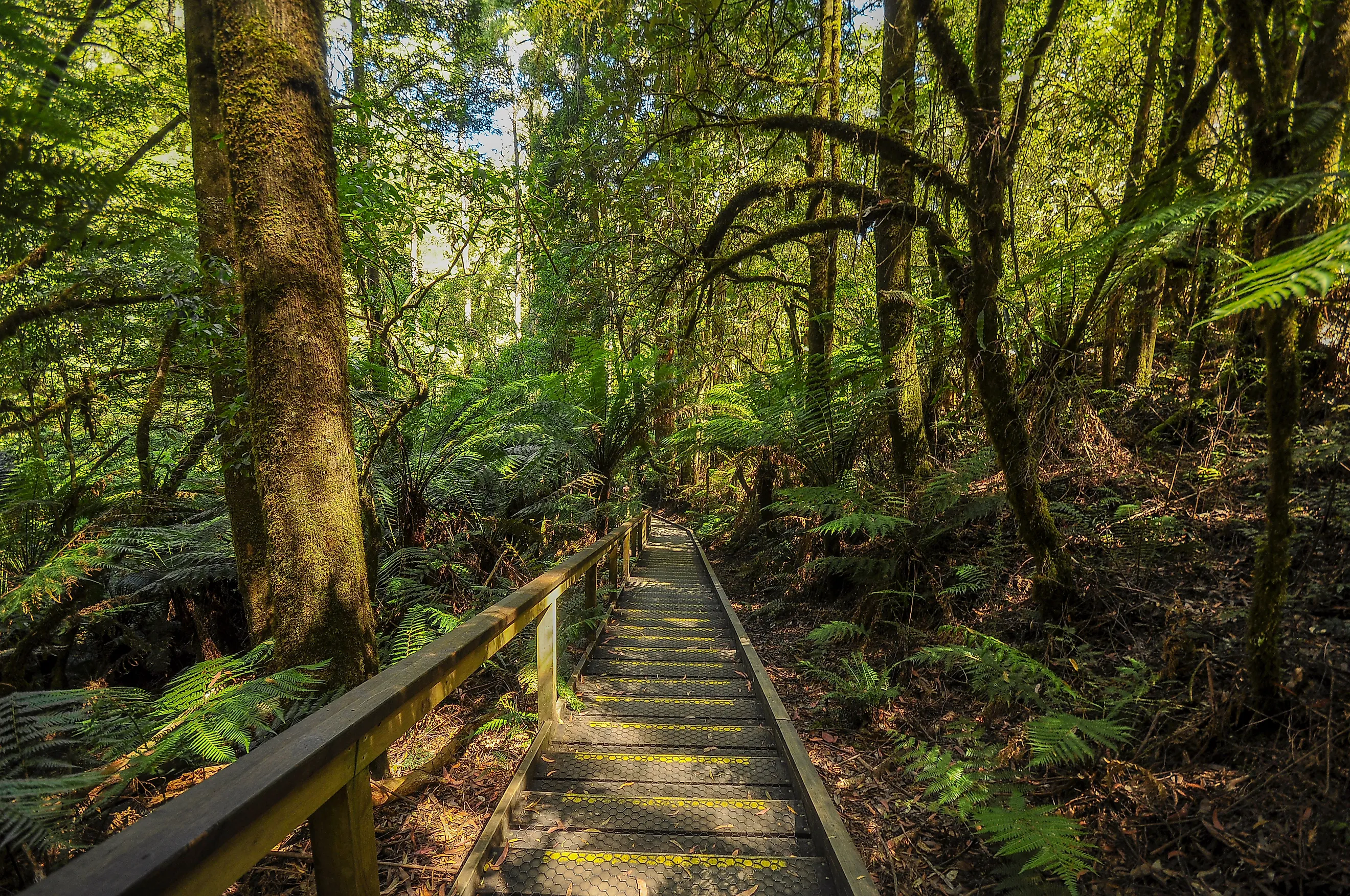
The Great Otway National Park is another significant tick area in Victoria that is also a popular tourist draw, with its cool, wet forests creating space for both ticks and outdoor recreation around every corner. The region receives substantial rainfall, and its eucalypt forests, fern gullies, and thick undergrowth provide tons of idyllic living space for a number of flora and fauna that house and carry local ticks.
The southern paralysis tick's potential range extends into this part of southwestern Victoria, although it has not been confirmed in the ranges themselves. Also note that tick activity is not restricted to summer, as the Australian Government's guidelines regularly identify autumn larvae, winter nymphs, and spring adults, with the high levels of humidity here increasing yearly activity across the board.
The Otways' extensive network of walking tracks, including routes through Maits Rest and the Great Ocean Walk, takes visitors through the type of lush vegetation where ticks are most likely to occur. The nearby towns of Apollo Bay and Lavers Hill also sit within this heavily forested landscape, making the Otways a highly notable area for potential exposure in both urban and rural spaces.
Dandenong Ranges

Ticks are a familiar hazard in the forested country around the Dandenong Ranges, where cool, damp conditions and heavy vegetation create yet another favorable habitat. This area east of Melbourne sits on the southern edge of the Great Dividing Range, with locales such as Mount Dandenong, Olinda, Sassafras, and Belgrave surrounded by rain-soaked forest and fern undergrowth.
The Dandenong Ranges National Park is especially relevant because it includes mountain ash and other tall wet-forest species, with fallen timber, leaf litter and thick ground cover providing shelter for small mammals that can carry ticks. The Dandenong Ranges also contain several popular bushwalking areas, including Sherbrooke Forest and the woods/fields around Silvan Reservoir.
Strathbogie Ranges

North of Melbourne, the Strathbogie Ranges form another long section of the Great Dividing Range, rising to 1,033 metres at Mount Strathbogie. The range's combination of temperate upland forests, creeks, and other waterways means resident ticks can easily thrive and multiply here, particularly in shaded areas on hot days.
Strathbogie State Forest boasts a large number of mountain ash and mixed eucalypt forest, while the surrounding farmland brings domestic animals into the same environment as native tick hosts. But the region is perhaps most significant because Strathbogie Shire sits within the Goulburn Valley Public Health Unit as well, a zone covering a large area of northeastern Victoria where outdoor exposure is common for both outdoor enthusiasts and farm workers.
Thankfully, Victoria's paralysis tick range is concentrated farther east around Bairnsdale and coastal East Gippsland, so the Strathbogie Ranges should not be seen as a major paralysis-tick hotspot (yet, at least).
Be Aware of Victoria's Tick Hotspots this Summer
Victoria's tick country extends from the wet forests of Gippsland and the Otways to the ranges surrounding Melbourne. Species, as well as activity levels, vary between the locations we have highlighted, so exposure is not necessarily a widespread problem in this state, but it is in many of its most beloved recreational areas. Visitors and residents alike keep that in mind, as understanding local conditions is the first step toward reducing unwanted encounters with these potentially disease-carrying pests.