The Smallest State Park In America
Two or three hours covers Granite Ghost Town State Park, with time left for pictures. That is the perk of a small state park. The visit takes in the whole place and the rest of the day is still yours. Only properties designated State Park count here, which rules out historic sites, memorials, recreation areas, and municipal parks run by state agencies. By that measure, Montana's Granite Ghost Town State Park is the smallest in the country, a patch of silver-mining ruins well under an acre above Philipsburg. A river museum in Des Arc, Arkansas, and a boat-access island in a Connecticut lake hold the same designation on less than an acre apiece, and the parks below each carry a full state park title on ground you can walk end to end in a couple of minutes!
Granite Ghost Town State Park, Montana

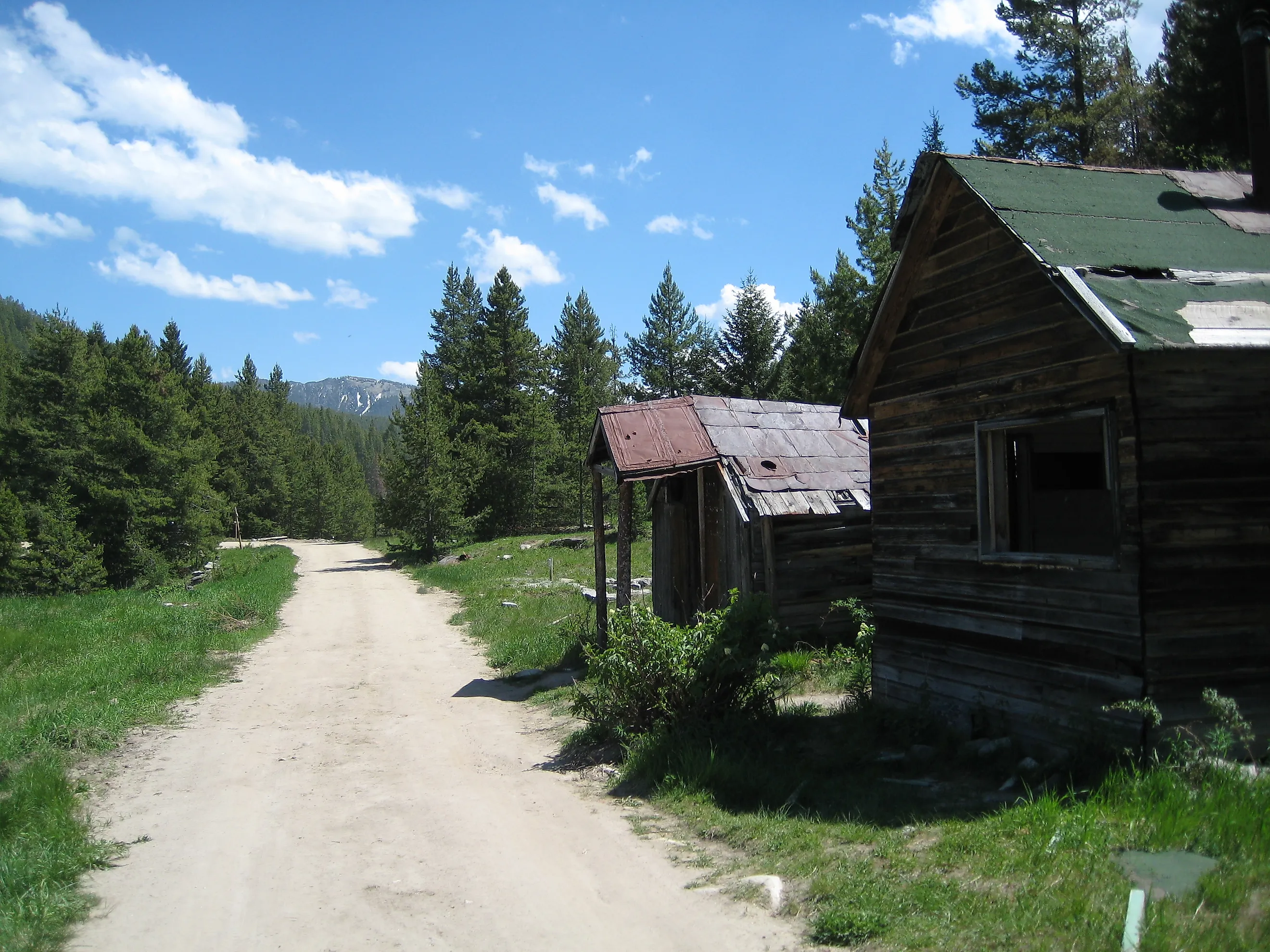
Granite Ghost Town State Park occupies only 0.23 acre at roughly 6,930 feet above sea level near Philipsburg. Montana Fish, Wildlife & Parks protects the Granite Mine Superintendent's House and the ruins of the Miners' Union Hall within the site. Granite itself grew rapidly after rich silver deposits were developed, eventually reaching around 3,000 residents. FWP reports that the Granite Mine produced about $40 million in silver before the Panic of 1893 helped end the town's boom.
The approach adds plenty of drama before the ruins even appear. The road from Philipsburg gains about 1,280 feet, with steep grades and tight turns that lead FWP to recommend a high-clearance vehicle. At the top, old stonework and weathered buildings stand where miners once worked and families built a busy mountain community. The park may cover less ground than many neighborhood lots, but the remains sit in a wide-open Montana setting that makes the scale of the old mining settlement easy to imagine.
Lower White River Museum State Park, Arkansas
Lower White River Museum State Park packs a century of river history into only 0.4 acre in Des Arc. Arkansas State Parks focuses its exhibits on the lower White River between 1831 and 1931, when steamboats moved passengers and freight through communities along the water. Commercial fishing supported local livelihoods, and freshwater mussel shells became valuable after button manufacturers began using them during the late 1800s. The White River also played a military role during the Civil War, when Union gunboats traveled along it during operations in Arkansas. Inside the museum, those stories stay closely tied to Des Arc itself, so the visit feels rooted in one specific river town rather than in a broad survey of state history. It is a tiny park with a sharply focused story and plenty to dig into once visitors step through the door.
Minnie Island State Park, Connecticut

Minnie Island State Park turns a trip to Gardner Lake into a boat-access adventure. Connecticut's Department of Energy and Environmental Protection lists the park at about one acre, sitting between Bozrah and Montville with no road connecting it to shore. Reaching the park means arriving across the water.
Once there, visitors find a largely undeveloped island where fishing and picnicking are permitted. Trees cover much of the ground, and the shoreline is never far away, so the lake remains part of the view from nearly every corner.
The island also has a historical connection to Oramel Whittlesey, founder of the Music Vale Seminary in nearby Salem, one of America's early music schools. Today, the scale is part of the fun. A short boat ride can end on an official state park small enough to explore without anything resembling a long hike.
Herman Davis State Park, Arkansas

Herman Davis State Park covers one acre in Manila and centers on the Arkansas soldier whose service in World War I brought national attention to his hometown. Davis served as a sniper in France and received American and French military honors. His grave and a tall granite monument now occupy the park, where the story stays focused on the man the site was created to remember. Arkansas schoolchildren helped pay for the original memorial through a penny drive, and it was dedicated in 1925. After vandals damaged the first marble statue in 1967, the present monument replaced it. Arkansas added the property to its state park system in 1953. The stop is compact and easy to take in, but the details give it weight: a local soldier, a statewide fundraising effort, and a memorial that has remained part of Manila for generations.
Elkhorn State Park, Montana

Elkhorn State Park occupies about one acre within the former silver-mining community of Elkhorn. Montana Fish, Wildlife & Parks owns Fraternity Hall and Gillian Hall, two surviving buildings from the town's boom years, while much of the surrounding ghost town remains privately owned. Both structures were recorded by the Historic American Buildings Survey, preserving detailed documentation of buildings that still stand on site.
Fraternity Hall is hard to miss. Its broad false front and second-story balcony give visitors a vivid look at the architecture of a remote mining community without placing the building behind museum glass. Gillian Hall stands nearby, while interpretive signs fill in the history of the settlement and its mines. The park remains open year-round, although snow can complicate access in colder months. In warmer weather, the combination of original buildings and mountain surroundings makes this one-acre stop feel far bigger than its official boundary suggests.
State Park At The Fair, New York

New York's smallest state park sits inside the New York State Fairgrounds in Syracuse and opens during the annual State Fair. State Park at the Fair covers one acre, giving visitors a quick sample of the recreation and environmental programs found across New York's much larger park system. Park staff run educational activities, while the miniature golf course adds a playful stop between fairground attractions. Programs have also featured live birds of prey, including hawks and owls, giving families a close look at wildlife without leaving the fairgrounds. The New York Office of Parks, Recreation and Historic Preservation officially identifies it as the smallest park in its system. Few state-park visits can be paired quite so easily with carnival rides, fried fair food, and an afternoon wandering one of America's biggest state fairs.
None of these parks is small by accident. Granite and Elkhorn protect the handful of buildings left standing after the silver gave out, and Herman Davis State Park exists to keep one soldier's grave in public hands. The designation works the same way at each stop, holding one specific thing in place. For a visitor, the reward is time. The road up from Philipsburg or the paddle out to Minnie Island takes longer than the park itself, which leaves the rest of the day for the town at the bottom of the hill or the water around the island.