The Oldest Mountain Pass Road In America
Long before interstates, tunnels, or even paved roads, there was one rough path that first carried Americans up and over the mountains and into the wild country beyond. It ran through a single notch in the Appalachians, and simply following it could cost you your life. That path, the Wilderness Road through the Cumberland Gap, is the oldest mountain pass road in America. Here is the story of the route that cracked open a continent.
The Answer: The Wilderness Road

The Wilderness Road, which threaded through the Cumberland Gap at the meeting point of Kentucky, Virginia, and Tennessee, was the first real road ever built through the Appalachian Mountains. Blazed in 1775, it became the nation's first great migration highway, the route by which hundreds of thousands of settlers finally crossed the mountain barrier that had penned the young colonies against the Atlantic coast for well over a century. For close to 50 years, this was simply the way west.
A Gap Worn by Bison

The road worked because nature had already done the hardest part. The Cumberland Gap is a natural notch worn clean through the Appalachian ridges, and it had served as a highway for centuries before any European laid eyes on it, first pounded flat by migrating herds of woodland bison, then followed by Native Americans who knew it as the "Warrior's Path," a route linking the Cherokee of the Great Smoky Mountains with the Shawnee of the Ohio country. In 1750, an English physician named Thomas Walker became the first colonist to document the gap, naming it after the Duke of Cumberland.
Daniel Boone Blazes the Trail

In 1775, a land speculator named Richard Henderson hired the famous frontiersman Daniel Boone to turn that ancient footpath into something wagons, or at least pack horses, could actually travel. Boone and a crew of roughly 30 axemen hacked their way through the gap and on into central Kentucky, carving out a rough trace all the way to the site that became Boonesborough. It was steep, narrow, muddy, and genuinely dangerous, but it was open. "Boone's Trace," as it was first known, had become the Wilderness Road.
The Road West

What followed was a flood of humanity. From 1775 until roughly 1820, the Wilderness Road was the main artery into the American frontier, and by some estimates 200,000 to 300,000 settlers streamed through the Cumberland Gap on their way to Kentucky and the rich lands beyond, toward the Ohio River. The road was widened for wagon traffic in 1796 and even began carrying the mail in the 1790s. For an entire generation of Americans, this one mountain pass was the doorway to a brand-new life.
From Dirt Track to Modern Highway

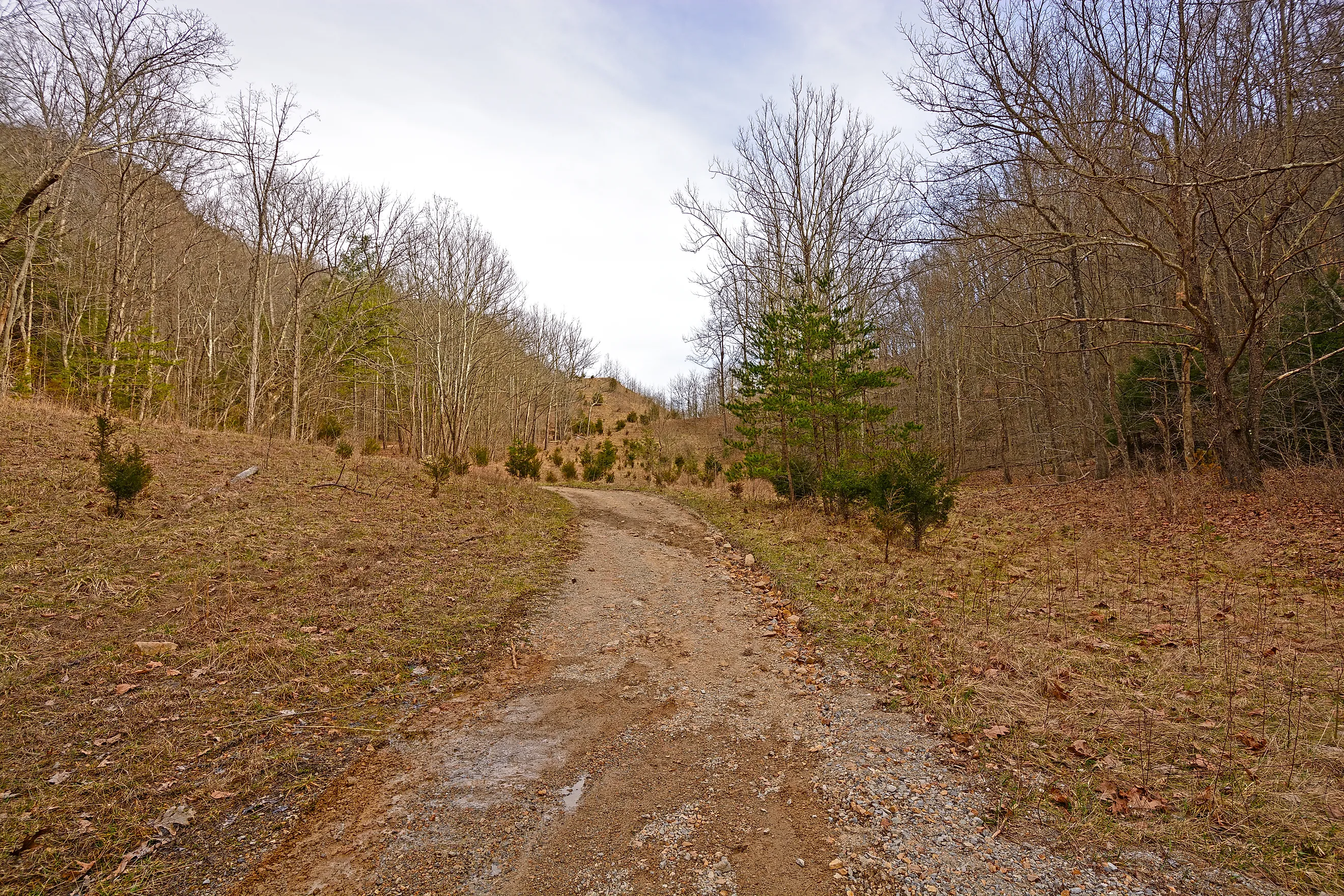
The road's story did not end on the frontier. Over the centuries it was steadily improved, and the stretches near the Cumberland Gap were among the very first lengths of road ever paved in the United States, way back in 1908. It eventually became part of a modern two-lane US highway, one that grew so twisting and accident-prone that locals grimly nicknamed it "Massacre Mountain." Finally, in 1996, through traffic was rerouted beneath the mountain via the new Cumberland Gap Tunnel, and the National Park Service then did something rather remarkable: it ripped out the old pavement and restored the historic road to look much as it did in Boone's own day. You can walk that frontier trace on foot today.
Why It Still Matters

The Wilderness Road is far more than a historical footnote. It was the crack in the Appalachian wall that let the young United States spill westward, opening the nation's first true frontier and setting the template for the great westward expansion that would follow. Today the gap and its road are preserved within Cumberland Gap National Historical Park and a chain of surrounding heritage sites, where you can still trace the path of the very first Americans to ride, drive, and walk their way over the mountains. In a real sense, every mountain pass highway in the country today is following where the Wilderness Road led first.