The Most Remote State Parks In The Lower 48
Most state parks are the friendly kind: a playground, a boat launch, a ranger who waves you through, and a Dairy Queen ten minutes away. This list is about the other kind. These are the parks at the end of the dirt road, past the last gas station, where "remote" is not a marketing word but a genuine logistical problem. Some you reach after hours on gravel, some only on foot, and at least one will make you apologize to your car's suspension out loud. If your idea of a perfect weekend is being gloriously, almost suspiciously far from other humans, pack extra water and read on. We are counting down to the emptiest of them all.
Goblin Valley State Park, Utah
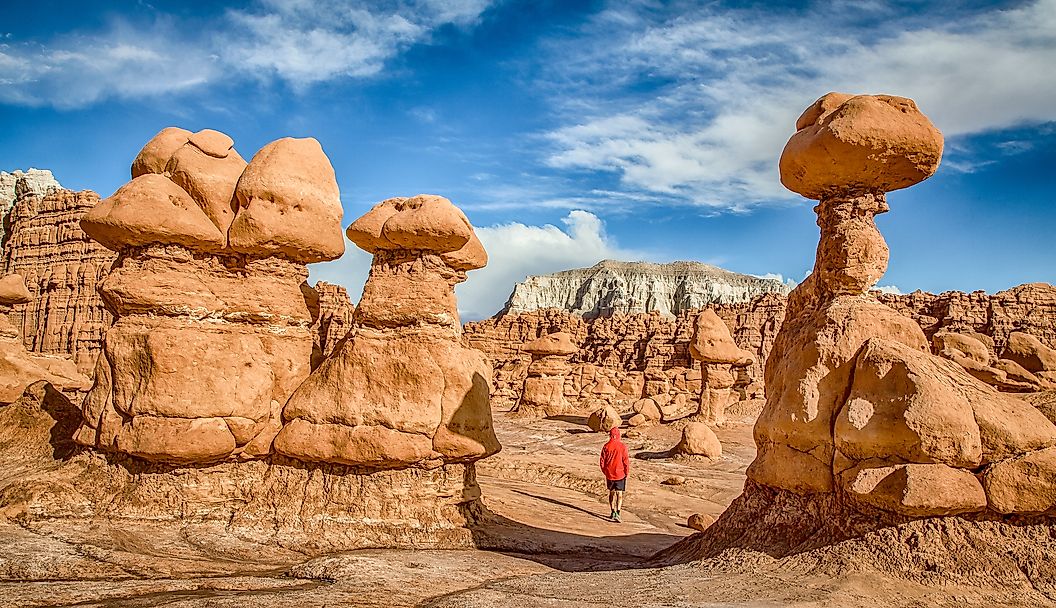
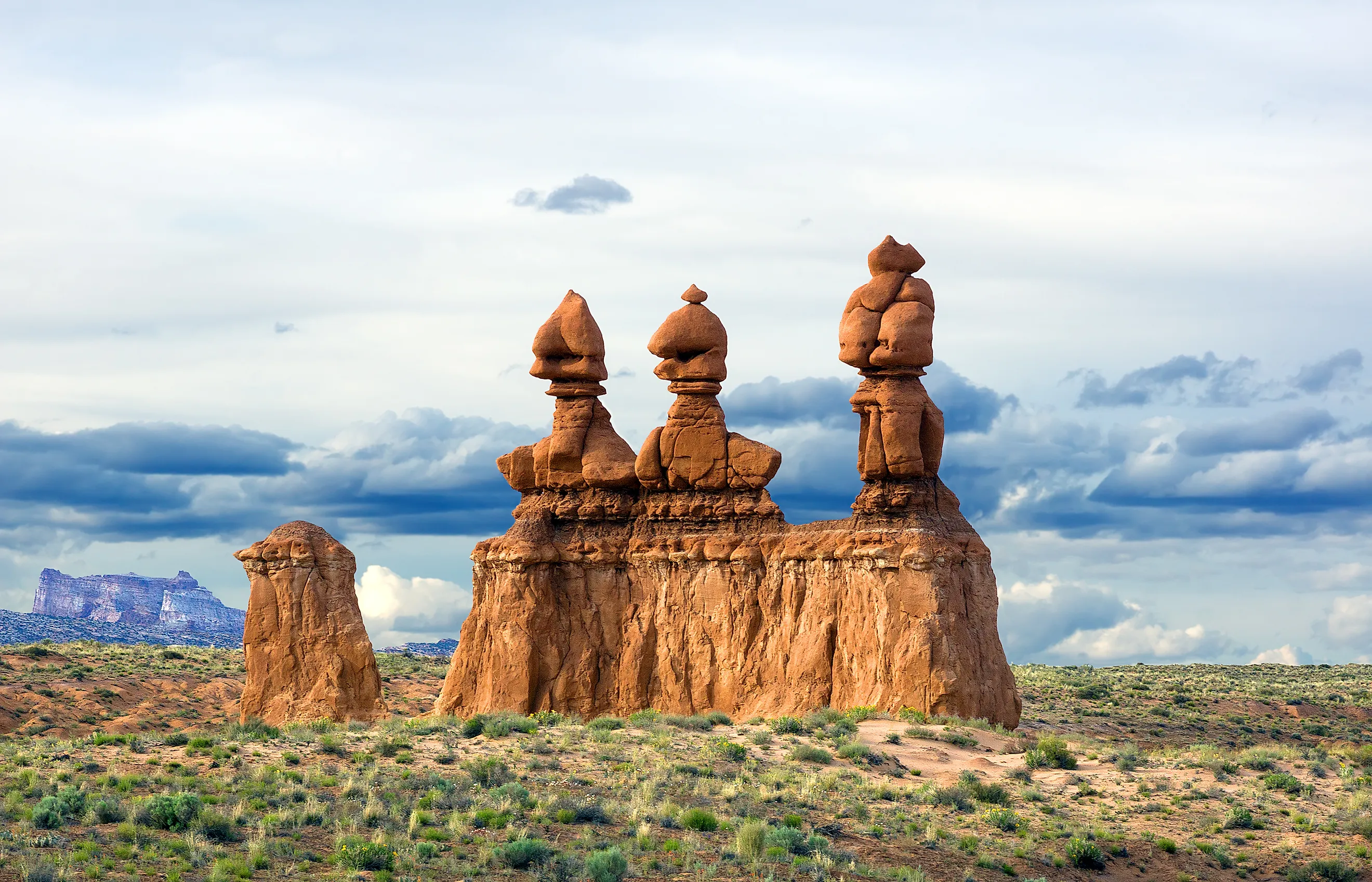
Marooned out in Utah's San Rafael Swell, Goblin Valley is a deeply weird place to be alone. The park is packed with thousands of squat, mushroom-shaped hoodoos, the "goblins" of the name, and wandering among them feels like strolling across a set from a low-budget space movie, which is presumably why one actually filmed here. Getting to it means a long drive off the nearest interstate into a corner of Utah where the towns are tiny and far apart. Add its dark-sky designation, and once the sun goes down you are alone with a few thousand rock goblins and the entire Milky Way. Bring a flashlight and a sense of humor.
Palo Duro Canyon State Park, Texas

Nicknamed the "Grand Canyon of Texas," Palo Duro is the second-largest canyon in the United States, and yet somehow half the country has never heard of it. Blame geography: it sits out in the wide, flat, gloriously empty Texas Panhandle, and you have to cross a whole lot of ranchland to reach the rim. The reward is a 120-mile gash in the earth striped in red, orange, and white, with the slender Lighthouse Formation standing guard at the end of the park's best hike. One of Texas's most dramatic parks is also one of its best-kept secrets, mostly because it is such a haul to get there.
Caddo Lake State Park, Texas

For an entirely different flavor of remote, swap the desert for a swamp. Caddo Lake, way out in the far eastern corner of Texas on the Louisiana line, is a labyrinth of moss-draped cypress bayous so tangled that people genuinely get turned around in them. The nearest community is a tiny village named, with total sincerity, Uncertain, which may be the most honest town name in America. Spanish moss hangs over black water, alligators cruise the channels, and the loudest sound is usually your own paddle. Getting here takes real intention, and once you slip into the maze of channels, the modern world disappears behind a wall of cypress trees.
Valley of Fire State Park, Nevada

Nevada's oldest state park earns its spot on sheer otherworldly isolation. Valley of Fire is a bowl of blazing red Aztec sandstone twisted into waves, domes, and arches, and at sunrise and sunset it glows so intensely it genuinely looks aflame. In full honesty, it is the most reachable park on this list, a straightforward hour from Las Vegas, but the second you drop down into the formations, Sin City may as well be on another continent. The landscape is so convincingly alien that filmmakers have used it to stand in for Mars, and wandering its sandstone on a quiet weekday delivers exactly the "am I the last person on Earth" feeling the rest of this list is chasing.
Baxter State Park, Maine

Baxter is remote in the truest, most stubborn sense: it was designed that way and has been fiercely defended ever since. This 200,000-plus-acre wilderness in northern Maine, about two hours past Bangor and crowned by Mount Katahdin at the northern end of the Appalachian Trail, has no electricity, no running water, and no pavement, exactly as founder Percival Baxter wanted when he demanded it stay "forever wild." The gravel roads are narrow and slow, trailhead access is capped by reservation, and much of the park is reachable only on foot. Katahdin itself is a brutal 8-to-12-hour round-trip climb. This is Maine's largest park, and about as close as the eastern U.S. gets to true backcountry.
Anza-Borrego Desert State Park, California

The runner-up for sheer emptiness is a genuine giant. California's largest state park is a 600,000-acre ocean of desert, and the remarkable part is that most of it has no pavement at all. Past the small town of Borrego Springs, the only California town completely encircled by a single state park, the terrain unravels into some 500 miles of dirt roads winding through badlands, slot canyons, and hidden palm oases. With the right vehicle you can drive for hours and not see another person. It is also a certified dark-sky park, so once the sun drops, the solitude comes with a ceiling of stars that will genuinely stop you in your tracks.
Big Bend Ranch State Park, Texas

And here is the heavyweight champion of nowhere. Big Bend Ranch sprawls across more than 300,000 acres of raw Chihuahuan Desert along the Rio Grande in far West Texas, making it the largest state park in the state and one of the emptiest places you can legally drive to in the country. Texas itself nicknamed it "El Despoblado," The Uninhabited, and welcomes you to "the Other Side of Nowhere." The nearest town is tiny Presidio, the interior ranger station sits 27 miles of unpaved road from the highway, and in all of 2025 the park logged around 12,000 visitors, a figure the neighboring national park can rack up in a single busy day. It has a herd of longhorns, a collapsed volcano eight miles wide called the Solitario, and 70 miles of dirt road that a regular sedan should not attempt. You do not stumble onto Big Bend Ranch. You commit to it.