The US Rivers That Are Running Dry
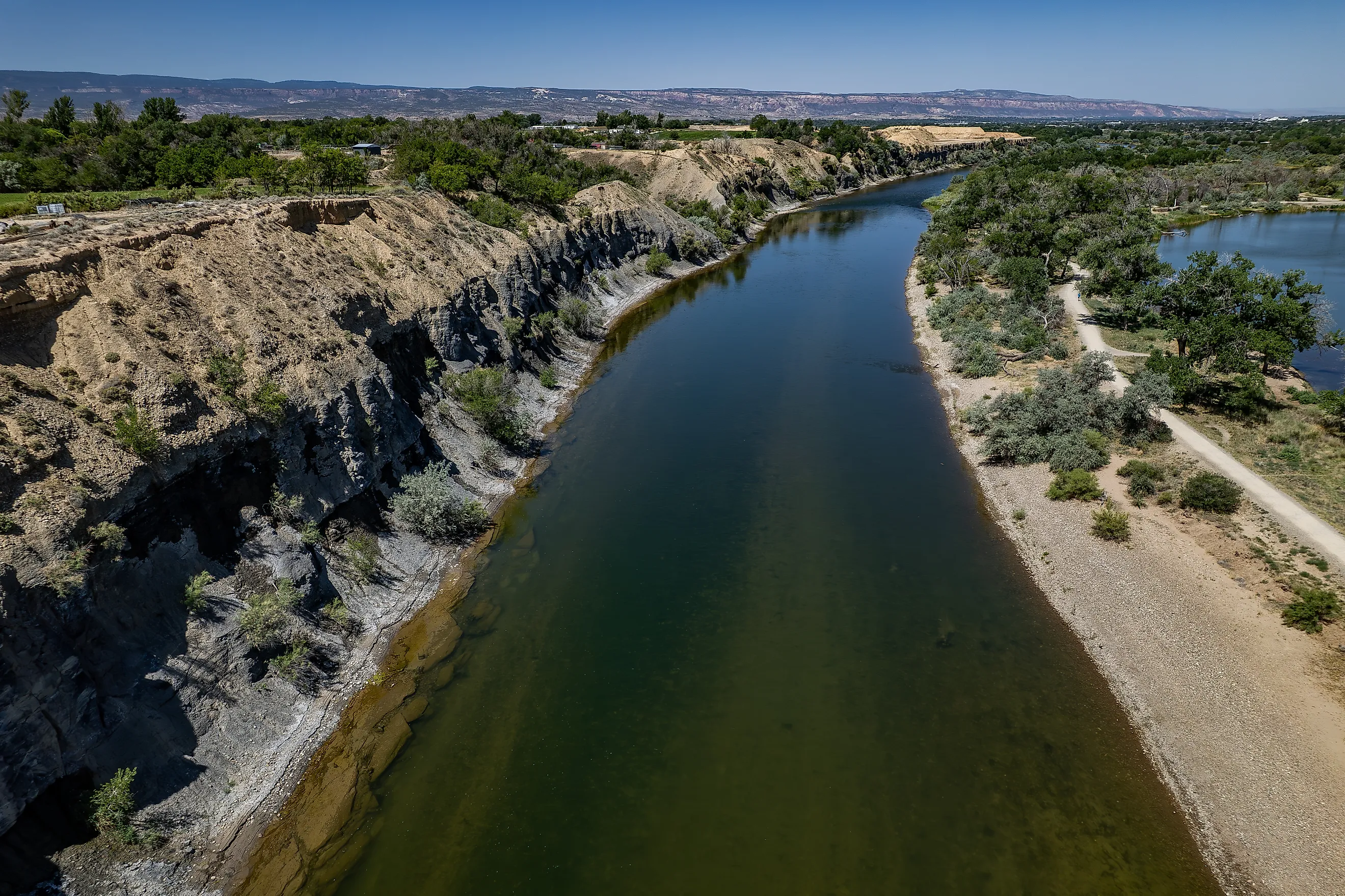
In April 2026, people in Grand Junction, Colorado, saw something most had never seen before. Parts of the Colorado River were running dry. By September, Lake Powell, the giant reservoir downstream, had fallen to the lowest level ever recorded. Across the American West, rivers that once flowed year-round now shrink to trickles, dry pools, or bare sand for weeks or months at a time. The causes are a long drought, a warming climate, shrinking snowpack, and more water pumped out than nature can replace. These are the US rivers that are running dry.
Colorado River

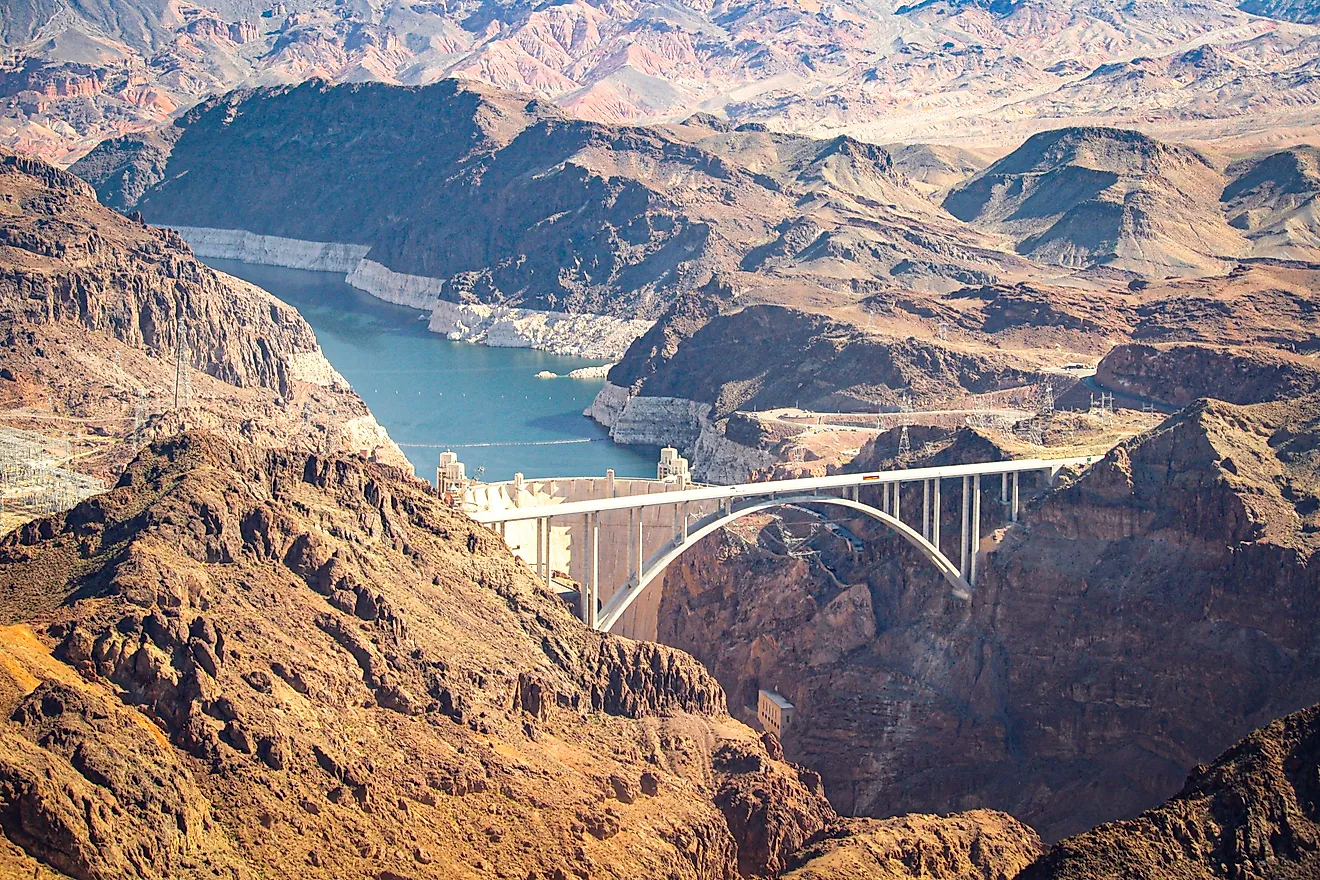
The Colorado River supplies water to about 40 million people and millions of acres of farmland across seven states and Mexico. Since 2000, its flow has shrunk by about a fifth compared with the last century, and in 2026, after a record-low winter snowpack, it hit new lows.
In April, side channels near Grand Junction went dry. By late summer, both Lake Powell and Lake Mead had dropped to record lows, and federal managers released extra water from upstream reservoirs to keep Powell's hydropower turbines running. Far downstream, the river rarely reaches the sea at all, ending in a dry delta in Mexico.
Rio Grande

The Rio Grande, which runs from Colorado through New Mexico and along the Texas-Mexico border, now has dry stretches nearly every summer. In 2022, a five-mile stretch through Albuquerque ran dry for the first time in 40 years, and hundreds of miles of the lower river are often dry.
In 2026, the river faced its third dry year in a row. Reservoirs in its headwaters held only a small fraction of normal water, and officials warned that the Albuquerque reach could dry again. The drying threatens farms, cities, and the endangered Rio Grande silvery minnow, which can only survive in flowing water.
Gila River

The Gila River begins as a wild, free-flowing stream in the mountains of New Mexico, but by the time it crosses Arizona, much of it is dry. Dams, irrigation diversions, and groundwater pumping have left long stretches of its lower course as bare sand for most of the year.
In 2026, drought on the Gila created a crisis for Kearny, Arizona, a small town that depends on the river. Under a water decree written in 1935, the town's share was cut so sharply that leaders warned residents the taps could run dry. The Gila shows how legal rights and drought together decide which communities still get water.
Santa Cruz River

The Santa Cruz River once flowed year-round through what is now Tucson, Arizona, supporting farms and settlements for thousands of years. Heavy groundwater pumping in the 20th century dried much of it out, and today most of its channel is dry sand.
In a twist, some of the river's flowing stretches now come from treated wastewater released by cities, which has brought fish, birds, and vegetation back to a few reaches. Tucson has also restored a small stretch of flowing water downtown. Without those efforts, the river would flow only after heavy rains.
Arkansas River

The Arkansas River flows from the Colorado Rockies across the Great Plains, but in western Kansas, its bed is often empty. Upstream diversions in Colorado and heavy groundwater pumping for irrigation have lowered the water table so much that the river frequently disappears for long stretches.
Towns along the river in western Kansas have watched it shrink to dry sand for much of the year, especially during drought. Farther east, near Wichita, tributaries help revive it. The river's decline has been at the center of long-running legal disputes between Kansas and Colorado over how its water should be shared.
Kern River

The Kern River tumbles out of the Sierra Nevada as a powerful whitewater river, but by the time it reaches Bakersfield, California, it has often been diverted almost entirely for farms and cities. For much of the year, its channel through town is a dry, sandy bed.
Residents and conservation groups have pushed for years to keep water flowing through the city, and recent court rulings have required that some water remain in the river. Even so, during dry years, the river through Bakersfield can still go dry, a striking contrast to the roaring rapids just upstream.
Why Rivers Are Drying Up
These rivers share a common story. Drought and rising temperatures are shrinking the snowpack that feeds them, while warmer air causes more water to evaporate. At the same time, people are diverting and pumping more water than ever for farms, cities, and industry. Some fixes are underway, from water-sharing deals and conservation programs to river restoration projects. But unless supply and demand come back into balance, more stretches of America's rivers are likely to run dry in the years ahead. What happens to these rivers will shape the future of farming, drinking water, and wildlife across much of the country.