What Would Happen If The Great Lakes Froze Solid
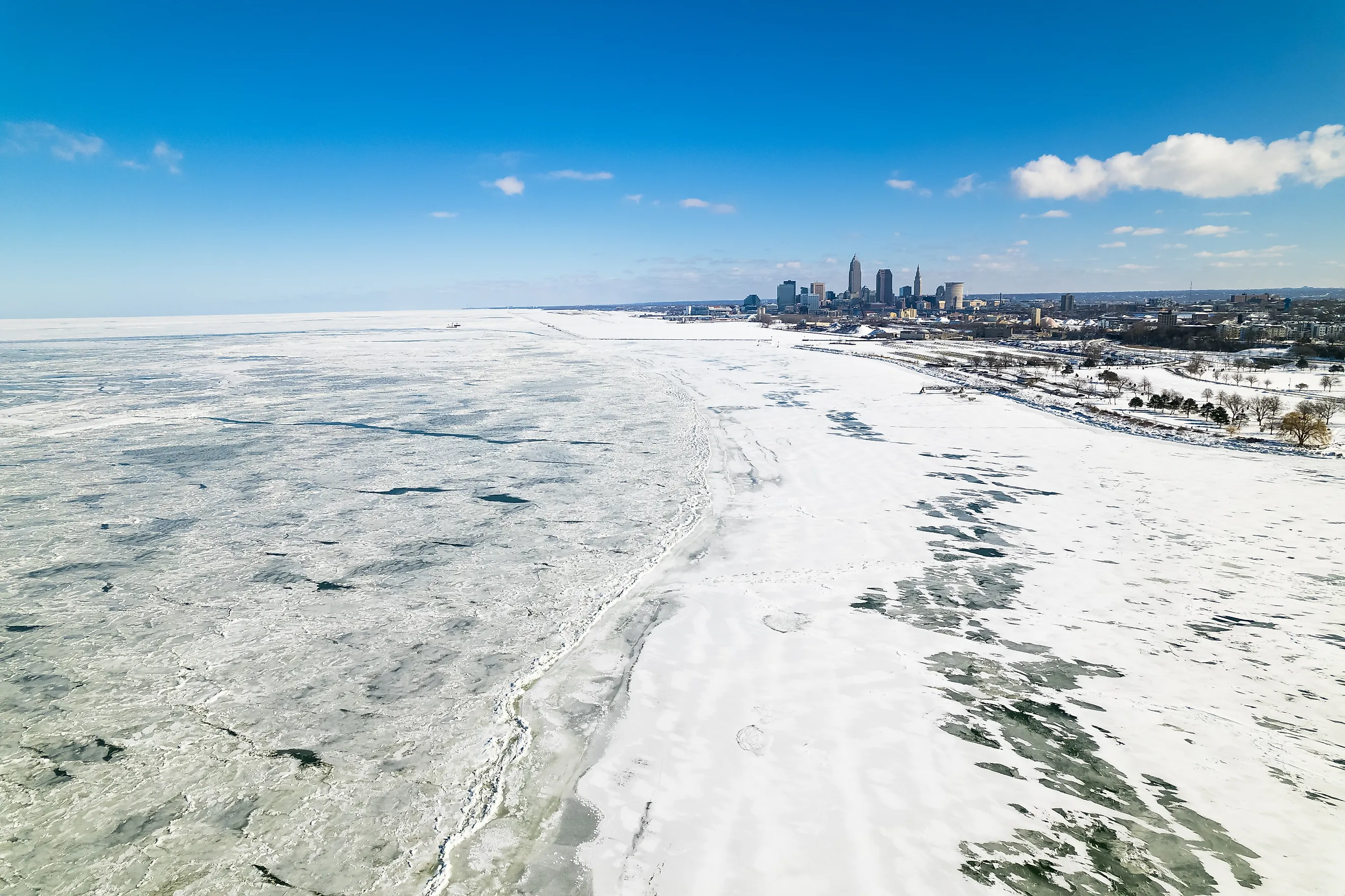
In 1979, ice covered nearly 95% of the Great Lakes, the most ever recorded. Lake Erie froze over from shore to shore, and spring that year arrived late and cold across the region. But even in that record winter, the lakes never froze solid. Beneath the ice, enormous volumes of liquid water kept moving, and fish swam on through the cold. Physics makes a fully frozen Great Lakes all but impossible. So what would actually happen if they did freeze solid, top to bottom? The answer touches everything from snowstorms to drinking water.
Why The Lakes Can't Freeze Solid

Fresh water is heaviest at about 39 degrees Fahrenheit, a few degrees above freezing. As a lake cools in winter, that dense water sinks to the bottom, and colder water rises to the surface, where it eventually turns to ice. Once a layer of ice forms, it acts like a lid, insulating the water below from the frigid air.
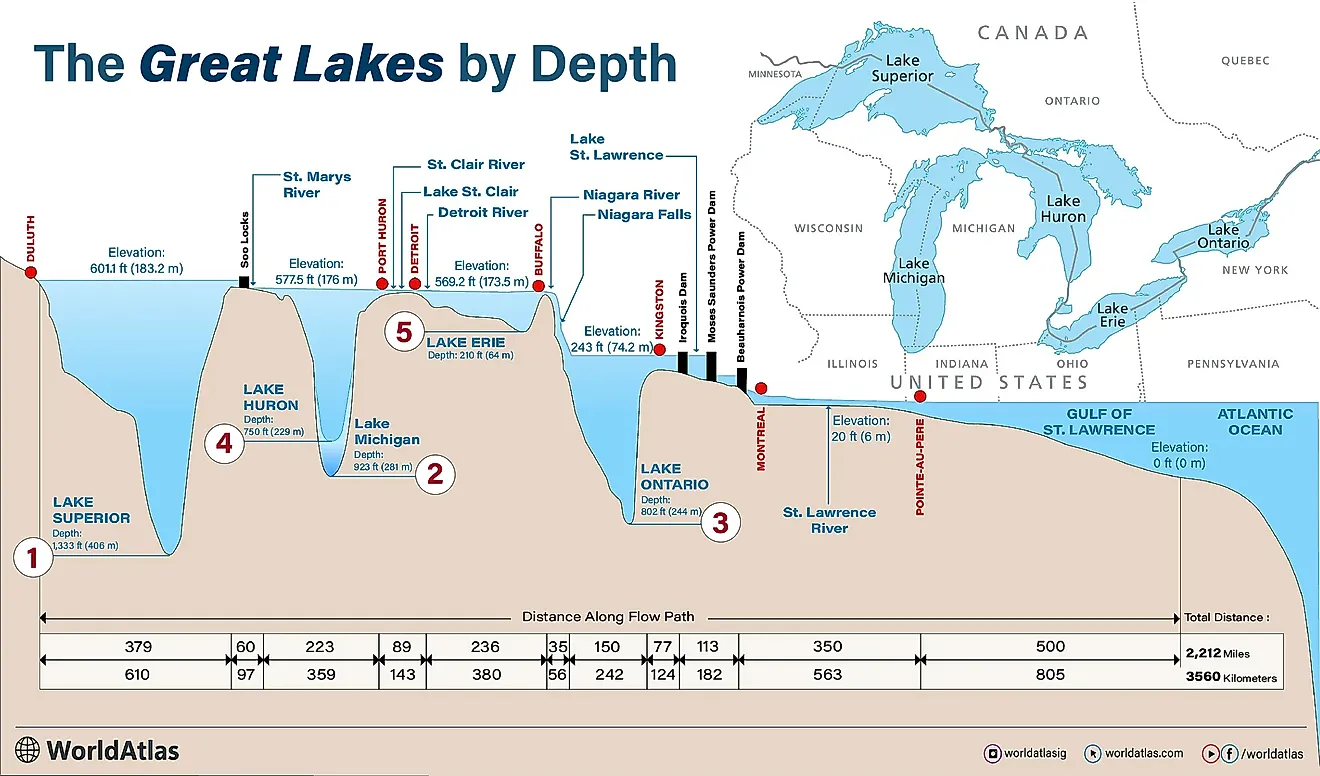
The Great Lakes are also enormously deep. Lake Superior plunges more than 1,300 feet, and even the shallower lakes hold vast amounts of water. Freezing all of it would require months of extreme cold far beyond anything the region experiences. Even when the surface freezes over completely, as Lake Superior and Lake Erie have in a few rare winters, the water below stays liquid.
Lake-Effect Snow Would Stop

Lake-effect snow, which buries towns downwind of the Great Lakes every winter, depends on open water. Cold air blowing across relatively warm lake water picks up moisture and heat, then dumps it as heavy snow when it reaches land. Places like Buffalo, New York, and Michigan's Upper Peninsula owe much of their famous snowfall to this effect.
If the lakes froze solid, that supply of moisture would vanish. Snowfall in many lakeshore towns would drop sharply, and winters would turn colder and drier. In heavy ice years like 1979, the frozen lakes also chilled the region well into spring, delaying planting and keeping temperatures below normal for months.
Shipping Would Grind To A Halt

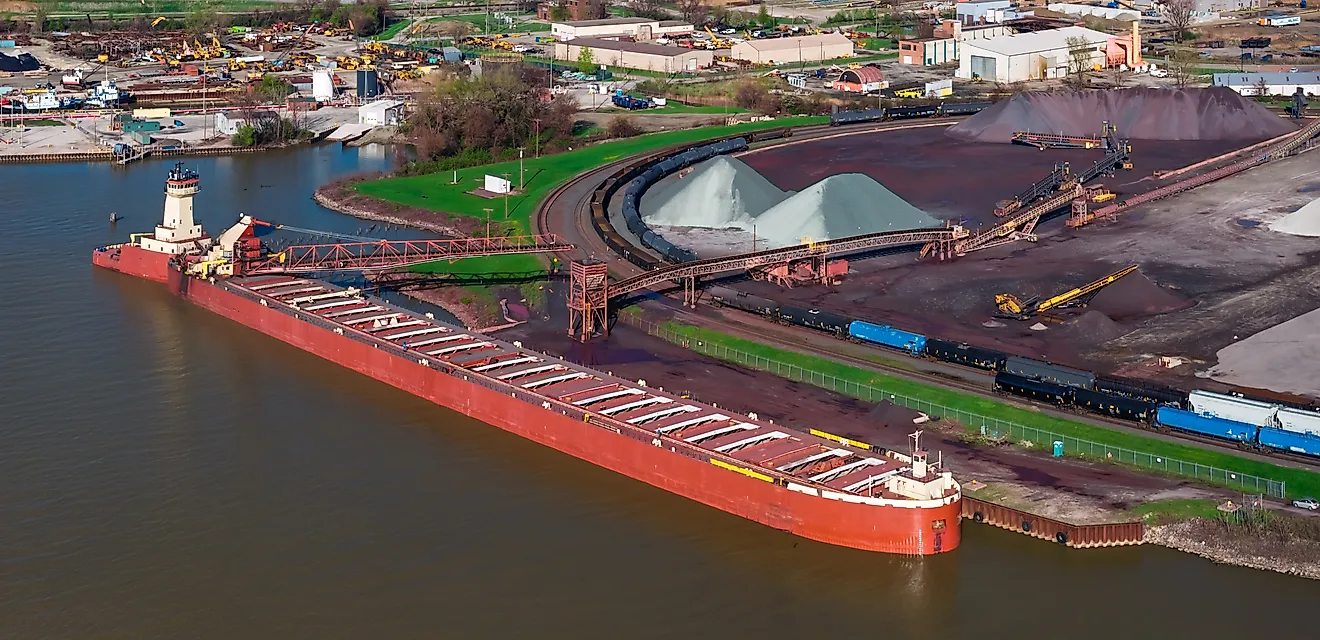
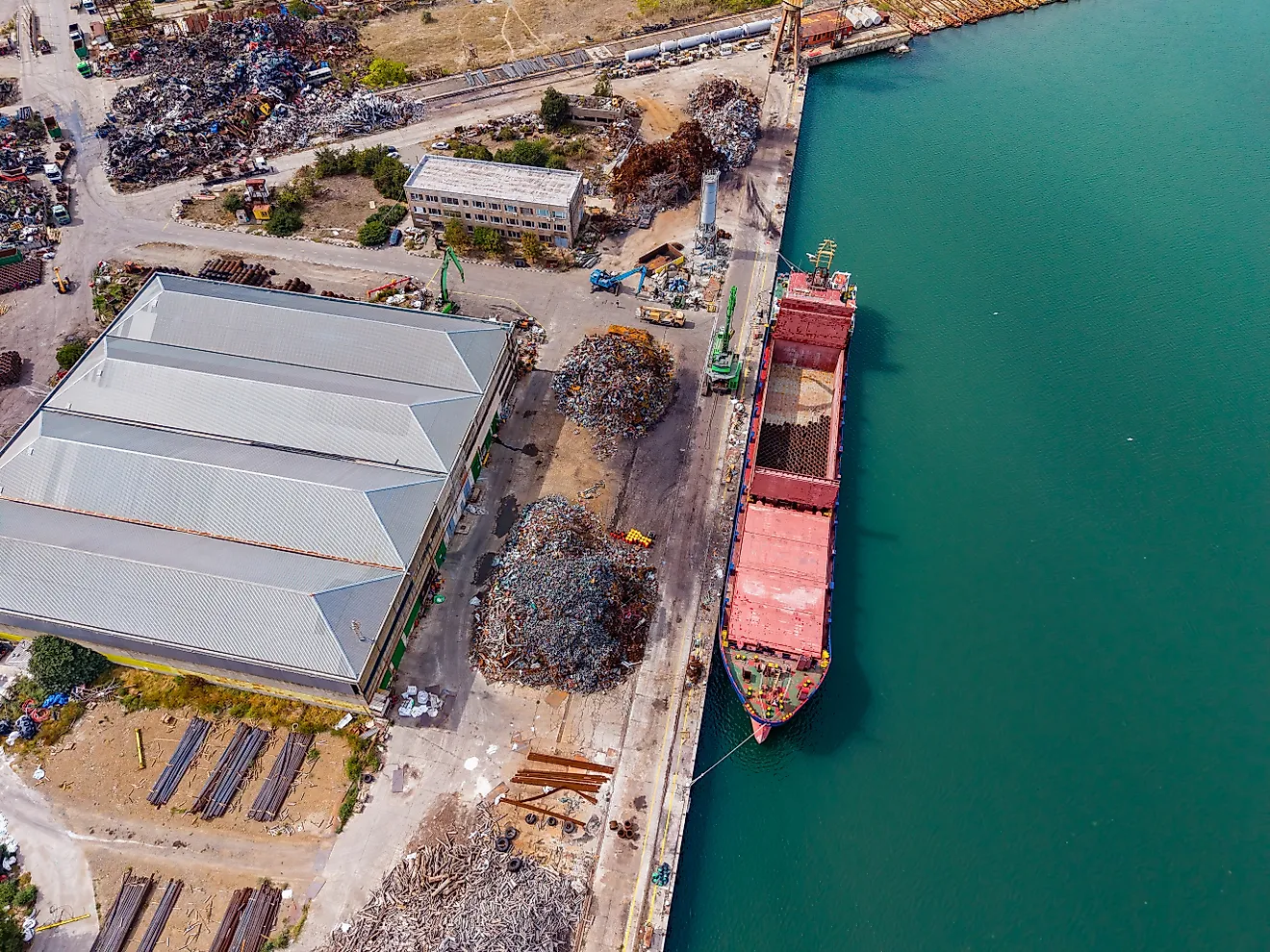
The Great Lakes are a major shipping route, carrying iron ore, coal, grain, and other cargo between the Midwest and the world. In normal winters, Coast Guard icebreakers keep key channels open, and the locks at Sault Ste. Marie close for a few months each year.
A solid freeze would end all shipping for as long as it lasted, cutting off steel mills, power plants, and farms that depend on lake freighters. Ports would sit idle, and the cost of moving goods by rail and truck instead would ripple through the regional economy.
Fish And Wildlife Would Be Wiped Out

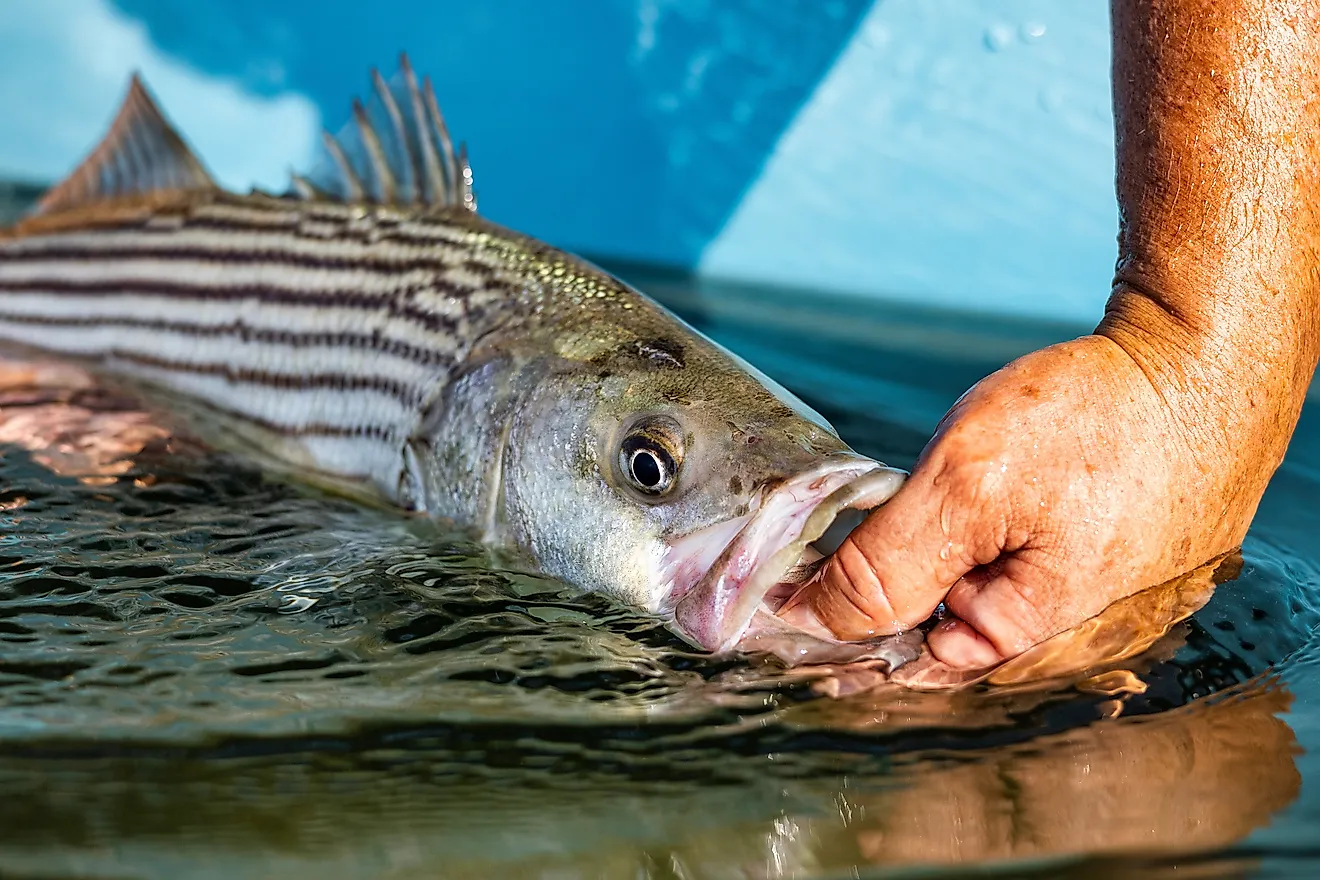
Fish survive Great Lakes winters because the water beneath the ice stays liquid, holding steady near 39 degrees. Walleye, perch, lake trout, and whitefish slow down in the cold but keep living, which is why anglers can drill through the ice and still catch them.
A lake frozen solid would kill nearly everything living in it. Fish, insects, mussels, and plankton would all perish, collapsing the food web that birds and other wildlife depend on. Even after a thaw, it could take decades for the lakes' ecosystems to recover, if they could recover at all.
Water Supplies And Shorelines Would Suffer

The Great Lakes provide drinking water to tens of millions of people in the United States and Canada. Cities draw water through intake pipes far below the surface, which stay ice-free even in the coldest winters. A solid freeze would block those intakes, forcing communities to scramble for other sources.
The ice itself would cause damage, too. Water expands as it freezes, and shifting ice can shove onto shore with enormous force, crushing docks, piers, and buildings. Hydropower plants on rivers fed by the lakes, including the stations near Niagara Falls, would lose much of their water supply until spring.
The Real Trend Is Less Ice
In reality, the Great Lakes are moving in the opposite direction. Maximum ice cover has declined by about 5 percent per decade since the early 1970s, and the ice season has grown roughly a month shorter. In 2024, ice covered only about 16 percent of the lakes at its peak, one of the lowest levels on record. Some winters still bring heavy ice, but a frozen-solid Great Lakes remains firmly in the realm of thought experiments. The bigger question for the region is what happens as the lakes freeze less and less. Less ice means more lake-effect snow in some winters, more shoreline erosion from winter storms, and more evaporation, which can lower lake levels over time.