The Rivers Where Alligator Attacks Happen Most Often
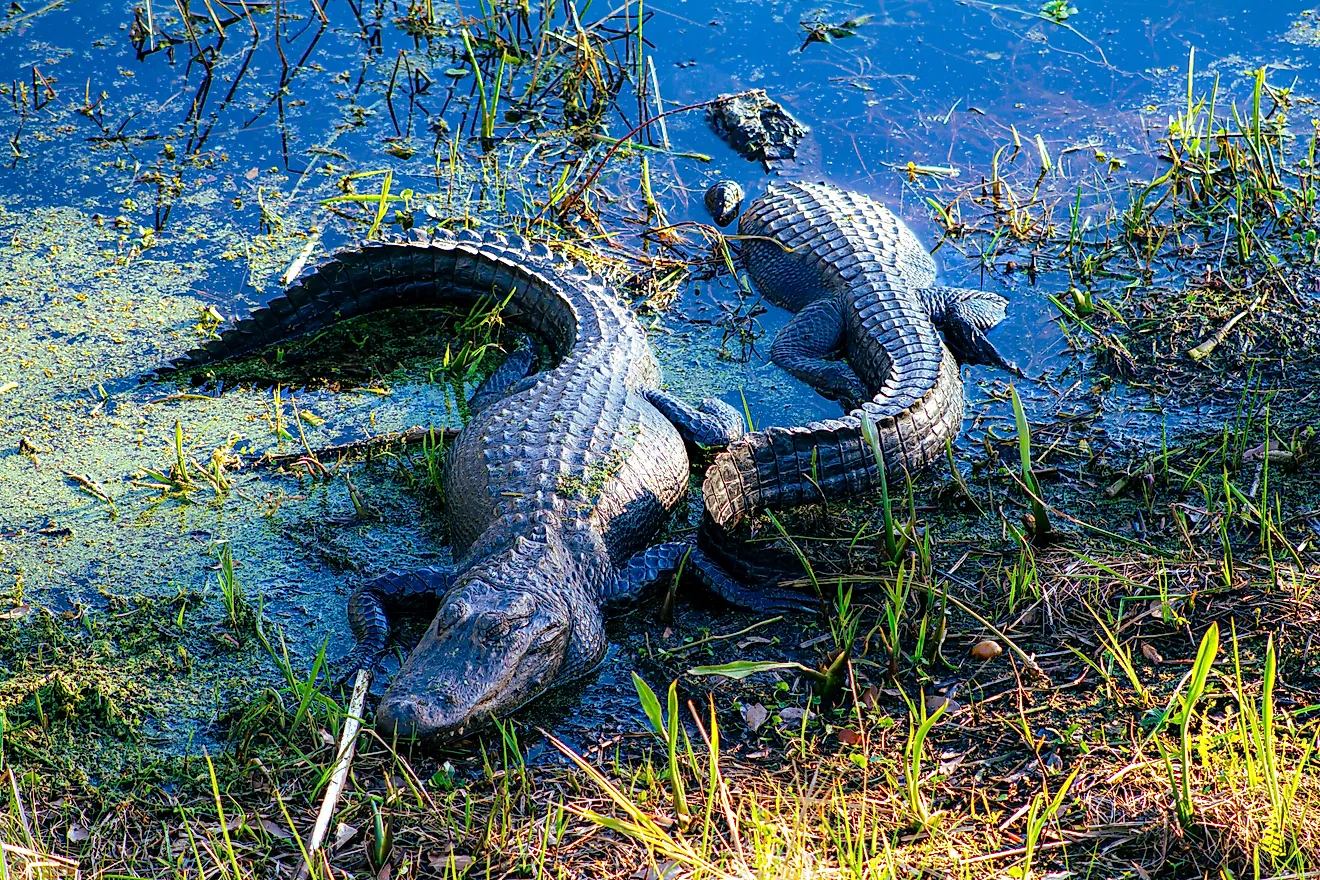
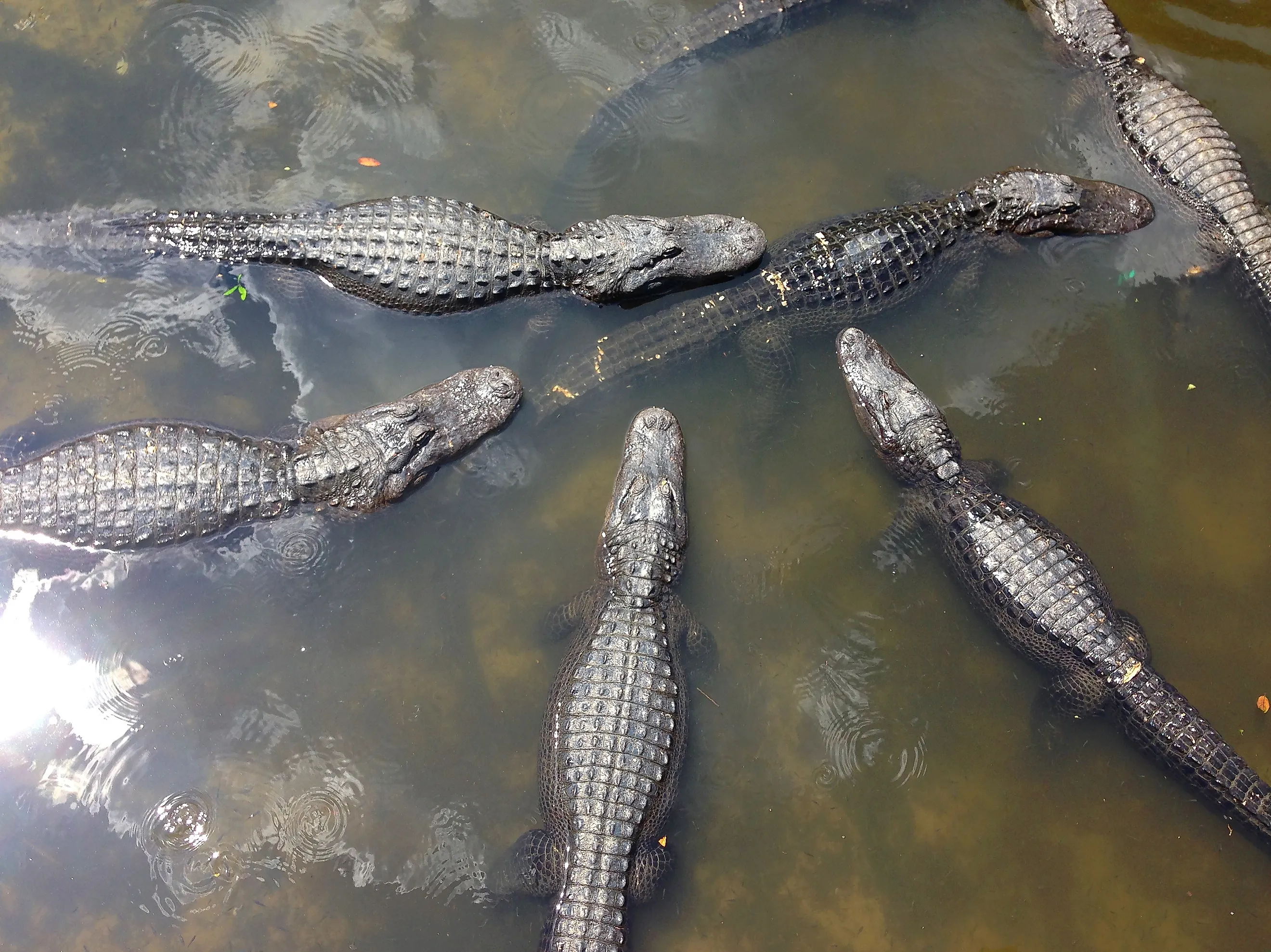
In the span of a single week in June 2026, alligators bit three people in Central Florida, two of them in rivers. A child snorkeling in the clear Rainbow River was attacked, and days later, a woman swimming with friends in the Econlockhatchee River died from her injuries. Florida is home to roughly 1.3 million alligators, and while most bites happen in ponds, lakes, and canals, the state's rivers have produced some of its most serious encounters. Wildlife officials put it simply. Every body of fresh water in Florida contains alligators. These are the rivers where attacks have happened most often.
Econlockhatchee River

The Econlockhatchee River, or "Econ," winds through the forests east of Orlando, its dark, tea-colored water flowing beneath cypress and oak. Paddlers love its quiet bends and sandy banks, but in June 2026, it became the site of one of Florida's most recent fatal alligator attacks.

A 31-year-old woman was swimming with friends near the Barr Street Trailhead in Little Big Econ State Forest when an alligator bit her, and she later died from her injuries. Wildlife officers and a trapper searched the river for the animal. The tragedy was a reminder that even rivers popular for recreation are alligator habitat.
Wekiva River

The spring-fed Wekiva River, flowing north of Orlando through protected forest, is one of Central Florida's favorite places to paddle and swim, and it is also known for a large alligator population. In 2026, a woman swimming in the river was attacked by an alligator and taken to the hospital.

The river's clear headwaters at Wekiwa Springs State Park draw crowds on hot days, while its slower downstream sections, lined with marsh and cypress, provide ideal alligator habitat. Wildlife officials remind visitors that alligators are most active at dawn and dusk and that swimming is safest only in designated areas.
Rainbow River

The Rainbow River, near Dunnellon in Marion County, is famous for water so clear that tubers and snorkelers can see the sandy bottom and swaying eelgrass below. In June 2026, a child snorkeling in the river was bitten by an alligator, prompting the sheriff's office to close the river while wildlife officers searched for the animal.

The alligator was eventually located, and the river reopened. Clear spring rivers like the Rainbow can give swimmers a false sense of safety, but alligators move through them just as they do through darker waters, especially in the warmer months.
Wakulla River

The Wakulla River, flowing from one of the largest and deepest freshwater springs in the world south of Tallahassee, is crowded with alligators, many easily seen from tour boats at Wakulla Springs State Park. Its clear water draws snorkelers and paddlers, too.

In 1987, a 29-year-old man snorkeling in the Wakulla River was killed by an alligator, one of the state's early recorded fatal attacks. Today, swimming is allowed only in a designated area at the springs, and visitors on the river are urged to keep their distance from the alligators basking along its banks.
Loxahatchee River

The Loxahatchee River, in southeast Florida, was the state's first federally designated Wild and Scenic River, flowing through cypress swamp and mangroves to the Atlantic. Much of it runs through Jonathan Dickinson State Park, where paddlers often spot alligators sunning on logs.

In 1993, a 10-year-old boy was killed by an alligator while wading in the river in the park. The tragedy led to renewed warnings about swimming in Florida's rivers, and today visitors are reminded to stay in their boats and never feed or approach the animals. Rangers also post seasonal warnings during the spring mating season, when alligators move more widely.
Caloosahatchee River

The Caloosahatchee River, which flows west from Lake Okeechobee to the Gulf, passes through farmland, small towns, and the city of Fort Myers. Its freshwater upper stretches and canals are prime alligator habitat.

In 2012, an 11-foot alligator attacked a teenager swimming in the river. The teen managed to escape, though with serious injuries. Encounters along the Caloosahatchee often involve swimmers in quiet backwaters or near boat ramps, where alligators may be accustomed to people. The river's many residential canals bring homes, docks, and swimming spots right up against alligator habitat, so residents are urged to keep children and pets away from the water's edge, especially in the evening.
St. Johns River

The St. Johns, Florida's longest river, is home to more alligators than any other river in the state, with estimates of more than 5,000. It flows north for about 310 miles through marshes, lakes, and towns before reaching the Atlantic near Jacksonville.

With so many alligators and so many people fishing, boating, and living along its banks, encounters on the St. Johns and its connected lakes are a regular part of life. Most are harmless sightings, but the river's sheer number of alligators makes it one of the places where wildlife officials urge the most caution.
Staying Safe On Florida's Rivers
Alligator attacks remain rare, with roughly 500 unprovoked bites recorded in Florida since 1948, but they are more likely in warm months and around dawn and dusk. Swim only in designated areas, and never swim at night. Keep pets on a leash and away from the water's edge, and never feed alligators, which teaches them to associate people with food. If an alligator becomes a threat, call the state's nuisance alligator hotline. With a little caution, Florida's rivers can be enjoyed safely. Paddlers should give basking alligators plenty of room and never try to move one off a bank or log.