The World's Largest Salt Mine Is Under Lake Huron
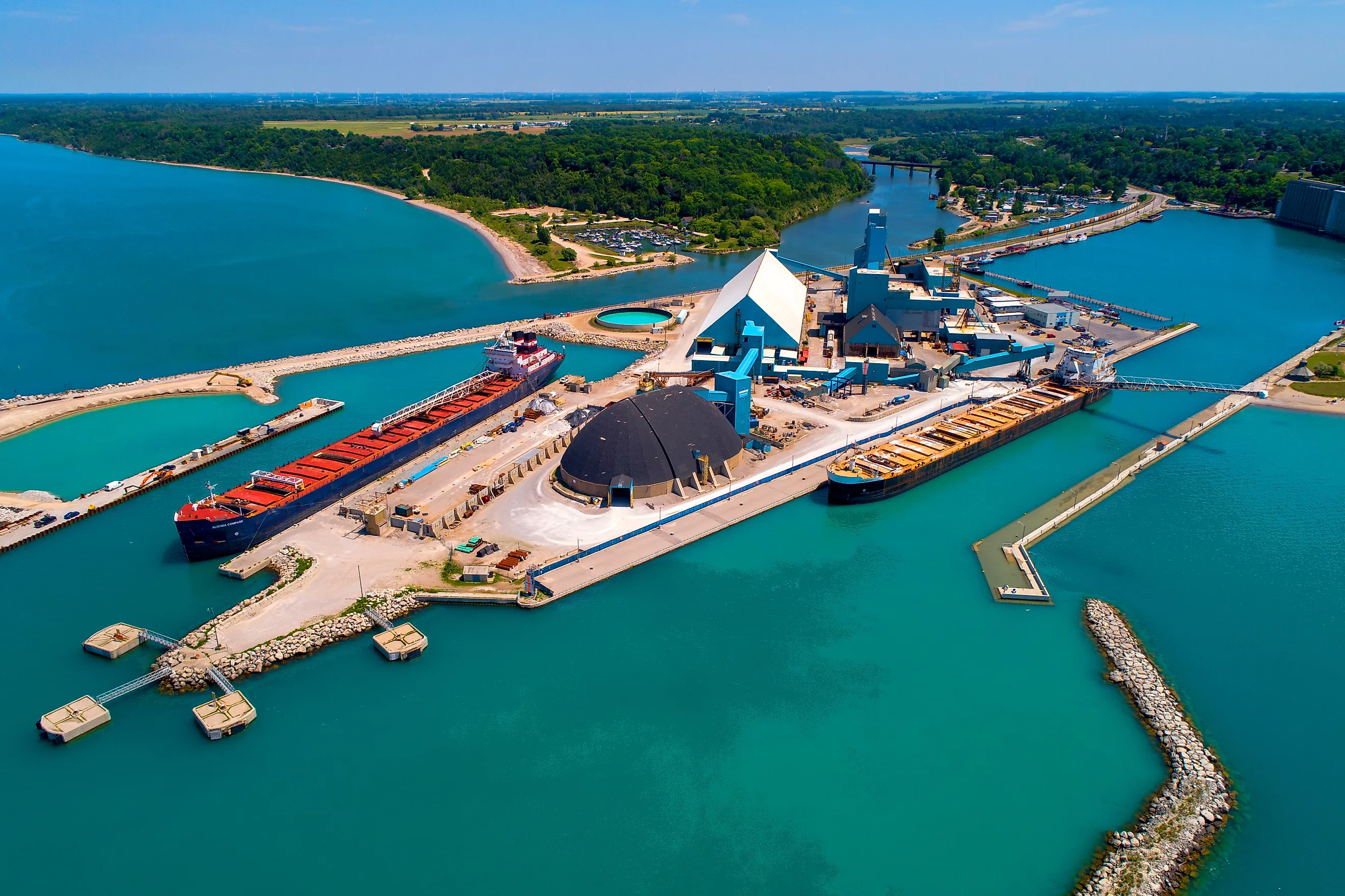
In 1866 a man named Sam Platt was drilling for oil at Goderich Harbor on Lake Huron. He found rock salt instead, the first bed ever identified in North America, and left behind the beginnings of what is now the largest underground salt mine in the world. It sits 1,800 feet beneath the lake, which Compass Minerals points out is as deep as the CN Tower in Toronto is tall, and it covers roughly the same area as the town standing above it.
Eighteen Hundred Feet Down

The depth is the figure the operator leads with, and the comparison is a good one.
Compass Minerals describes the Goderich mine as located 1,800 feet under Lake Huron and as deep as the CN Tower is tall. The workings then spread sideways beneath the lakebed.
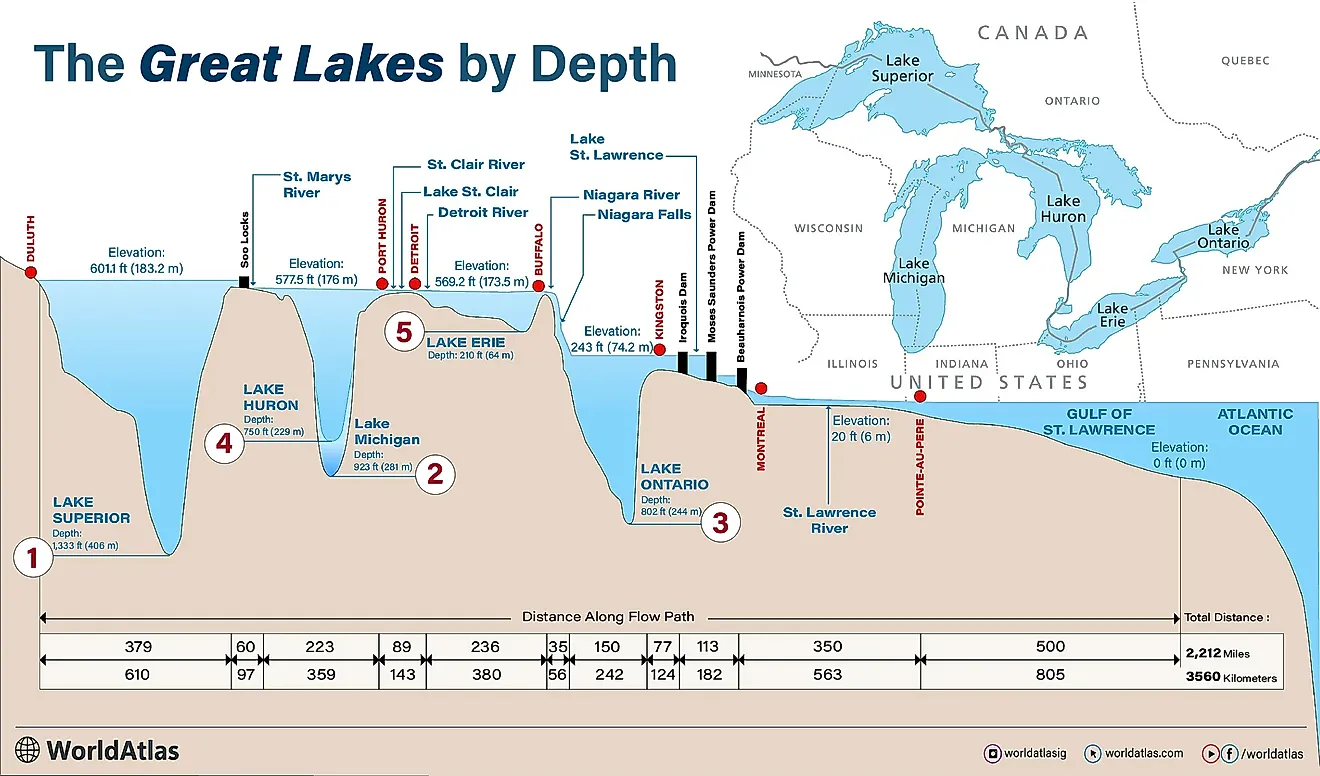
Lake Huron above it reaches 750 feet at its deepest point, though nothing like that directly over the mine. The rock between the workings and the water is thicker than the lake itself.
It Is The Size Of The Town Above It

Measuring the footprint produces a comparison locals find easier than acreage.
The mine covers about 7 square kilometers beneath Lake Huron, described as roughly the same size as Goderich itself. Another survey puts it at five square miles.
That is a working industrial site the size of a small town, with no surface expression except a shaft head and a plant on the shore.
Oil Prospecting Found It

Almost every large salt mine in North America was discovered by somebody looking for something else.
Sam Platt was prospecting for oil in Goderich Harbor in 1866 and struck rock salt. It was the first rock salt bed ever found on the continent.
The Goderich evaporation plant has been operating since 1867, within a year of the discovery. The underground mine itself did not open until 1959.
Seven Million Tons A Year

Output puts it in a different category from most mining operations.
The mine has a production capacity of 9 million tons a year and produces around 7,250,000. Sifto Canada, which operates it, employs about 800 people.
Nearly all of that goes onto roads. The rock salt is shipped to hundreds of communities around the Great Lakes and along the St Lawrence Seaway.
Cleveland's Mine Is Almost Identical

The coincidence between the two biggest Great Lakes salt mines is striking.
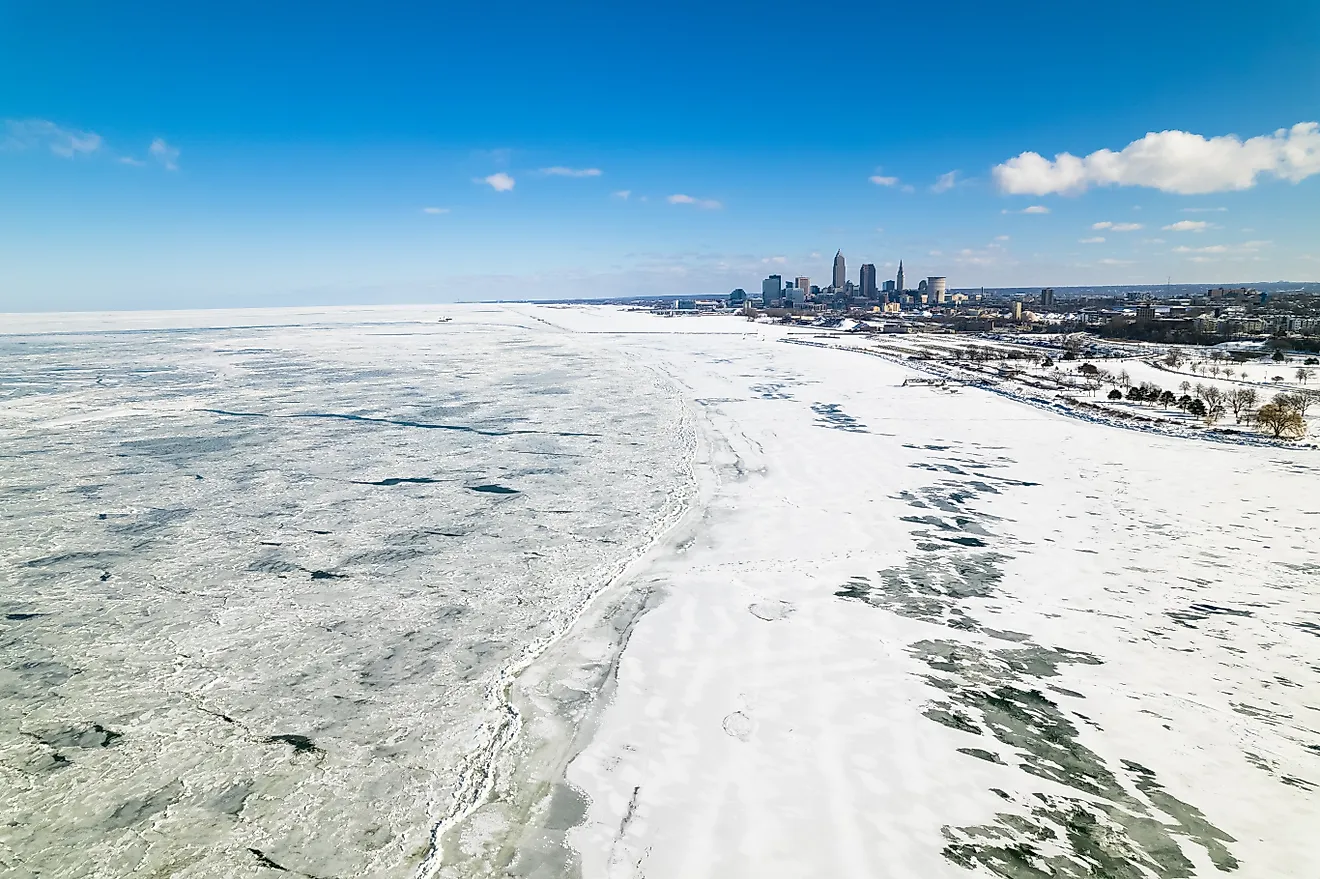
Cargill's Whiskey Island mine drops through limestone to 1,793 feet before expanding horizontally under Lake Erie, seven feet shallower than Goderich. Both reach the same salt formation at nearly the same depth under different lakes.
The difference is scale. Whiskey Island produces 3 to 4 million tons a year against Goderich's 7.25.
The Whole Basin Sits On Salt

These two are not isolated. They are tapping a formation that underlies the entire region.
Beneath the Great Lakes basin lies a massive salt deposit, left when the sea that once covered the area retreated. Alongside Goderich and Cleveland there is a Detroit mine 1,100 feet down, Morton's Fairport Harbor mine under Lake Erie, and the Windsor mine in Ontario.
The clusters run through Detroit-Windsor, upstate New York near Syracuse, Cleveland, central Kansas and the Louisiana coast.
The Salt Predates The Lake By Far

The age gap between the mineral and the water above it is enormous.
The salt was deposited by an ancient inland sea in the Silurian period, hundreds of millions of years ago. Lake Huron, like the other Great Lakes, was carved by glaciers and filled around 12,000 years ago.
Everything being mined was already there before anything resembling the modern lake existed.
It Is Bone Dry Down There

Working below a Great Lake sounds precarious and is not, for a straightforward reason.
Salt dissolves in water, so a salt bed survives beneath a lake only where no water reaches it. The rock above the workings has to be impermeable, or there would be no deposit left to mine.
The same logic applies at Cleveland, where the mine holds a steady 70 degrees Fahrenheit year-round and stays completely dry.
Goderich Was Hit By A Tornado
The surface operation has had a harder history than the underground one.
An F3 tornado struck Goderich in August 2011, killing one person and causing severe damage to the harbor and the salt operation, including to the mine's surface infrastructure.
The workings 1,800 feet below were untouched. A mine under a lake is among the few industrial sites a tornado cannot reach.
Shipping Is Part Of The Design
The reason a mine of this size works at Goderich is the harbor on top of it.
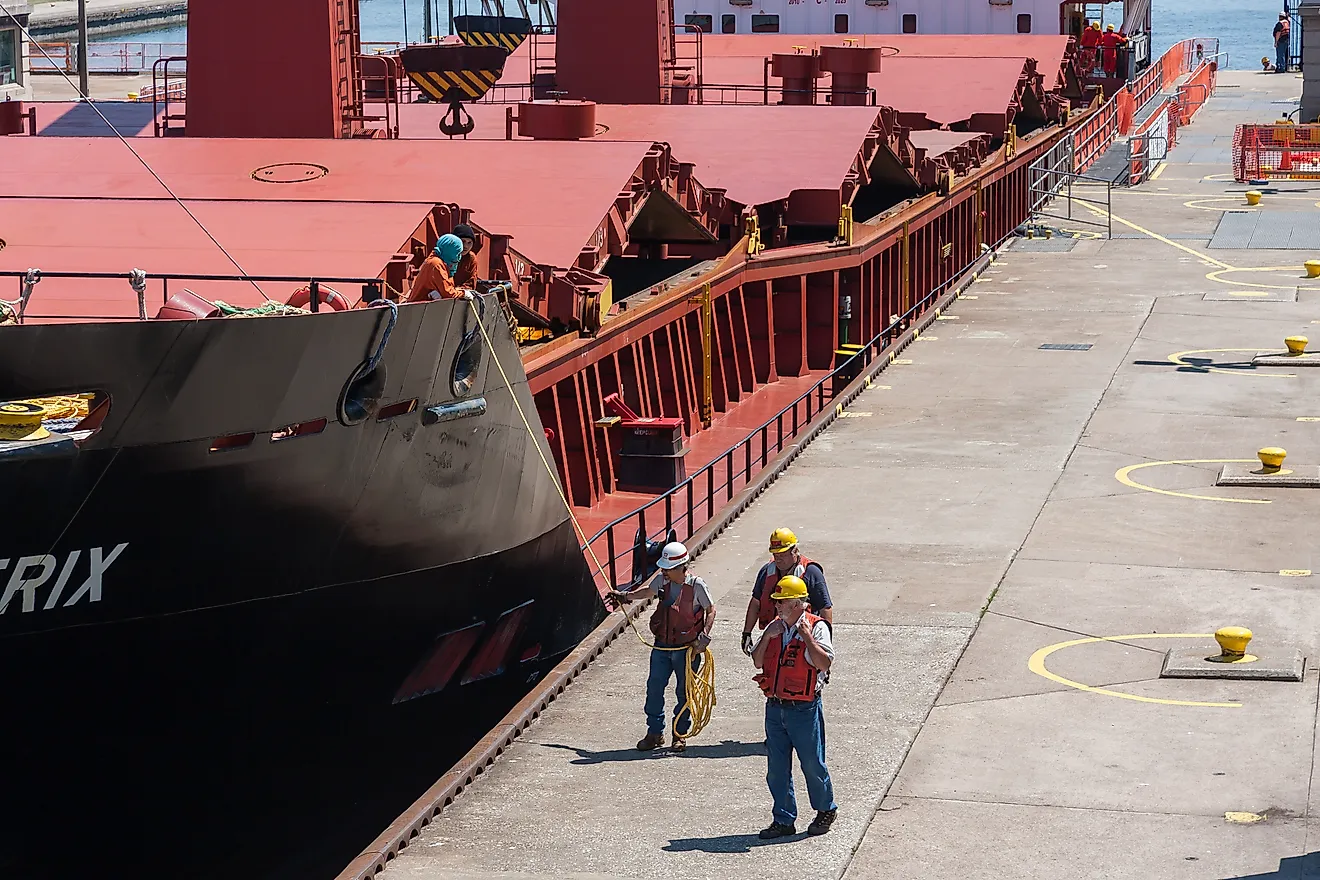
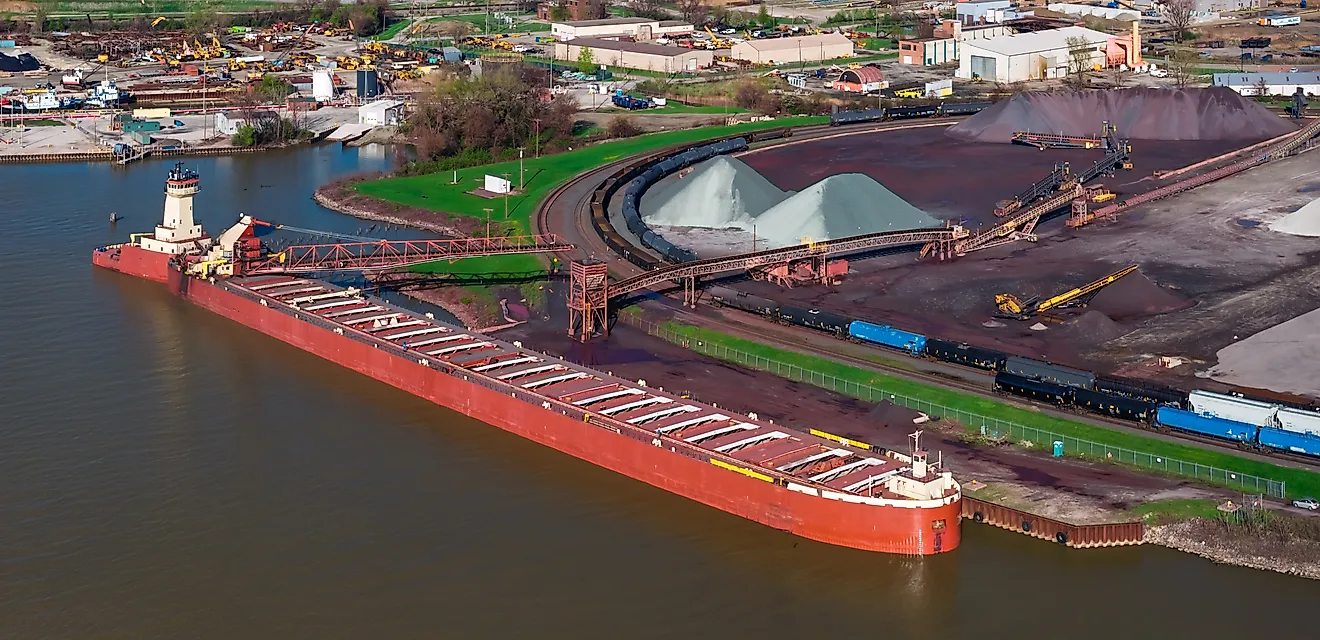
Salt moves out by lake freighter along the Great Lakes and the St Lawrence Seaway, which is the cheapest way to shift seven million tons of a low-value bulk commodity.
Some of it is trucked less than four kilometers to the Compass Minerals plant for packaging. The rest leaves by water, which is why the mine sits where it does.
The Short Answer

The Goderich mine in Ontario is the largest underground salt mine in the world, sitting 1,800 feet beneath Lake Huron across roughly seven square kilometers, producing about 7.25 million tons of rock salt a year with a capacity of nine.
It exists because a man drilling for oil in 1866 found the first rock salt bed in North America instead. The mine opened in 1959, the salt it works was laid down hundreds of millions of years before the lake above it existed, and almost all of it ends up on a road.