How Many Miles Of Ice Road Open On Lake Of The Woods
A single Lake of the Woods operator reported plowing about 35 miles of ice roads one winter, serving 60 rental fish houses with a crew of eight. Across the lake the network of plowed roads now extends upwards of 20 miles out from shore in places. These are not tracks across a bay. They are a seasonal road system built on floating ice, maintained daily, and gone entirely by spring.
Thirty-Five Miles From One Operator

The clearest figure comes from a resort operator describing his own winter workload.
Brian Ney and a crew of eight handled about 35 miles of ice roads to plow alongside 60 rental ice fishing houses. That is one business among many on the lake.
For comparison, a Mille Lacs operator plows about 25 miles most winters and charges 15 dollars for access. There is no single authority counting the total across Lake of the Woods.
Twenty Miles From Shore

The distance these roads reach out onto open ice is the part that surprises people.
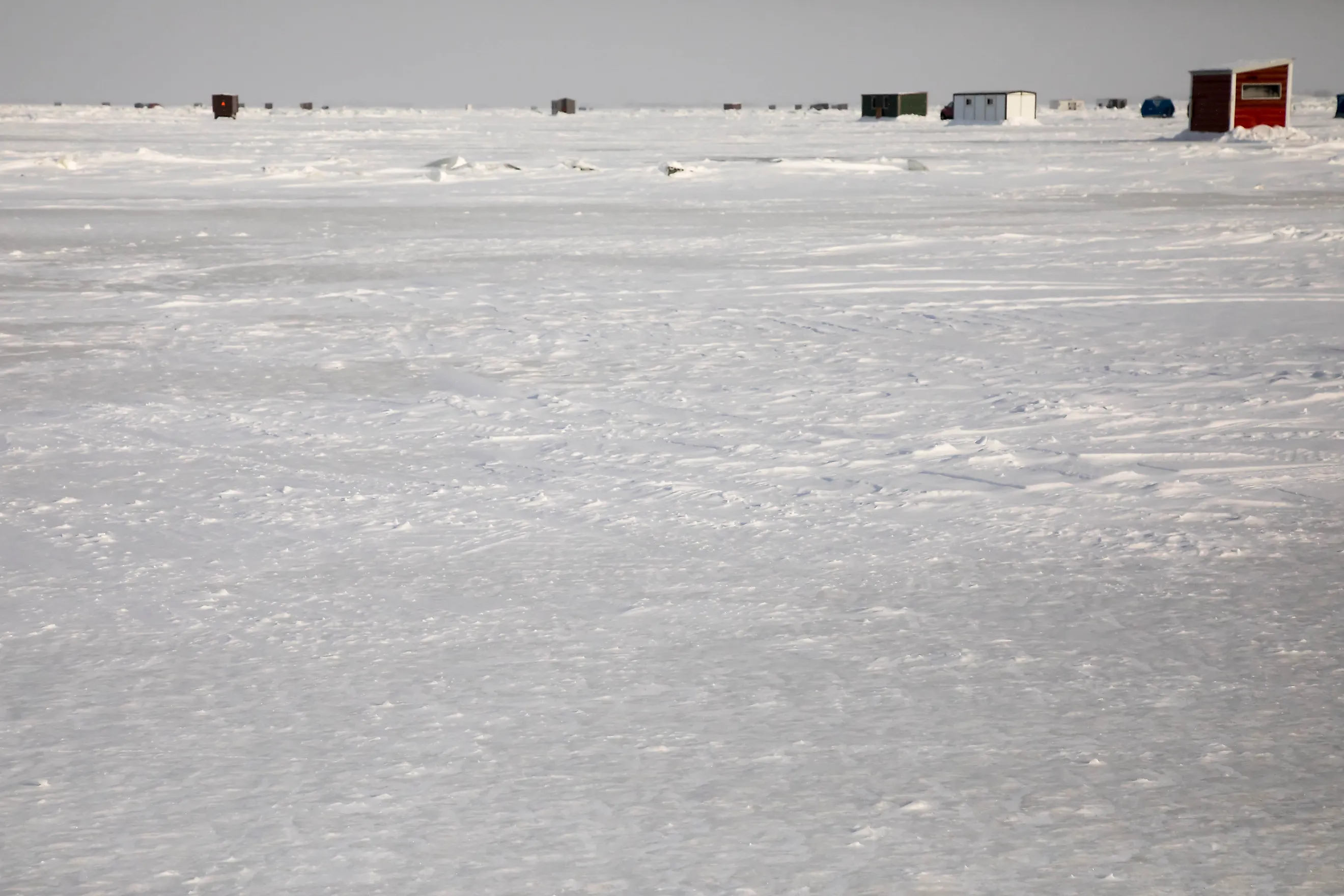
The plowed network now extends upwards of 20 miles out on the lake in places when ice and snow conditions allow. Favorable conditions let operators build roads far more extensive than in a poor year.
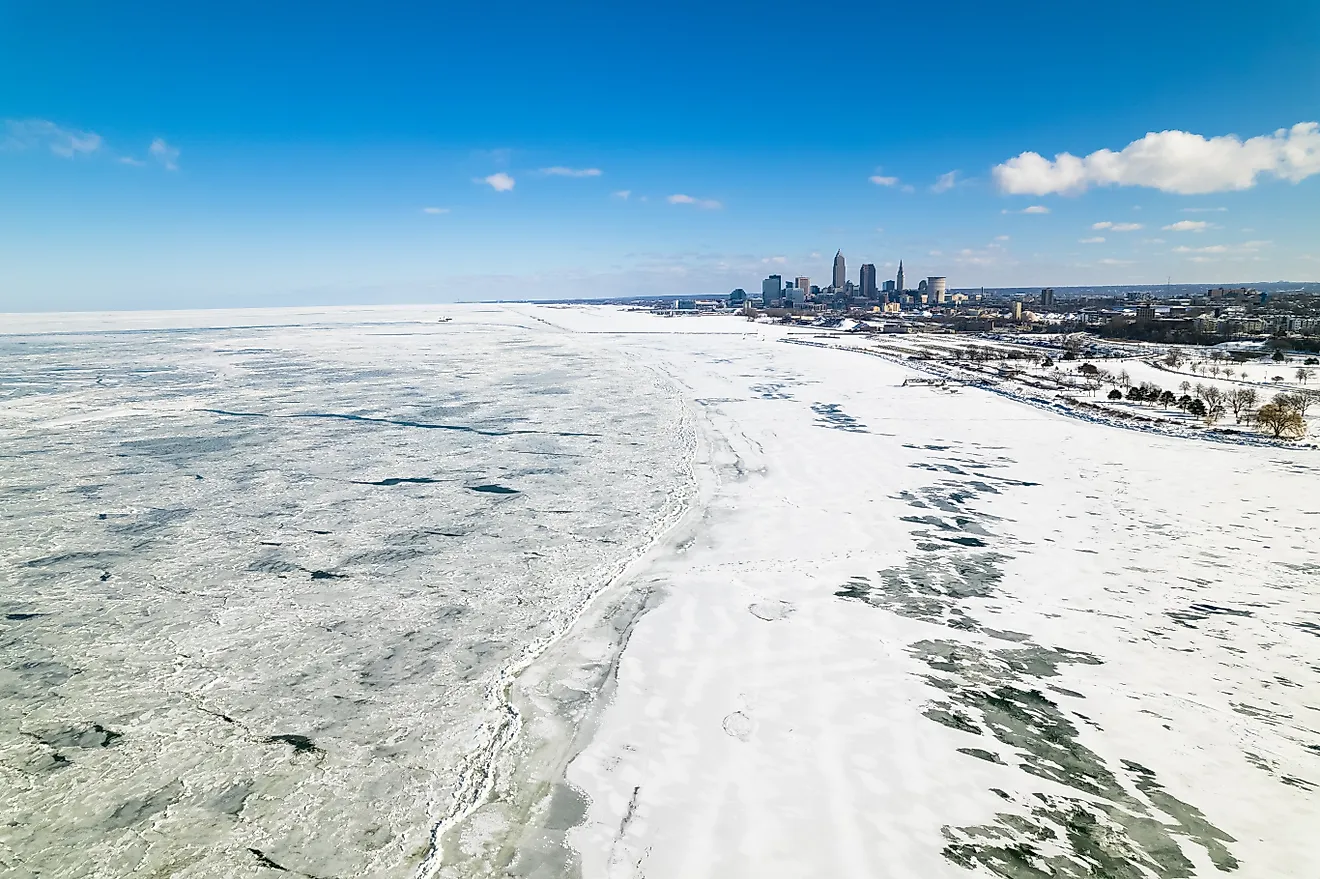
Twenty miles out means a vehicle is well beyond sight of land, driving on water that froze in December.
The Lake Is The Size Of A Small State

Understanding why the roads run so far requires the scale of the water they cross.
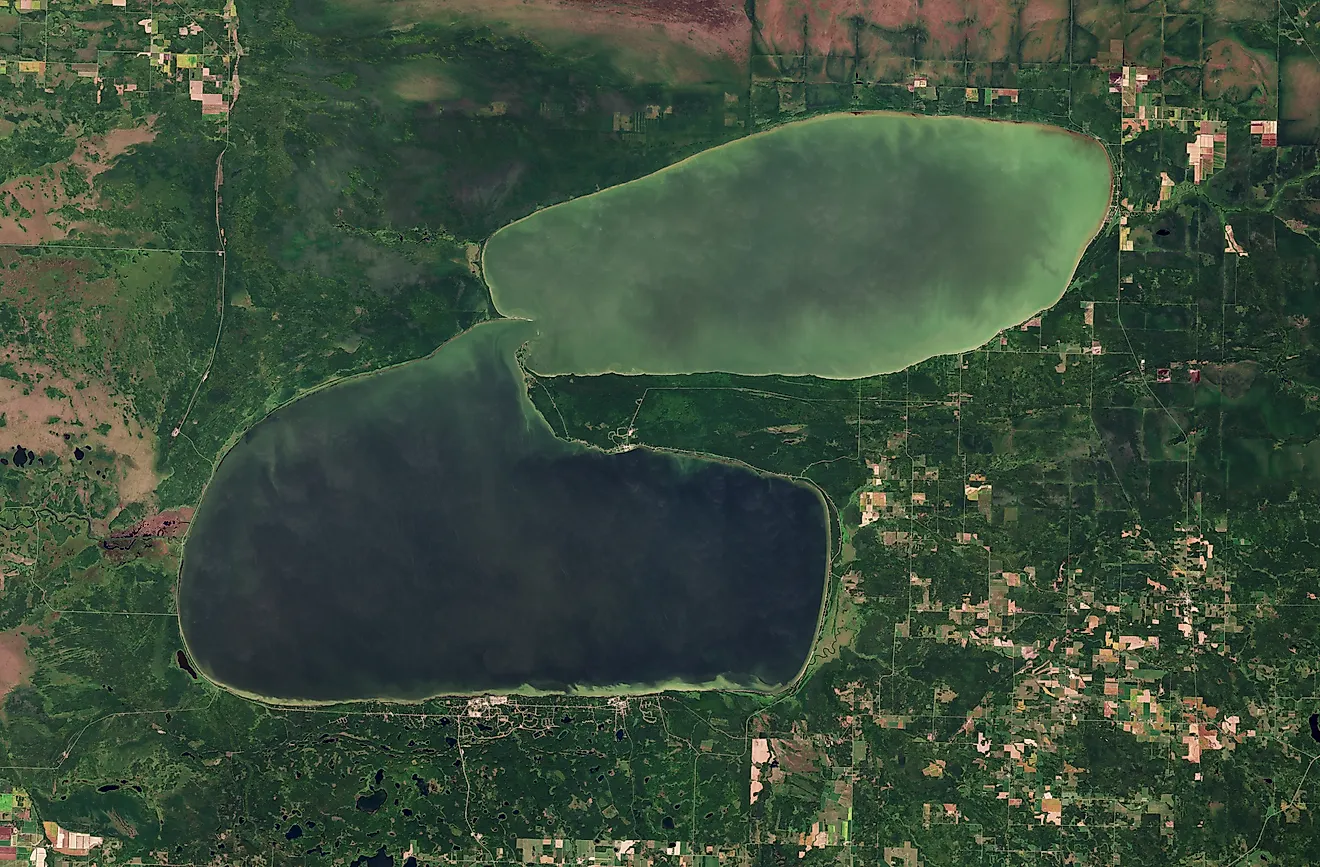
Lake of the Woods is roughly 70 miles long and 60 miles wide, covering more than 1,700 square miles with 14,552 islands. Big Traverse Bay alone, where most of the ice fishing happens, measures about 25 miles by 25.
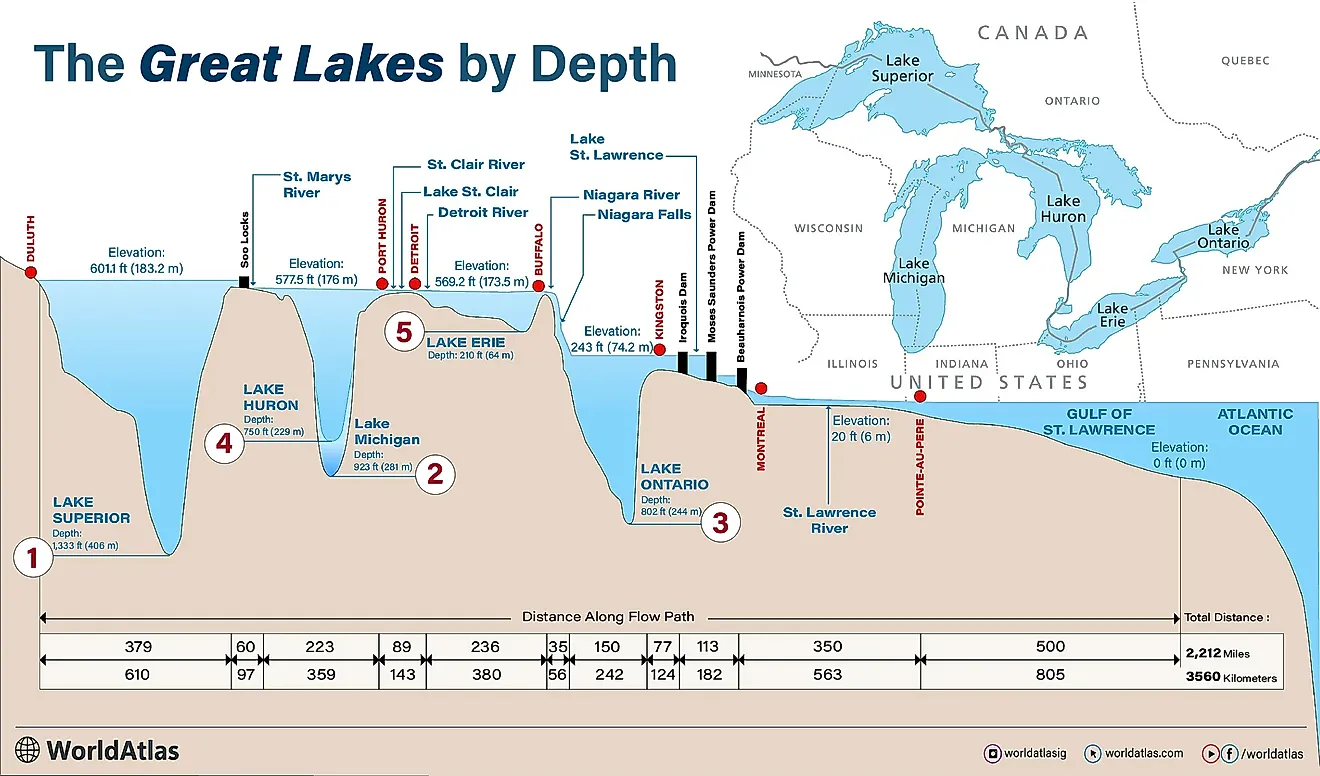
That bay is described locally as almost the size of a Great Lake, which is closer to true than it sounds.
Roads Open When The Ice Hits Eight Inches

The threshold for opening is set by what the ice will hold.
Small cars and pickups can generally drive on ice at a thickness of at least 8 inches. Some winters the ice on Lake of the Woods reaches 30 inches.
Operators monitor thickness daily through the season. Those figures track the Minnesota DNR guidance, which puts 8 to 12 inches as the range for a car or small pickup.
A Crack Can Close A Route Overnight

Maintaining a road on moving ice means rebuilding it without warning.
One winter a zig-zagging crack opened in a plowed road about 10 miles from shore, revealing a gap of water nine miles long and eight inches wide. A substitute route had to be plowed parallel to it.
The replacement intersected a score of tributary roads, each bordered by steep snowbanks. Ney's crew plowed nine miles of new road to restore access.
There Is A Bar Out There

The most photographed structure on the ice sits at the end of its own road.
Zippel Bay Resort's Igloo Bar is hauled out in two pieces on skids each year around Christmas, winched together and blocked up off the ice. The owner likes about 18 inches of ice before opening.
It sits roughly a mile to three miles from shore depending on the season, reached by a dedicated ice road the resort maintains. The building runs to about 1,000 square feet and you can fish inside it.
Access Is Sold By The Day

These are private roads on public water, which creates an unusual commercial arrangement.
Anglers with wheeled or collapsible fish houses gain access by paying an ice road fee, after which they can haul their own gear out and fish wherever they like.
Resorts and outfitters maintain the roads for safety and recover the cost through those fees plus house rentals. Nobody is obliged to plow anything.
The Season Runs Four Months

Lake of the Woods holds ice longer than almost anywhere else in the region.
The lake has one of the longest and most stable ice seasons in the Midwest, with reliable fishing for nearly four months between December and March.
That length is what justifies building 35 miles of road. A six-week season would not repay the plowing.
Three Million Hours Of Fishing

The pressure those roads put on the fishery has become a live question.
A Minnesota DNR creel survey tallied 2.1 million hours of fishing pressure in one winter, with the following season expected to run closer to 3 million.
Between wheelhouses, social media and an extensive plowed network, one local account noted the fish do not have many places left to hide.
None Of It Survives Spring
Every mile of it has to be built again from nothing each year.
The roads melt, the houses come off, the Igloo Bar is towed back to shore in two pieces and the lake returns to open water for the summer charter season.
Thirty-five miles of plowed surface, a bar, dozens of houses and a road fee structure, all of it assembled and dismantled annually.
The Short Answer

One operator plows around 35 miles with a crew of eight, and the combined network across Lake of the Woods reaches as much as 20 miles from shore when conditions allow. Roads open once the ice carries 8 inches and the lake sometimes reaches 30.
No agency totals the mileage, because every road is privately plowed and sold by access fee. What is certain is that all of it is rebuilt from scratch each December and gone by April.