The US Waters With The Highest Leptospirosis Risk
Leptospirosis is a zoonotic disease that mostly impacts dogs but can also infect humans. This disease causes hepatic, and renal damage. In recent years the number of dogs impacted in the USA seems to be on the rise. Leptospirosis can spread in many ways, including through contact with infected urine, infectious animals, and contaminated soils and waters.
More recently, lab tests have also shown that the bacteria that cause leptospirosis, Leptospira, can replicate within waterlogged soil, highlighting the critical role that water plays in the reproduction and spread of this disease.
This disease is considered to be a neglected tropical disease, and it can disproportionately impact disadvantaged communities as a result of increased contact with infectious animals and contaminated soils and waters.
Many of the US counties with the highest predicted risk of leptospirosis are in Appalachia, including in West Virginia, Eastern Kentucky, and Virginia. This may be in part due to the fact that the Appalachian Mountains have a high annual rate of precipitation and are home to mostly deciduous forests.
These are the counties and waterways with the highest predicted probabilities of leptospirosis in the USA.
Webster County, West Virginia

Webster County, West Virginia, has a predicted probability of leptospirosis of about 0.375, and around 1 out of every 2.7 dogs is expected to come in contact with the disease. Some of the most well-known waterways in Webster County include Elk River and Holly River.
Marion County, Indiana

Marion County, Indiana, has a predicted probability of leptospirosis of about 0.34, and around 1 out of every 2.9 dogs is expected to come in contact with the disease. Some of the most well-known waterways in Marion County include Fall Creek, Pogue's Run, Indian Creek, and White River.
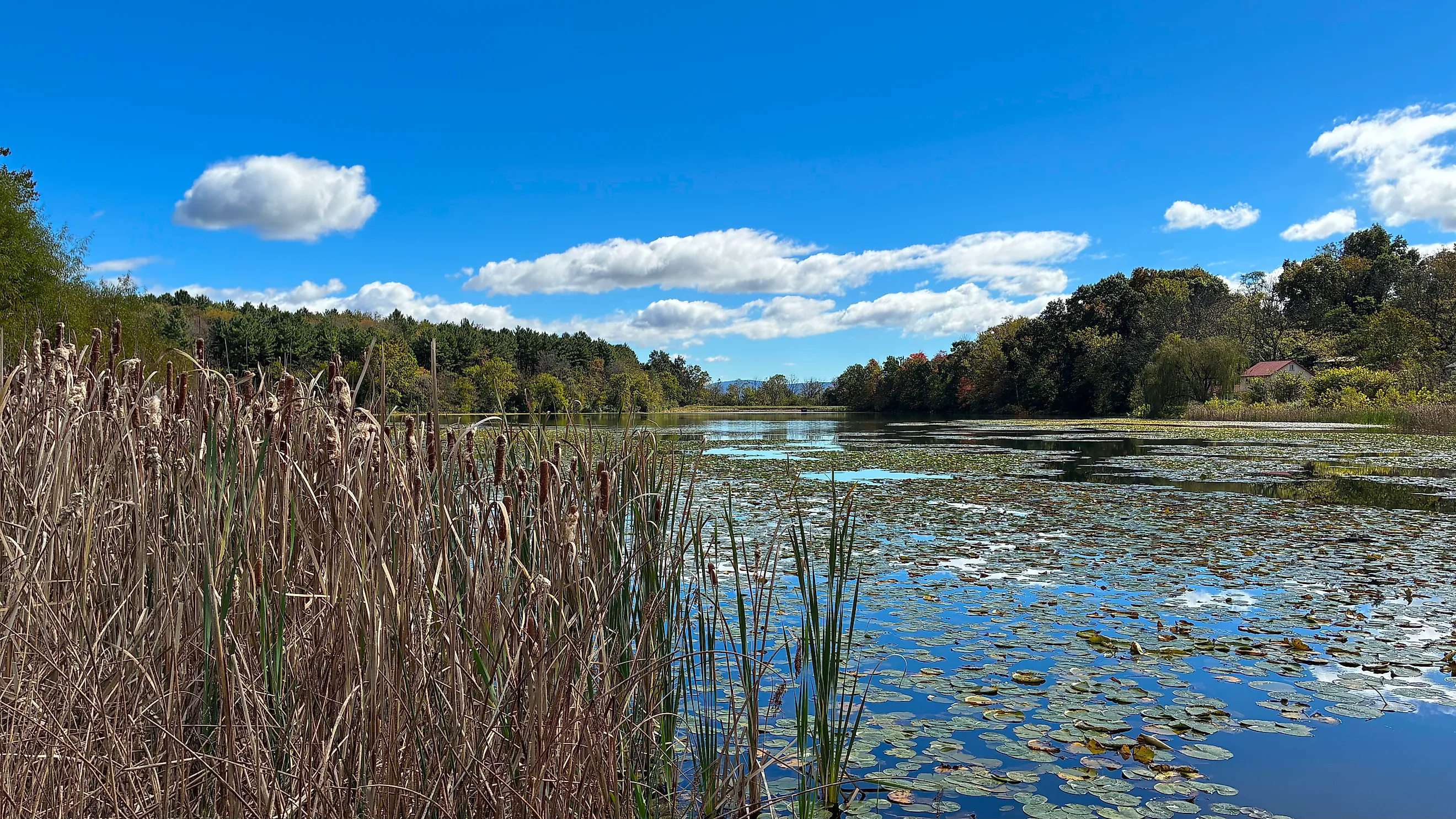
Harrisonburg, Virginia

Harrisonburg, Virginia, has a predicted probability of leptospirosis of about 0.33, and around 1 out of every 3 dogs is expected to come in contact with the disease. Some of the most well-known waterways in Harrisonburg include Lake Shenandoah, the Switzer Reservoir, and Dry River.
Staunton City, Virginia

Staunton City, Virginia, has a predicted probability of leptospirosis of about 0.33, and around 1 out of every 3 dogs is expected to come in contact with the disease. Some of the most well-known waterways in Staunton City include Staunton River, Todd Lake, and Sherando Lake.
Waynesboro City, Virginia

Waynesboro City, Virginia, has a predicted probability of leptospirosis of about 0.31, and around 1 out of every 3.2 dogs is expected to come in contact with the disease. Some of the most well-known waterways in Waynesboro City include South River and Sherando Lake.
Adair County, Kentucky

Adair County, Kentucky, also has a predicted probability of leptospirosis of about 0.31, and around 1 out of every 3.2 dogs is expected to come in contact with the disease. Some of the most well-known waterways in Adair County include Green River Lake, Russell Creek, and Crocus Creek.
Covington City, Virginia

Covington City, Virginia, has a predicted probability of leptospirosis of about 0.3, and around 1 out of every 3.3 dogs is expected to come in contact with the disease. Some of the most well-known waterways in Covington City include the Jackson River and Lake Moomaw.
Curry County, Oregon

Curry County, Oregon, also has a predicted probability of leptospirosis of about 0.3, and around 1 out of every 3.3 dogs is expected to come in contact with the disease. Some of the most well-known waterways in Curry County include the Chetco River, Hubbard Creek, Sixes River, and Pistol River.
Nicholas County, West Virginia

Like Curry County and Covington City, Nicholas County, West Virginia, has a predicted probability of leptospirosis of about 0.3, and around 1 out of every 3.3 dogs is expected to come in contact with the disease. Some of the most well-known waterways in Nicholas County include Summersville Lake and the Gauley River.
Bedford City, Virginia

Bedford City, Virginia, has a predicted probability of leptospirosis of about 0.29, and around 1 out of every 3.4 dogs is expected to come in contact with the disease. Some of the most well-known waterways in Bedford City include the Roanoke River and Smith Mountain Lake.
The Predicted Risk of Leptospirosis May Be Rising in Appalachia

As the predicted risk for leptospirosis grows, areas like Appalachia are more likely to see an increase in cases both in dogs and humans. While the disease predominantly affects dogs in the US, humans are not immune, and rising rates of contaminated waterways and soil should be of concern. Those travelling through and living in areas impacted by leptospirosis can protect themselves and their animals by looking at water quality reports from local authorities, by getting their dogs vaccinated, and by paying close attention around potentially contaminated soils and waterways.