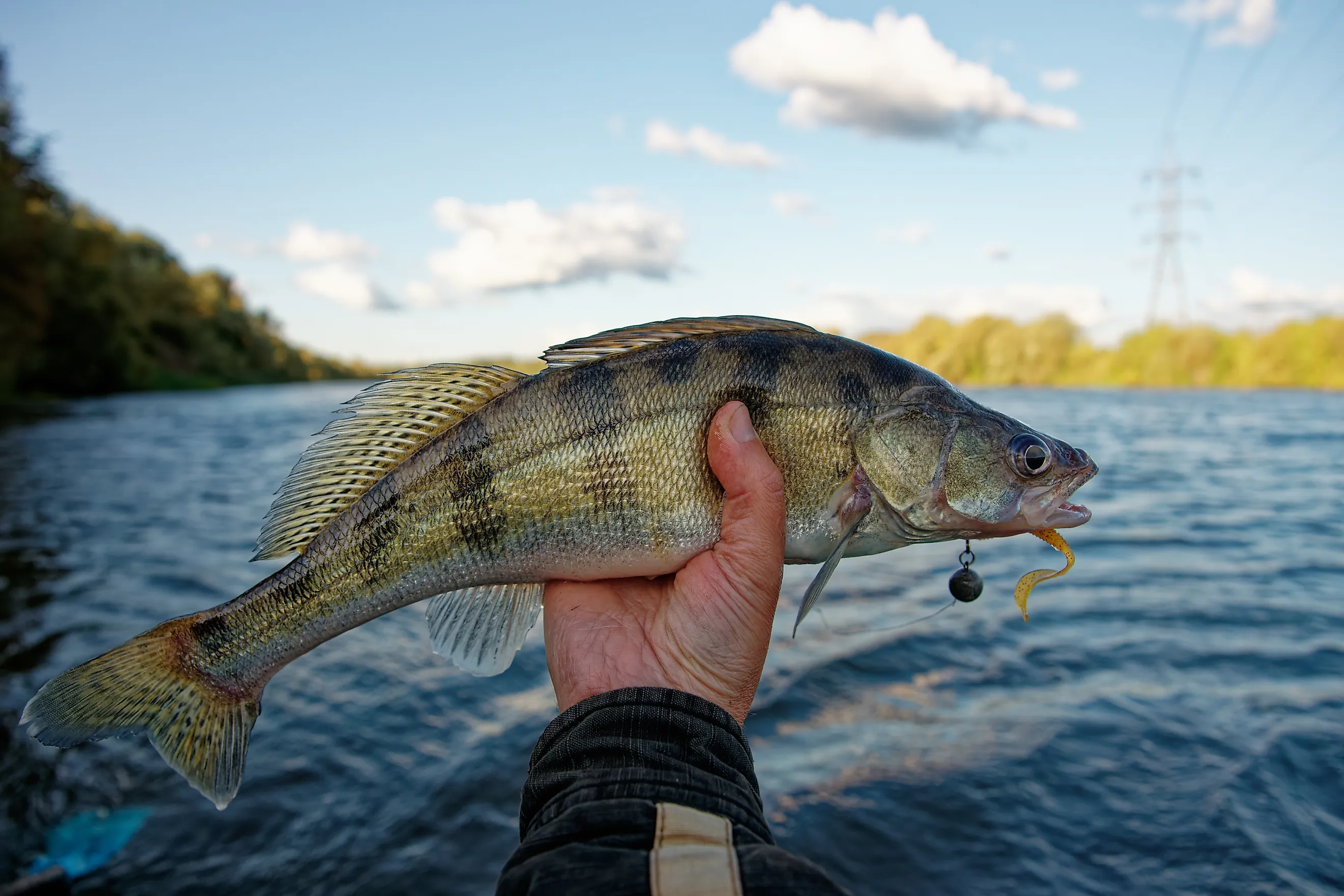
The Lakes Where Walleye Grow Largest
A single Tennessee reservoir produced a 25-pound walleye that still stands as the world record more than six decades later. Lakes like it are rare, because a trophy walleye needs conditions most waters cannot offer at once. It takes abundant forage, water that stays cool enough through the year, and often decades of stocking to keep big fish in the system. Walleye are native to North America, so the waters that grow them largest sit in the United States and Canada, where a handful of lakes have produced nearly every record worth naming. The 10 lakes below have each earned a reputation for growing walleye to sizes anglers travel a long way to find.
Old Hickory Lake - Tennessee

Old Hickory Lake is located in Hendersonville, Tennessee, 15 miles north of Nashville. It is a reservoir created by damming the Cumberland River. At 22,500 acres, it is a popular spot for those from Nashville looking for a nature escape, especially anglers trying their hand at catching walleye. This reservoir is also tied to the sport's most famous catch. On August 2, 1960, Mabry Harper caught a 25-pound walleye here, a fish recognized by the Freshwater Fishing Hall of Fame as its all-tackle world record. The Hall removed the record in 1996 after questions about the original photographs, then reinstated it in 2010 once new affidavits and images came to light.

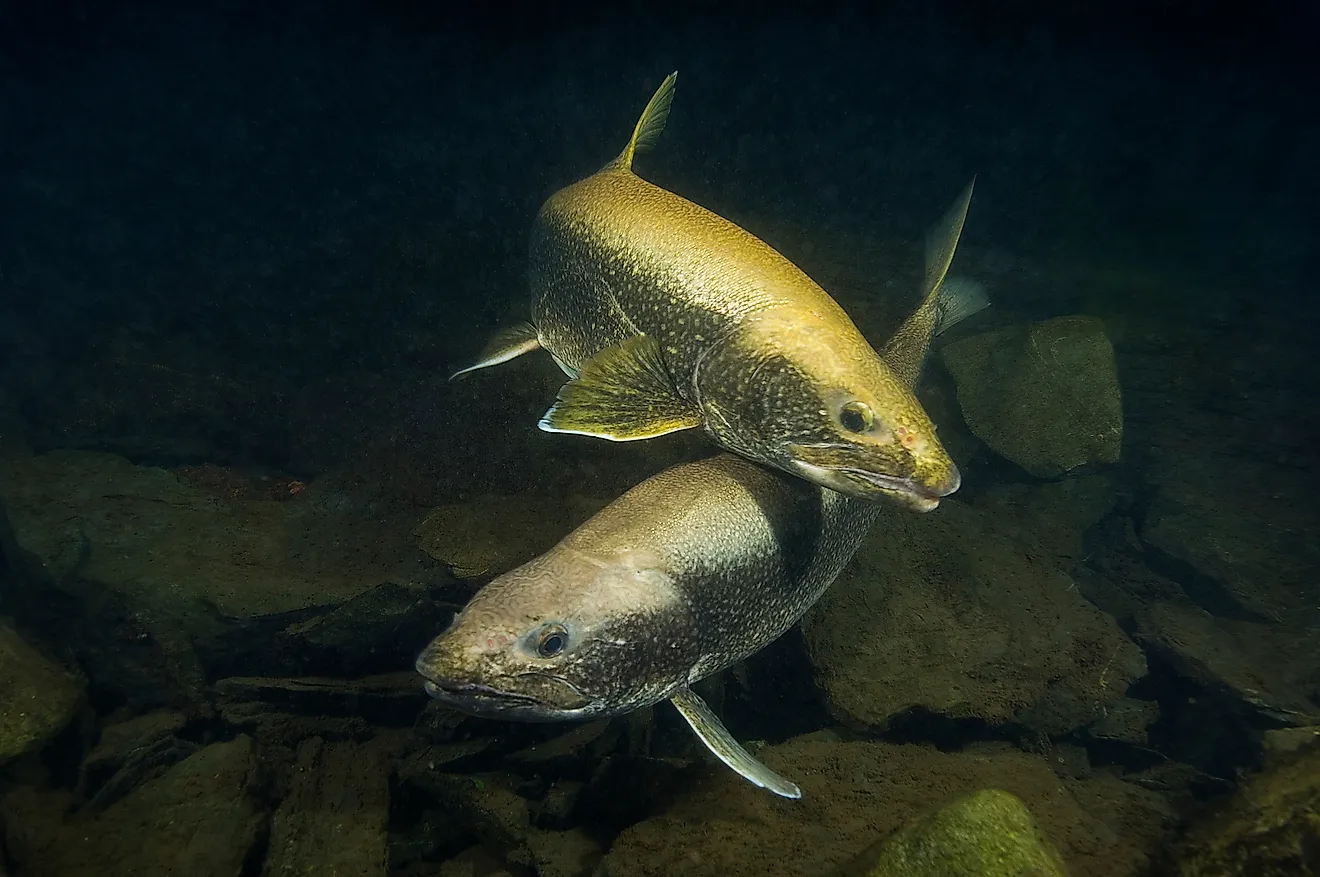
The lake holds many types of fish, such as largemouth bass, striped bass, white bass, catfish, sauger, and walleye. Anglers can still try for large walleye in Old Hickory Lake, as long as they follow regulations of 5 fish per day, with a 16-inch minimum. Tennessee wildlife authorities recommend taking a fishing guide to help distinguish sauger from walleye, as the two look similar. In general, walleye are larger than sauger and have a solid golden color, as opposed to sauger's brassier tone.
Greers Ferry Lake - Arkansas

Greers Ferry Lake sits in the Ozarks of northern Arkansas, about 60 miles north of Little Rock. The U.S. Army Corps of Engineers created it in the early 1960s by damming the Little Red River, and its two basins connect through a gorge known as the Narrows. The lake covers roughly 40,000 acres and carries about 340 miles of shoreline. Its tributaries have long been famous among walleye anglers for producing some of the largest fish anywhere.
The reason Greers Ferry belongs on any list of the biggest walleye waters is a single fish. On March 14, 1982, Al Nelson landed a 22-pound, 11-ounce walleye while trolling during a tournament, a catch that served as the recognized all-tackle world record for years and remains the second-heaviest walleye ever documented. The spawning runs up the Little Red River still draw anglers each spring, and the lake continues to give up double-digit fish.
Tobin Lake - Saskatchewan

Located in Saskatchewan, Canada, Tobin Lake is a reservoir created in 1963 by the E.B. Campbell Dam on the Saskatchewan River. A decade later, the resort village of Tobin Lake was established to accommodate permanent and seasonal residents, including those who arrive in summer to fish for walleye. The village prides itself on regularly producing walleye that weigh over 10 pounds.

Anglers come here in winter as well, to catch walleye through the ice. On January 4, 2005, Father Mariusz Zajac, a Roman Catholic priest, caught an 18.30-pound walleye that stands as the world record for a walleye taken through the ice. It broke the previous mark of 18.06 pounds, also set on Tobin Lake, in 1997. Most visitors, though, arrive during the summer to fish the open water.
Lake Winnipeg - Manitoba

Lake Winnipeg covers about 24,514 square kilometers in south-central Manitoba, which ranks it among the largest lakes on the continent. It is also shallow, averaging around 12 meters deep, and the mineral-rich Red River feeds its southern basin. Those conditions produce a walleye fishery second in numbers only to Lake Erie.
The lake is best known for its "greenback" walleye, named for the emerald sheen on their scales. Fish of 10 pounds are routine in the southern basin, and 12- to 15-pound walleye turn up regularly in fall, when they gather near the river mouths. In 2015, an angler landed one measuring 34 inches that tied the Freshwater Fishing Hall of Fame catch-and-release record. Most of the serious fishing happens in and around the Red and Winnipeg rivers rather than out on the open, storm-prone water.
Lac Seul - Ontario

Lac Seul is a crescent-shaped reservoir in the Kenora District of northwestern Ontario, the second-largest body of water contained entirely within the province. It stretches about 150 miles and holds thousands of miles of shoreline broken up by bays, channels, islands, and rocky shoals. Those shoals, along with the lake's tea-colored water, make ideal walleye habitat and support its reputation for both numbers and size.
The Ontario hook-and-line record came out of Lac Seul, a 22-pound, 8-ounce walleye caught by George Francis in 1960. The lake still gives up trophies over 30 inches, and its walleye feed actively through the day because the stained water cuts the light they tend to avoid. Guests at the remote lodges here often report catching dozens of fish in a day, with the larger walleye holding in the back bays where the fish spawn.
Columbia River - Washington and Oregon

The Columbia River forms much of the border between Washington and Oregon before reaching the Pacific, and its lower and middle stretches are broken into a chain of wide, slow reservoir pools behind hydroelectric dams. Those pools, with their cool water and heavy forage base, have turned the river into one of the most reliable big-walleye fisheries in North America. Anglers here trade quantity for size, and the fish they land are often wall-hangers.
The Columbia holds both the Washington and Oregon state records. John Grubenhoff caught the Washington record on Lake Wallula in 2014, a 20.32-pound walleye that was the first 20-pound walleye recorded in the United States since the 1988 Missouri fish. Oregon's record, a 19-pound, 15-ounce walleye, also came from the Columbia, in 1990. Winter is the prime season for the largest fish, when females hold heavy with eggs before the spring spawn.
Lake Erie - Ohio, Michigan, Pennsylvania, New York, and Ontario

Lake Erie is the smallest of the Great Lakes by water volume, holding about 116 cubic miles. It is also the shallowest, with an average depth of 62 feet and a maximum of 210 feet. Because of that shallowness, it has the warmest waters of the Great Lakes on average, making it a rich environment for walleye. Erie is called the Walleye Capital of the World, and that reputation is one of the main reasons anglers come here. The lake has the largest walleye population on earth, with an estimated 180 million fish in 2025.
Walleye here average 18 to 28 inches long and 4 to 8 pounds, but larger ones weighing 10 pounds or more and measuring over 30 inches also turn up. Erie holds the Ohio state record, a 16-pound, 3.04-ounce specimen caught in 1999 by Tom Haberman.
Lake Ontario - New York and Ontario

Lake Ontario sits farthest east of the Great Lakes and is the smallest by surface area at 7,340 square miles, as well as the second smallest by water volume at about 393 cubic miles. It is the only Great Lake with an outlet to the Atlantic Ocean, by way of the St. Lawrence River. The Niagara River carries water from Lake Erie down to Lake Ontario. Niagara Falls historically blocked fish from moving between the two lakes, though the Welland Canal now provides a route around the falls.

The Bay of Quinte, on the lake's northern shore, ranks among the most celebrated trophy walleye fisheries anywhere, and its big fish move out into the open lake to feed on alewives before returning to the bay in fall. A commercial fisherman took a 25-pound, 9-ounce walleye there in 1962, the largest ever recorded in Ontario. Fish in the 14- to 15-pound range still turn up, larger on average than Erie's, helped by abundant prey and less competition from salmon.
Lake Champlain - New York, Vermont, and Quebec

Lake Champlain is a long lake that runs north from Upstate New York along the Vermont border and into Quebec, with a total length of 120 miles. It is relatively narrow, about 12 miles across at its widest point, and features 587 miles of shoreline, roughly 70 islands, and an average depth of 64 feet. As a freshwater lake, it provides drinking water for hundreds of thousands of people and habitat for large walleye.
Richard Levesque set the Vermont state record on Lake Champlain in 2010, catching a 14-pound, 8-ounce walleye through the ice. The Lake Champlain Walleye Association works with local authorities to support the population, releasing thousands of fry and fingerlings each year and helping preserve water quality. Anglers here find the evening the best time to fish for walleye.
Bull Shoals Lake - Missouri and Arkansas

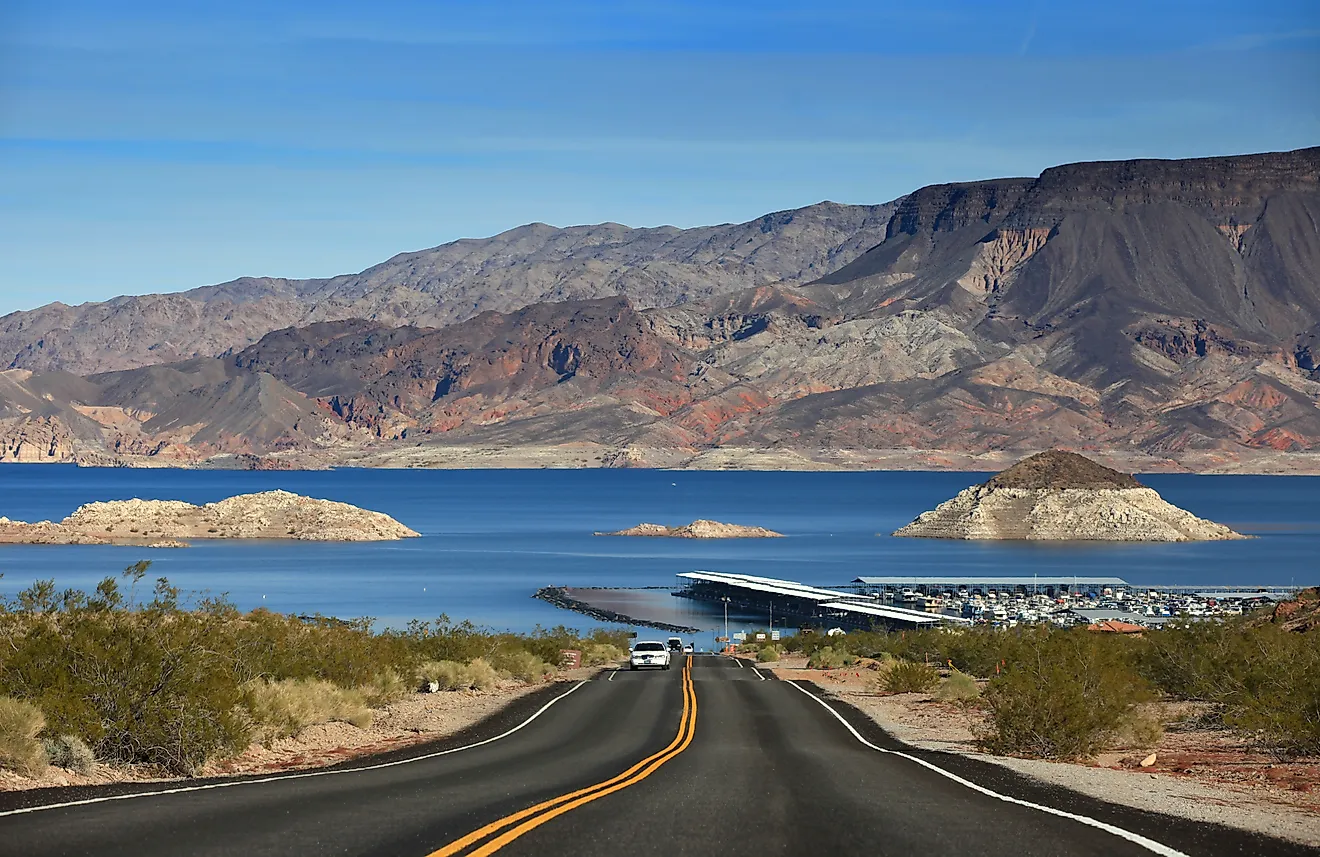
Bull Shoals Lake is one of the most popular water destinations near Branson, Missouri. It covers about 45,000 acres, with roughly 1,000 miles of shoreline spanning the border between Missouri and Arkansas in the Ozarks. It was created by the Bull Shoals Dam on the White River in 1951 and helps prevent flooding for communities in the White River Basin. The water here stays warm year-round, so the lake is open all year for those looking to catch walleye.
Gerry Partlow caught the Missouri record walleye here in 1988, a fish of 21 pounds, 1 ounce. Anglers here regularly land 10-pound walleye. The best times to catch them are in the spring, when the fish move closer to shore to spawn, and during the early morning or evening, when they are more active. Bull Shoals walleye grow especially large during periods of higher water.
A Few Tips to Catch Walleye
To catch these large fish, anglers should try several different methods, such as live bait, a jig-and-minnow, or hard plastic baits. They also need to consider the time of year, as walleye move with their prey. The fish frequent the shallows in spring, move deeper in summer toward humps and saddles, and return to the shore in fall. When targeting walleye, the most important factors are experimenting with different methods to see what works and staying patient. After all, no one ever caught a trophy fish in a hurry.