How Long It Takes Iron Ore To Get From A Minnesota Mine To A Steel Mill
Taconite leaves a pit on the Mesabi Range, rides a train to a Lake Superior ore dock, drops into a thousand-foot freighter, sails about 780 miles to Cleveland, and in many cases gets transferred to a second, smaller ship before it reaches the furnace. The sailing accounts for roughly 56 hours of that. Everything else is loading, locking and unloading, and it adds another day on top.
It Starts With A Pellet

What travels is not raw rock, which matters for everything downstream.
Minnesota ore is taconite, a low-grade rock crushed, concentrated and rolled into marble-sized pellets at the mine site before it goes anywhere. Processing happens at the range rather than the mill.
Pellets flow like grain, which is what allows a self-unloading freighter to handle them at all.
Six Ports Take It

The ore reaches water through a short list of loading points.
Iron ore moves from the mines to one of six ports on Lake Superior or one small port on Lake Michigan. Duluth, Superior and Two Harbors carry most of it, fed by dedicated rail from the Mesabi.
The rail leg is measured in hours rather than days. The mines sit under a hundred miles from the docks.
Loading Takes A Few Hours

Ore docks are gravity machines and they work fast.
Pellets are held in pockets above the ship and dropped through chutes into the holds, filling a thousand-foot hull in a matter of hours rather than the day a crane operation would take.
The Paul R. Tregurtha can load at around 10,000 long tons an hour, which puts a 68,000-ton cargo aboard in well under a working day.
Then Eight Hundred Miles Of Lake

The sailing leg is the longest single element and the most predictable.
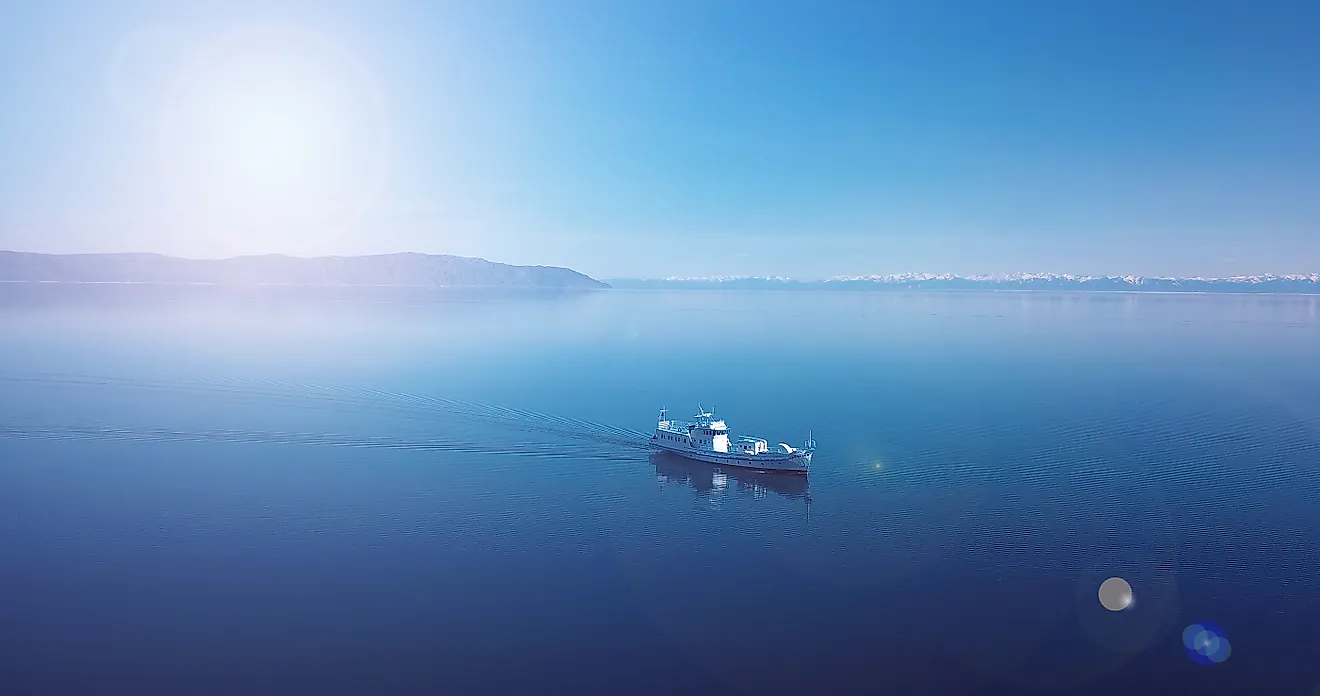
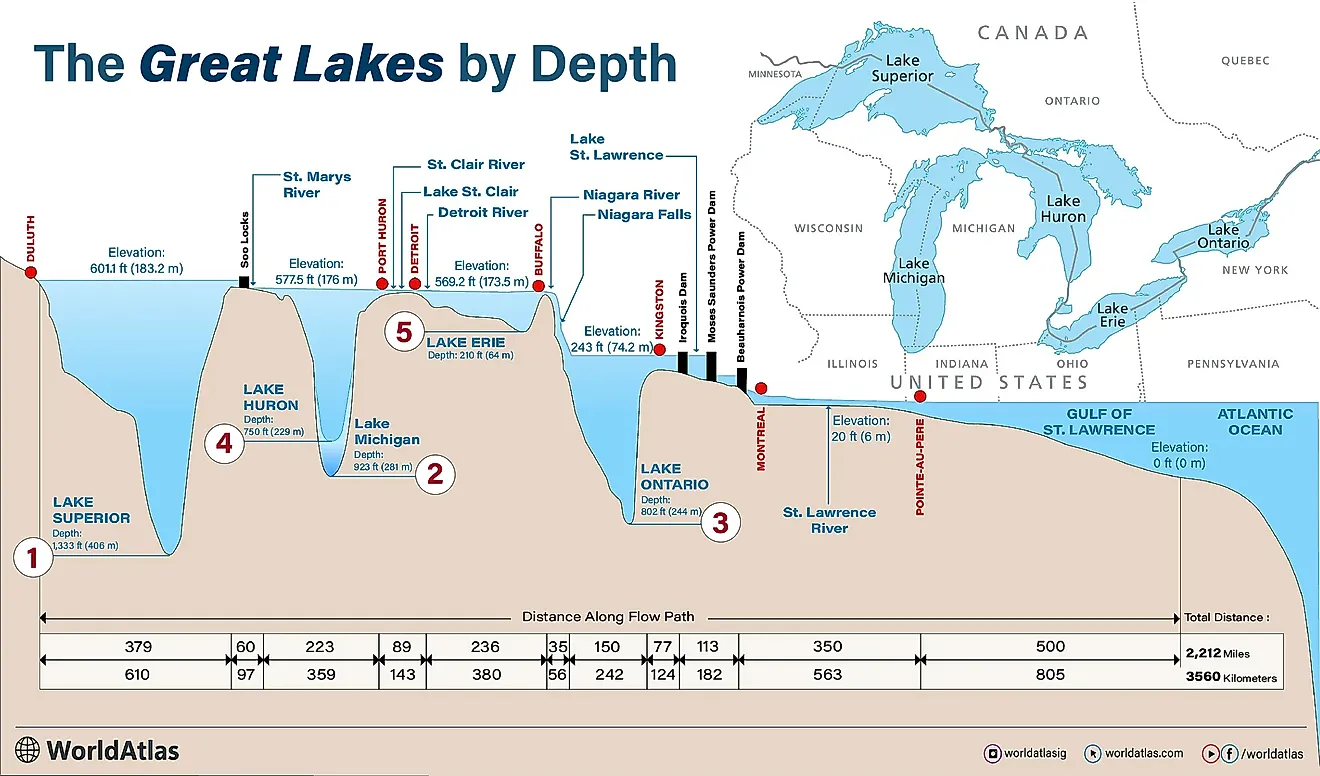
Duluth to Cleveland runs roughly 780 miles through Lake Superior, the St Marys River, Lake Huron, the St Clair and Detroit rivers and Lake Erie. At a typical laker speed of about 14 miles per hour, that is around 56 hours.
Burns Harbor in Indiana is closer at about 700 miles, or 50 hours. Neither figure includes a single stop.
The Soo Adds An Hour

Every ton of Minnesota ore passes through one chamber on its way south.
A full transit of the Poe Lock takes about 60 minutes from approach to departure, dropping the ship 21 feet from Lake Superior. It is the only lock on the route and the only chamber a thousand-footer fits.
An hour is nothing against 56 hours of sailing. The vulnerability is that there is no second route if it closes.
Unloading Takes Half A Day

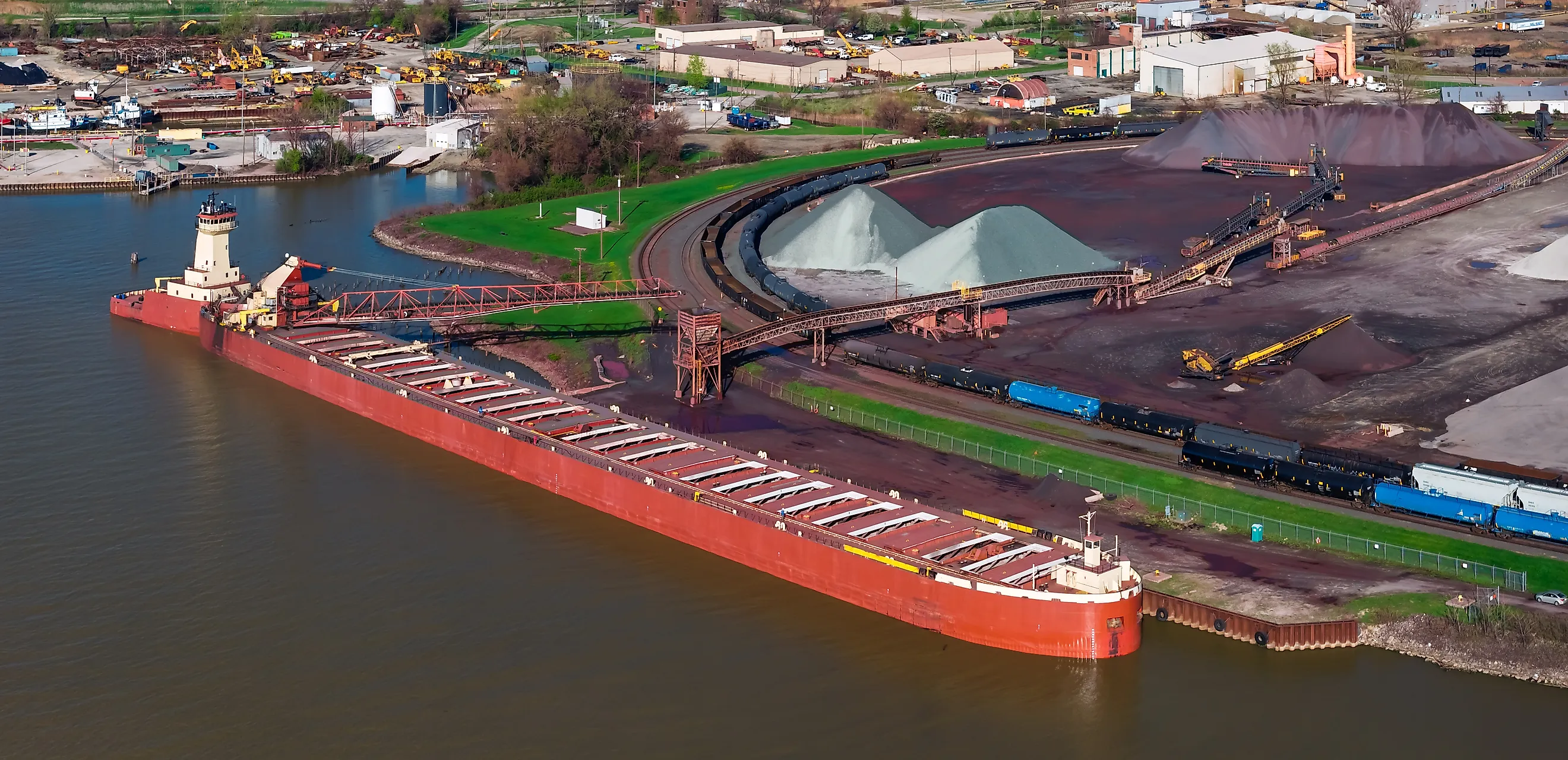
At the far end the ship empties itself, which is the whole reason these vessels look the way they do.
A laker can reach a steel mill and discharge its cargo in about 10 to 12 hours with a crew of around 20 people, using its own conveyor system and boom.
No shore cranes are involved. The port supplies a berth and somewhere to put 68,000 tons.
Cleveland Needs A Second Ship

For one major destination the journey has an extra leg nobody wants.
A thousand-footer cannot reach the Cleveland steel mill because it cannot navigate the bends of the Cuyahoga River. It unloads at the Cleveland Bulk Terminal and the ore goes onto smaller lakers for the river trip.
That transfer adds the better part of a day. Mills served directly by lakefront berths avoid it entirely.
Three And A Half Days All In

Adding the elements gives a usable figure for the water portion of the trip.
Around 56 hours of sailing, four hours loading, an hour in the Poe, ten to twelve unloading and up to twelve more for a river transfer comes to roughly 83 hours, or three and a half days, dock to furnace.
Returning empty makes the round trip closer to six days, which is why a single vessel manages between 50 and 130 trips a season depending on route length.
Then It Stops For Ten Weeks

The three-and-a-half-day figure only applies for part of the year.
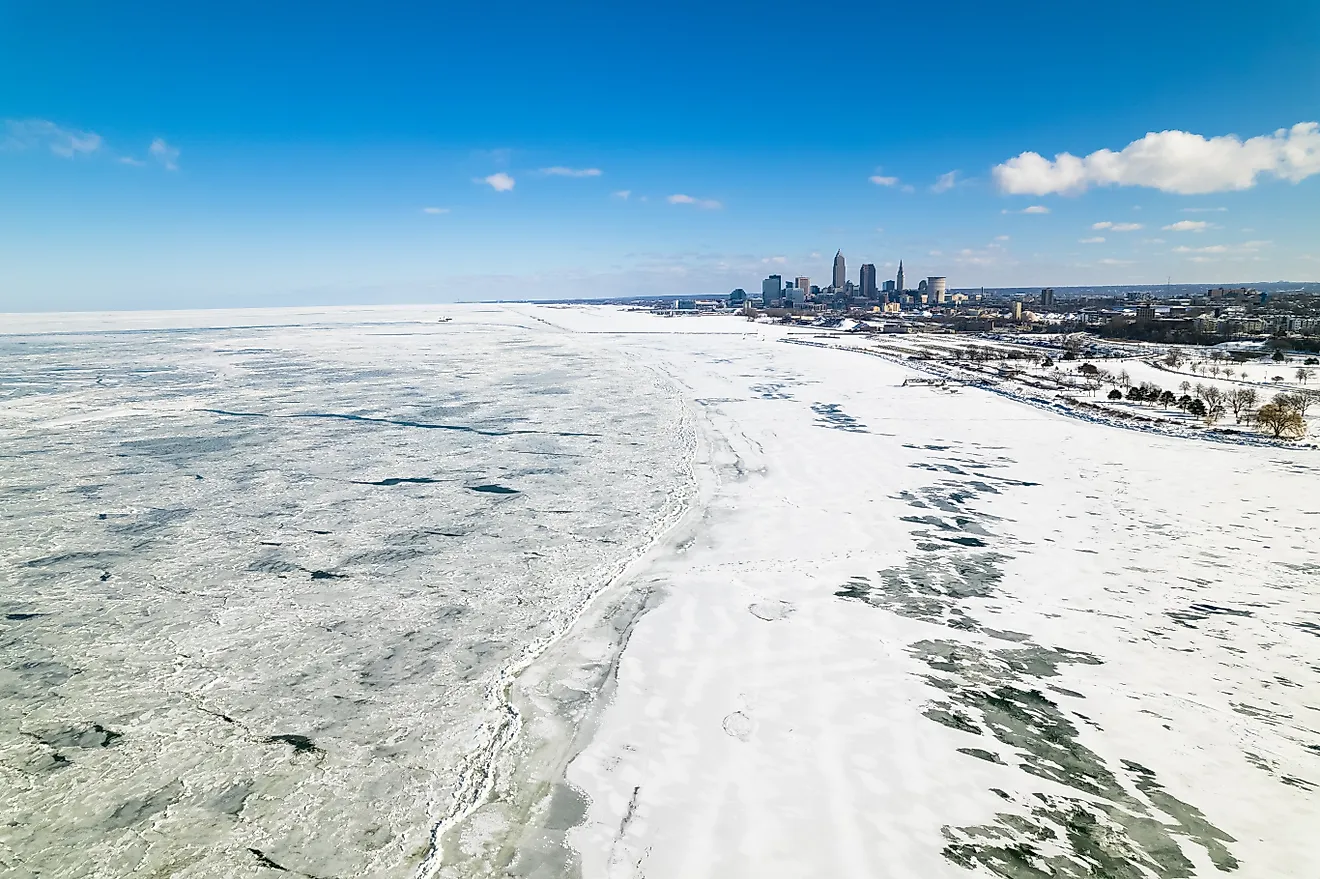
The Soo Locks close in mid-January and reopen in late March. During that window no Minnesota ore reaches a lower-lakes mill by water at all.
Mills carry stockpiles sized for a normal closure, which is why the last loads of December matter disproportionately to a steel plant's year.
Rail Is The Alternative And It Is Worse

Some mills take ore overland, and the comparison explains why most do not.
Mills not served through the Poe receive iron ore directly from Minnesota by rail or from other sources. A single thousand-footer carries roughly what 700 rail cars would.
Water moves a ton of cargo 610 miles on a gallon of fuel. No land route competes on cost for bulk at that volume.
The Short Answer

About three and a half days from ore dock to furnace, of which roughly 56 hours is sailing 780 miles from Duluth to Cleveland and the rest is loading, an hour in the Poe Lock, ten to twelve hours of self-unloading and sometimes a full extra transfer onto a smaller ship for the river.
Add the rail leg from the Mesabi Range at the start and the round trip back in ballast at the end, and a single cargo occupies a vessel for the better part of six days. For ten weeks each winter it does not move at all.