What Would Happen If The Gulf Of Mexico Stopped Warming
The Gulf of Mexico (Gulf of America) has been warming for decades, adding heat to the waters that fuel hurricanes, sustain marine life, and support one of the most important fishing regions in the United States. A study published in the Journal of Climate in 2023 found that the Gulf's sea-surface temperature increased by approximately 1°C between 1970 and 2020, equivalent to a warming rate of 0.19°C per decade. But what if that trend came to a halt? A stable Gulf would not mean an end to hurricanes or an immediate recovery of stressed ecosystems. If could, however, reduce the additional heat available to intensify tropical storms, limit further thermal stress on coral reefs and seagrass beds, and bring greater predictability to fisheries. The consequences would reach far beyond the water, affecting coastal communities, tourism, and the fishing industry.
Hurricanes And Coastal Weather Conditions

Hurricane intensity directly affects all states around the Gulf, including Louisiana, Texas, Mississippi, and Florida, while also influencing weather far inland. Hurricanes get their energy from warm ocean water. It isn’t just the water temperature, but also how the higher sea-surface temperatures increase evaporation resulting in the warm, moist air that permits Gulf storms to intensify. If the Gulf were to cool, hurricanes would still form, but their intensity would likely decrease. If temperatures just stabilized, hurricanes would be less likely to grow stronger than they have been in recent years.

It isn’t just hurricanes that are affected by warming temperatures. There are other weather conditions that are influenced by water temperatures, including humidity levels, rainfall patterns, sea-breeze circulation, and thunderstorm development. It is difficult to predict the outcomes that could result though if there were stabilized Gulf temperatures.
Marine Ecosystems

The Gulf of Mexico (Gulf of America) supports diverse marine life, including seagrass beds, coral reefs, and numerous fish species. All of these are sensitive to water temperature changes. Seagrass habitats can be severely damaged if water temperatures get too high. Heat waves can be damaging, such as resulting in coral bleaching and other damage to coral reefs. Fish must alter their ranges to avoid areas where the temperature has risen too much. It would take long-term stability of the Gulf’s temperatures to allow reduced thermal stress to the marine ecosystems. However, it would not automatically restore damaged habitats or reverse existing ecological changes.
Fishing Industry

The Gulf of Mexico (Gulf of America) provides a livelihood for fishing operations, including shrimp, oysters, red snapper, and other seafood. When waters warm up, many fish species have no choice but to move, making it more challenging for the fishing industry. Their costs can increase if they must travel further from traditional fishing areas. The unpredictability further hampers their efforts. A halt in warming would help stabilize the fishing patterns, reducing uncertainty for the fishing industry.
Heat Waves

It isn’t just the overall increase in water temperature that is of concern. It is also extended periods of abnormally warm temperatures, referred to as heat waves. These heat waves cause issues for all the previously mentioned concerns, namely more intense hurricanes, more damage to marine ecosystems, and more challenges for the fishing industry. Regarding the fishing industry, a heat wave can increase mortality among temperature-sensitive species, thereby adversely affecting fish populations. If the Gulf of Mexico (Gulf of America) were to stop warming, heat waves would be less likely and ecosystems would face fewer temperature shocks.
Economic Impacts

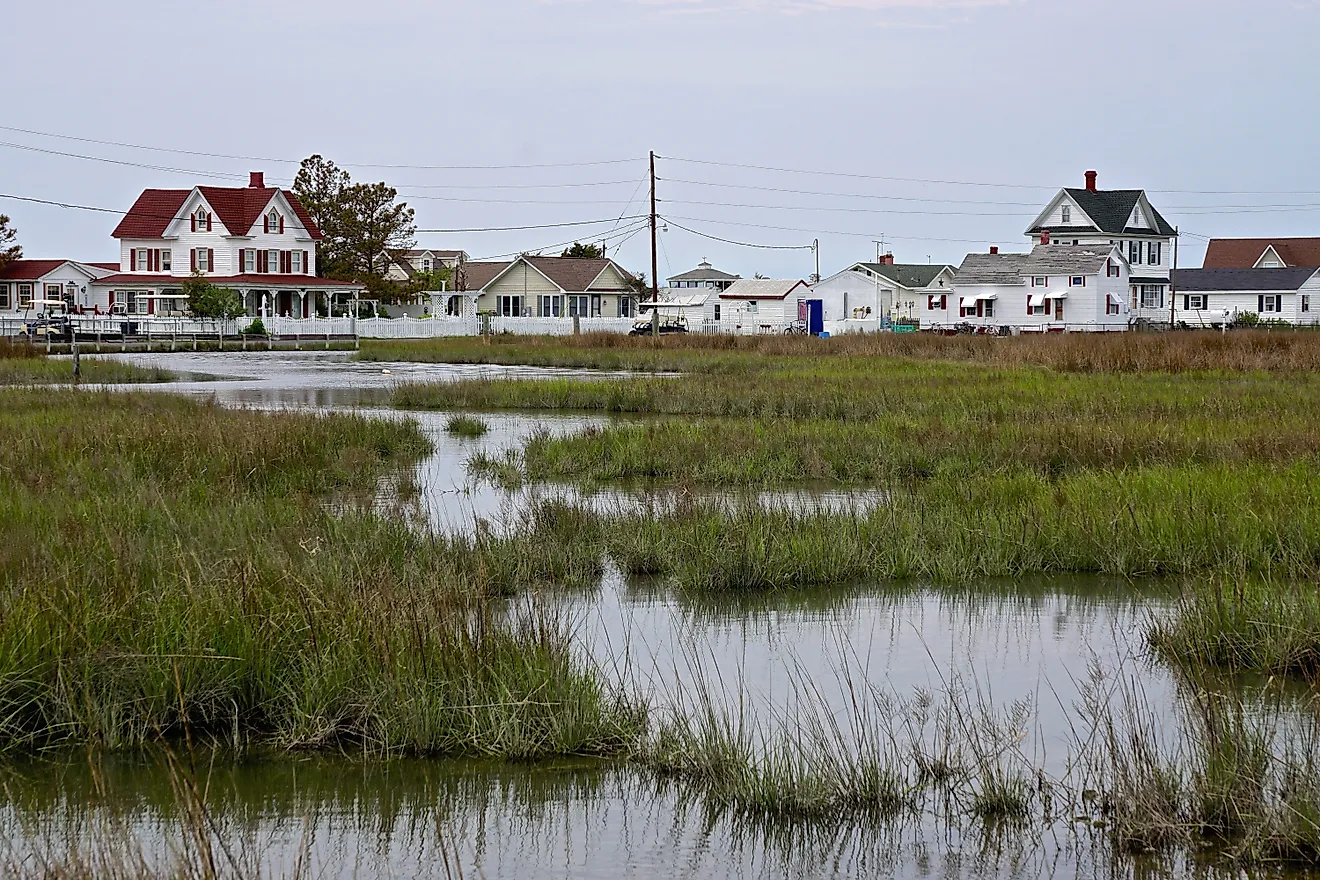
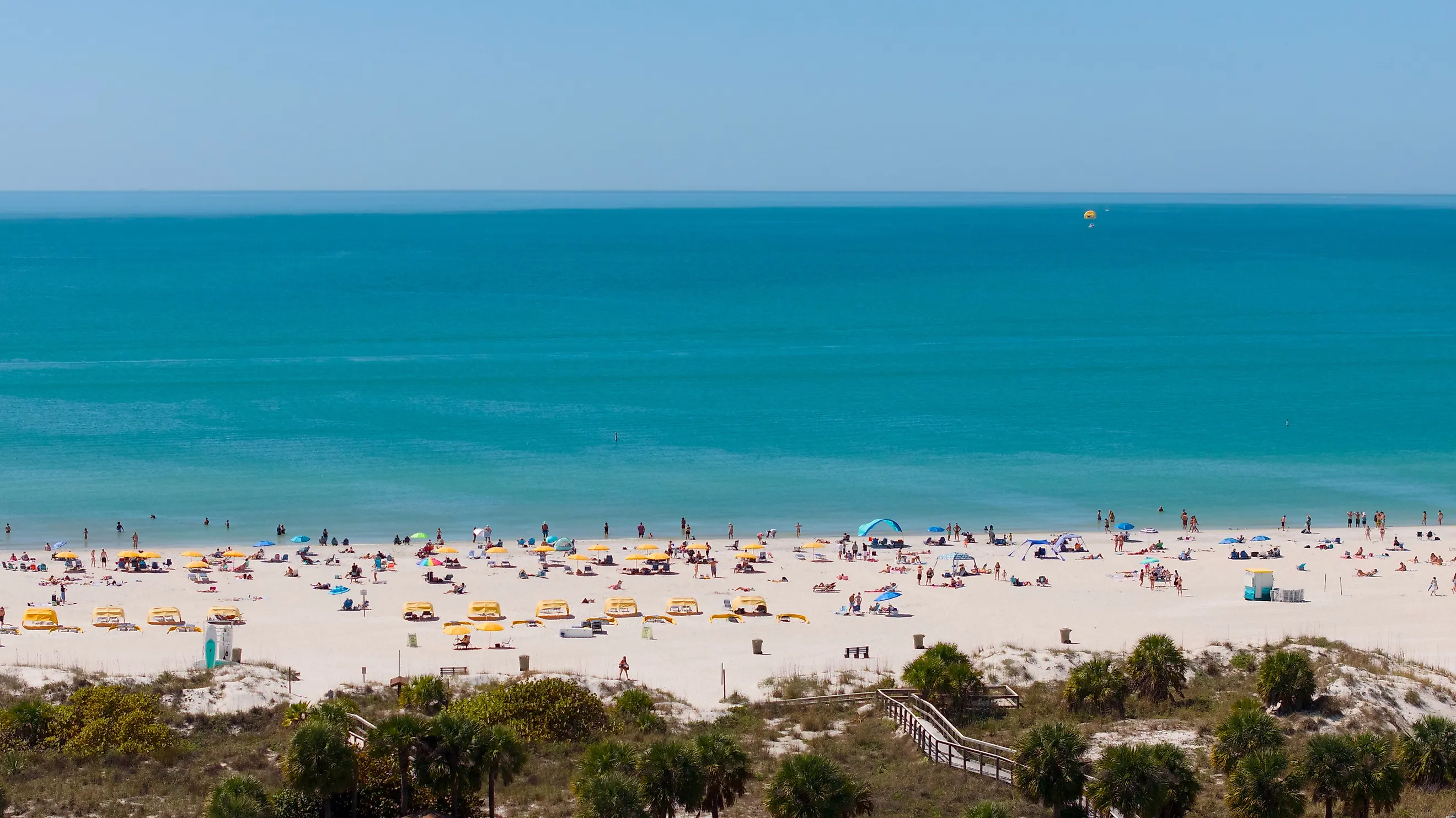
It is understandable that the fishing industry can be financially at risk with warming temperatures and heat waves. However, there are other economic impacts to consider. Tourism, coastal recreation, and insurance markets can all be affected right along with weather changes and ecological concerns. If the Gulf of Mexico (Gulf of America) were to stop warming, it would be good news for many Gulf Coast communities, especially those that rely on tourism.
What Would And Wouldn’t Happen
If the Gulf of Mexico (Gulf of America) stopped warming, many positive changes would follow. We could see less intense hurricanes, fewer marine heat waves, more stable fisheries, and reduced ecological stress. However, this shift would not halt broader climate trends such as global sea-level rise, which is driven by warming across the world’s oceans and melting ice sheets. Even so, most people living along the Gulf Coast would welcome the benefits of a more stable regional climate.