The Most Snake Infested Rivers In Kentucky
Watch out when traversing Kentucky’s rivers, as there may be a snake slithering across the shore, or hunting in the shallows for fish and amphibians. With around 49,105 miles of river flowing through the state, there is no shortage of opportunities to swim, fish, boat, or simply relax on the water in Kentucky. However, the state is home to 32 different species of snake, four of which are venomous, and some of which call Kentucky’s rivers their home. These are the five most snake-infested rivers in Kentucky.
Green River

The Green River rises near Kings Mountain in central Kentucky and flows for a total distance of 360 miles before it enters the Ohio River in Evansville, Indiana. The Green River is almost entirely contained within Kentucky, draining a total area of 9,430 square miles. The river has a diverse range of aquatic life, including freshwater mussels, snails, crayfish, and shrimp that are not found anywhere else on the planet.

The conditions and abundance of food sources in the Green River make optimal conditions for the Queen snake (Regina septemvittata), which is known to inhabit the river. Queen snakes are predominantly found in central Kentucky, frequenting rocky streams and bodies of water lined with ample vegetation for them to bask on. Their diet primarily consists of crayfish, but they will feast on any aquatic invertebrates that they can subdue if it's opportunistic.
Tradewater River

The Tradewater River is a major tributary of the Ohio River, and is one of eight major rivers in Kentucky. It flows for a total distance of 136 miles, flowing northwest for most of its course through some communities within Kentucky, but for the most part is a very remote river with substantial distances between access points. It is characterized by a mixture of forested and agricultural land it passes through, and its gentle currents. However, water levels are known to rise during periods of heavy rain.

Several species of wildlife inhabit the river, including the copper-bellied watersnake (Nerodia erythrogaster neglecta). The copper-bellied watersnake is a subspecies of the plain-bellied watersnake (Nerodia erythrogaster). They inhabit areas such as swamps, sloughs, and bottomland hardwood forest, and their diet primarily consists of amphibians. They are a protected species in Kentucky as a result of population decline due to their wetland habitats being drained or altered. The southern distribution of their range is limited to western Kentucky.
Kentucky River

The Kentucky River is formed by the confluence of its North, Middle, and South Forks near Beattyville. The North Fork rises in the Cumberland Mountains near the border between Kentucky and Virginia, and the Middle and South Forks rise in Leslie and Bell counties. The Kentucky River flows for a total distance of 259 miles before it enters the Ohio River.

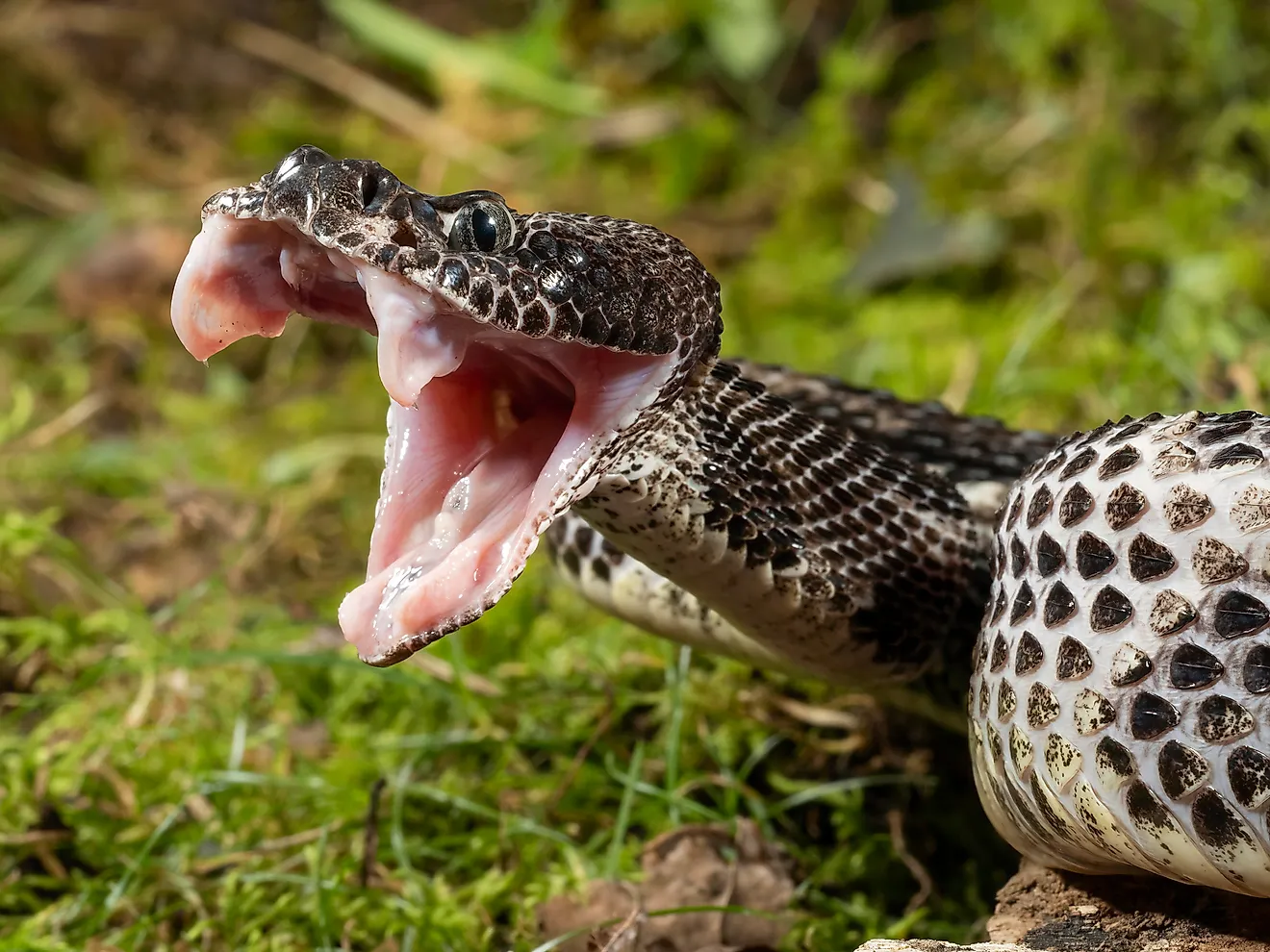
Two of Kentucky’s venomous snakes can be found close to the Kentucky River: the copperhead (Agkistrodon contortrix), and the timber rattlesnake (Crotalus horridus). Although copperheads are found statewide, they favor rocky, wooded hillsides and lowland areas near streams. Their bite is known to be painful, however the venom is seldom considered life-threatening. Regardless, medical treatment should be immediately sought after any venomous snake bite. Although once found statewide, timber rattlesnakes are now limited to Kentucky’s heavily forested regions. They are the largest species of venomous snake found in Kentucky and are known to be secretive, found only in extreme wilderness areas with little-to-no human activity.
Cumberland River

The Cumberland River is formed on the Cumberland Plateau by the confluence of the Poor and Clover Forks in southern Kentucky. It meanders through northern Tennessee before entering the Ohio River after a total course of 687 miles. The Lower Cumberland watershed is the farthest downstream watershed of the Cumberland River basin, draining an area of 2,338 square miles.

The Cumberland River is home to a couple of different species of watersnake: the copper-bellied watersnake, and, the northern watersnake (Nerodia sipedon). Northern watersnakes are Kentucky’s most abundant species of watersnake, found statewide in a variety of different aquatic and semi-aquatic wetland habitats. Although nonvenomous, they are very defensive snakes and will not hesitate to bite if handled or captured.
Ohio River

The Ohio River is formed by the confluence of the Allegheny River and the Monongahela River in Pittsburgh, flowing northwest out of Pennsylvania. The Ohio River forms Kentucky’s entire northern border, creating the boundary between Kentucky and the states of Ohio, Indiana, and Illinois. After flowing for a total course of 981 miles, it joins the Mississippi River and drains a total area of 203,900 square miles.

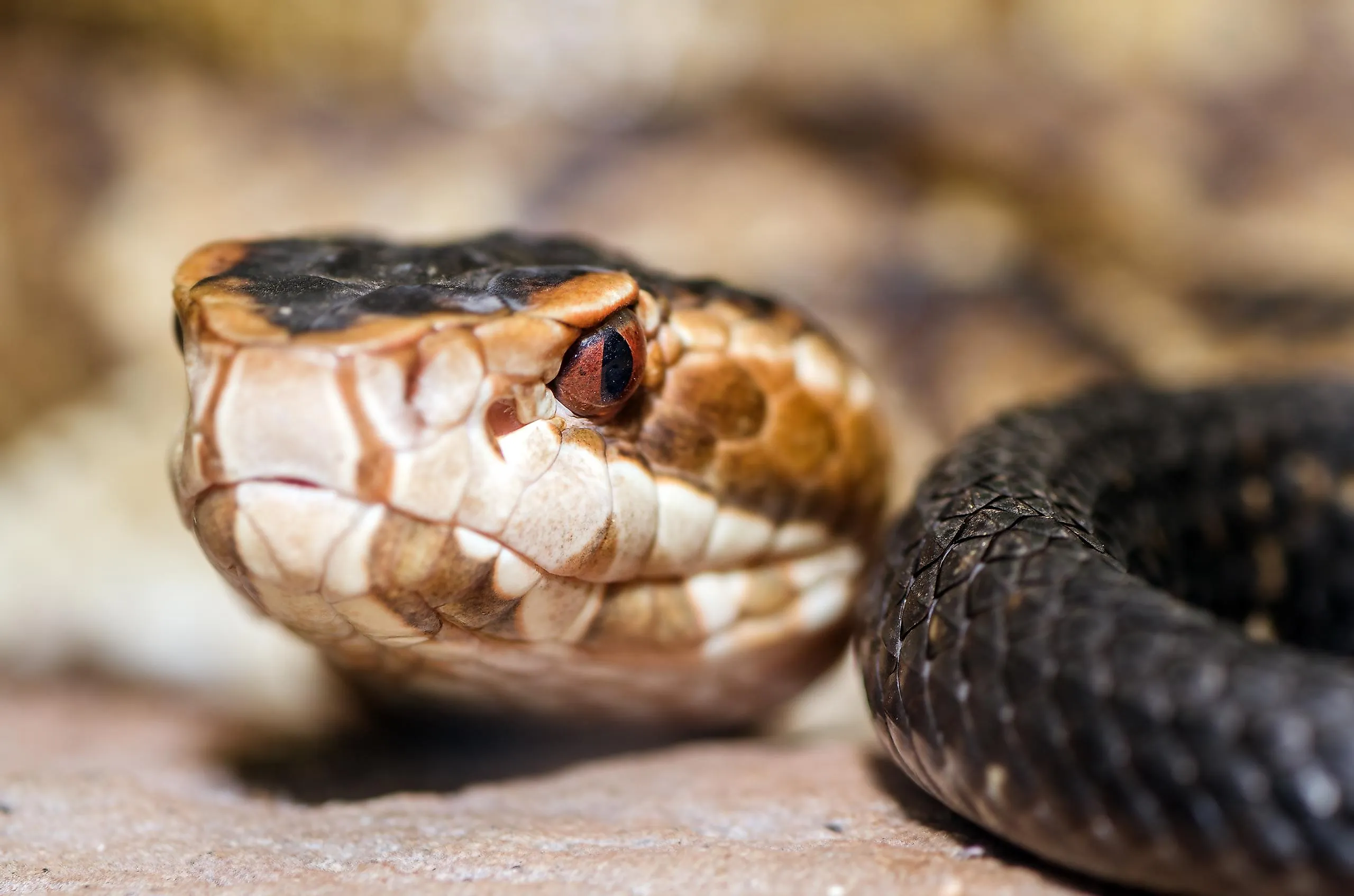
Another one of Kentucky’s venomous snake inhabits the Ohio River, the Western cottonmouth (Agkistrodon piscivorus). Cottonmouths are limited to western Kentucky, on the western edge of the Ohio River. They can be found in swamps, wetlands, lakes and floodplains during warmer months of the year, and in upland areas away from water in the colder months. If confronted, they are likely to stand their ground, coiling up with their mouth gaped open and exposing the white flesh lining the inside of their mouth which attributes to their names.
Kentucky's Snake Infested Rivers
Snakes are extremely beneficial to the ecosystem, acting as natural pest control on animals like slugs, insects, and rodents. While many people fear snakes, even the venomous ones are used for medical research as their venoms can be used to manufacture medicines. However, most people do not take this into account if they encounter a snake which results in human persecution. It is important to remember that the majority of the snakes you will encounter in or near Kentucky’s rivers are nonvenomous, and would rather flee than fight.