6 Snake-Filled Waters In Wyoming
Wyoming is home to 16 different species of snakes, some of which inhabit the state’s alpine lakes, rivers, and reservoirs. Some bodies of water, like the appropriately named Snake River, are home to Wyoming’s most common and widespread snake, the Wandering Garter Snake (Thamnophis elegans vagrans), whereas some anglers have been surprised to see Prairie Rattlesnakes (Crotalus virids) swimming along the surface of the water at Boysen Reservoir. Whether you are going to one of the state’s National Parks or slinking off to a quieter water hole to do some fishing, you need to watch out for snakes slithering near these bodies of water.
Green River

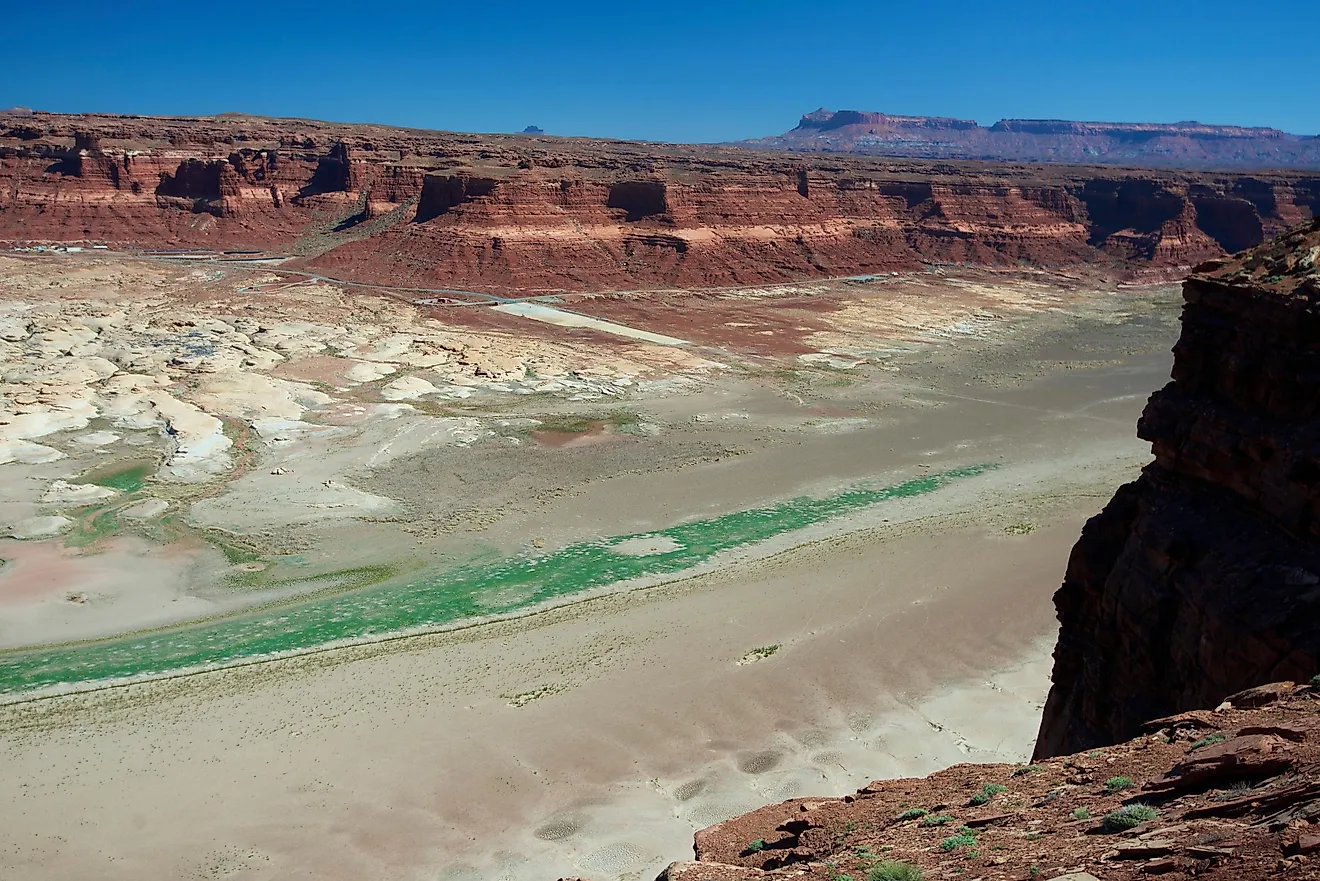
The Green River gathers its headwaters in the Wind River Mountains near Pinedale. The river flows southward through Wyoming. After a total course of 730 miles, flowing through mountainous terrain before merging with the Colorado River in Utah’s Canyonlands National Park. The Green River is one of only a few places in Wyoming, if not the only place, where the Midget Faded Rattlesnake (Crotalus oreganus concolor) lives. Midget Faded Rattlesnakes require habitats such as rocky hillsides, cliffs, and slopes, as these areas usually have rocky crevices and outcrops, which these snakes will use to retreat from danger when threatened and hibernate over the winter.
North Platte River

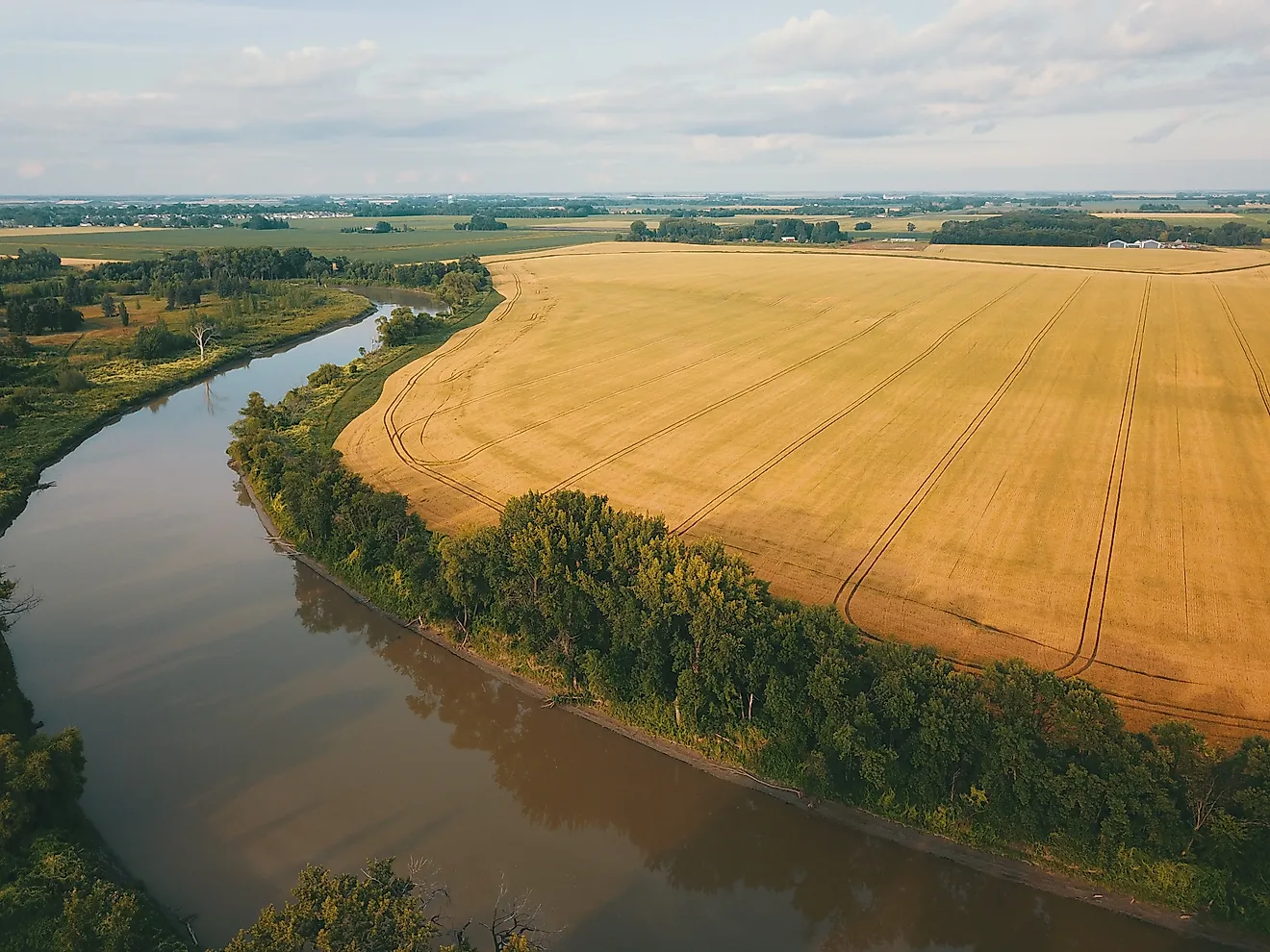
The headwaters of the North Platte River originate from the mountains of North Park, Colorado, and the Medicine Bow and Sierra Madre of southeast Wyoming. The river’s basin encompasses close to 22,000 square miles, taking up the entire southeast corner of Wyoming. Wyoming’s other species of venomous snake, the Prairie Rattlesnake, occupies the North Platte River Valley, usually at an elevation of around 7,000 feet. While Rattlesnakes are commonly associated with dry and arid climates, like all snakes, they are not averse to entering the water. Prairie Rattlesnakes are mostly diurnal and actively search for prey items, which consist of ground squirrels, prairie dogs, rabbits, chipmunks, birds, lizards, and sometimes even other snakes.
Snake River

The largest tributary of the Columbia River, the Snake River originates in northwest Wyoming inside Yellowstone National Park. The river flows through Jackson Lake inside Grand Teton National Park before leaving Wyoming and entering Idaho. The Snake River is home to one of Wyoming’s most commonly seen and widespread snakes, the Wandering Garter Snake. Like all of Wyoming’s Garter Snakes, the Wandering Garter Snake can survive in many different habitats, although it has a preference near permanent bodies of water such as riparian edges of rivers, wetlands, ponds, lakes, and floodplains. These habitats have an abundance of the Garter Snake’s prey, which consists of fish, frogs, slugs, and insects.
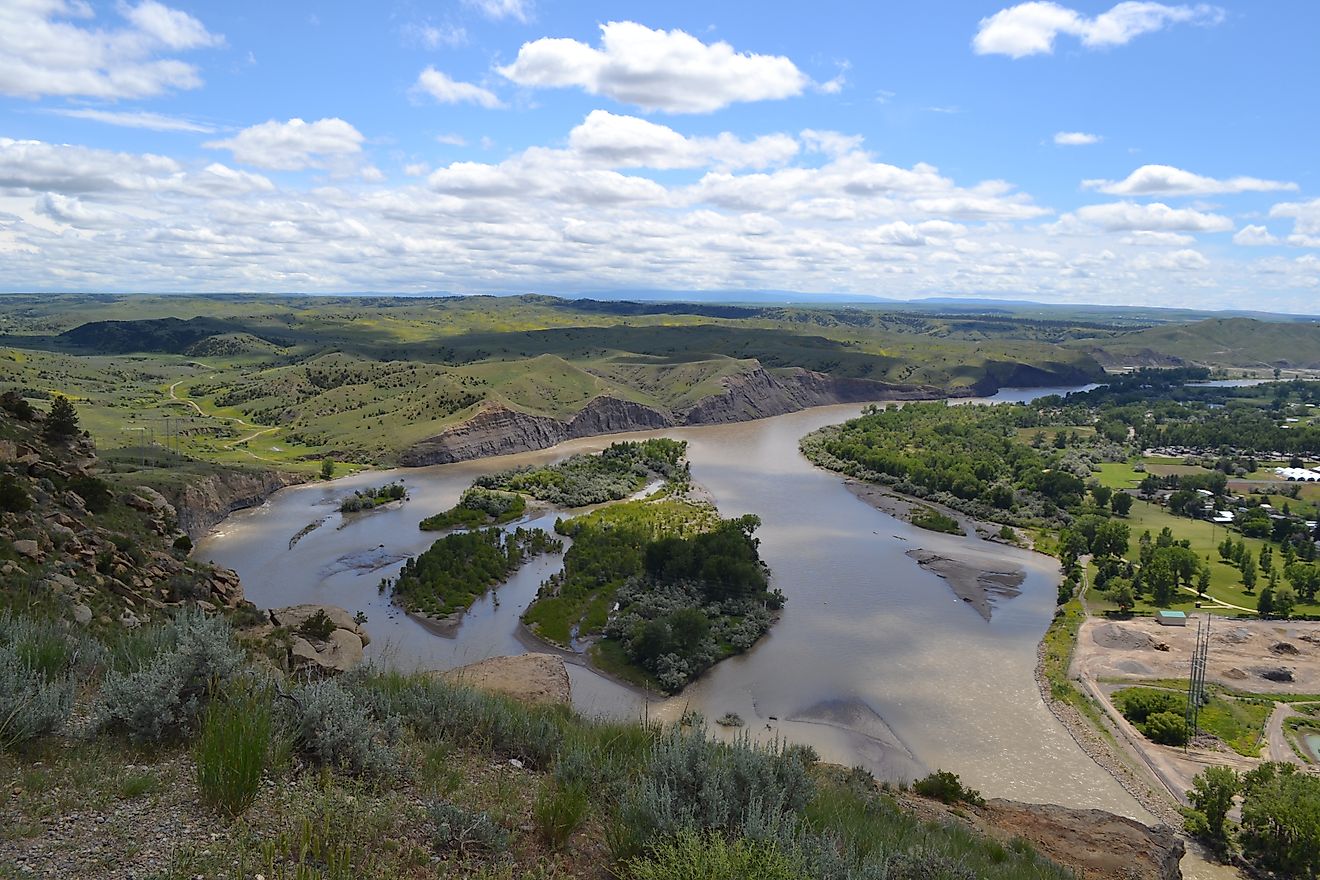
Yellowstone River

The Yellowstone River is known for being the last major undammed river in the lower 48 states. The river rises in Wyoming’s Absaroka Range and from there quickly enters Yellowstone National Park and flows into Yellowstone Lake. Like other bodies of water in Wyoming, the Prairie Rattlesnake is present, specifically in the Lower Yellowstone River, as this area is generally drier and warmer than anywhere else in Yellowstone National Park. Thankfully, the Prairie Rattlesnake is the only venomous snake found along the Yellowstone River, and even better, only two bites from it have ever been recorded within the greater Yellowstone National Park.
Boysen Reservoir

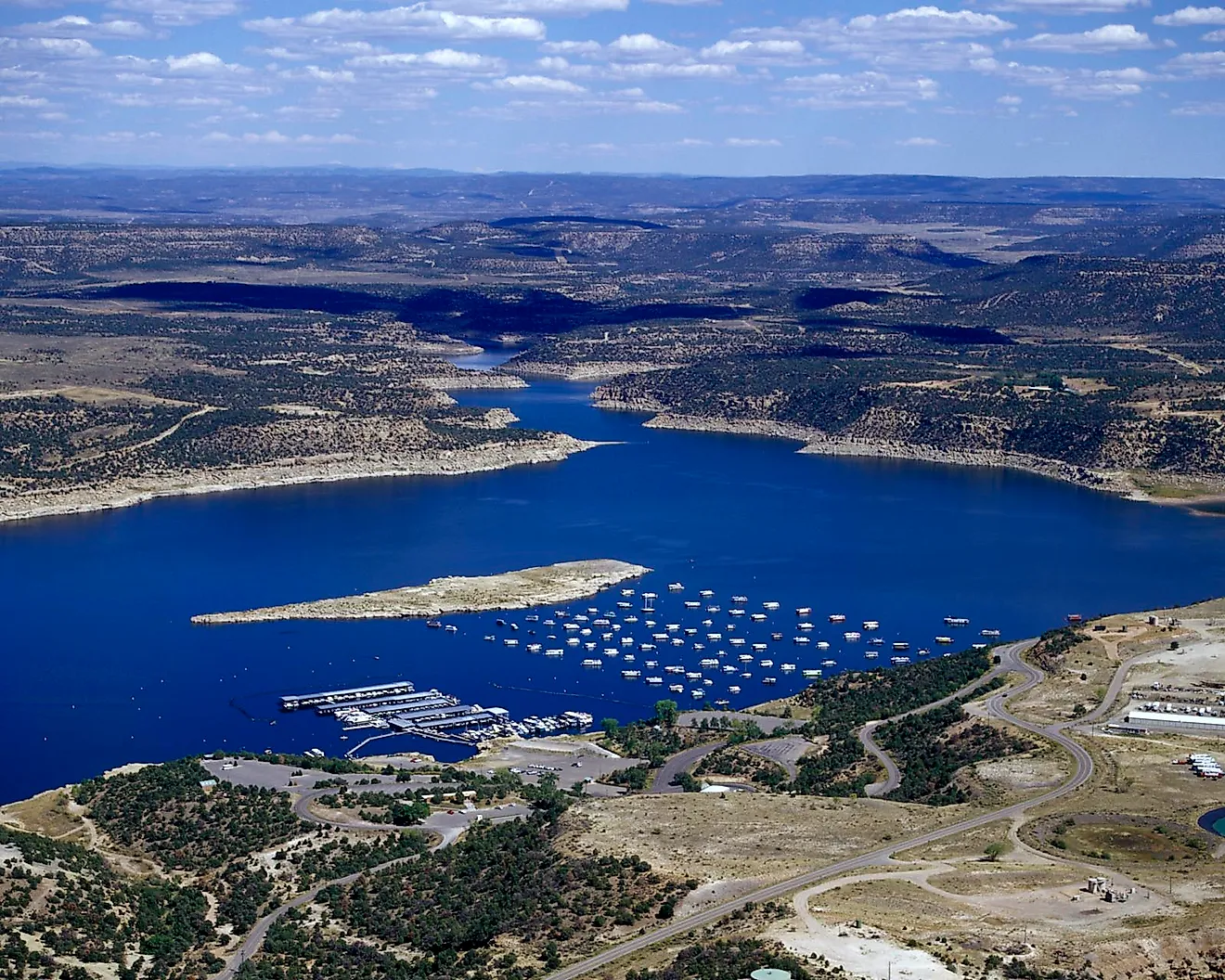
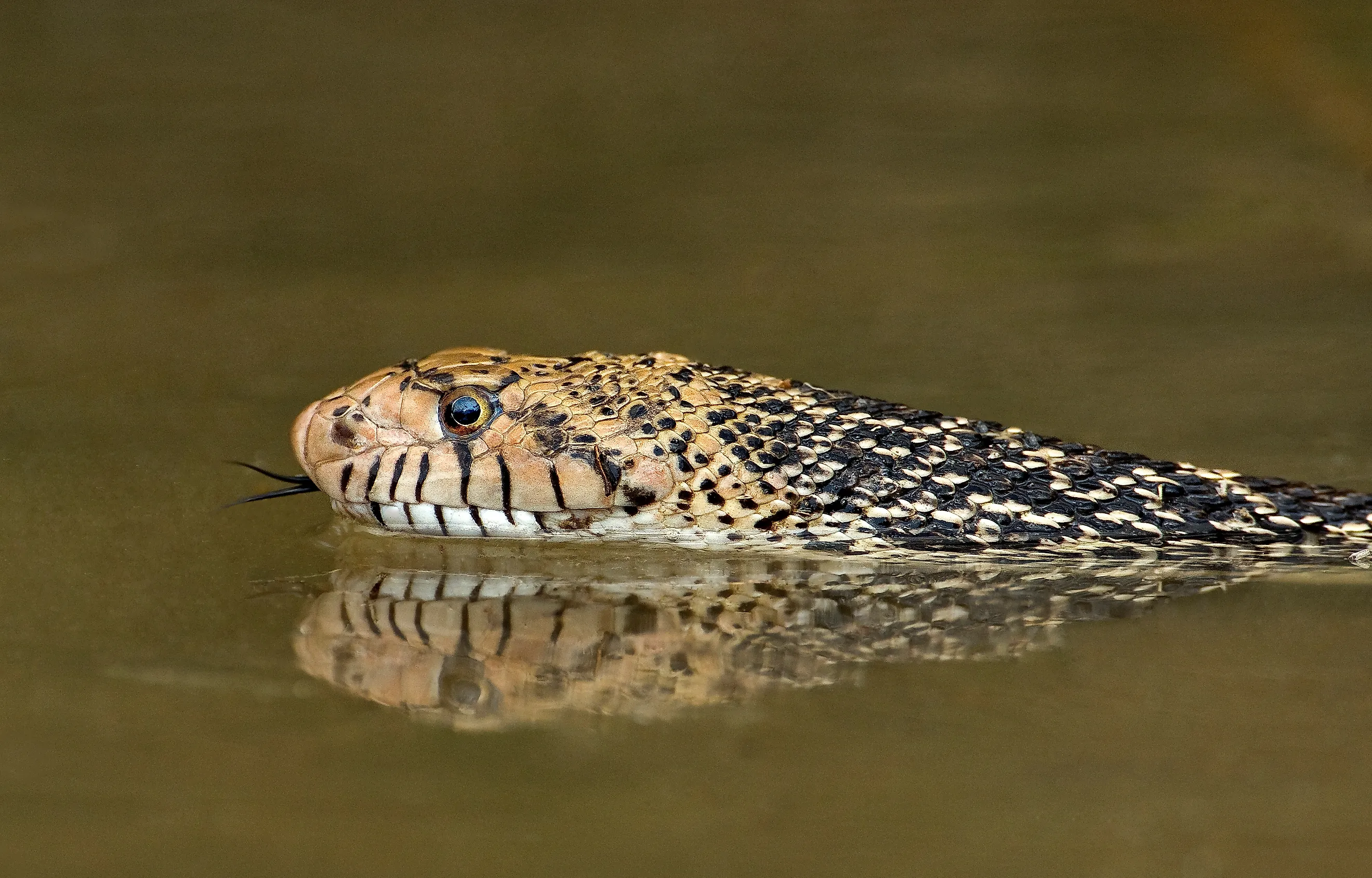
The Boysen Reservoir is rooted within the Wind River Canyon of Boysen State Park, the largest state park in Wyoming. The reservoir spans over 19,000 acres and is circled by tower rock formations. It is a prime location for fishing as it is home to a broad range of species, such as walleye, trout, catfish, perch, and crappie. Anglers can either cast off from the shore or set sail on the water to fish from the center of the reservoir. Prairie Rattlesnakes are regularly seen gliding across the surface of the reservoir as they pilgrimage from one end to the other. They are commonly seen crossing the reservoir in the early evening when the water is at its warmest. The nonvenomous Bull Snake (Pituophis catenifer sayi) may also swim in the reservoir and is often mistaken for the Prairie Rattlesnake. This is because when threatened, it will make similar postures and rattle its tail to ward off potential threats.
Bighorn Lake

Bighorn Canyon National Recreation Area stretches 120,000 acres between northern Wyoming and southern Montana. Multiple types of outdoor recreational activities can be enjoyed within the park, especially on Bighorn Lake. Boating and fishing are popular activities, but as with the Boysen Reservoir, Prairie Rattlesnakes are also seen swimming on the surface of Bighorn Lake. However, on Bighorn Lake, the tables turn on the Prairie Rattlesnake. While it is known for feasting on anything it can immobilize with its venom, such as ground squirrels, mice, rats, small rabbits, prairie dogs, ground nesting birds, amphibians, and lizards, it also falls prey to other animals. Young Prairie Rattlesnakes have not fared well, however, when crossing the lake, sometimes being found inside the stomachs of Rainbow Trout.
Snakes in Wyoming's Waters
When it comes to bodies of water in Wyoming, one snake in particular seems to be ever-present: the venomous Prairie Rattlesnake. While it may be alarming to see one of these snakes slither past your boat on Boysen Reservoir, or coiled on the banks of the Yellowstone River, they are oftentimes more defensive than aggressive. Instead, they will sound the rattle on their tail to make you aware of their presence so that you may give them enough space to get away from you.