The Most Snake Infested Rivers In Ohio
Ohio is home to over 20 species of snakes, including venomous species like the timber rattlesnake (Crotalus horridus) and the copperhead (Agkistrodon contortrix). Spread throughout the vast state with millions of acres of forested area, many of these species prefer to live in and around rivers. The waterways provide moist soil, plenty of hiding places, and some snakes, like the northern watersnake, can also swim and hunt underwater. To this end, many of Ohio’s rivers are infested with snakes, home to multiple species of venomous and non-venomous reptiles. With over 29,000 miles of river in the state, and plenty of it used for recreational activities, knowing which snakes to look out for is vital to staying safe when out. This article looks at the most snake-infested rivers in Ohio, detailing which snakes thrive in these bodies of water.
Ohio River

Sharing its name with the state, the Ohio River spans 981 miles (1,579 km), forming Ohio’s southern border. It is one of the most vital waterways in the region, running through major communities such as Portsmouth, Cincinnati, and Marietta. The river supports regular cargo shipping and is popular for recreational activities along the Ohio River Way. This 308-mile (496 km) National Water Trail stretches through Ohio, Kentucky, and Indiana, offering ample opportunities for paddling, camping, hiking, and events such as the Ohio River Paddlefest in Cincinnati. Thus, it is also one of the most populous rivers in the state, home to communities along its banks and plenty of recreational tourists.

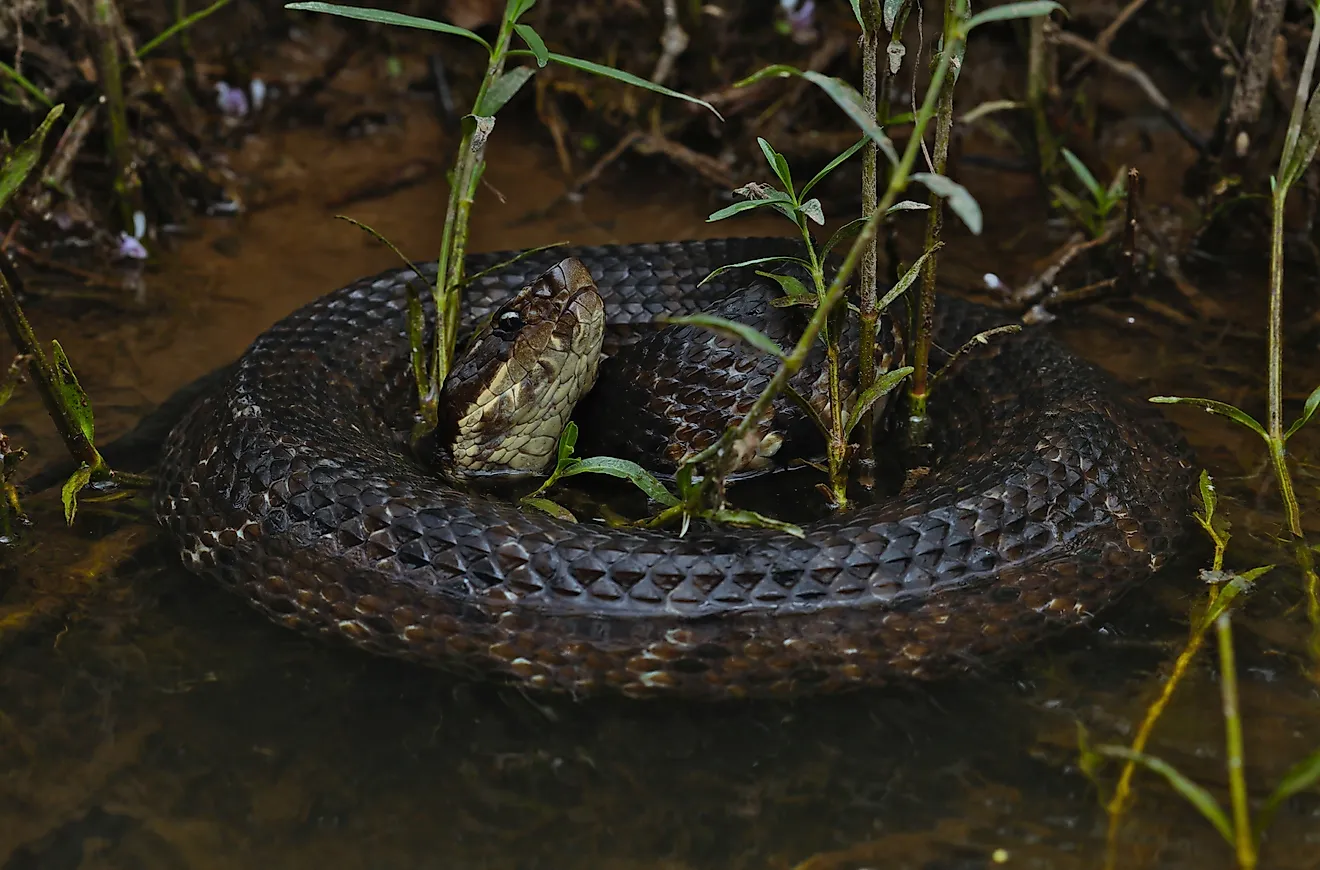
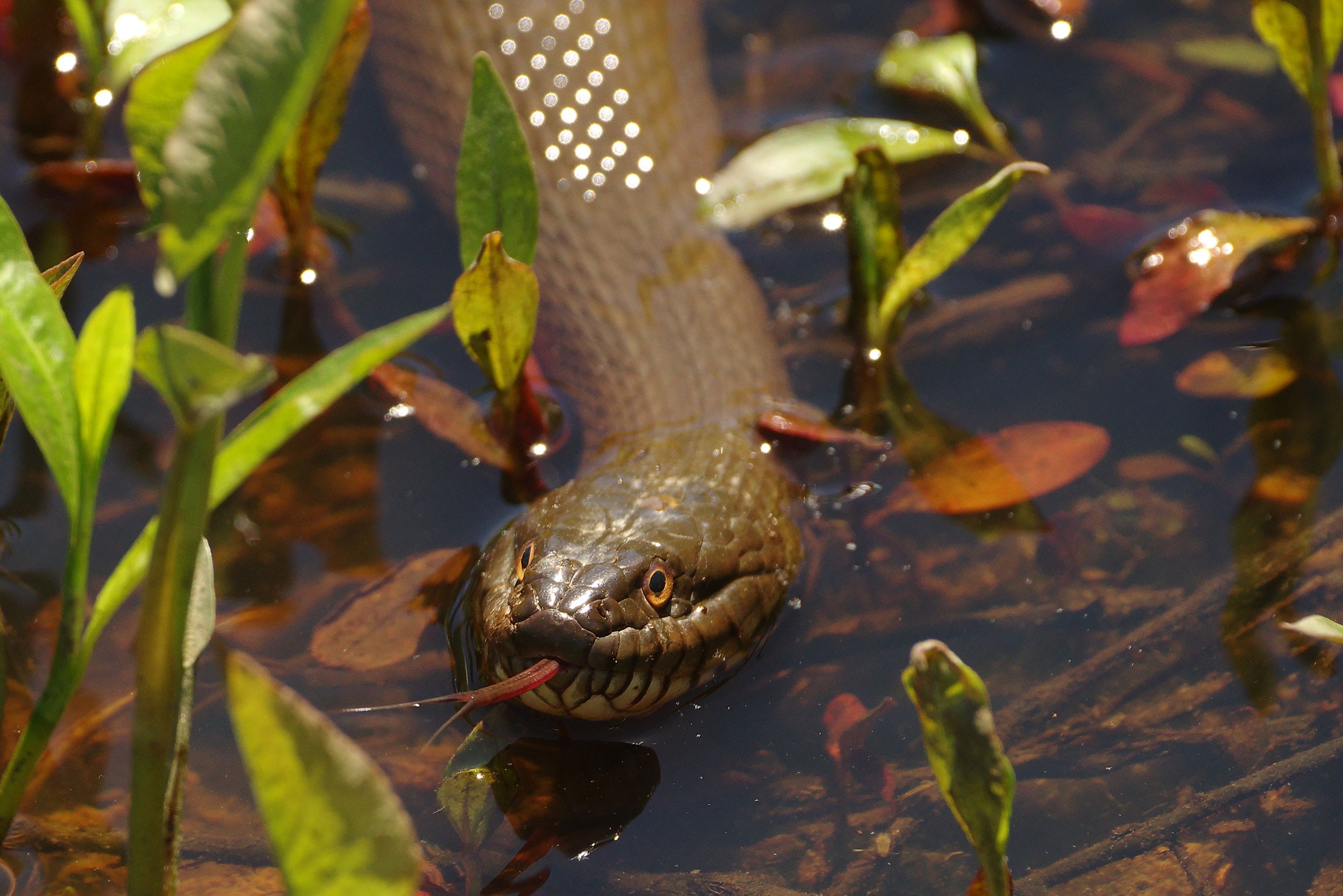
In addition to people, the Ohio River is one of the state’s most snake-infested areas, with multiple species living here. These include the copper-bellied watersnake (Nerodia erythrogaster neglecta), the northern watersnake (Nerodia sipedon), and the queen snake (Regina septemvittata). All of these species are adept swimmers and can move and hunt in the river. The queen snake, also known as the banded water snake, is a nonvenomous species with a dark brown or gray coloration and yellow stripes running down its length. These snakes typically measure 18 to 36 inches (46 to 91 cm) and live in rocky or moist areas near rivers. As their diet primarily consists of crayfish, they are often in the water, and while non-venomous, it's best to avoid getting too close to avoid startling them.
Muskingum River

The Muskingum River, a tributary of the Ohio River, is also home to many snake species. The most common found in Muskingum County are the common garter snake (Thamnophis sirtalis) and the northern water snake. The former is one of the most prevalent snakes in North America, found throughout the continent. This snake has a similar appearance to the queen snake, with a black or brown background and yellow stripes along its body. Garter snakes typically measure between 18 and 26 inches (46 to 66 cm) in length, although some individuals can grow as long as 54 inches (137 cm). They live in various habitats near water and have a mild toxic saliva that is not fatal to humans but can cause slight itching and burning at the bite site. Thus, it is best to give them a wide berth if you spot them.

Apart from the snakes, the Muskingum River stretches for 111 miles (179 km) through southeastern Ohio. It is a popular spot for boating and fishing, and the Muskingum River Trail is great for wildlife watching. That said, make sure you keep an eye out for these sssslithering reptiles as well when out near the water.
Scioto River

The Scioto River is another Ohio river where snakes are commonly seen, especially along slower sections with brush, wetlands, and wooded banks. The river runs for about 231 miles (372 km) through central and southern Ohio, passing cities like Columbus and Chillicothe before flowing into the Ohio River. Floodplains, fallen logs, and calm backwaters make this river a good habitat for several snake species.

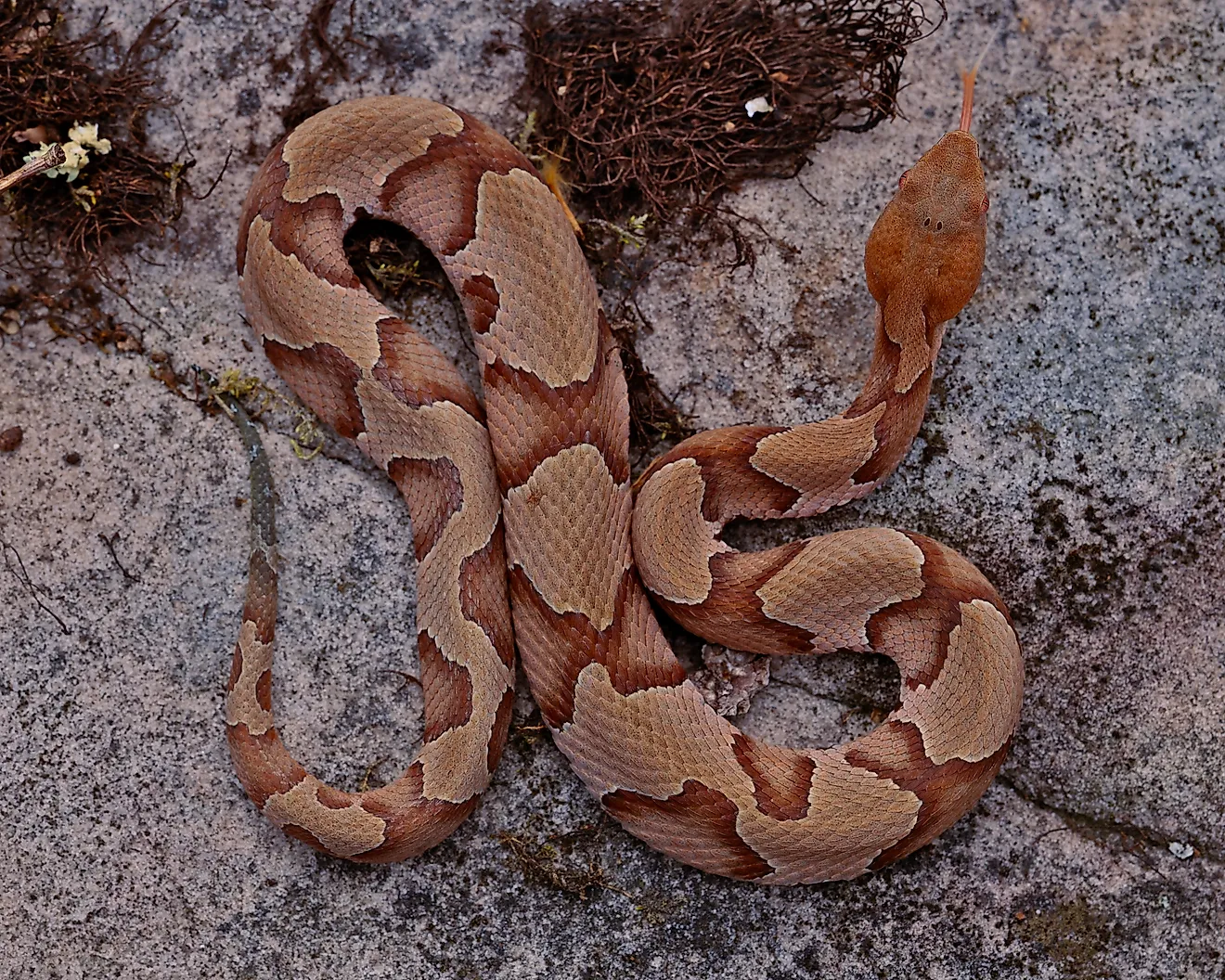
Northern water snakes are the most frequently spotted along the Scioto. They are strong swimmers and are often seen basking on rocks, tree limbs, or along the shoreline. Common garter snakes are also widespread, especially in grassy areas near trails and access points. In parts of the Scioto River basin, particularly in more wooded and less developed areas, copperheads are also present. Copperheads are venomous and rely heavily on camouflage, often blending into leaf litter due to their brown coloration and a darker hourglass pattern. Adults usually measure 24-36 inches (61-91 cm) in length. They are not aggressive, but they can be hard to spot, making it important to watch where you step when fishing or walking near the water.
Cuyahoga River

Among Ohio’s rivers, the Cuyahoga River is home to one of the largest populations of snakes, with over half a dozen species in the surrounding valley. These include the black rat snake (Pantherophis obsoletus), garter snake, ribbon snake (Thamnophis sauritus), and queen snake, all nonvenomous species that reside near water. The ribbon snake is one of the most distinctive species, with a slender body, dark brown to black coloration, and three bright yellow stripes running along its length. This species thrives in wet areas near rivers and prefers to hunt and bask in shallow water. Thankfully, they are nonvenomous and rarely bite, but will release a foul smell when threatened, so give them a wide berth.

As venomous species are rare in the Cuyahoga River, those fearful of snakes can take advantage of the diverse recreational options without worry. Paddling, fishing, and biking along the 100-mile (161 km) Ohio and Erie Canal Towpath Trail are popular activities, and there are also boat transport services on offer. The river also runs through large cities like Cleveland, so there are always people out and about near it.
These Are Ohio’s Most Snake-Infested Riverways
These four rivers in Ohio are infested with snakes. From the northern watersnake found in all of them to the copperhead, a venomous species that resides near some, snakes are found throughout these bodies of water. However, as long as you maintain a safe distance and do not agitate them, snakes will rarely bite. Moreover, each of these rivers offers plenty of recreational opportunities, so anyone can have a fun time with a bit of awareness.