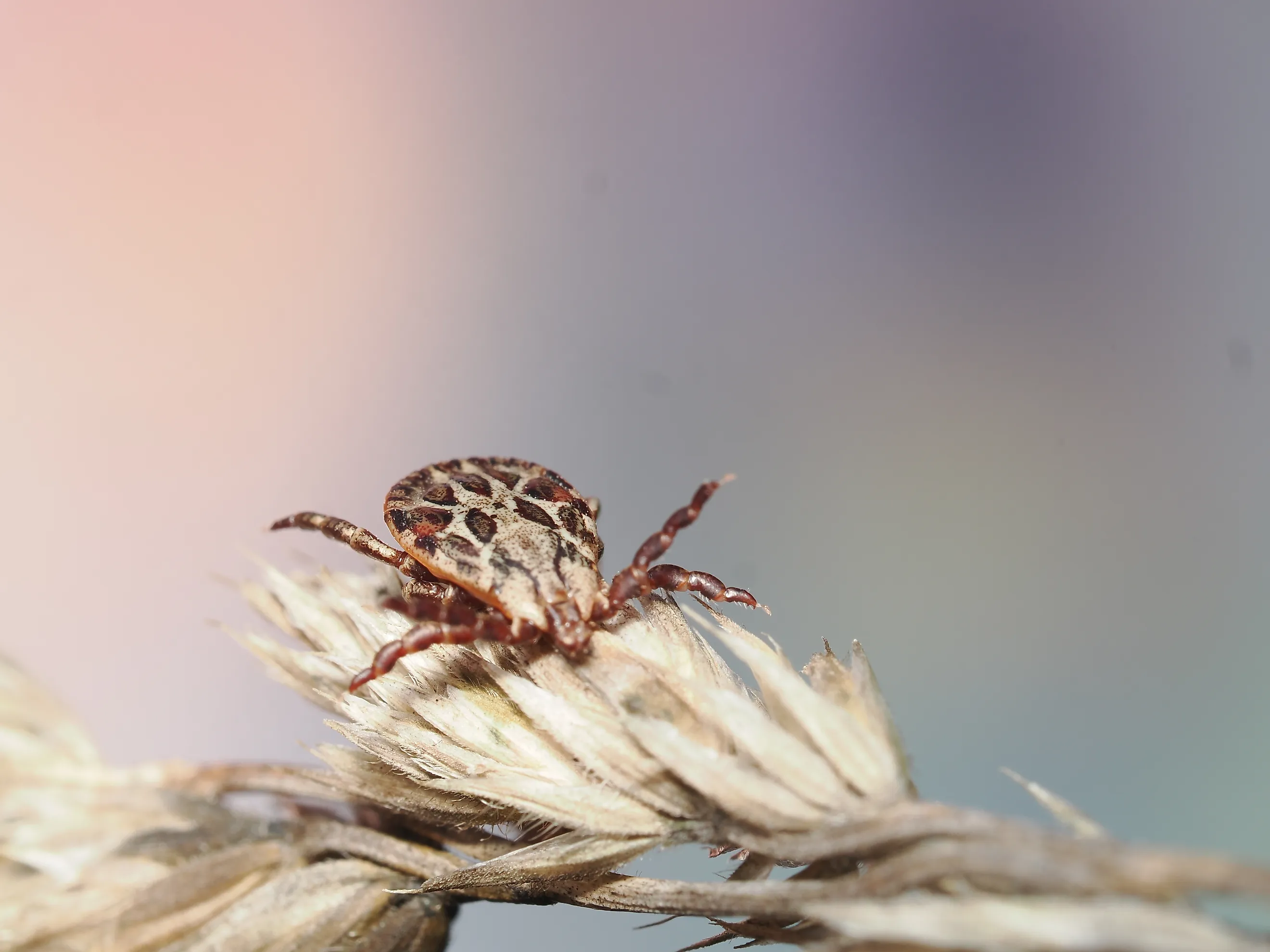
6 Tick-Infested Areas on the Gulf Coast
The Gulf Coast's warm climate, abundant year-round vegetation, and other diverse wildlife create favorable conditions for ticks across the southern states of Texas, Louisiana, Mississippi, Alabama, and Florida. Several different species actually occur in the region, namely lone star ticks, Gulf Coast ticks, and American dog ticks. Risk for humans varies considerably by habitat, with wooded trails, tall grass, wetlands, and forest edges generally presenting more exposure than developed beaches or urban areas. This list identifies the specific Gulf Coast locations where tick-friendly habitat is particularly extensive, focusing on parks, refuges, preserves, and other natural areas that tend to draw people in for their scenery and recreational appeal.
Galveston County, Texas

Galveston County is a particularly relevant tick hotspot right along the Gulf Coast because its swathes of coastal prairies, marshes, brush, and undeveloped land provide habitat for more than one tick species. Gulf Coast ticks are especially well established in this portion of coastal Texas, where they commonly occur in grassy and brushy zones and like to feed on larger mammals.
The county's barrier islands and mainland prairies also support white-tailed deer, feral hogs, and other wildlife that can transport ticks through suitable territory. Knowing that, Gulf Coast ticks can transmit Rickettsia parkeri, which causes a spotted-fever illness in humans. Lone star ticks are also found throughout southeastern Texas and can bite humans readily, potentially passing on Alpha-gal syndrome, the affliction that could make you allergic to animal products.
Risk is highest away from developed beach areas, particularly around brushy trails, grasses, and lesser developed properties. Visitors exploring areas around Galveston Island, Jamaica Beach, and the mainland's coastal prairie should take precautions during periods of high tick activity, often in the warmer months.
Jackson County, Mississippi

Jackson County forms part of Mississippi's coastal zone and contains a mix of pine forests, marshes, swamps, and dense foliage that provides ample habitat for ticks. Lone star ticks are widespread across the state and are particularly associated with brush, forest edges, and areas containing deer and other wildlife near popular trails. Gulf Coast ticks also occur along the area's southern plains, favoring grassy and brushy spaces as usual.
This county's undeveloped areas around the Pascagoula River, Escatawpa River, and the extensive wetlands west of Pascagoula provide even more suitable tick dwellings than heavily developed sections of the coast. And again, feral hogs and white-tailed deer are common local hosts for resident ticks, while smaller mammals and birds can carry them in immature stages.
Outdoor exposure is most likely during activities involving proximity to tall grass, brush, leaf litter, and forest borders, particularly away from busier beaches and paved recreation areas.
Bon Secour National Wildlife Refuge, Alabama

Bon Secour National Wildlife Refuge hosts more than 7,000 acres on Alabama's Gulf Coast, protecting scenic coastal dunes, maritime forests, scrub, wetlands, and freshwater habitats west of the Gulf's shores. Its high levels of vegetation and abundant wildlife create excellent conditions for ticks, particularly lone star ticks, which have become very common across southern Alabama.
Deer, raccoons, and other wildlife act as local hosts that help maintain tick populations throughout the refuge, with the highest exposure risk occurring away from open beaches, especially along vegetated trails, brushy margins, and areas where wildlife thrives in relative peace.
Moreover, the refuge's Jeff Friend Trail and Pine Beach Trail pass through habitat where visitors frequently report ticks during the summer months. With that, anyone hiking local trails should definitely check clothing and exposed skin after leaving areas of dense foliage.
Cameron Parish, Louisiana

Cameron Parish occupies Louisiana's southwestern shore and boasts the usual marshes, prairies, brush, and wetlands typical of the Gulf states where ticks can thrive and multiply with ease. The area is particularly relevant for Gulf Coast ticks, which are established throughout much of southern Louisiana and tend to occur in grass-blanketed terrain frequented by livestock and wildlife.
Lone star ticks are also commonly sighted in this part of Louisiana, with exposure to these bloodthirsty arachnids more likely around trails adjacent to tall grass, wooded edges, and dense brush than on open stretches of beach.
Cameron Prairie National Wildlife Refuge and surrounding areas in fact contain thousands of acres of wilderness, although the marsh-dominated terrain here varies considerably in its suitability for different tick species. But visitors hiking, hunting, fishing, or working outdoors anywhere in Cameron Parish should check themselves and their clothing for ticks afterward.
Big Cypress National Preserve, Florida

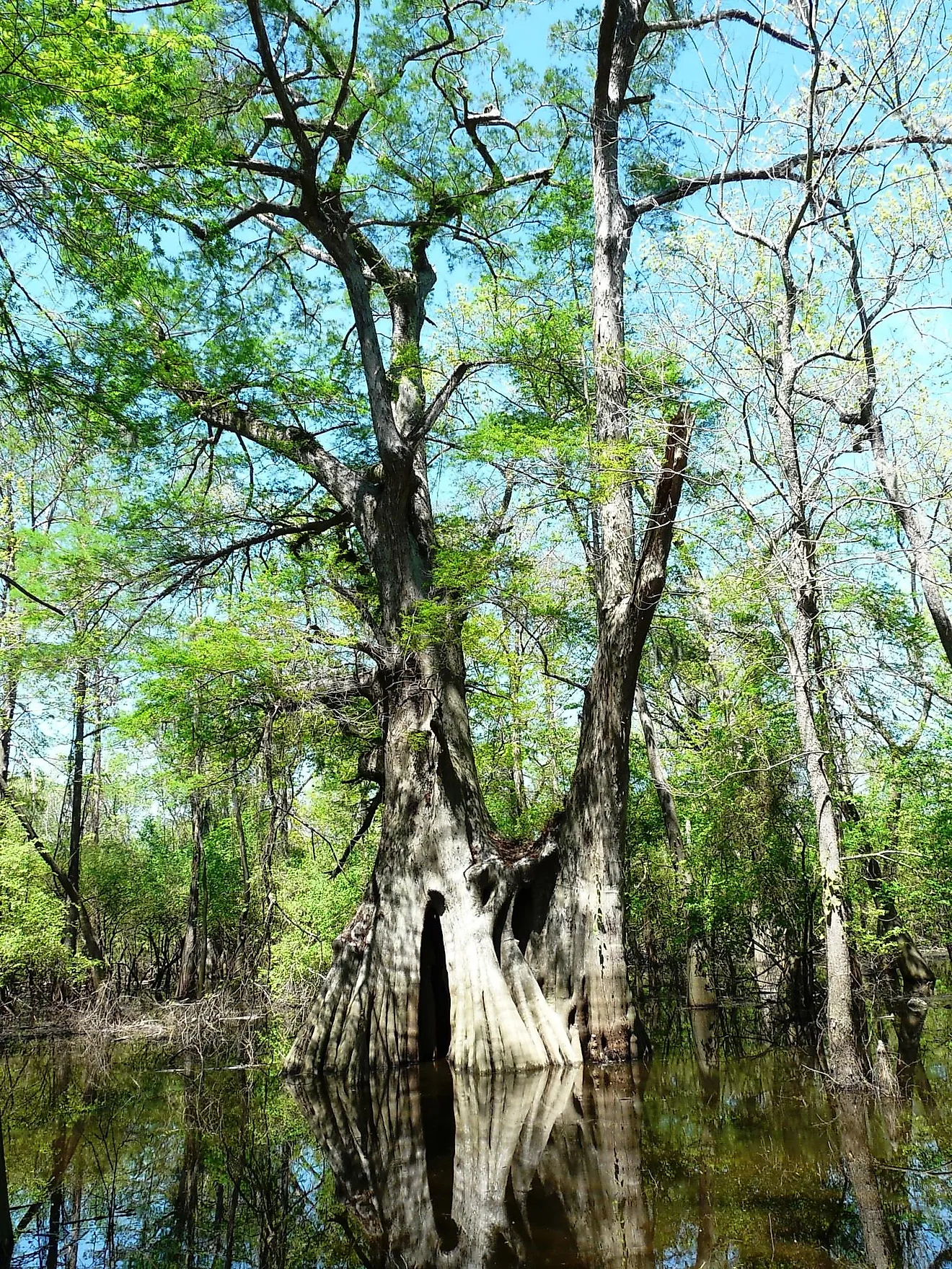
Big Cypress National Preserve encompasses about 729,000 acres of cypress swamps, wet prairies, pine forests, and hardwood hammocks towards the bottom of the Florida peninsula between Miami and Fort Myers, creating plenty of viable dwellings for ticks near highly populated areas. Lone star ticks especially occur throughout this section of Florida. Moreover, American dog ticks and Gulf Coast ticks tend to occur in high numbers in the region, too.
Wild hogs, deer, raccoons, other mammals, and even reptiles like American alligators and snakes all provide ample hosts for different stages of the tick life cycle in and around the park. For people, trails such as the Florida National Scenic Trail and sections of the Loop Road pass through certain spaces where tick run-ins are more likely than in border areas around the preserve.
The area's warm climate allows tick activity during much of the year, with conditions varying by species but staying somewhat consistent in spring, summer, fall, and winter. Regardless of when you visit, hikers should pay particular attention after walking through any grasslands and woodlands here.
Gulf Islands National Seashore, Mississippi

The Gulf Islands National Seashore stretches along Mississippi's barrier islands and mainland coast, with sections of Horn Island, Petit Bois Island, and Davis Bayou providing tons of pristine habitat. Although the open beaches themselves are less suitable for ticks, the seashore's selection of maritime forests, scrub, dunes, and grassy areas can indeed house lone star ticks and Gulf Coast ticks.
Just as many places across the Deep South have, resident mammals like deer, raccoons, rodents, and other wildlife serve as carrier species for these pesky arachnids, helping sustain tick populations particularly in vegetated areas. Davis Bayou near Ocean Springs contains especially high levels of foliage and forestlands, making it more relevant for tick exposure than the exposed shoreline, as said before.
Be Tick-Smart While Exploring these Coastal Areas
Ticks are clearly a widespread concern across the Gulf Coast's states, particularly in natural areas that are highly vegetated and host abundant wildlife. Especially be on the lookout for lone star ticks and Gulf Coast ticks, so consider wearing longer clothing when possible, checking clothing and skin after outdoor activities, using tick repellent, staying on maintained trails, and using all other appropriate tick precautions to reduce the likelihood of potentially dangerous bites.