The State Parks Where Rattlesnakes Stay Active Into October
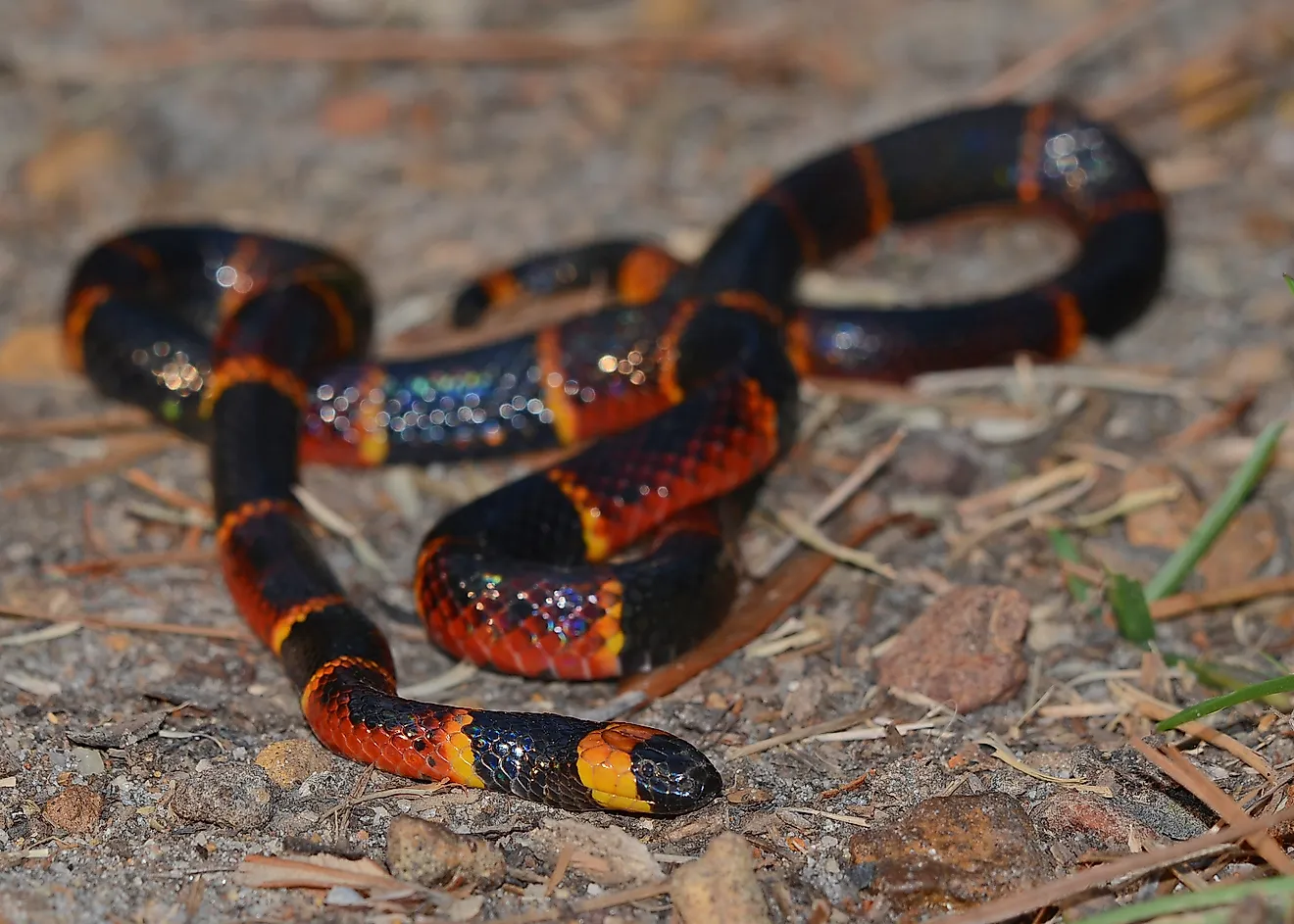
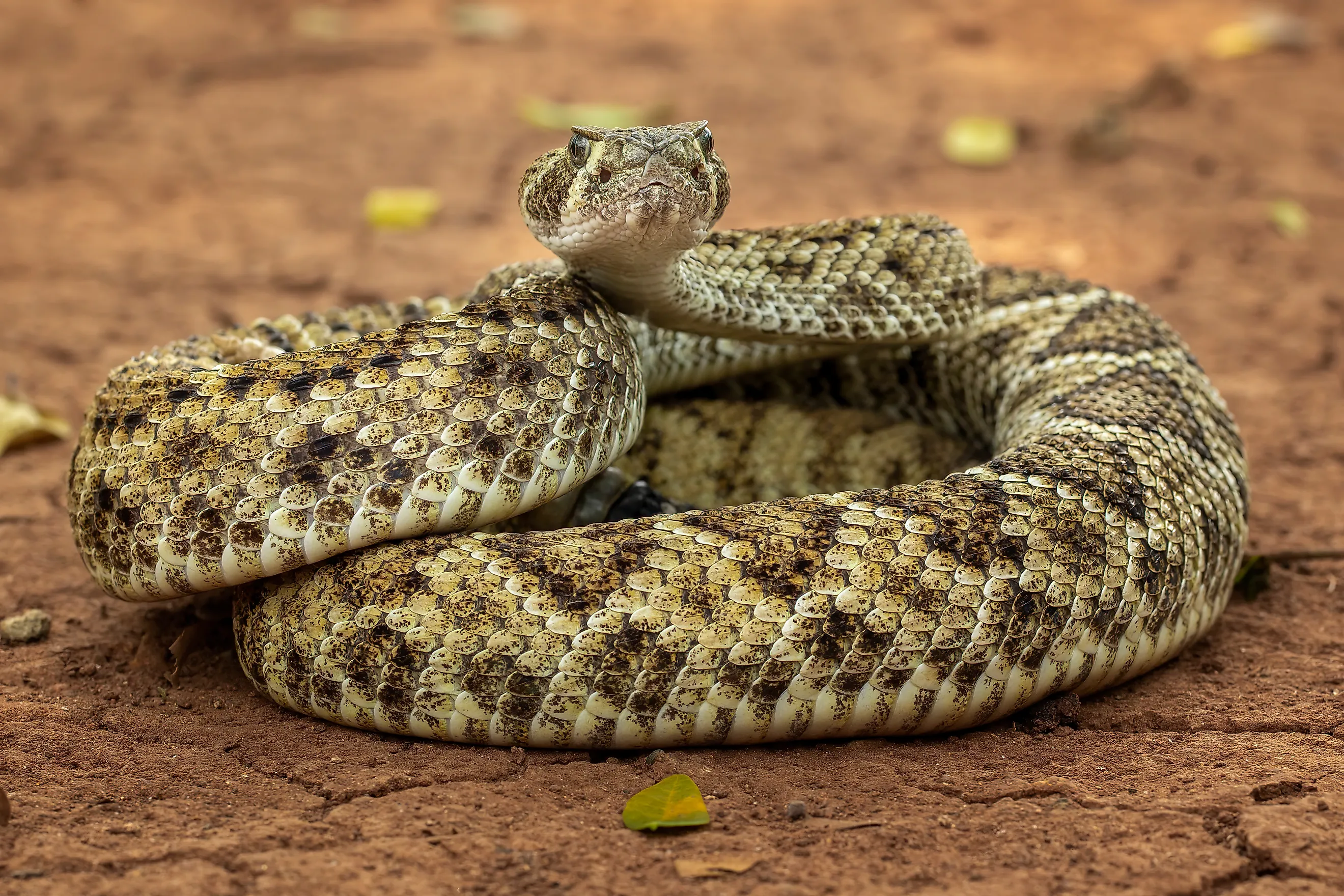
Although it's not a month commonly associated with these cold-blooded critters, rattlesnakes can remain active well into October across the American Southwest, Florida, and even parts of the Midwest. Pockets of warmer weather allow them to continue hunting, basking, and searching for mates, while this time of year also means increased movements toward winter shelters. In fact, eastern diamondback snakes tend to breed mainly during fall, and desert species like them gain more opportunities to move in general, as extreme summer heat subsides. On the other hand, in colder northern regions, activity becomes increasingly dependent on unseasonably mild afternoons. But wherever you are, state parks around the country that feature rock-covered slopes, pine woodlands, and sheltered ridges will likely boast active rattlesnakes in some manner long after the summer hiking season ends.
Chino Hills State Park, California

Frequent warm spells in October can keep rattlesnakes active at Chino Hills State Park in southern California, where fall does not immediately end suitable conditions for basking and hunting. Southern Pacific rattlesnakes are the species visitors are most likely to encounter, although red diamond rattlesnakes also inhabit the park. These venomous predators feed on the area's abundant rodents, helping regulate populations of small mammals across the grassy hills and brushy slopes sitting directly beside a number of residential neighborhoods.

Cooler nights can still restrict movement, while sunny days allow resident snakes to warm themselves on exposed ground. Activity therefore depends on the weather rather than a fixed seasonal cutoff. Regardless, when on a trail, watch the ground ahead and avoid stepping in or letting your pet get in thick vegetation where smaller wildlife is difficult to see. Park staff also advise stopping when a rattlesnake blocks the route and waiting for it to leave. If it remains, turn back and notify an employee if possible instead of attempting to move it.
Palo Duro Canyon State Park, Texas

Miles of canyon walls provide rattlesnakes with both shelter and hunting grounds at Palo Duro Canyon State Park. Their prey includes the Palo Duro mouse, a rodent restricted to three Texan counties that likes to shelter in crevices inaccessible to many other predators. With that, the thick-bodied western diamondback rattlesnakes are among the main predators in the park, recognizable by their diamond-patterned backs and contrasting black-and-white tail bands.

Although primarily visible during Texas' often sweltering summer months, visitors in October can still easily catch a sighting on particularly warm days as the snakes approach their winter dormancy period. Exposed rock surfaces around practically every corner here offer places to bask, while equally abundant cracks and underground retreats provide protection when temperatures drop. Whether in the canyon or on the rim, the park's diverse blend of prairie, brush, and wooded canyon bottom further creates highly varied feeding habitat within a relatively small area.
When hiking in Palo Duro, always inspect craggy spots before placing your hands or feet down, and keep away from especially deep crevices. Moreover, a cool morning should not be taken as assurance that snakes will remain inactive all afternoon, as temperatures can rise quickly in this desert-like region.
Brown County State Park, Indiana

Brown County State Park protects a significant population of timber rattlesnakes, an endangered species in Indiana whose remaining strongholds include the wooded hills of Brown County. Mid-October falls at the end of their active season, when mild conditions can permit movement before they settle into winter dens. Within this park (and like in many other places across the United States), they favor dry, rocky ridges, this time beneath a landscape of mature oak and hickory trees. They then use the small openings in these forests to catch sun rays during daytime to regulate their body temperature.

These heavy-bodied snakes usually wait motionless for prey, making them difficult to notice against fallen leaves. Local research has documented a diet of eastern chipmunks, gray squirrels, and birds. But after enough feeding for the year, their survival then depends on returning to familiar overwintering sites, so disturbing or relocating them can have lasting consequences.
If you're stopping by Brown County, you can learn about the species at the park's nature center. When on the trail, however, put your curiosity aside and leave logs undisturbed, and report sightings to staff without approaching or personally handling any snakes.
Lost Dutchman State Park, Arizona

At the foot of the Superstition Mountains just outside of Phoenix, October's cool down can give the numerous local rattlesnakes more opportunities to move above ground after months of extreme summer heat. In fact, Arizona's snake specialists describe autumn as a main period of travel, feeding, and mate searching, with movement often concentrated around morning and evening twilight. At this time, young snakes born earlier in the season may also be dispersing and finding their first meals and dens.

Lost Dutchman State Park more specifically occupies Sonoran Desert habitat near Apache Junction, where western diamondbacks live among rocky slopes and desert scrub. The park's Treasure Loop Trail covers 2.4 miles (3.9 km), giving hikers a nice route through the same mountain foothills where rattlesnakes are common. Campers should expect possible activity after sunset, even when daytime temperatures have eased.
Later in the month, a rattlesnake's journey toward winter shelter becomes increasingly important, and these seasonal movements can frequently bring the species across footpaths and other human-use areas rather than confining them to secluded zones.
Massacre Rocks State Park, Idaho

Volcanic outcrops above the aptly named Snake River make Massacre Rocks State Park suitable habitat for Great Basin rattlesnakes, whose blotched coloring expertly blends with stone and dry vegetation. This month marks their retreat toward winter quarters, although some remain above ground during bouts of favorable weather. Research elsewhere in southeastern Idaho has recorded snakes entering winter dens between early October and even up to November 15 in one study, illustrating how much timing can vary for the species.

But in Massacre Rocks, fractured rock offers the ideal combo of sheltered spaces and plenty of open sunning surfaces these reptiles use. Sagebrush and juniper surround the park's disc golf fairways, too, bringing recreation directly into potential snake habitat. Checking the ground before retrieving a disc from brush is therefore worthwhile even after summer ends.
Visitors following remnants of the Oregon Trail will encounter another aspect of the same terrain. Expect to see the volcanic formations and enormous boulders shaped or transported by the prehistoric Bonneville Flood: spaces that snakes and other reptiles frequent for their variety of ideal hiding places.
Valley of Fire State Park, Nevada

A speckled rattlesnake resting beside Valley of Fire's sandstone can be difficult to distinguish from the surrounding rock. The park's wildlife guide identifies this resident as an ambush predator whose mottled coloring helps conceal it while waiting for small mammals, birds, and lizards. In terms of diet, desert woodrats and antelope ground squirrels help sustain these snakes in a landscape that can initially appear almost devoid of wildlife.

October remains well within Nevada's main rattlesnake activity season, which the Nevada Department of Wildlife places between March and late October. Valley of Fire's Mojave Desert climate also brings mild winters when compared to the scorching summers here, so fall weather does not immediately force every snake underground during this time.
Human sightseers, of which there are usually many in this natural attraction close to Las Vegas, exploring the brilliantly red sandstones here should pay attention to shaded ledges and the bases of boulders, especially before sitting down or placing a hand beyond view.
Paynes Prairie Preserve State Park, Florida

Paynes Prairie Preserve State Park.
In this subtropical parkland, October overlaps with the eastern diamondback rattlesnake's fall breeding season. Paynes Prairie Preserve also houses dusky pygmy rattlesnakes, commonly recorded in its flatwood areas. Males searching for females may travel beyond their usual hunting spots, making this more than just a simple period of lingering activity before winter commences.

The preserve's wildlife inventory records eastern diamondbacks more so in upland pine habitat and hammocks. These terrestrial snakes find suitable cover around palmettos, fallen timber, and mammal burrows, while rabbits and rodents provide the most common meals.
Florida's extended warmth allows feeding and movement to continue for several of Paynes Prairie's predatory reptiles well into fall. Consequently, the wooded and grassy habitats surrounding the prairie deserve attention from visitors who might associate the preserve mainly with American alligators. Moreover, gopher tortoise burrows can serve as winter refuges for local rattlesnakes, linking their survival to another native species in a more communal way.
Remain Aware of Snakes in these State Parks this Fall Season
An autumn visit to any of these state parks calls for the same awareness around rattlesnakes as a summer hike would. While the crisper weather can make exploring more comfortable, the need to watch your surroundings is still there. Stay on established trails, check before reaching into brush or rock gaps, and give any snake you come across room to leave without being cornered. Above all, these places protect a plethora of animals whose seasonal routines continue beyond the busiest months.