Why Water Moccasins Show Up On Docks And Boat Ramps In Fall
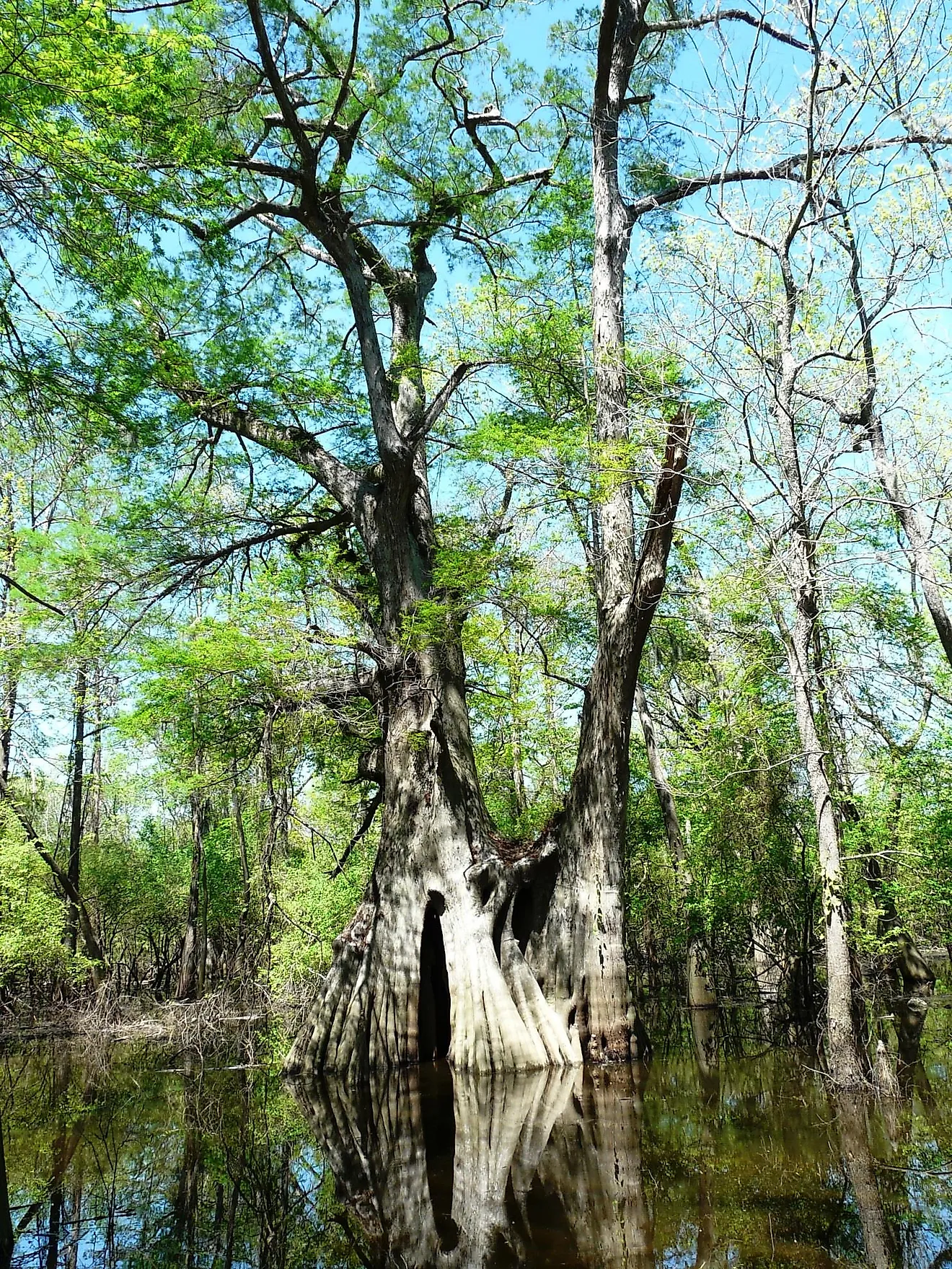
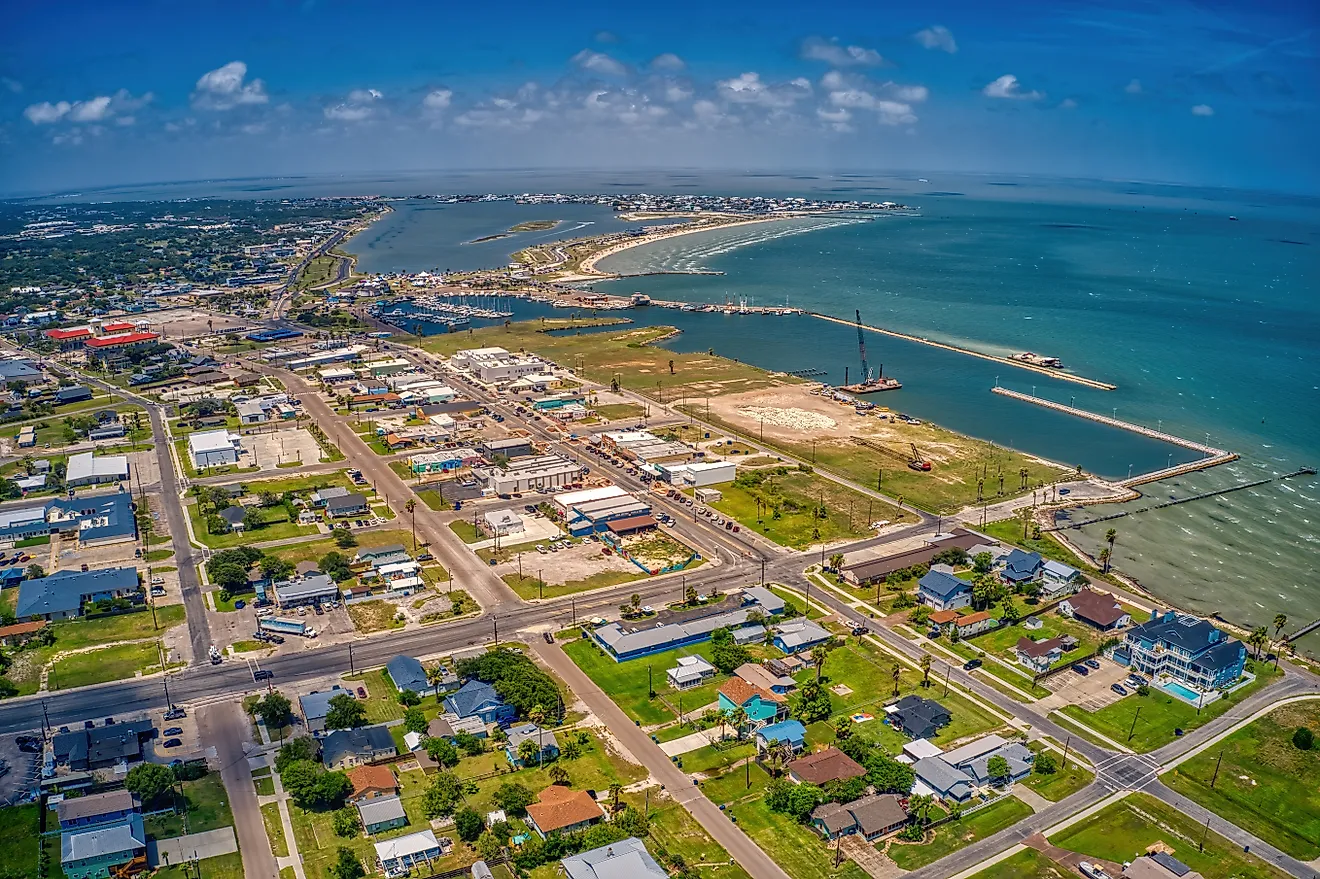
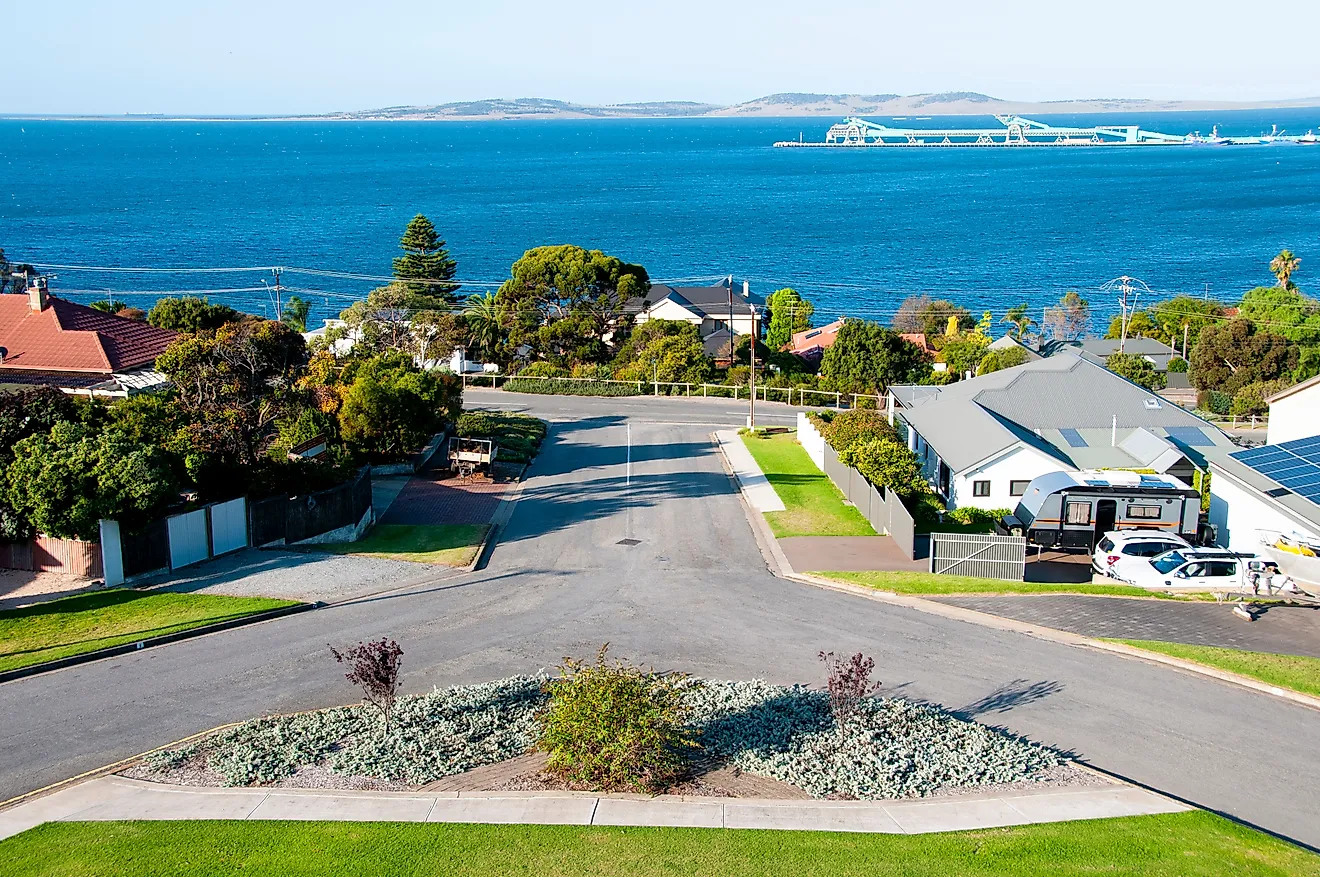
Georgia's wildlife agency makes a point that surprises most lake users. Cottonmouths generally shy away from large open reservoirs. They want sheltered shoreline with cover, and on a developed lake the places still offering it are the riprap around a boat ramp, the shaded water under a dock and the brush at the edge of a marina. Autumn makes those spots busier, because falling water levels squeeze the shoreline band tighter while the snakes are moving overland to winter dens. The ramp is not attracting them. It is one of the last things on the lake that suits them.
They Are Leaving The Water

The strangest thing a water moccasin does all year happens in autumn, and it explains the seasonal spike.
Across a range running from southeastern Virginia to south Florida and west to central Texas, cottonmouths migrate out of lowland wetlands during October and November and travel overland to upland wooded bluffs, rocky hillsides, crayfish burrows, rotting stumps and mammal burrows. They return to the water in spring.
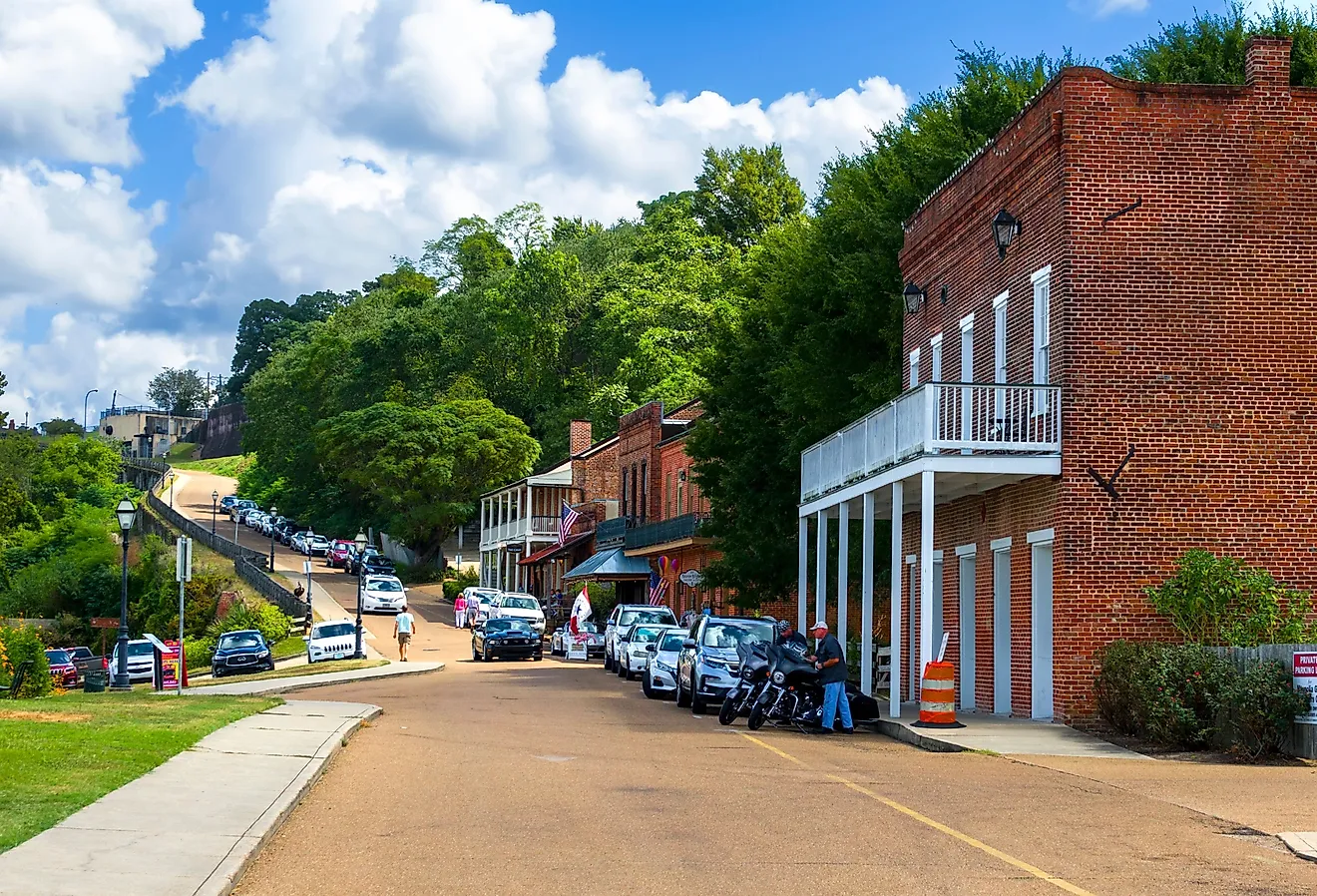
A boat ramp is a cleared, graded corridor running from the water to dry land. For a snake crossing from a wetland to a hillside, it is the only break in the vegetation for a considerable distance.
Autumn Drawdown Compresses The Shoreline

The second mechanism is about the lake rather than the snake, and it applies to nearly every reservoir in the South.
Water levels drop through autumn as irrigation and flood-control operations draw reservoirs down for winter. That pushes the usable shoreline band into a narrower strip, concentrating the snakes that were spread along it.
Sightings climb around boat ramps and popular fishing banks precisely when levels change, because the same number of animals is using less edge, and the edge that remains is where people are standing.
Riprap Is Built For Them

The loose rock armoring placed around ramps, dams and eroding banks is close to purpose-built habitat, and that is not a figure of speech.
It holds the day's heat into the evening, which matters more as nights cool. It provides endless crevices for cover. It shelters the frogs, small fish and rodents cottonmouths eat. Warm rock also works in the snake's favor directly, because pit vipers hunt using facial pits that detect minute temperature differences, and a warm-blooded animal against cooling stone is an easy target.
The ramp also happens to be where people unload gear, handle ropes and let children run ahead, which is why these particular square meters generate the reports.
The Fish Cleaning Station Is A Buffet

One dock feature draws animals in more than the rest, and nobody thinks of it as habitat.
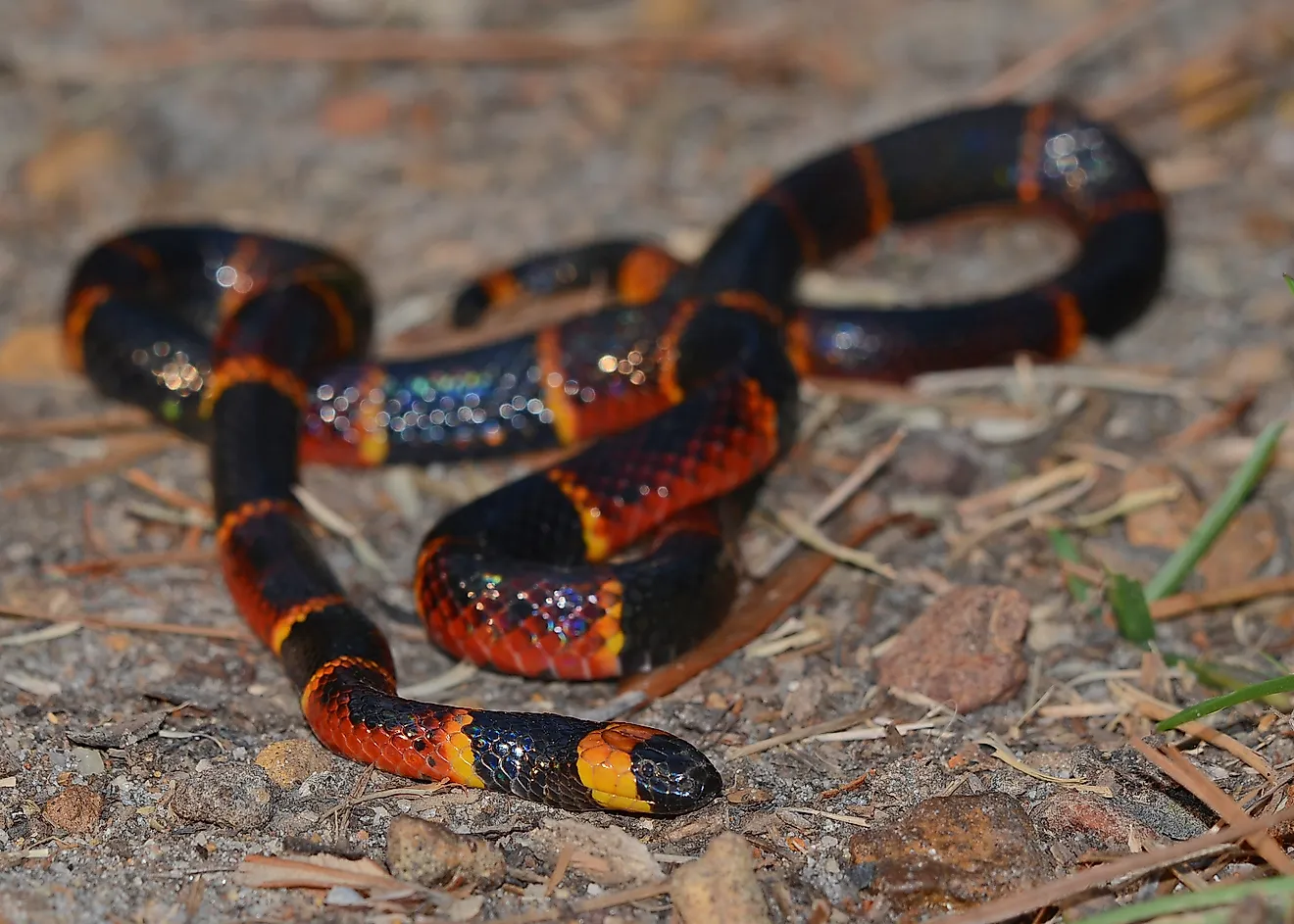
Fish scraps attract scavengers, which attract the small animals a cottonmouth hunts. So do bait buckets, discarded cut bait and anything left overnight. The species is a true generalist, taking fish, frogs, crayfish, small mammals, birds, lizards, turtles and other snakes, including smaller cottonmouths.
Lumber, cinder blocks and general clutter stacked near the water make it worse, creating shaded pockets exactly where people step out of boats.
How It Swims Tells You What It Is
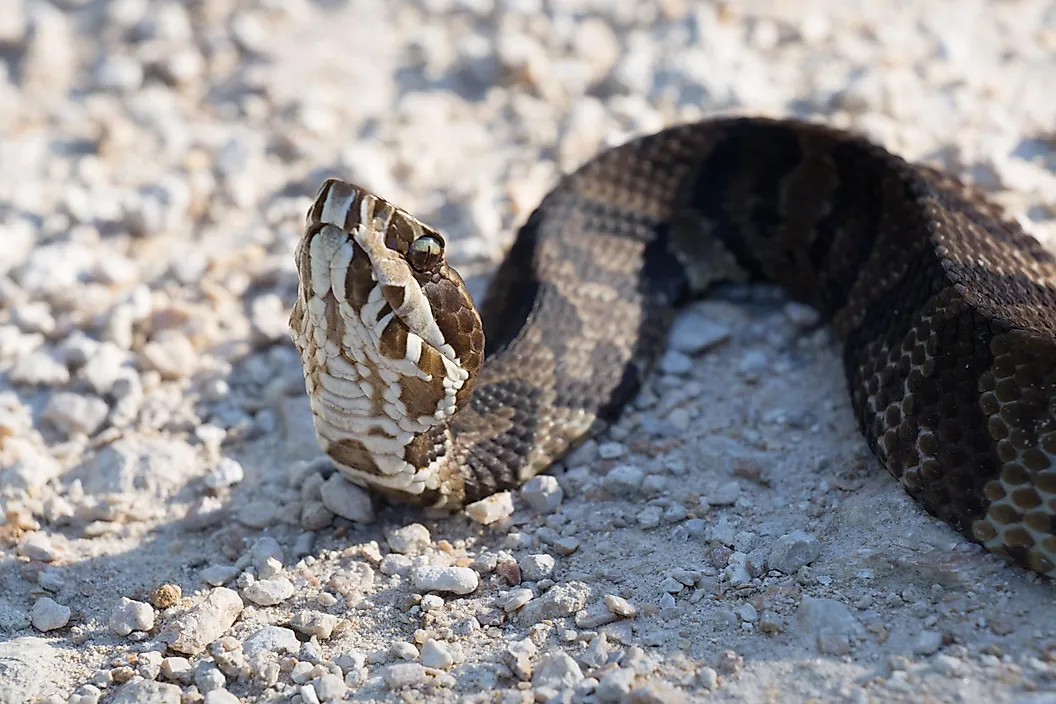
This is the single most useful identification detail for anybody standing on a dock, and it works at a distance.
A cottonmouth swims with its head up and its body riding on top of the surface. A harmless watersnake swims with most of its body below the surface and only the head showing.
Buoyancy is doing the work rather than intent, and it is far easier to read from twenty feet away than head shape or pupil shape. Most of what people see crossing open water is a watersnake.
A Snake In The Branches Is Probably Harmless
The second tell is about elevation, and it is just as reliable. Cottonmouths rarely climb. Watersnakes typically do, and will stretch out along branches overhanging the water, which is why a snake directly above a dock or dropping into a boat from a limb is almost never a cottonmouth.
Cottonmouths bask on logs, stumps and stones at the water's edge, essentially at surface level. Height is a good indicator of harmlessness.
They Rarely Strike

The reputation and the research do not match, and Georgia's wildlife agency says so in print.
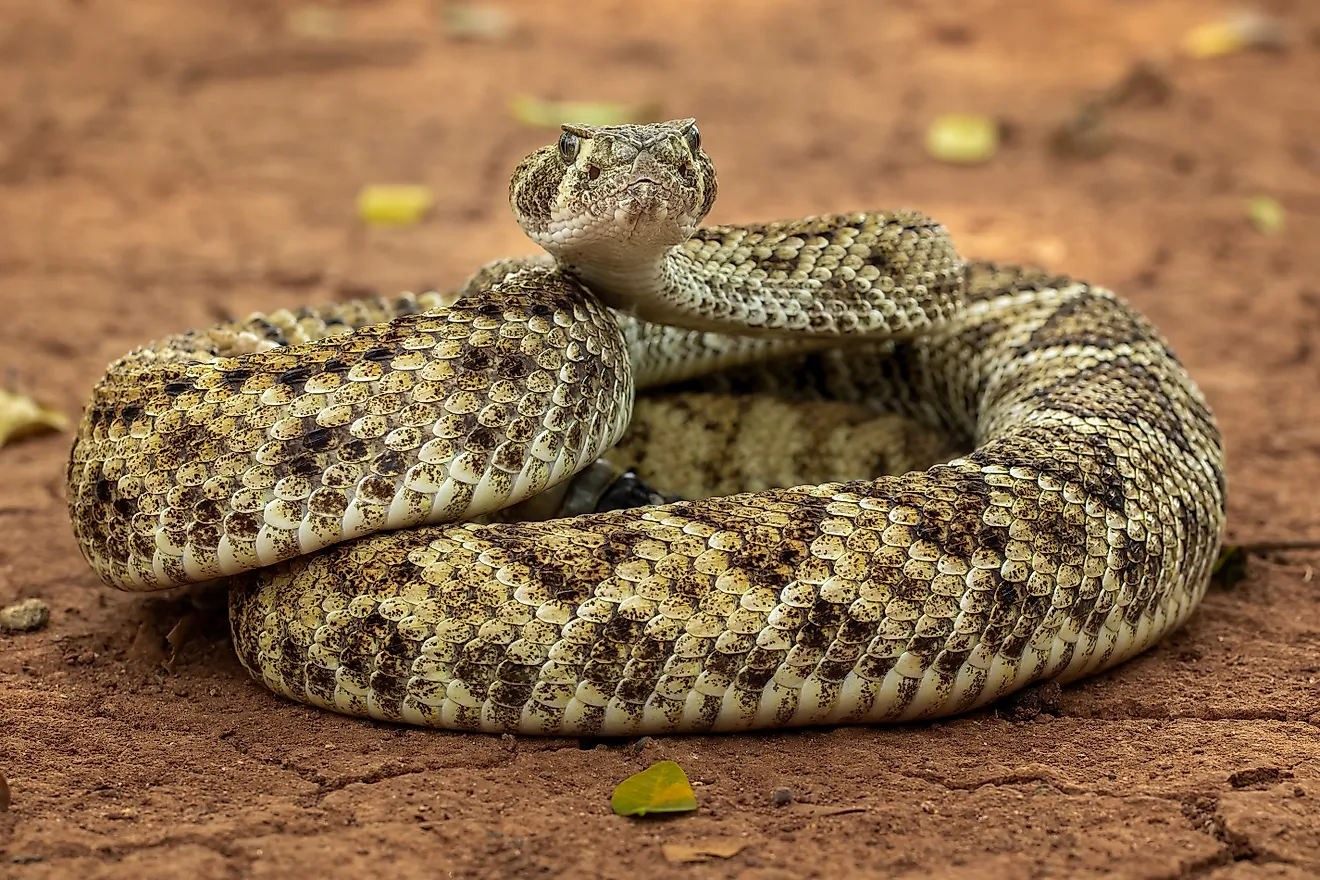
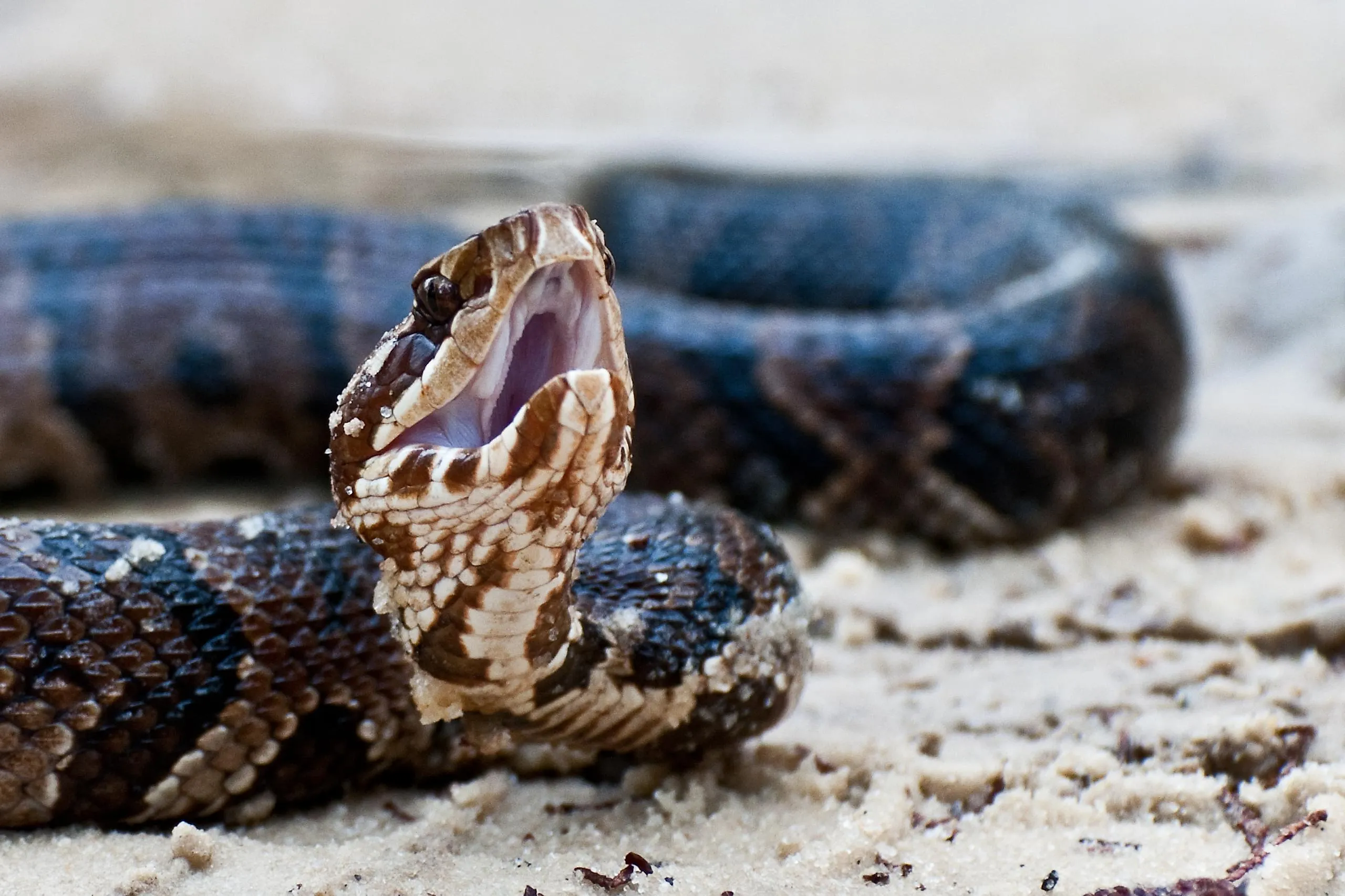
Research has demonstrated that this species rarely strikes defensively, even when handled. The gaping display it is named for is a warning rather than an attack, and it sits inside a sequence running through tail vibration, body flattening and a release of foul musk before any strike is attempted.
The agency also notes the widespread habit of killing any snake in the water just in case, which accounts for a great many dead watersnakes and very few cottonmouths.
Autumn Adds The Juveniles
Litters arrive in the same window as the migration, which roughly doubles the number of animals on the move. Cottonmouths give birth between August and October in litters of three to fourteen. Newborns are nine to ten inches long, strongly banded, and carry a yellow tail tip they wiggle to lure frogs and small fish.
Juveniles ambush amphibian prey from open sites around wetland edges, which is a precise description of a boat ramp. Adults forage more actively across varied habitat. The young are venomous from birth and small enough to go unnoticed on wet concrete.
Night Is When They Work

The timing of encounters follows the animal's own schedule, and that schedule shifts in autumn. Cottonmouths are most active at night through the warm months, basking by day and foraging after dark. As temperatures cool they shift back toward daytime activity, which is why autumn produces more daylight sightings than midsummer does.
Anybody loading a boat at dusk in October is working the overlap, with daytime baskers still out and nocturnal foragers beginning to move.
What Actually Reduces The Encounters

Because the draw is cover and prey rather than the structure itself, the fixes are mostly about tidiness.
Keep shoreline access areas clear of lumber, blocks and junk that create shade pockets. Clear debris, brush piles and low overhanging cover from the margins of a dock or ramp. Dispose of fish scraps away from where people walk. Carry a light after dark and look before putting hands on riprap or stepping into shoreline weeds.
If you see one, give it room. A cottonmouth that has been noticed and left alone generally stays where it is.
The Short Version

Water moccasins show up on docks and boat ramps in autumn because they are migrating overland to upland dens, falling water levels have compressed the shoreline into a narrower band, that year's young are dispersing, and riprap and dock structure supply warmth, cover and prey in one place.
They avoid large open water and favor exactly the sheltered edges a ramp preserves. And most of what gets reported is something else, because a snake swimming with its body under the surface, or stretched along a branch above your boat, is a watersnake.