5 Snake Hotspots In Florida
Florida, in many ways, is a typical southern state when it comes to its wildlife and landscapes, hosting vast, temperate swamps that are perfect for reptiles like snakes to thrive in. With that in mind, there are countless hotspots within its borders that are particularly infested, generally surrounded and protected by state or national parklands.
Should you want to catch a glimpse of these slithery creatures today, here are five places in the Sunshine State where run-ins with snakes can be expected on both land and water. We will also provide some personalised tips for how to responsibly go about travelling in these destinations, as well as basic info on local snake behaviour.
Everglades National Park

Everglades National Park is one of America's most prolific reptile hotspots due to its vast wetlands, warm climate, and strongly protected biodiversity. Sitting just outside of Miami, the park’s notable sawgrass marshes, mangrove swamps, pinelands, and hardwood hammocks create ideal conditions for both aquatic and terrestrial snake species in practically every corner, along with countless alligators, turtles, birds, and other critters.
Seasonal flooding concentrates wildlife along higher ground, increasing encounters along trails and boardwalks, and while snake activity peaks during warmer months (especially in the early morning and late afternoon), you should stay on designated paths and remain alert near water sources at all times.

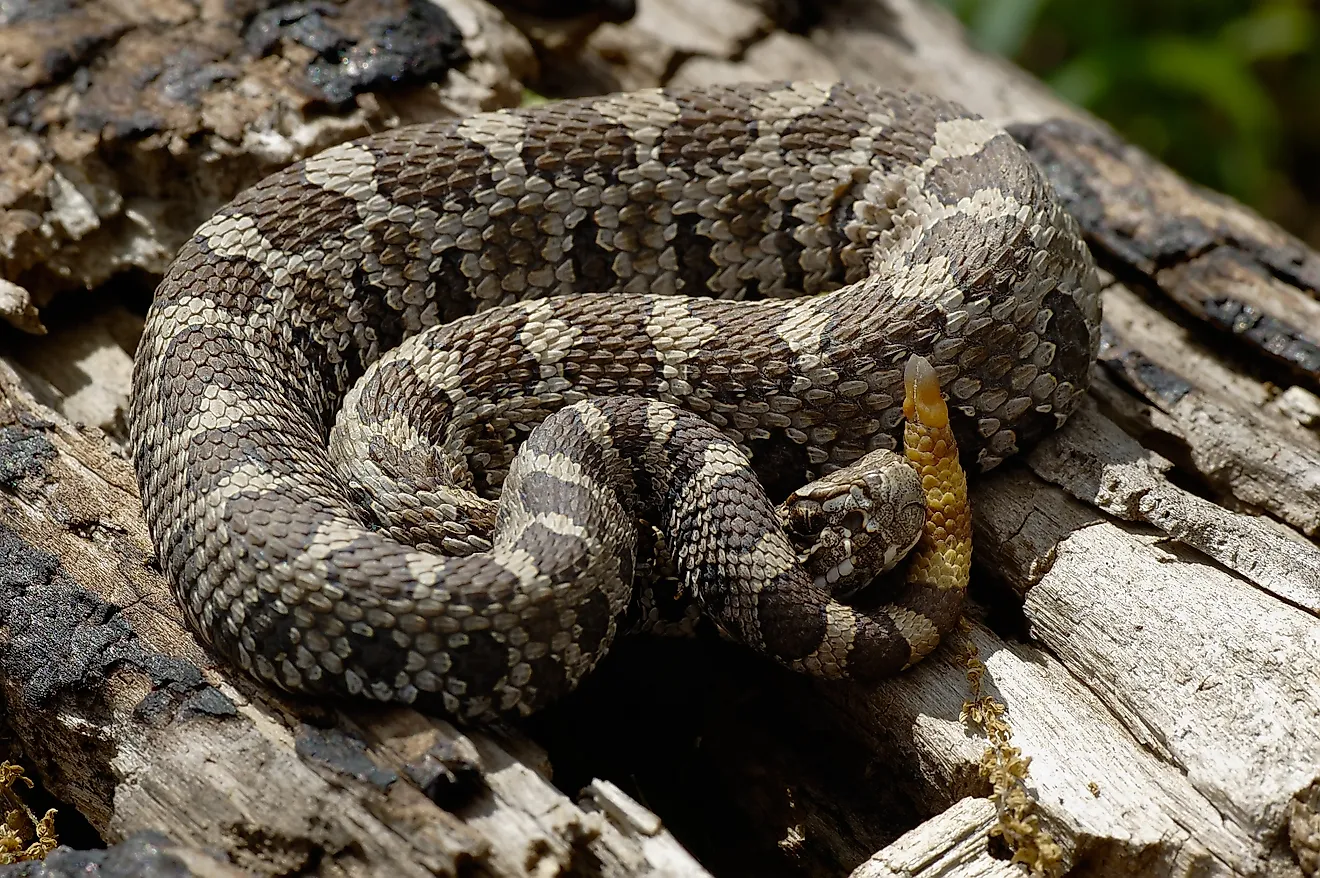
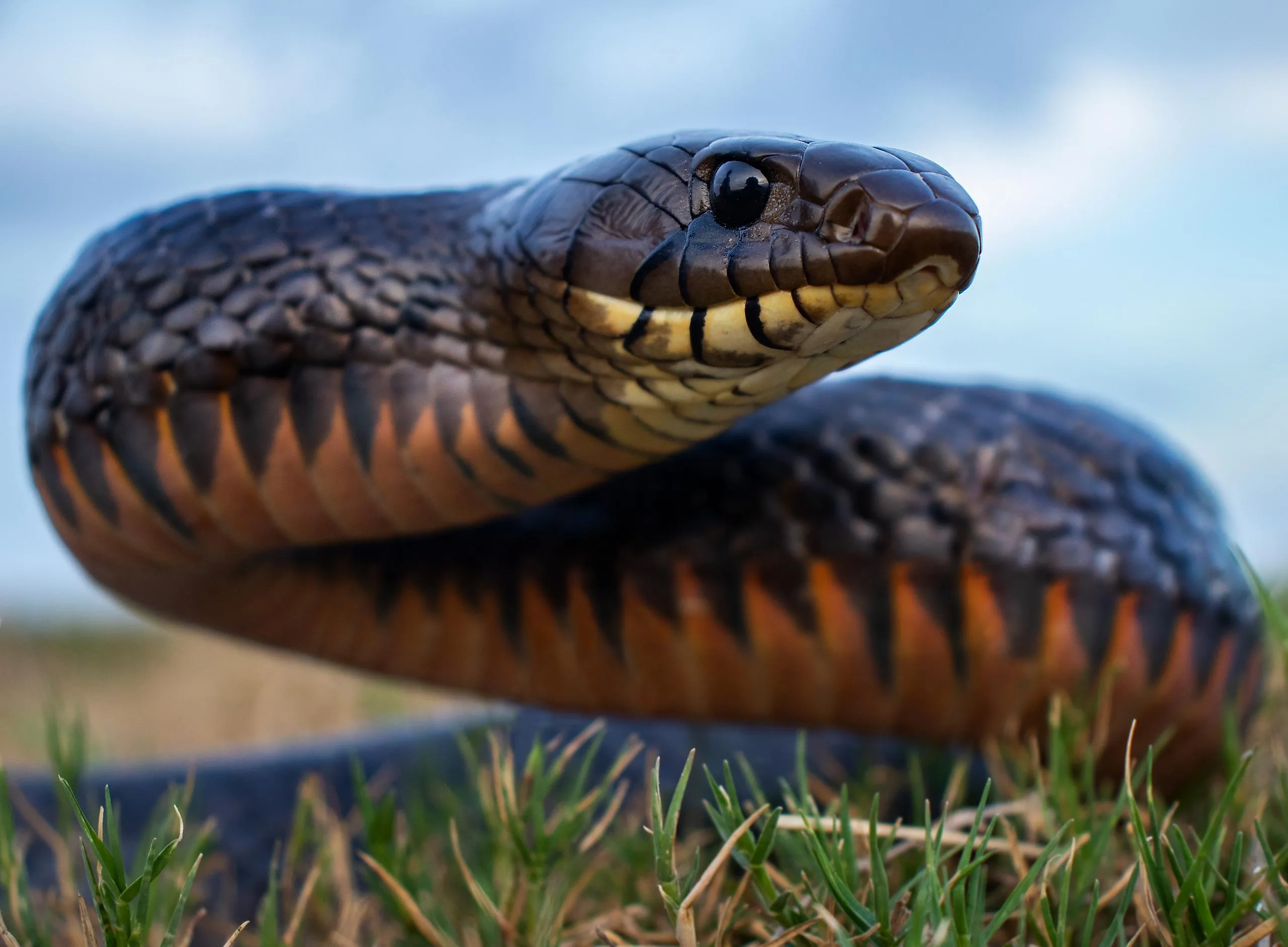
Common sightings include the cottonmouth along canals and slough edges, while eastern diamondback rattlesnake and eastern coral snake are more often found in drier pineland and prairie areas. The park is also a stronghold for the indigo snake, a federally protected species that preys on other snakes. There are also a number of invasive Burmese pythons that several different initiatives over the years have tried to remove completely, to no avail yet.
Big Cypress National Preserve

Big Cypress National Preserve is another prime location for snake enthusiasts, similarly offering a mix of swamp, cypress forest, and prairie habitats that support a wide variety of species. Like many Deep South states, cottonmouths are commonly encountered near local waterways, while eastern indigo snakes roam the drier pinelands, often hunting other snakes as mentioned before. Eastern diamondback rattlesnakes and coral snakes are also present but more elusive, favoring hammocks and high ground. Furthermore, its remote areas also harbor rat snakes, water snakes, and dusky pygmy rattlesnakes.

The preserve’s seasonal rains and subsequent drive snakes to elevated areas, creating many opportunities for park visitors and biologists alike for observation along trails and boardwalks. All visitors are advised to wear protective footwear, remain on established paths, and respect wildlife, as the preserve’s dense vegetation and hidden water channels can conceal snakes until close. Moreover, peak activity occurs in the warmer times of year, especially at dawn and dusk, so try arriving in the afternoon if you wish to avoid them altogether.
Ocala National Forest

Ocala National Forest, stretching across central Florida between Gainesville and Orlando, features a number of snake-friendly habitats like sandhills, pristine woodlands, swamps, and lakes. Eastern diamondback rattlesnakes are found in the drier, sandy regions at higher elevations, while cottonmouths and various water snakes inhabit the forest’s lakes, rivers, and wetlands. Eastern indigo snakes, Florida’s largest native snake, roam freely throughout the forests, too, with wooded spots in the preserve also known to host rat snakes, pygmy rattlers, and corn snakes.

Understand that many snakes mentioned above are non-venomous, but some, like rattlesnakes and cottonmouths, can deliver dangerous bites. Snake activity is highest in spring and summer, and as usual, especially during early morning and late afternoon. Hikers and campers should stay on marked trails and watch the ground carefully in the dark.
Paynes Prairie Preserve State Park

Paynes Prairie Preserve State Park stands out for its sweeping open savannas, marshes, and most interestingly, its concentration of sinkholes, offering a very different snake experience from Florida’s swamps. The park’s mix of open and wooded areas also creates dynamic seasonal patterns, with snakes often moving to the prairie’s raised hummocks during flooding or midday heat.
Here, eastern indigo snakes patrol the grassy expanses hunting smaller snakes and rodents, while pygmy rattlers and corn snakes weave through palmettos and low shrubs. Contrarily, wetlands and shallow ponds draw cottonmouths and water snakes, especially along boardwalks where visitors can watch from a safe distance.

Birdwatchers and wildlife photographers often spot snakes alongside local bison and wild horses as well, making encounters part of the park’s broader wildlife spectacle rather than an isolated event. Better yet, local trails and observation towers give safe vantage points for observing these elusive reptiles while also offering great vantage points for a photo or two of whatever other animals you see wandering about.
Myakka River State Park

Sitting along the Myakka River and its connected lakes just outside of Sarasota, cottonmouths and water snakes are, as one might imagine, common in this park. They are often seen swimming or basking on logs, whereas in the drier pine and palmetto-covered zones nearby, eastern indigo snakes hunt freely, sometimes venturing near hiking trails.

Myakka River State Park's plethora of elevated boardwalks and canopy walkways provides elevated perspectives of the area, letting you observe snakes and other wildlife without disturbing them or having to travel directly on the water. Unlike denser, swampier areas of Florida, the park’s open prairies and scrub areas also allow snakes to move very visibly across solid ground when not in a waterway of some sort, creating opportunities to see both aquatic and terrestrial species in a single visit, regardless of how you travel.
Find Snakes in these Wild Florida Locales Today
These Florida snake hotspots showcase a slice of the state’s sheer ecological richness, offering rare glimpses of both common and elusive species in a variety of different environments. Observing snakes in their natural habitats, whether for science or simply general interest in these creatures, certainly provides insight into their behavior and the ecosystems they inhabit, and with caution/respect, encounters can be memorable, educational, and give a unique way to connect with Florida's wild landscapes.