6 Tick Infested Areas In The Great Lakes
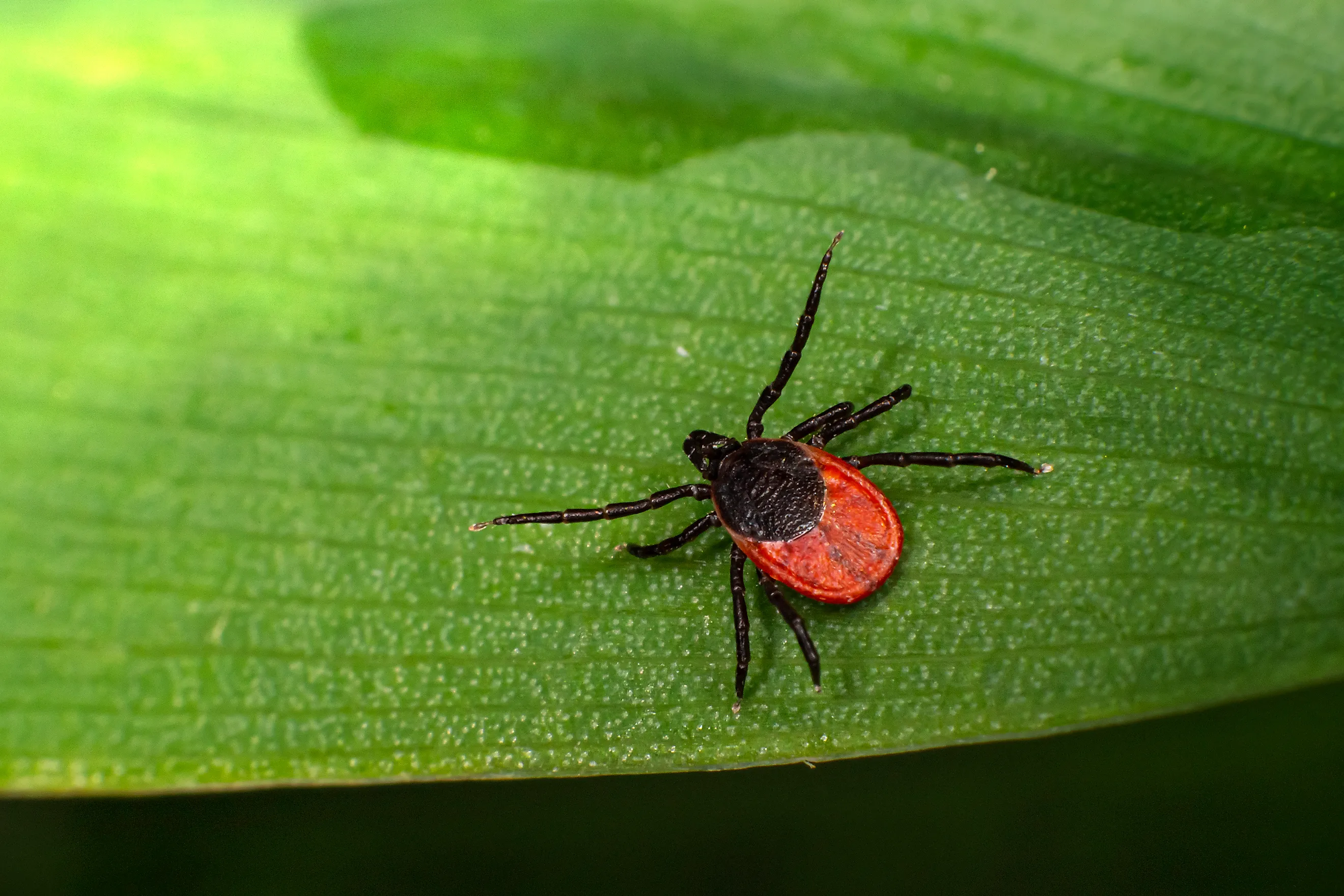
The Great Lakes region is a vast, multinational space filled with lush forests, wetlands, grasslands, beaches, and recreational areas that provide a favorable habitat for ticks three seasons out of the year. Blacklegged ticks (sometimes called "deer ticks") are particularly important because they not only thrive here, but can transmit diseases like Lyme, anaplasmosis, and babesiosis. Their range has also expanded across parts of the Great Lakes states and provinces, increasing the likelihood of encounters for the millions of hikers, campers, hunters, and other people arriving annually. With that in mind, tick activity varies by location, habitat, and season, with spring through fall generally bringing the greatest exposure risks. From the Midwest's Wisconsin and Michigan to Ohio, Indiana, New York, and Ontario, several areas stand out for their combination of tick-friendly habitat, wildlife populations, and high levels of human recreation. See if any of these spots are ones you plan on visiting anytime soon.
Chequamegon-Nicolet National Forest, Wisconsin

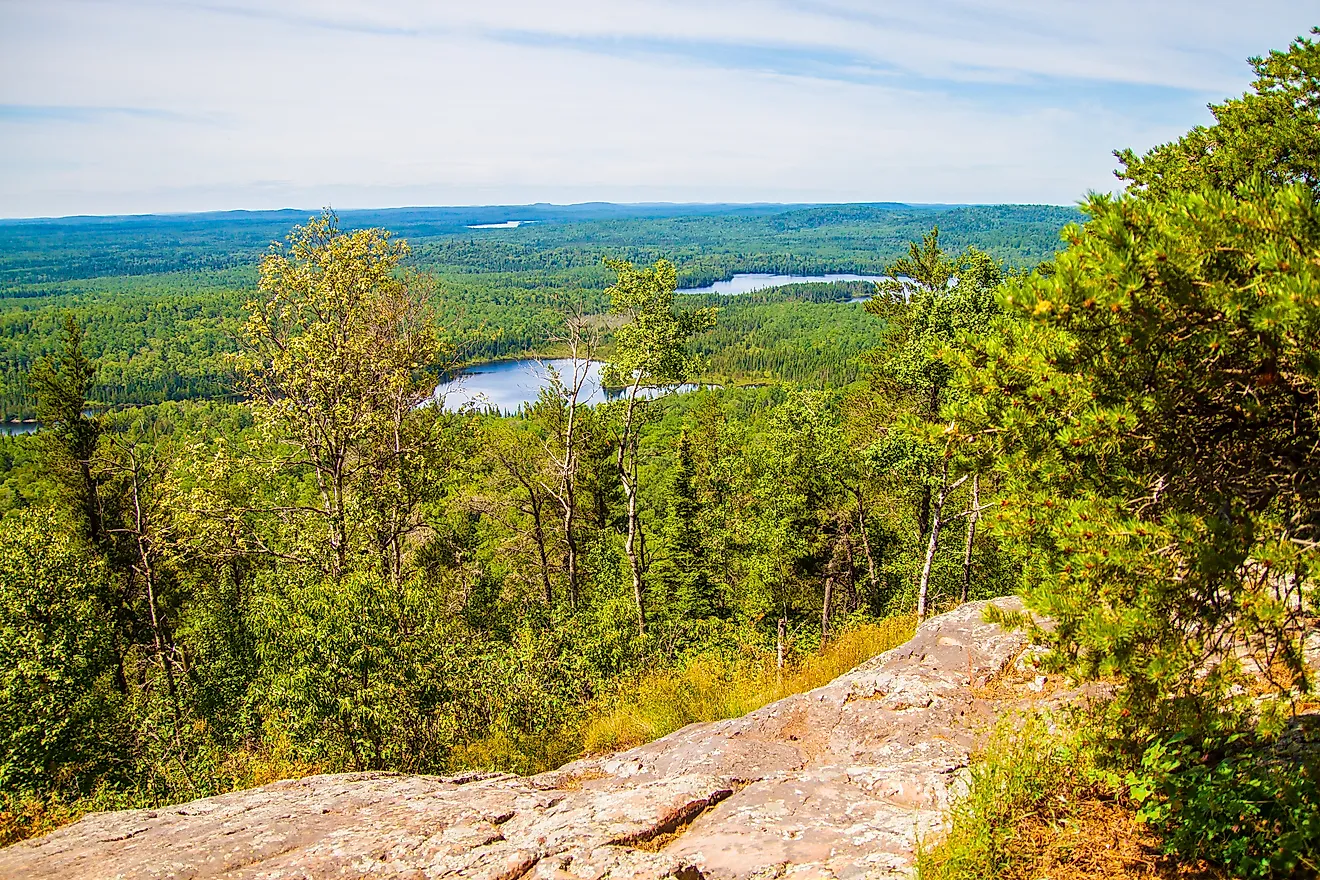
The Chequamegon-Nicolet National Forest is a major tick-risk area in northern Wisconsin, covering over 1.5 million acres of forests, wetlands, lakes, and recreational land. Blacklegged ticks are widespread across this wild part of the state, a species that can spread a plethora of potentially dangerous diseases.

This sizable national forest stretches across 15 counties, creating an area where you can encounter ticks far away from more developed recreation sites, cities, and towns. Dense understory, leaf litter, and brush along trails provide especially suitable conditions in this place.
Its extensive woodland habitat supports white-footed mice, deer, and other animals that further aid in sustaining resident tick populations, with activity generally rising during the warmer months, particularly from spring into early fall, when hikers, campers, hunters, and anglers spend more time here for recreational purposes. Popular destinations such as the Nicolet National Forest's Northwoods trails can therefore carry a higher exposure risk.
Huron-Manistee National Forests, Michigan

The Huron-Manistee National Forests are another notable federally run tick-risk area, this time along Michigan's western Lower Peninsula. It watches over nearly 1 million acres across a broad stretch of forest and recreation land, with blacklegged ticks being the most established species. Throughout Michigan, they are the principal vector for Lyme disease, which is increasingly being reported in the state.

This forest's mixed hardwoods, dense understory, and abundant deer create favorable conditions for ticks and their hosts, and risk can be particularly relevant along hiking trails, campsites, hunting areas, and other locations where vegetation comes into close contact with clothing or skin.
Huron-Manistee reaches near Lake Michigan above Muskegon, extends inland toward Grand Rapids, and stretches east around Tawas City, encompassing popular recreation areas around Baldwin, Cadillac, and Manistee too, all very popular summer tourist stops. Knowing that, tick activity also generally peaks during the warmer months, although blacklegged ticks can remain active whenever temperatures are above freezing. All visitors should check themselves carefully after spending time outdoors in proximity to this dispersed preserve.
Indiana Dunes National Park, Indiana

Indiana Dunes National Park sits along 15 mi of Lake Michigan's southernmost shoreline and contains more than 15,300 acres of marshes, oak forests, prairie, and, of course, dunes, between Gary and Michigan City. Its varied vegetation creates ample living spaces for blacklegged ticks.
Although the lofty, sandy dunes themselves are less suitable for ticks than forested habitat, the park's more wooded ravines and upland can support the pesky critters. Tick activity is most noticeable during the spring and summer months, making spring through fall the key period for anyone stopping by to take precautions.

As said, this park's forested sections away from the waters of Lake Michigan and areas with dense leaf litter are particularly relevant for tick exposure, especially where trails pass through brush or tall vegetation close to footpaths. Deer, white-footed mice, and other wildlife who call these spots home further help maintain local tick populations and should be avoided if possible as well because of that.
With more than 2 million annual visitors, Indiana Dunes National Park is a top-tier Midwestern locale to check out for nature lovers, but definitely a major point of human exposure to ticks in the Great Lakes region, too.
Lorain County, Ohio

A peaceful, countryside location on the south shore of Lake Erie with tons of green space to explore, Lorain County has also emerged as a notable tick-risk area in northern Ohio. Local health officials have even upped the documentation of the spread of blacklegged ticks across it, implementing several preventive measures for those journeying around its parks.

Surveillance by Lorain County Public Health has found numerous ticks in local vegetation, and the agency has tracked their abundance through active collection programs. They've even installed up to 6 tick check stations at various local parks. This shift is significant because blacklegged ticks can, again, transmit potentially deadly Lyme disease, which has become an increasing concern in Ohio as well as much of the Great Lakes region. In fact, Lorain County recorded 19 confirmed Lyme disease cases in 2024 and another 17 in 2025, according to county health data. This is with a population hovering around 323,000 people total.
Ohio State University researchers reported in 2026 that blacklegged ticks are now present in all 88 Ohio counties, demonstrating how quickly their range has expanded across the state. Wooded areas, downed brush, leaf litter, and overgrown foliage along trails make parts of the county's parks particularly relevant for exposure.
Point Pelee National Park, Ontario

Jutting deep into Lake Erie, Point Pelee National Park is a notable tick-risk area for the Canadian province. Ontario is actually a spot where blacklegged ticks, in a number of places, are established again in great volumes around the Great Lakes, including Lake Ontario and Lake Superior.
Pelee's peninsula, though, contains an interesting melange of Carolinian forest, marshes, thickets, and long stretches of shoreline, creating varied habitat for ticks and the wildlife that carries them.

As mentioned in previous entries, blacklegged ticks are particularly associated with wooded and brushy environments, where fallen leaves and thick vegetation provide places for these blood-hungry pests to thrive. Point Pelee's location in Lake Erie also makes it an important stopover for migrating birds, which can transport ticks over long distances.
Visitors hiking through local forest trails, bird watching in open areas, or simply moving through tall foliage may very easily encounter a tick or two (or many more), particularly during spring and fall when blacklegged tick activity is significant in this remarkably temperate destination. Also note that this national park is within Essex County, an area where public-health agencies regularly monitor tick populations and Lyme disease risk for obvious reasons.
Chautauqua County, New York

Chautauqua County occupies the westernmost portion of New York State along Lake Erie. It is one more of many current significant tick-infested areas within the Great Lakes' reach.
This rural county's forests, agricultural fields, brushy areas, and extensive recreational lands provide zones where blacklegged ticks can thrive and multiply outside of the winter season. Chautauqua County also contains several major outdoor recreation areas, including Chautauqua Institution and Long Point State Park, where visitors regularly spend time around forest and shoreline vegetation.

Its location near Pennsylvania and the broader Lake Erie basin places it within a region where this specific species of tick is already well established and growing. With that, always keep an eye on wooded trails and zones with dense ground vegetation, which are particularly famous for exposure, especially during spring, summer, and fall.
White-tailed deer and small mammals such as mice serve as important hosts within the local tick cycle, too. But above all for Great Lakes travelers, this part of the Empire State represents a similarly but lesser-known tick-prone area to the more popular Adirondacks.
Be Tick-Aware in These Lakeside Hotspots
Tick prevalence is increasingly becoming a widespread concern across the Great Lakes, particularly in heavily forested areas and places with lots of recreational space for human use. Blacklegged ticks, often called deer ticks too, remain the primary concern because of their role in spreading Lyme disease and other illnesses. That being said, you do not need to avoid these often scenic destinations entirely, if at all, but checking clothing, skin, and gear after outdoor activities can drastically reduce the chance of a tick bite and the subsequent health risks that could come with it.