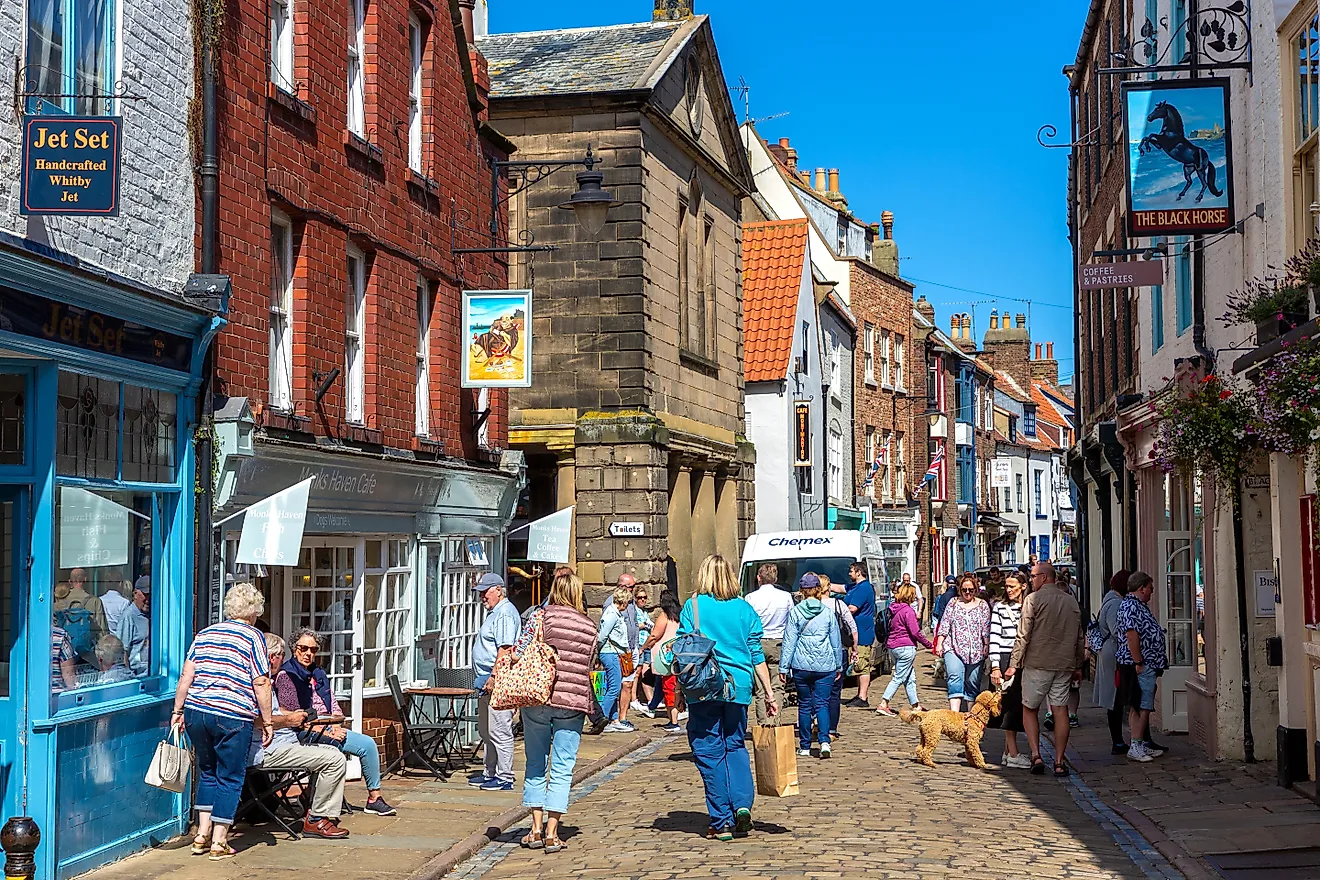
11 Best Attractions To Visit In The Southern United States
The Southern United States contains many of the country's most recognizable and oldest natural, historic, and cultural attractions. Great Smoky Mountains National Park draws millions of visitors to its Appalachian forests, while Everglades National Park protects an immense subtropical wetland in Florida. Elsewhere, more modern cultural locales like Graceland preserve the Memphis home of Elvis Presley, whereas the French Quarter showcases New Orleans' distinctive architecture, and Stone Mountain rises above Georgia's landscape, showing off both its natural and political pasts. Wherever you decide to travel on this list, these destinations are generally easy to access and boast a plethora of landscapes deeply tied to America's longstanding story.
Great Smoky Mountains National Park
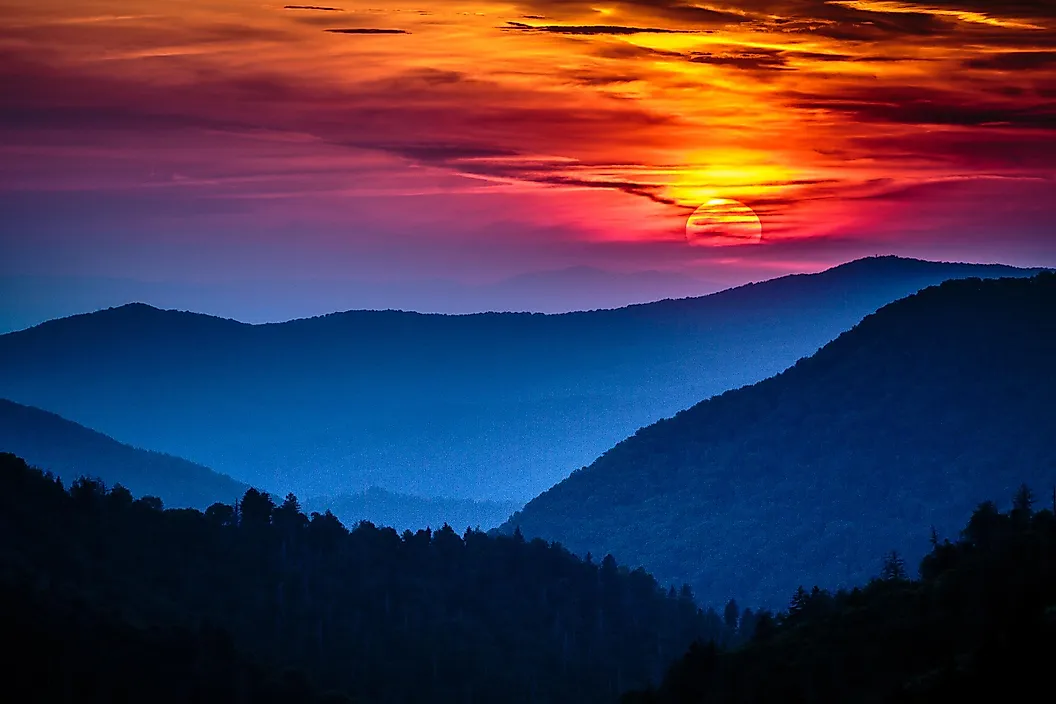
Straddling Tennessee and North Carolina, Great Smoky Mountains National Park is the most visited national park in the United States, attracting upwards of 14 million visitors each year. It protects more than 522,000 acres of forested mountains, with elevations ranging up to 6,643 ft at Clingmans Dome, one of the highest points east of the Rockies. Biodiversity is a major draw here too, including more than 1,600 species of flowering plants and abundant black bears.
You can drive the Newfound Gap Road, hike to waterfalls such as Laurel Falls, explore Cades Cove's historic buildings, or climb Clingmans Dome for panoramic views. The Appalachian Trail also crosses the park for about 71 miles, making it a must-see destination for long-distance hikers.
The French Quarter
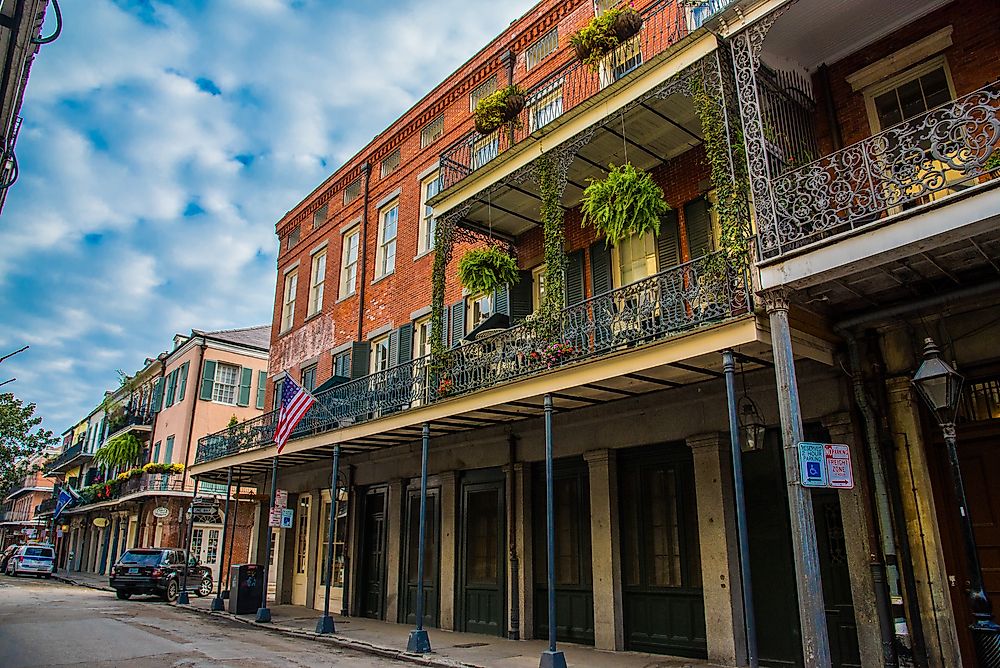
The French Quarter is the historic heart of New Orleans and an essential stop for fans of architecture, music, food, and history. Centered on Jackson Square and the Mississippi Riverfront, this district contains buildings dating from the late 18th and 19th centuries, with Spanish and French influences visible throughout its streets.
St. Louis Cathedral, the Cabildo, and the Presbytère surround Jackson Square, while Bourbon Street is known for its nightlife and entertainment. Next, Royal Street is lined with a healthy selection of galleries, antique shops, and historic buildings, while the French Market, an essential stop, has operated in some form since the 18th century.
You can also explore the neighborhood's courtyards, mouth-watering Creole restaurants, and live music venues, making this one neighborhood perhaps the greatest introduction to Louisiana's distinctive history and traditions.
Kennedy Space Center

Located on Florida's "Space Coast," Kennedy Space Center is NASA's primary launch site for human spaceflight and a special attraction for anyone interested in space exploration in general. The visitor complex includes exhibits covering the history of the U.S. space program, including the Apollo missions and the Space Shuttle era, while the Apollo/Saturn V Center houses an actual Saturn V rocket. Furthermore, the Space Shuttle Atlantis exhibit displays the spacecraft that flew 33 missions between 1985 and 2011.
Bus tours can take you through restricted areas of the Kennedy Space Center complex, including launch facilities and the Vehicle Assembly Building. Depending on the launch schedule, you may also be able to watch rockets depart from nearby launch pads, a truly unforgettable experience.
Mammoth Cave National Park

Mammoth Cave National Park in Kentucky protects the world's longest known cave system, with about 426 miles (686 km) of surveyed passageways. The underground network formed in limestone over millions of years and contains chambers, narrow passages, underground streams, and unusual mineral formations.
Guided cave tours are what bring most curious visitors, with routes ranging between relatively accessible walks and strenuous trips through tighter sections of the cave. And above ground, the park encompasses roughly 53,000 acres of forest and river valleys along the Green River. If you're claustrophobic, feel free to hike the more than 80 miles (129 km) of trails here, paddle the Green River, and explore other historic sites connected to the cave's early tourism and mining history.
Biltmore Estate

Biltmore Estate in Asheville, North Carolina, is the largest privately owned house in the United States and an understandably major attraction for its exemplary architecture, gardens, and history. George Washington Vanderbilt II commissioned the sizable 250-room mansion, which was completed in 1895 and designed in the French Renaissance style.
Today, you're able to tour the house's grand rooms, including the library, banquet hall, and indoor swimming pool, with various exhibitions explaining life at the estate during the Vanderbilt era. Then, the surrounding grounds cover roughly 8,000 acres and include wonderfully landscaped gardens designed by Frederick Law Olmsted, who also planned New York City's Central Park. The estate's gardens are particularly scenic in the spring, when azaleas, rhododendrons, and other flowering plants are in bloom.
Graceland

Graceland in Memphis, Tennessee, was the home of Elvis Presley from 1957 until his death in 1977, and is now a dedicated landmark to his life. The 13.8-acre estate includes the mansion, where visitors can see rooms such as the Jungle Room, music room, and living room. The complex also contains Elvis Presley's car collection, stage costumes, gold records, and exhibits covering his recording and performing career.
You can tour Graceland independently or through guided experiences, with exhibits extending beyond the house into a larger entertainment complex. Lastly, Meditation Garden, located beside the mansion, is the burial site of Elvis Presley and members of his family, a space where you can pay your respects to the "King of Rock."
Congaree National Park

Congaree National Park, which sits in the wilds of South Carolina, protects the largest remaining tract of old-growth bottomland hardwood forest in the southeastern United States. The park's floodplain is shaped by the Congaree and Wateree rivers, creating conditions that support notably tall trees, vast wetlands, and all-around extensive biodiversity.
A Boardwalk Loop provides an accessible introduction to this environment, winding for about 2.4 miles (3.9 km) through the forest and swamp. Longer trails reach deeper into the park, while Cedar Creek provides opportunities for canoeing and kayaking. But regardless of where you go, you'll likely see an array of beautiful bald cypress, tupelo, loblolly pines, and hardwood trees that, as mentioned, reach exceptional heights.
Also note that seasonal flooding changes water levels and trail conditions, so checking current conditions is important before exploring the backcountry of Congaree.
Everglades National Park

For another record-breaking parkland, southern Florida's Everglades National Park presides over the largest subtropical wilderness in the country, covering about 1.5 million acres. Its shallow wetlands, mangrove forests, sawgrass marshes, and coastal habitats host an unusual concentration of wildlife, including American alligators, American crocodiles, West Indian manatees, snakes, and Florida panthers.
Shark Valley is an especially popular and accessible place to explore the park by tram, bicycle, or on foot, while the Anhinga Trail provides especially close views of wading birds and other wetland wildlife. You also have the ability to travel via kayak through mangrove waterways and explore the Gulf Coast by boat, too.
This renowned parkland near Miami is particularly important for water conservation, as its wetlands form an essential component of the Everglades ecosystem and help regulate freshwater flowing toward Florida Bay.
The San Antonio River Walk

The San Antonio River Walk follows the riverfront through downtown San Antonio, Texas, with pedestrian paths running below street level alongside restaurants, shops, historic buildings, and public spaces. Its central section passes several can't-miss landmarks, including the Alamo, La Villita Historic Arts Village, and the San Fernando Cathedral. Moreover, river barges provide guided tours further explaining the history and architecture of the city along the waterway.
This popular urban walking path extends beyond the downtown loop into quieter sections, including the Museum Reach, which connects the central area with the San Antonio Museum of Art, and the Mission Reach, which provides access toward San Antonio Missions National Historical Park.
The River Walk is particularly active during Fiesta San Antonio, when various special events and decorations fill the district.
Stone Mountain
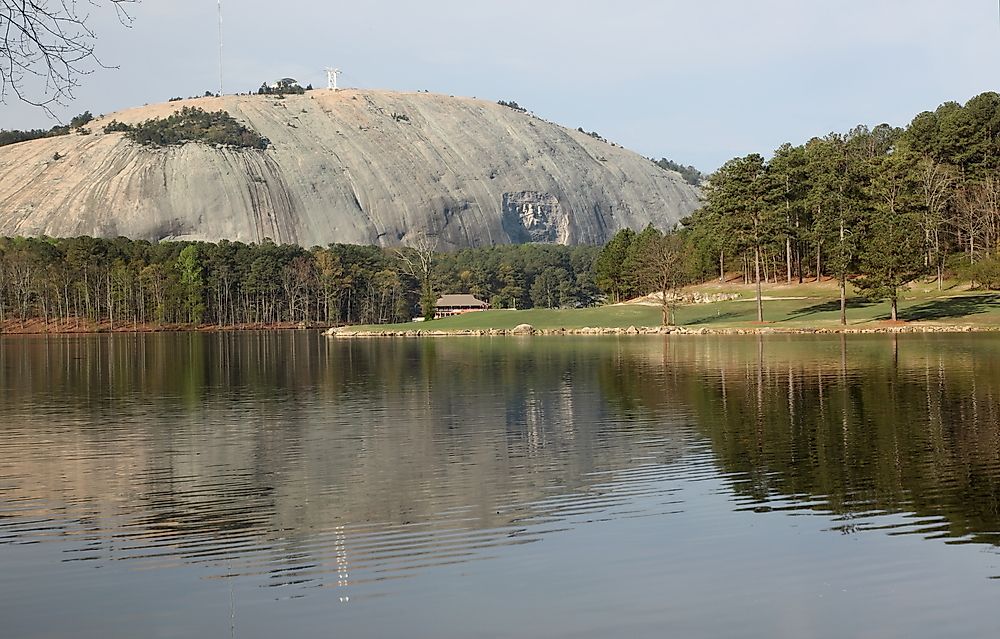
Stone Mountain Park, which rests in Georgia just outside of Atlanta, surrounds none other than Stone Mountain, a massive granite formation rising about 825 ft (251 m) above the surrounding landscape. The mountain's most recognizable feature, however, is the Confederate Memorial Carving, depicting Jefferson Davis, Robert E. Lee, and Stonewall Jackson on its north face.
Hike the 1-mile (1.6-km) Walk-Up Trail to the summit, where the exposed granite provides broad views across the Atlanta metropolitan area, or check out the nearby lake, other hiking trails, historic buildings, and the Stone Mountain Scenic Railroad. For those who don't want to walk (or can't), a cable car provides another route to the summit for an easy ascent.
For the geography nerds out there, the mountain itself formed from molten rock roughly 300 million years ago and is composed primarily of quartz monzonite, giving it its distinctive pale-gray appearance.
Luray Caverns

Virginia's Luray Caverns is another impressive American cave system, with about 1.5 miles (2.4 km) of passages open to the public. Notably, it remains at roughly 54°F (12°C) year-round, regardless of outdoor temperatures.
Discovered in 1878, the caverns contain stalactites, stalagmites, columns, flowstone, and other fascinating formations developed over millions of years. The most famous feature is the Great Stalacpipe Organ, which produces musical tones by striking its various rocky formations with electronically controlled mallets.
Like many spots on this list, guided tours here follow a paved route through chambers reaching heights of up to 164 ft (50 m). And up above, an almost equally impressive selection of sights and sounds can be found, like the Luray Valley Museum, the Car and Carriage Caravan Museum, and the Luray Singing Tower.
Experience the Best of the South at these fun Destinations
These essential Southern draws span national parks, extensive cave systems, historic neighborhoods, famous estates, and distinctive urban landmarks. Together, they provide a broad look at the South's natural and manmade attractions, giving you a window into this sometimes overlooked and underrated corner of the country. Whether sticking to one state or traversing multiple, definitely give this list a go-over the next time you're planning an adventure down in the area.