10 Southern United States Small Towns With Unmatched Friendliness
The South has a reputation for friendliness, and it holds up best in the small towns. People here spend their time where others can find them, on the front porch, at the lunch counter, out on the courthouse square. In these nine towns that habit runs deep. Fiddlers play the open street in Rome, Georgia, and pull passersby into the tune. Students at Washington and Lee are taught to look every stranger in the eye and say hello. A pub in Sewanee has kept the same community company since 1974. The welcome in these places is a way of life, not a line on a sign.
Folly Beach, South Carolina

Folly Beach sits just below Charleston, the major southeastern port and harbor city. With just over 2,000 permanent residents, it gets much more crowded on weekends with beachgoers. It is connected to the mainland by Folly Beach Road, which becomes Center Street as you roll into town. Watch for traffic on the busier weekends, since there is only one road on and off the island. The first thing that stands out about Folly Beach is its colorful, retro coastal feel along the main avenue. This is a place with real character.
Check out the kitschy beach souvenir shops in the last few blocks of Center Street before the sand, like The Islander. People are out and about, socializing and enjoying each other's company, maybe heading to a packed live-music show on the outdoor deck behind the funky Chico Feo while eating some Caribbean food. You can also head to the 1,045-foot Folly Beach Public Pier for the sunset, where you can rent a fishing pole and buy bait to catch bluefish, flounder, and spotted sea trout right off the pier. Folly has an art scene, too, and for over 30 years the Sand and Sea Festival, with arts and crafts from local artisans, has been the biggest event. There is East Coast surfing here at Folly Beach, and the best stop for all surf-related questions, rentals, and merch is Ocean Surf Shop.
St. Augustine, Florida

St. Augustine stands out as the oldest continuously occupied town in the contiguous United States, founded in 1565 by Spanish explorers on the northeastern coast of Florida, 211 years before the American Revolution. Today it is known for its historic architecture and its small-town feel in the older sector, the Spanish Colonial Quarter. With just over 14,000 people, St. Augustine is small enough that civic organizers still dress the trees with lights and build a welcoming atmosphere across the oldest streets.
The first stop in town should be the Plaza de la Constitucion, the central square of the original settlement. From there you can get your bearings and begin to weave through the old streets of St. Augustine. To get a real sense of the friendly community here, catch a show at the St. Augustine Amphitheater. For a dose of the town's architectural grandeur, tour the Lightner Museum and Flagler College, formerly the Ponce de Leon Hotel, built during the Gilded Age of the 1880s. The seafood scene is another window into the cordial lifestyle here. The area is especially known for Minorcan clam chowder, which you can try at classic oceanview spots like the Conch House Restaurant.
Natchez, Mississippi

Natchez is the oldest permanent settlement along the Mississippi River, predating the United States as a French trading port first established in 1716, though it takes its name from the Native American tribe of the area. Because of its key location along the busy Mississippi, one of the largest rivers in the country, connecting many landlocked midwestern states to the Gulf of Mexico, it served as a cultural and economic thoroughfare for many different peoples. Those included Spanish explorers following Hernando de Soto in the 1500s, enslaved and free Africans, and the English colonists who would eventually help form the state of Mississippi in the 1800s, under whose jurisdiction Natchez now sits with a population of about 14,000.
The Magnolia Grill is a great place to strike up a conversation with friendly locals while looking out at the Natchez-Vidalia Bridge over the river and enjoying some classic fried catfish. Natchez is also known for its grand antebellum estates from before the Civil War. Today many of these homes can be toured in a museum capacity, such as the Rosalie Mansion and Gardens, which features an enormous porch. Natchez is a social town with an active arts district, and it hosts festivals throughout the year, including the Natchez Literary and Cinema Celebration, which has run for over 30 years. Get out and walk the downtown when you visit, because most of the people here are easy to meet and greet. The Natchez Bluff Park offers great views of the river, plus trails and benches.
Lexington, Virginia

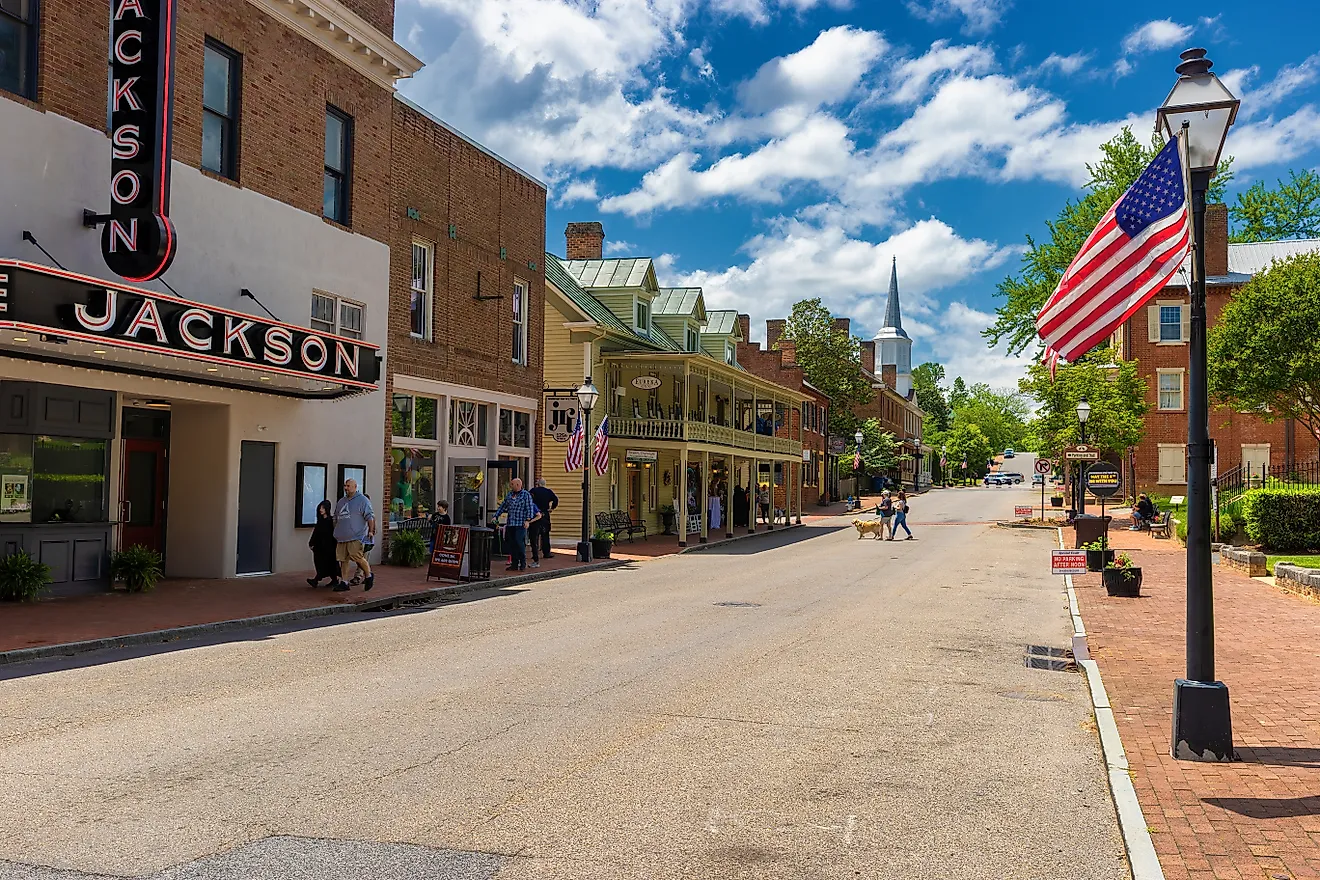
Lexington is a town in the southwestern corner of Virginia, in the Shenandoah Valley, with a distinctly colonial feel. The downtown is full of red brick buildings with porches and white neoclassical columns. Founded in 1778 and named after the Massachusetts town where the American Revolution began just two years earlier, Lexington has developed its own character since. It is home to the Virginia Horse Center, Washington and Lee University, and Virginia Military Institute, which makes it a significant center for aspiring competitors, scholars, and soldiers.
Despite the town's small size of about 7,300 people, hosting such organizations puts Lexington on a higher level, offering first-rate resources to the general public through performances, lecture seminars, and athletic events. The town's friendliness shows in the way students at Washington and Lee are taught to greet and look everyone in the eye when they pass, even strangers. The Palms is a longstanding favorite restaurant and bar downtown, where students, alumni, military personnel, and locals all mingle during and after work hours. Lime Kiln Theater is a well-known outdoor live-music venue just outside of town that plays to the folk scene and runs a popular summer concert series, with new acts rotating weekly. The area around Lexington is also known for its natural beauty. Take a drive along the Blue Ridge Parkway in the fall, when the leaves change.
Asheville, North Carolina

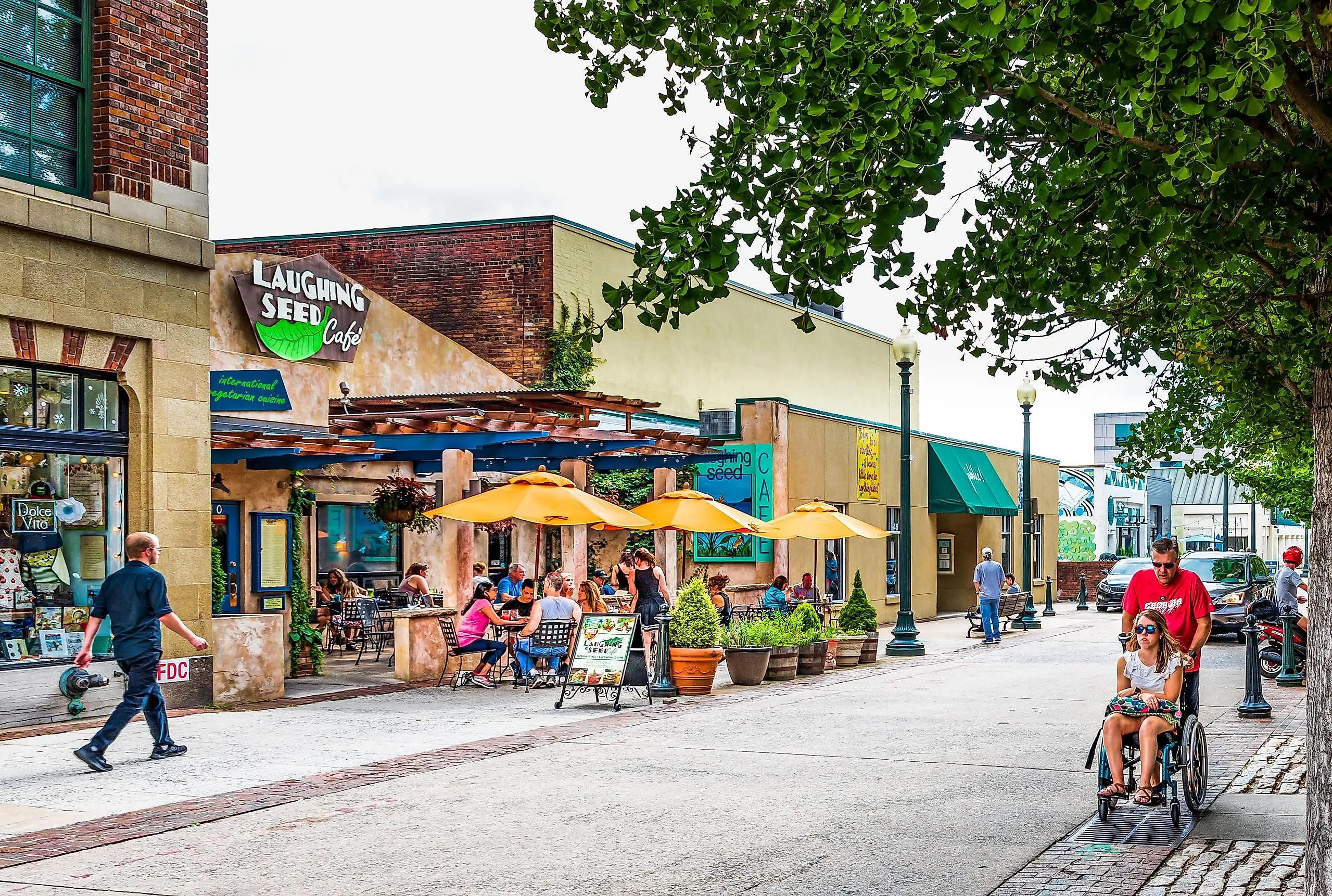
Asheville is the largest place on this list, a city of about 95,000 set where the French Broad and Swannanoa Rivers meet in the Blue Ridge Mountains. It earns its spot because the welcome here is built into how people gather in public. Every Friday evening a drum circle forms in Pritchard Park downtown, and anyone who wants to can bring a djembe, dance, or just sit on the steps and watch. The River Arts District, a mile of old riverside warehouses, keeps hundreds of studio doors open so visitors can walk in, watch a potter or glassblower at work, and talk shop with the person making the thing.
That openness was tested in September 2024, when Hurricane Helene flooded the French Broad and tore through the River Arts District. The recovery has leaned on the same neighborly habits, with artists sharing salvaged studio space and neighbors turning out for benefit shows, and much of the district is back at work. Downtown holds one of the densest collections of Art Deco architecture in the country, along with independent shops like Malaprop's bookstore, open on Haywood Street since 1982, and Pack Square Park, where festivals and free concerts fill the calendar. Just south of town, the Biltmore Estate opens its Gilded Age house and gardens, and the Blue Ridge Parkway runs its overlooks right past the city.
Highlands, North Carolina

Highlands is no secret to anyone who has spent time exploring the region where the Smoky Mountains meet the Southern Appalachians in Western North Carolina. The town has just over 1,000 permanent residents, with numbers swelling through the holiday seasons, when every restaurant and boutique along Main Street fills to the max. Highlands has been cited nationally as a best small town for shopping, with a high concentration of local entrepreneurs, start-up businesses, historic buildings with porches, and a lively art scene. Hit the Blue Bike Cafe for a great breakfast and coffee.
Highlands Recreation Center offers public indoor swimming, pickleball, and tennis year round, and it is usually packed with friendly folks enjoying each other's company. To get a good feel for the nightlife, visit The Ugly Dog Public House for dinner and a rotating lineup of live bluegrass acts, often featuring traditional old-school tap-dancing ladies. Perched on a 4,118-foot mountain plateau, Highlands is one of the highest incorporated towns east of the Mississippi River. Set within the Nantahala National Forest, it is a mountain enclave cut through by rivers, waterfalls, hiking trails, caves, and ruby and sapphire mines. For outdoor adventure, try Highlands Outpost, a few miles outside of town, where you can go snow and turf tubing, ice skating, trout fishing, and gem mining, or ride the alpine coaster called the Scaly Screamer.
Wetumpka, Alabama

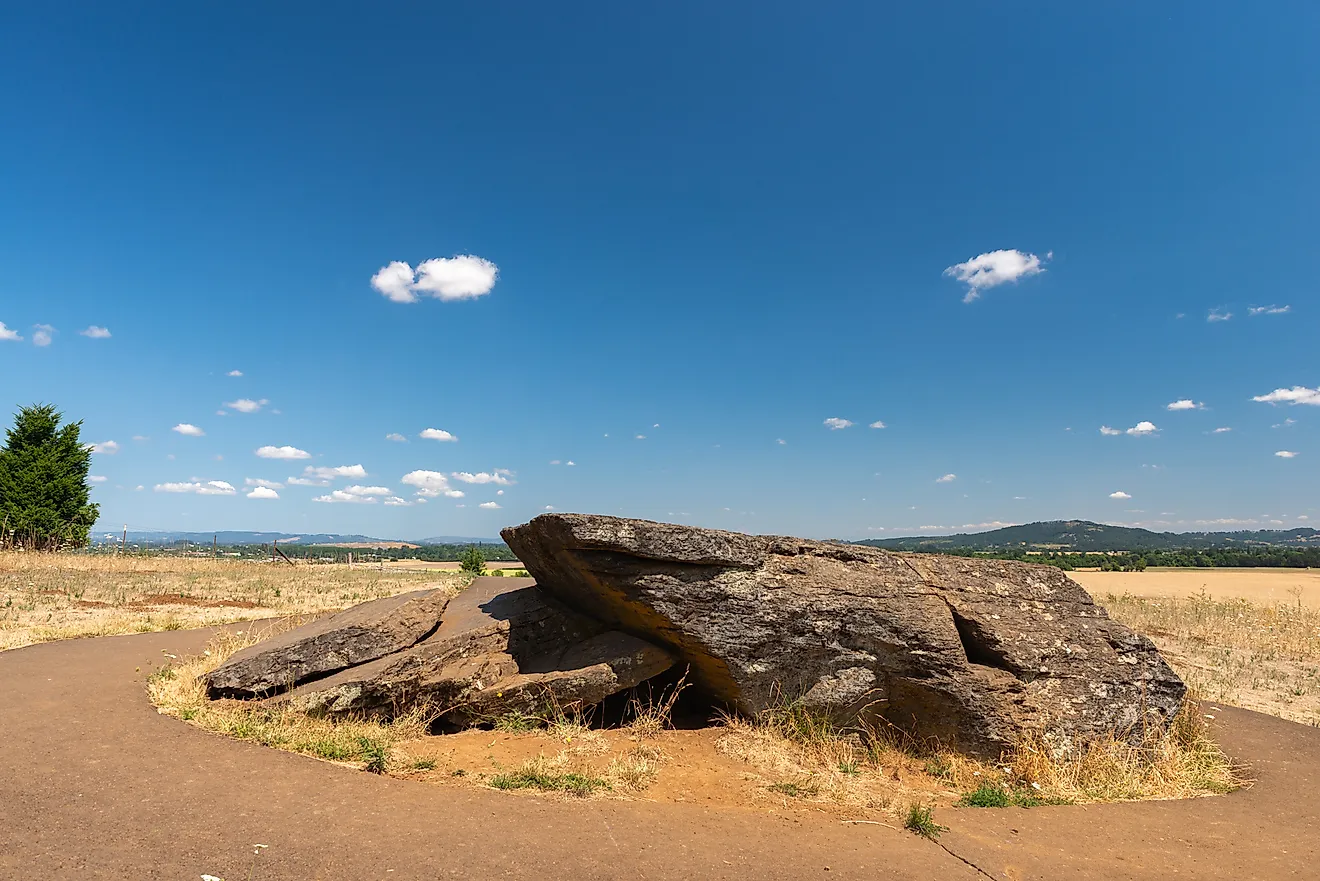
Wetumpka is a small river town in Central Alabama where a meteor fell millions of years ago. There is a famous old jazz song called "Stars Fell on Alabama," and in Wetumpka that is close to literal. Sitting in an elbow crook of the Coosa River, just before it joins the Tallapoosa to form the Alabama River, Wetumpka's downtown lies just over the edge of the meteor's impact crater. Tim Burton filmed the movie "Big Fish" here in 2003. With fewer than 8,000 people, Wetumpka is a place where you can get to know everyone downtown without going too far.
Coach's Corner is a great spot for lunch, and the parking lot is packed every day. It is the big hangout, but it is far from the only good place to eat or lounge. Wetumpka is also a rising regional star on the arts and performance scene. The Kelly Fitzpatrick Center for the Arts has earned recognition as one of Alabama's standout galleries in recent years, supporting rising artists with year-round chances to participate, compete, and sell their work. The Wetumpka Depot Players is one of the foremost community theaters in Central Alabama, with a steady run of productions, workshops, and gatherings that draw audiences from well beyond the town's borders. Coosa River Adventures is the go-to for kayak, paddleboard, and canoe rentals when you want to explore the water.
Sewanee, Tennessee

Sewanee sits on the Cumberland Plateau in south-central Tennessee and is most often identified as the home of the University of the South. This town of about 2,500 permanent residents, apart from the fluctuation when students come and go, is a kind of intellectual epicenter of old Southern culture. It was founded in 1857, when construction began on the college, though the school did not really get going until its first convocation in 1868, a couple of years after the Civil War ended. The Sewanee Review became the gold standard of Southern literary periodicals by the late 1800s and is still in publication today, making the town a draw for anyone who wants to celebrate Southern writers, the value of an honor code, and generations of regional etiquette. The annual Sewanee Writers' Conference is a testament to that, billed as a celebration of writing, literature, community, and Southern hospitality.
The university's architecture is the town's crown jewel, a series of Gothic stone buildings across a 13,000-acre tract known as The Domain, set against Tennessee mountain views, trails, and natural wonders. On campus, climb the Shapard Tower, a bell tower with a commanding view of the countryside below, then take a short hike to Bridal Veil Falls. Shenanigans has been the community hub, restaurant, and pub since 1974, set in a historic building in downtown Sewanee with porch seating and a second-floor viewing deck.
Rome, Georgia

Georgia has its own version of Rome, also built on seven hills, though it is a much smaller town of fewer than 40,000 people, set in the northwestern part of the state at the confluence of the Etowah and Oostanaula Rivers. The town has considerable history reaching back to the 1830s, when it was first incorporated. Like many older Southern towns, it carries a nostalgic feel through its Victorian architecture, which lends itself to filmmaking and tourism. The Netflix series "Stranger Things" was filmed in part at Rome's Claremont House because of its Victorian look.
Known as "The Jewel of Broad Street," the DeSoto Theatre is a fully refurbished art deco building for film and stage, built in 1929 in the style of New York's Roxy Theatre, with seating for over 1,000 people. It remains a center of community activity and serves as the primary venue for the annual Rome International Film Festival (RIFF). Rome's historic district is known as Between the Rivers, home to many historic buildings, restaurants that trade in Southern hospitality like Aventine Rome, and the centerpiece of the town, the City Clocktower, now housed in the Old Town Clock Museum and dating to 1872. Rome also has an appealing music-festival scene, with events like the Fiddlin' Fest every October, when live fiddlers play an open street festival and mingle with the public downtown.
Lockhart, Texas

Lockhart is the quintessential friendly Southern town, with a reputation as the official "Barbecue Capital of Texas," a title the state legislature made official in 1999. It sits about 30 miles south of Austin, the state capital, down a scenic drive. If you have never taken part in the rites and rituals of Southern barbecue in the company of family or friends, your best ticket to that culinary joy is one of the classic restaurants that have perfected the craft in a town like Lockhart, a nicely sized community with a population just over 14,000. The Original Black's Barbecue, operating since 1932, is here, along with several others.
The South is the land of the barbecue cookout, and many of the region's traits are on full display during annual festivals like Lockhart Rising, which brings around 30 pitmasters plying their trade in open booths with live music at Mill Scale Metalworks, a maker of grills and smokers. The biggest annual event, though, is the Chisholm Trail Homecoming Rodeo, part of the Chisholm Trail Roundup, a series of regional rodeos that also features a barbecue cookout. Lockhart has lent its historic downtown to the movies as well, serving as the setting for classics like "What's Eating Gilbert Grape" from 1993 and a long list of others, many of which feature the spectacular Caldwell County Courthouse at the center of town.
Land of Hospitality
The first and last thing to remember about the South is that it does not matter so much what you say as how you say it. Good feeling runs through a place that honors grace and style, not only in the design of its communities but in the speech and hearts of the people who live there. The region is famous for a friendliness that is most visible in its smaller towns. This tour is only a glimpse into the heart of a place many locals still call the land of milk and honey. Across mountain views, coastal bluffs, swampy river lowlands, and the dust of the Texas plains, the towns here offer an introduction to a rich heritage and a bright future of continuing growth.