The Best National Parks In The Southeast
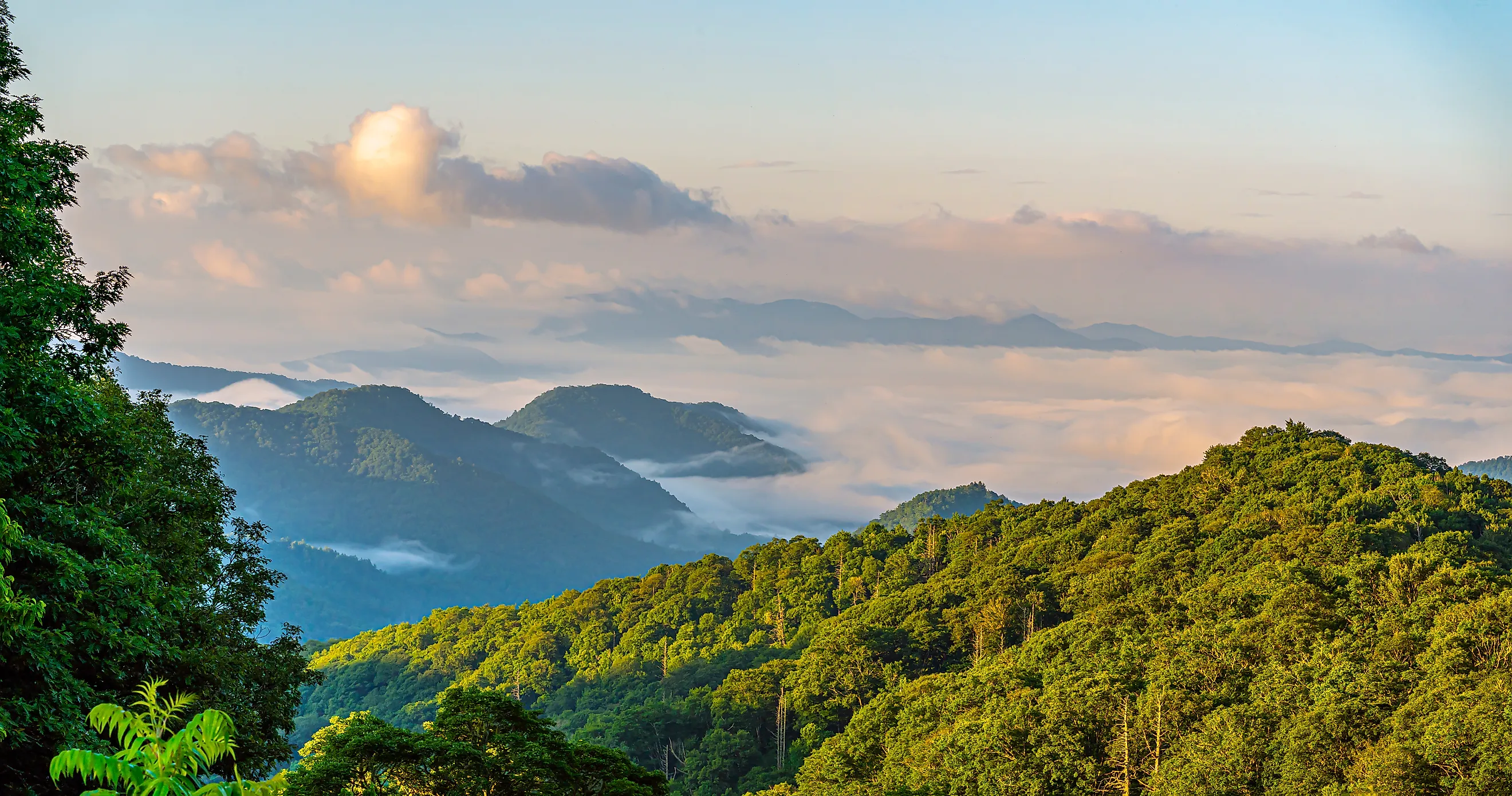
America's national parks are spread all across the country, offering those living in or visiting almost any area an opportunity to enjoy these unique preserved spaces. This includes the Southeast, a vast region that ranges from the misty Appalachian Mountains to the sun-soaked shores of the Gulf of Mexico. The top national parks in the area offer a similar diversity, both geographically and climate-wise. These four, plus one honorable mention, showcase the best of the Southeast.
Great Smoky Mountains National Park
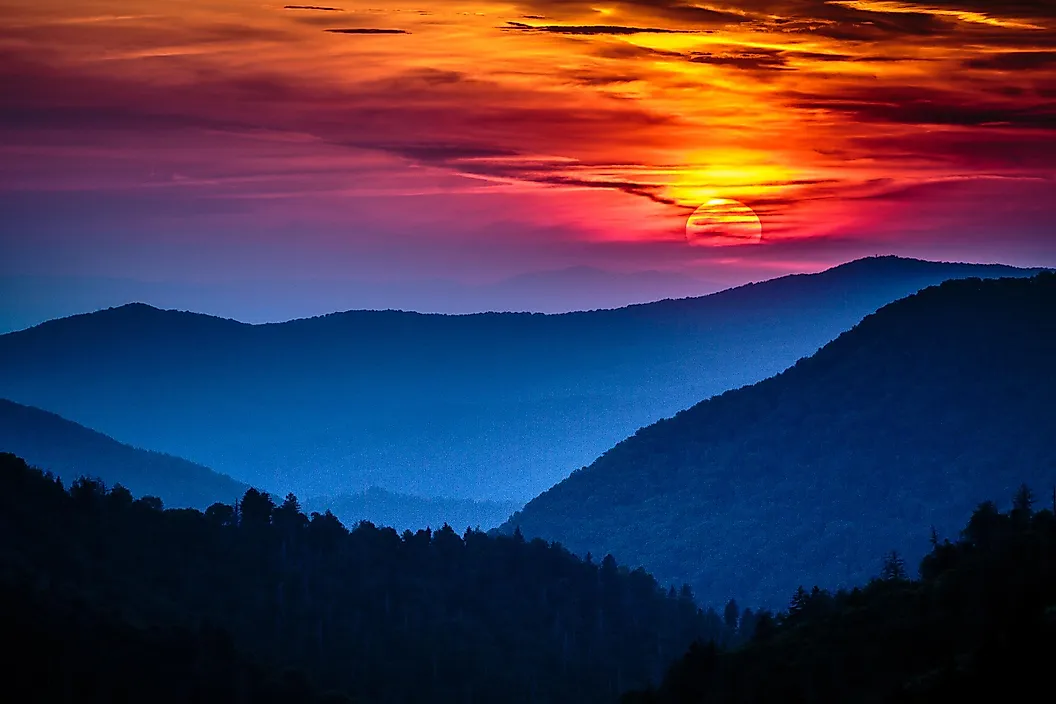
Great Smoky Mountains National Park is no secret to the tens of millions of people who live in the Southeast, to be sure. It's the country's most-visited national park, welcoming over 11.5 million visitors in 2025, more than twice that of second-place Zion National Park. This popularity is the result of a number of factors, including the proximity to high-population East Coast cities, compared to more distant West Coast parks.
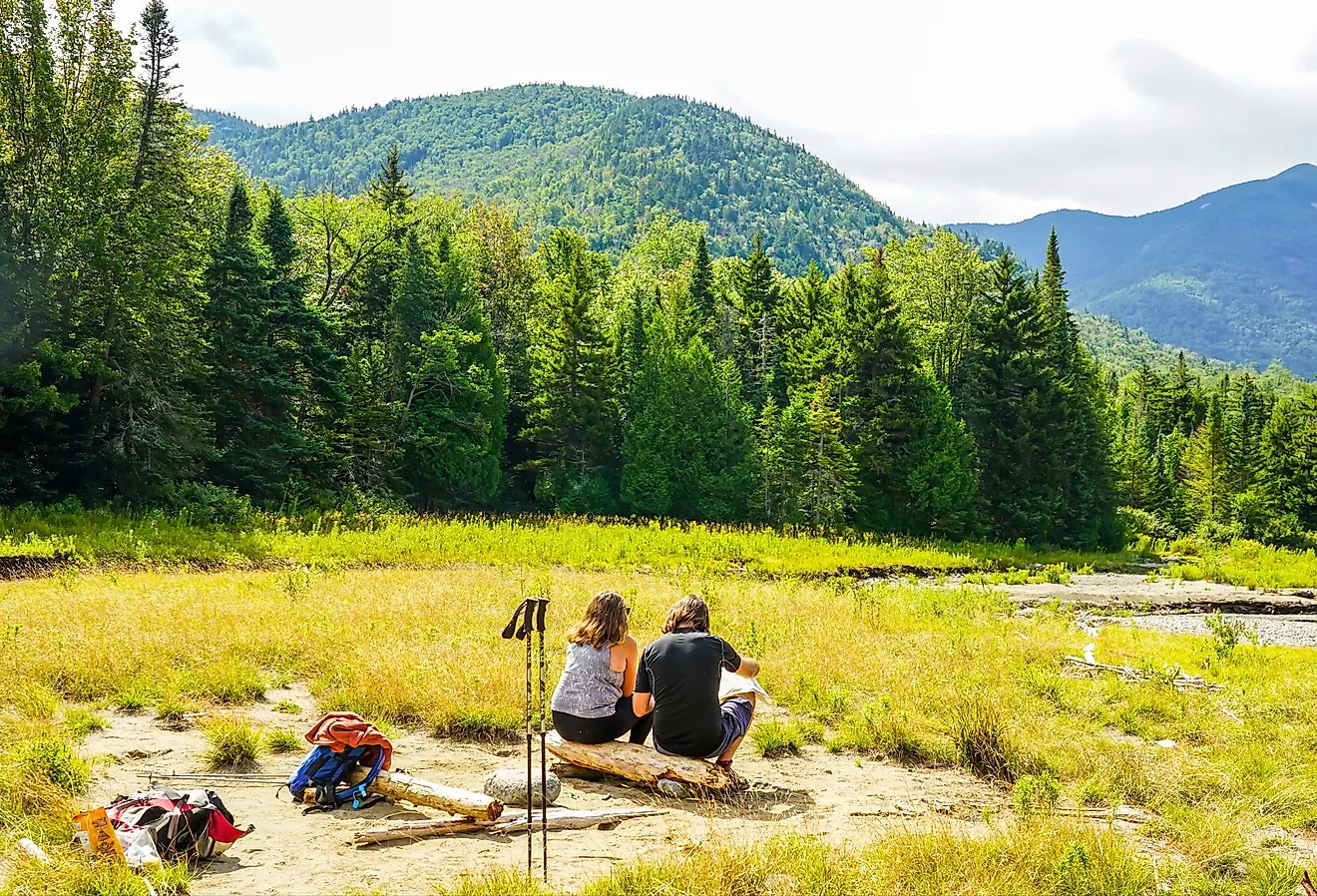
Still, there's a lot more to the appeal than just a convenient location. The park protects a scenic mix of misty mountain ridgelines, valleys, waterfalls, and other varied landscapes along this portion of the Tennessee-North Carolina border. Visitors can enjoy the park via hiking, biking, camping, fishing, and other outdoor pursuits, including observing the area's unique natural inhabitants, from elk and famous black bears to fish and salamanders. The Kuwohi area, formerly known as Clingmans Dome, offers some of the park's best views, while Cades Cove contrasts the park's unique historic homesteads with incredible scenery, trail access, and amenities like a visitor center and campground.
Everglades National Park

Just outside the greater Miami area lies a vast, unique ecosystem described as a "river of grass" by author and conservationist Marjory Stoneman Douglas. The Everglades is unlike any other ecosystem in the United States, making it an easy candidate for protection and landing it a top spot among the Southeast's national parks. It's made up of swamps, marshes, hammocks, coastal estuaries, and other water-rich environments, populated by a diverse mix of birds, fish, manatees, snakes, and the iconic alligators and crocodiles that evoke the Florida wilderness for many Americans.
Much of the park's vast expanses can only be accessed by boat, but a variety of boardwalks, scenic drives, hikes like the popular, low-difficulty Anhinga Trail, visitor centers, and other amenities make it easy to have fun and get a sense of this unique landscape from land. Tram tours are offered of the Shark Valley area, while those who'd prefer to hit the water can explore canoe or kayak trails in the Flamingo area, or take boat tours where skilled guides explore the park's more remote corners.
Visitors to Everglades National Park should exercise caution about when they schedule their trip. The park's subtropical location means summer temperatures can soar, made even worse by persistently high humidity. Mosquito swarms can also be legendary during the summer months, meaning it's a better spot to explore in cooler, drier weather.
Mammoth Cave National Park

For this top Southeastern national park, you'll need to head underground. Mammoth Cave National Park protects the world's longest known cave system, with hundreds of miles of mapped passages beneath the rolling hills of central Kentucky. Guided tours range from relatively easy walks through enormous chambers to longer, more demanding routes that squeeze through narrow passageways and descend deep below the surface. Along the way, visitors can see dramatic rock formations, historic artifacts, and evidence of the cave's long use by Indigenous peoples, early guides, miners, and tourists.
There's plenty to explore above ground as well. The park includes over 80 miles of forested hiking trails, campgrounds, scenic drives, and access to the Green and Nolin rivers for paddling and fishing. Still, the caves are unquestionably the main attraction, offering an experience unlike anything else on this list and making Mammoth Cave one of the Southeast's most distinctive national parks.
Dry Tortugas National Park

You'll need to plan ahead if you want to visit Dry Tortugas National Park. Its remote location in the Gulf of Mexico means you'll need to arrive by ferry, private boat, or seaplane, typically departing from Key West.
Most of the park's area is covered by the warm, crystal-clear Gulf waters. Visitors can enjoy these quite wet parts of Dry Tortugas National Park by fishing, snorkeling, scuba diving, boating, and other activities. However, much of the attention focuses on the group of seven small islands that exist within the park, most notably the imposing brick military installation known as Fort Jefferson on Garden Key. A day of exploring this attraction while taking in the one-of-a-kind views can even be capped off by camping on the islands.
Like the Everglades, Dry Tortugas can be quite hot during summer weather, and is also among the most vulnerable national parks to hurricanes and other tropical storms. This means those visiting during hurricane season should be mindful of the forecast.
Honorable Mention: Congaree National Park

In some ways, South Carolina's Congaree National Park may not have the appeal of some other national parks, which offer eye-popping scenery and extensive amenities. However, it deserves mention for the ecosystem it preserves, one of the most distinctive and characteristic of the Southeast.
Congaree encompasses the largest remaining expanses of old-growth bottomland hardwood forest in the United States, much of which exists as a floodplain for the Congaree and Wateree Rivers. These waterways periodically flood the park, whose main attraction is an elevated boardwalk that winds through the shady, tree-filled landscape. However, those who want to explore the park more deeply can hit the waters of the two rivers in canoes and kayaks, as well.
As anyone who's spent time in persistently warm, wet Southeastern climates is likely aware, this area creates prime breeding grounds for mosquitoes. The park even operates a "mosquito meter," ranging from "all clear" to "war zone," meaning you should be mindful of the conditions before planning a visit, and bring plenty of bug spray.
Explore the Mountains, Swamps, Caves, and Islands of the Southeast in America's National Parks
The Southeast has so much to offer lovers of nature, whether they're skilled hikers seeking to scale rugged peaks, avid fishermen casting their lines in the Everglades or Gulf, or simply travelers looking for a nice walk or drive. These five national park options are the clear best choices for those looking to explore the region and take advantage of its many unique amenities and features.